Madison Cole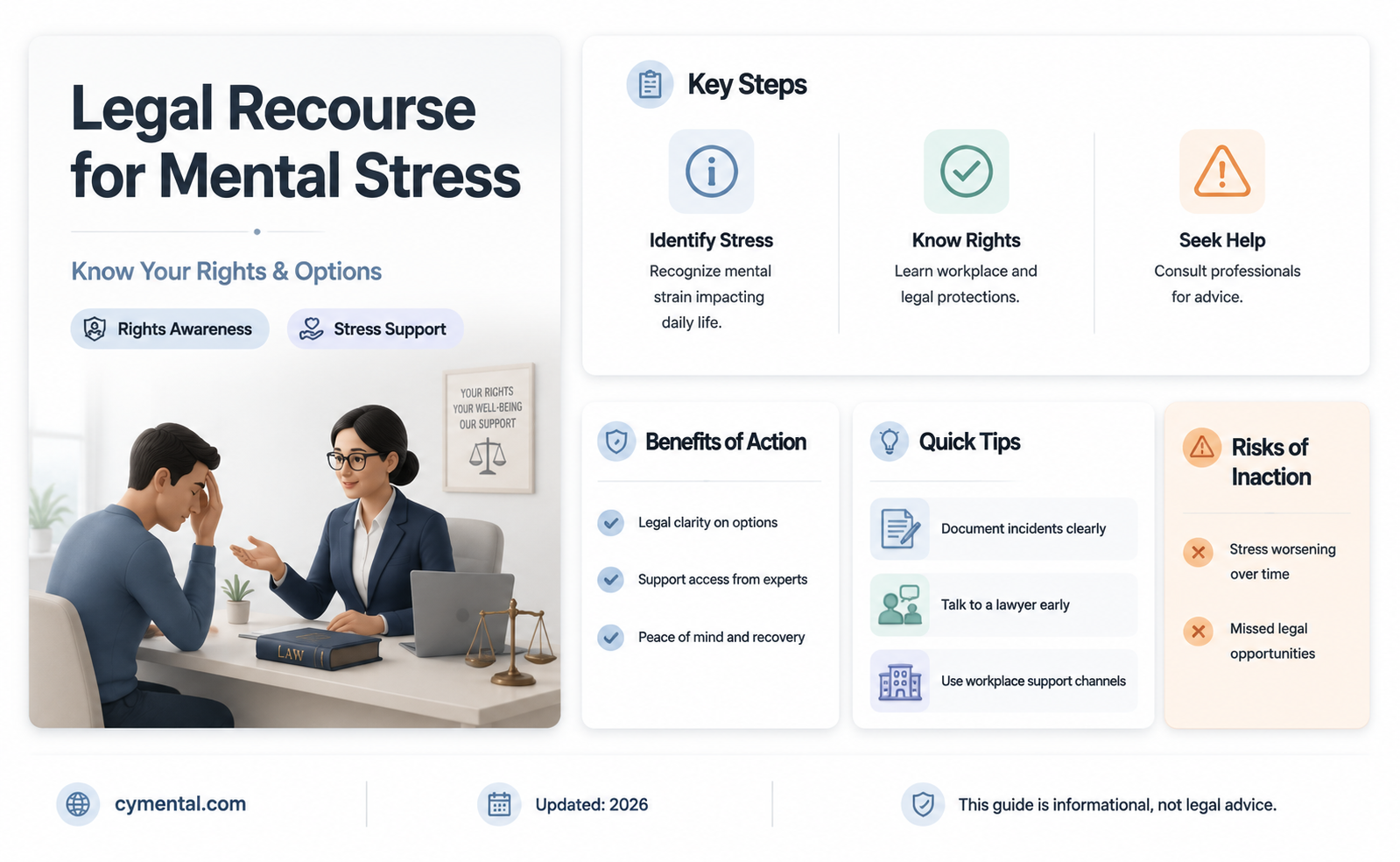
Suing someone for mental stress, also known as emotional distress or psychological harm, is a complex legal matter. While it's not possible to sue someone simply for causing you stress, there are certain circumstances under which you may be able to take legal action. For example, if someone's intentional or reckless behavior has caused you severe emotional distress, you may have grounds for a lawsuit. Additionally, if you've experienced discrimination, harassment, or other forms of wrongdoing that have led to mental stress, you may be able to seek compensation through legal means. It's important to note that the laws surrounding mental stress and emotional distress vary by jurisdiction, so it's essential to consult with a qualified legal professional to understand your rights and options.
Explore related products

$14.95 $14.95

$59.99


What You'll Learn
- Legal Grounds for Suing: Understand the legal criteria for filing a lawsuit related to mental stress
- Types of Mental Stress Claims: Explore different categories of mental stress claims, such as workplace stress or emotional distress
- Evidence Required: Learn about the necessary evidence to support a mental stress lawsuit, including medical records and witness testimonies
- Potential Compensation: Discover the types of compensation you might be eligible for, such as damages for pain and suffering
- Finding Legal Representation: Get guidance on how to find and choose a lawyer experienced in mental stress cases

Legal Grounds for Suing: Understand the legal criteria for filing a lawsuit related to mental stress
To successfully sue someone for mental stress, you must establish that the defendant owed you a duty of care, breached that duty, and caused you to suffer mental distress as a result. This duty of care can arise from various relationships, such as employer-employee, doctor-patient, or even between neighbors. For example, an employer may have a duty to provide a safe working environment, and failing to do so could lead to a lawsuit for mental stress caused by a hostile workplace.
The breach of duty must be significant and directly related to the mental stress you are experiencing. For instance, if your employer knowingly allowed a coworker to harass you, this could be considered a breach of their duty to maintain a safe workplace. Similarly, if a doctor failed to diagnose or treat a condition that led to your mental distress, this could also be grounds for a lawsuit.
Causation is another critical element in these cases. You must be able to prove that the defendant's actions (or inactions) directly caused your mental stress. This often requires expert testimony from mental health professionals who can attest to the link between the defendant's behavior and your psychological state. For example, a psychologist might testify that the harassment you experienced at work led to symptoms of anxiety and depression.
In addition to these general criteria, there are specific legal considerations that can impact your ability to sue for mental stress. For instance, some jurisdictions may require you to show that the defendant's actions were intentional or reckless, rather than merely negligent. Others may have caps on the amount of damages you can recover for mental distress. It's essential to consult with an experienced attorney who can help you navigate these complexities and determine the best course of action for your case.
Ultimately, suing someone for mental stress can be a challenging and emotionally draining process. However, by understanding the legal criteria and working with a skilled attorney, you may be able to hold the responsible party accountable and obtain the compensation you deserve for your suffering.
Navigating Mental Health Support: A Guide to Sectioning in Massachusetts
You may want to see also
Explore related products


$18.99 $8.99


Types of Mental Stress Claims: Explore different categories of mental stress claims, such as workplace stress or emotional distress
Workplace stress claims are among the most common types of mental stress claims. These can arise from a variety of situations, including excessive workload, unreasonable deadlines, lack of control over work processes, and poor management practices. To successfully pursue a workplace stress claim, an individual must typically demonstrate that their employer failed to provide a safe working environment and that this failure directly caused their mental distress.
Emotional distress claims can stem from a wide range of experiences, such as traumatic events, personal injuries, or severe life changes. These claims often involve proving that the defendant's actions or negligence led to the plaintiff's emotional suffering. For example, a person might sue for emotional distress if they were involved in a car accident caused by another driver's recklessness and suffered severe anxiety or depression as a result.
Another category of mental stress claims involves intentional infliction of emotional distress. This type of claim requires showing that the defendant intentionally or recklessly caused severe emotional harm. An example could be a case where an individual is subjected to relentless harassment or bullying, leading to significant psychological damage.
In some cases, mental stress claims can also be related to environmental factors, such as exposure to toxic substances or living in a polluted area. These claims might involve demonstrating that the defendant's actions or omissions contributed to the plaintiff's mental health issues. For instance, a community living near a toxic waste site might sue the responsible company for mental distress caused by fear of health risks and environmental degradation.
When pursuing a mental stress claim, it is crucial to gather strong evidence to support the case. This can include medical records, witness statements, and documentation of the stressful events. Additionally, working with a qualified attorney who specializes in mental stress claims can significantly improve the chances of a successful outcome.
Guiding Someone Towards Psychiatric Help: A Compassionate Approach
You may want to see also
Explore related products

$11.47 $14.99


$17.87 $20.99

$8.49 $11.99


Evidence Required: Learn about the necessary evidence to support a mental stress lawsuit, including medical records and witness testimonies
To successfully pursue a mental stress lawsuit, it is crucial to gather compelling evidence that substantiates your claim. This typically involves obtaining detailed medical records that document the impact of the stress on your mental health. Such records should include diagnoses, treatment plans, medication prescriptions, and any notes from therapy sessions. Additionally, witness testimonies can provide valuable corroboration of your experiences and the effects of the stress on your daily life.
Medical records serve as a primary source of evidence in mental stress lawsuits because they offer a professional, objective account of your condition. It is essential to ensure that your medical records are thorough and up-to-date, as they will be scrutinized by legal professionals and potentially by a judge or jury. You may need to request copies of your records from healthcare providers and ensure that they include all relevant information, such as the dates of appointments, the nature of treatments received, and any communications between healthcare professionals regarding your case.
Witness testimonies can also play a significant role in supporting your lawsuit. These testimonies can come from friends, family members, colleagues, or anyone else who has observed the effects of the stress on your mental health and well-being. Witnesses can provide insights into how the stress has affected your behavior, mood, and ability to function in various aspects of your life. It is important to identify potential witnesses early in the legal process and to prepare them for the possibility of being called to testify.
In addition to medical records and witness testimonies, other forms of evidence may be relevant to your mental stress lawsuit. This could include emails, letters, or other communications that document the stressful situation, as well as any documentation of financial losses or other damages that have resulted from the stress. It is crucial to work closely with your legal team to identify and gather all relevant evidence, as this will significantly impact the strength of your case.
Ultimately, the key to successfully supporting a mental stress lawsuit is to provide a comprehensive and well-documented account of your experiences and the impact of the stress on your life. By gathering strong evidence, including medical records and witness testimonies, you can increase your chances of achieving a favorable outcome in your legal proceedings.
Pursuing Legal Action for Mental Anguish: What You Need to Know
You may want to see also
Explore related products




Potential Compensation: Discover the types of compensation you might be eligible for, such as damages for pain and suffering
In the realm of legal recourse for mental stress, understanding the potential compensation available is crucial. This section delves into the various types of damages one might be eligible for, providing a comprehensive overview of the financial and non-financial remedies that can help alleviate the burden of mental suffering.
One of the primary forms of compensation for mental stress is damages for pain and suffering. These damages are intended to compensate the victim for the physical and emotional distress caused by the traumatic event. The amount awarded can vary significantly depending on the severity of the stress, the duration of its impact, and the individual's ability to function in daily life. In some cases, victims may also be eligible for compensation for loss of income or earning capacity if their mental stress has affected their ability to work.
Another potential avenue for compensation is through the recovery of medical expenses. This can include the cost of therapy, medication, and other mental health treatments necessary to address the stress-related issues. Victims may also be able to claim damages for any out-of-pocket expenses incurred as a result of their mental stress, such as transportation costs to and from medical appointments.
In addition to financial compensation, victims of mental stress may also be entitled to non-financial remedies. These can include injunctions to prevent the continuation of the stressful situation, orders for the defendant to cease contact, or even the provision of counseling or other support services. In some cases, victims may also be able to seek punitive damages, which are intended to punish the defendant for their actions and deter future similar conduct.
Navigating the complexities of potential compensation for mental stress can be challenging, but understanding the available options is the first step towards seeking justice and healing. It is essential to consult with a qualified legal professional who can provide guidance on the specific types of compensation that may be applicable in a given situation and help victims navigate the legal process.
Recognizing the Signs: Is Someone You Know Having a Mental Breakdown?
You may want to see also
Explore related products


Finding Legal Representation: Get guidance on how to find and choose a lawyer experienced in mental stress cases
Navigating the legal landscape can be daunting, especially when dealing with the complexities of mental stress cases. Finding the right legal representation is crucial to ensure your case is handled with the expertise and sensitivity it deserves. Here are some steps to guide you in finding and choosing a lawyer experienced in mental stress cases:
First, it's essential to understand the specific area of law that deals with mental stress cases. This could fall under personal injury, workers' compensation, or even employment law, depending on the circumstances. Researching and understanding the nuances of these legal areas can help you identify the type of lawyer you need.
Next, consider reaching out to your local bar association for a referral. Bar associations often have resources to connect individuals with lawyers who specialize in specific areas of law. You can also ask for recommendations from friends, family, or other professionals who may have experience with similar cases.
When evaluating potential lawyers, look for those who have a proven track record in handling mental stress cases. Experience is key, as these cases can be complex and require a deep understanding of both the legal and psychological aspects involved. Don't hesitate to ask about their experience, success rates, and the strategies they employ in such cases.
It's also important to consider the lawyer's communication style and bedside manner. You want someone who is not only knowledgeable but also empathetic and willing to listen to your concerns. A good rapport between you and your lawyer can make a significant difference in the outcome of your case.
Finally, discuss fees and payment structures upfront. Legal representation can be expensive, and it's essential to understand the costs involved and whether they are contingent on the outcome of the case. Many lawyers offer free initial consultations, which can be a valuable opportunity to assess their expertise and compatibility with your needs.
By following these steps and doing your due diligence, you can find a lawyer who is well-equipped to handle your mental stress case and guide you through the legal process with compassion and expertise.
Recognizing and Reporting Mental Abuse: A Guide to Protecting Yourself and Others
You may want to see also
Frequently asked questions
Yes, you can potentially sue someone for causing mental stress, but it depends on the specific circumstances and the legal jurisdiction. In many cases, this type of lawsuit falls under the category of intentional infliction of emotional distress or negligence.
Examples include workplace harassment, bullying, defamation, assault, battery, or any other situation where someone's actions intentionally or negligently cause severe emotional distress.
You will need to provide evidence that the defendant's actions were intentional or negligent, and that these actions directly caused you severe emotional distress. This can include witness testimony, documentation of incidents, medical records, and expert testimony from mental health professionals.
You can prove the impact of mental stress on your daily life by providing evidence such as changes in your work performance, social withdrawal, changes in sleep or eating patterns, increased use of medications or substances, and statements from friends, family, or colleagues who have noticed changes in your behavior.
Compensation for mental stress can vary widely depending on the severity of the distress, the impact on your life, and the legal jurisdiction. It may include damages for pain and suffering, lost wages, medical expenses, and punitive damages in some cases.