Caleb Wright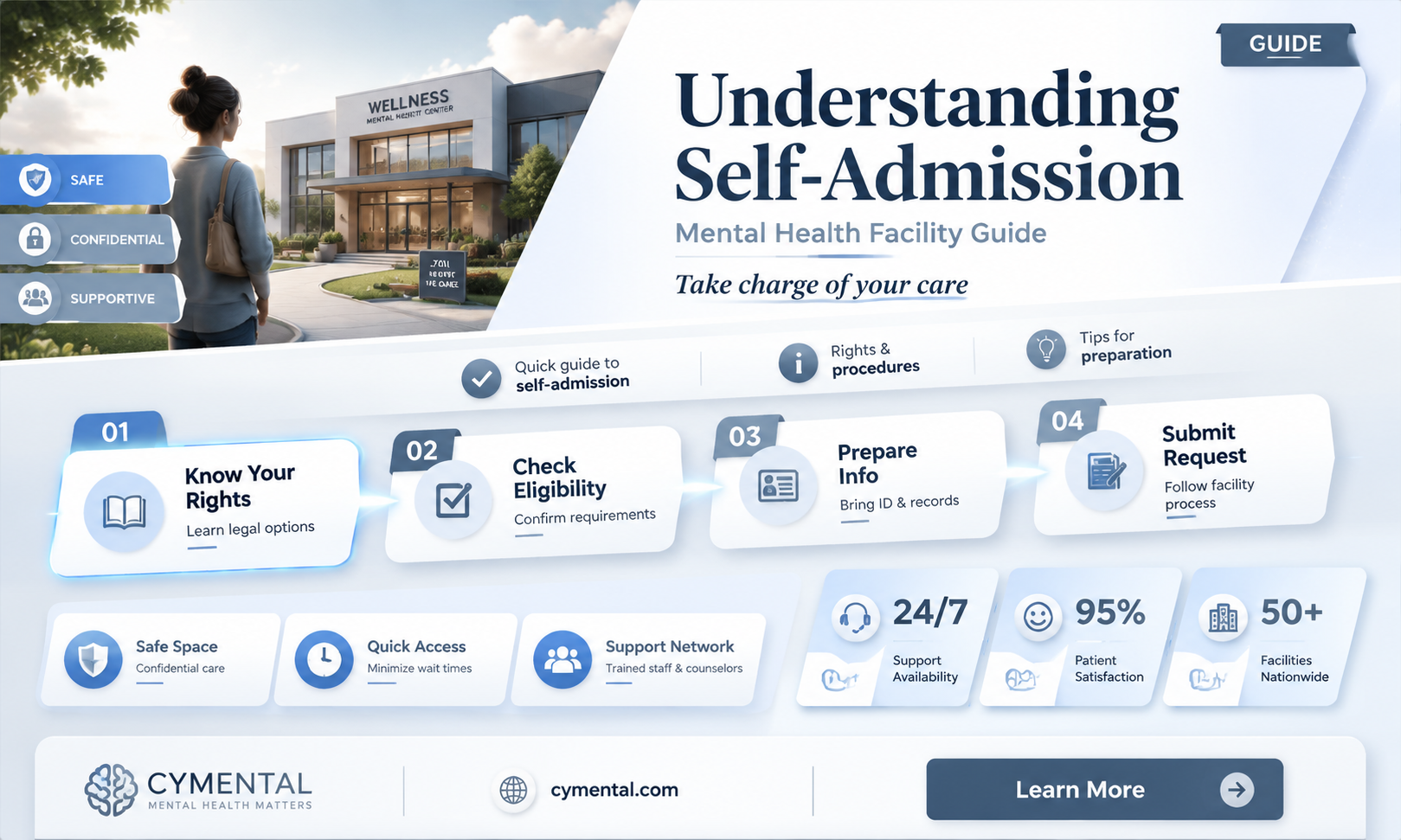
The question of whether someone can check themselves into a mental hospital is a significant one, touching on issues of mental health, personal autonomy, and the healthcare system. In many countries, individuals have the right to seek voluntary admission to a psychiatric facility if they are experiencing mental health issues that they feel require intensive treatment. This process typically involves an assessment by mental health professionals to determine the appropriateness of admission and the level of care needed. Voluntary admission can be an important step for those seeking help and can lead to effective treatment and recovery. However, it's also important to consider the potential implications of such a decision, including the impact on one's personal and professional life, as well as the financial costs associated with mental health care.
What You'll Learn
- Voluntary Admission Process: Understanding the steps and criteria for self-admission to a mental health facility
- Involuntary Commitment: Exploring the legal procedures for involuntary hospitalization and the rights of the individual
- Types of Mental Health Facilities: Differentiating between various treatment settings, such as inpatient, outpatient, and residential care
- Preparing for Hospitalization: Practical advice on what to pack, what to expect, and how to communicate with healthcare providers
- Post-Hospitalization Planning: Strategies for transitioning back to daily life, including follow-up care and support systems

Voluntary Admission Process: Understanding the steps and criteria for self-admission to a mental health facility
The voluntary admission process to a mental health facility is a critical aspect of seeking help for mental health issues. This process involves several steps and criteria that must be met to ensure the individual receives appropriate care. Firstly, the individual must recognize the need for help and make the decision to seek treatment. This can be a challenging step, as it requires acknowledging the presence of mental health issues and the need for professional intervention.
Once the decision to seek help has been made, the individual must research and identify a suitable mental health facility. This can involve considering factors such as the facility's reputation, the types of services offered, the qualifications of the staff, and the cost of treatment. It is essential to choose a facility that is well-equipped to address the individual's specific needs.
After selecting a facility, the individual must contact the admissions department to initiate the voluntary admission process. This typically involves providing basic personal information, such as name, address, and contact details, as well as information about the individual's mental health concerns. The admissions staff will then guide the individual through the necessary steps, which may include completing paperwork, undergoing an initial assessment, and meeting with a mental health professional to discuss treatment options.
During the assessment process, the mental health professional will evaluate the individual's symptoms, medical history, and current circumstances to determine the appropriate level of care. This may involve conducting interviews, administering psychological tests, and consulting with other healthcare providers. Based on the assessment results, the individual may be admitted to the facility for inpatient treatment, outpatient services, or referred to another provider for more specialized care.
Throughout the voluntary admission process, it is crucial for the individual to be honest and open about their mental health concerns and any other relevant information. This will help ensure that they receive the most effective treatment possible. Additionally, it is important for the individual to understand their rights and responsibilities as a patient, including the right to refuse treatment and the responsibility to follow the facility's rules and guidelines.
In conclusion, the voluntary admission process to a mental health facility is a significant step in seeking help for mental health issues. By understanding the steps and criteria involved, individuals can make informed decisions about their care and take the necessary actions to improve their mental health and well-being.
Recognizing Mental Health Struggles: A Compassionate Guide
You may want to see also
Involuntary Commitment: Exploring the legal procedures for involuntary hospitalization and the rights of the individual
In the context of mental health care, involuntary commitment refers to the legal process by which an individual is hospitalized against their will. This procedure is typically initiated when a person is deemed a danger to themselves or others due to a mental health condition. The laws governing involuntary commitment vary by jurisdiction, but generally involve a court order or the intervention of a mental health professional.
The process often begins with an assessment by a qualified mental health professional, who evaluates the individual's condition and determines whether involuntary hospitalization is necessary. If the assessment indicates that the person poses a significant risk, the professional may petition a court for an involuntary commitment order. The court will then hold a hearing to review the evidence and decide whether to grant the order.
During the hearing, the individual has the right to legal representation and may present evidence on their behalf. The court must consider the least restrictive alternative to involuntary hospitalization and ensure that the individual's rights are protected. If the court grants the order, the person is then hospitalized and receives treatment for their mental health condition.
While involuntary commitment can be a necessary intervention in some cases, it is not without controversy. Critics argue that the process can infringe upon an individual's civil liberties and that alternative treatments may be more effective. Advocates, on the other hand, maintain that involuntary commitment can be a lifesaving measure for those who are unable to seek help on their own.
In recent years, there has been a growing movement towards reforming involuntary commitment laws to better balance the need for treatment with the protection of individual rights. Some jurisdictions have implemented measures such as advance directives, which allow individuals to specify their treatment preferences in the event of a mental health crisis. Others have focused on improving access to voluntary mental health services, with the goal of reducing the need for involuntary hospitalization.
Ultimately, the issue of involuntary commitment is complex and multifaceted, involving considerations of law, ethics, and mental health care. As society continues to grapple with these challenges, it is essential to ensure that the rights and well-being of individuals with mental health conditions are protected and that they receive the care they need.
Unveiling Deception: Signs Someone May Be Faking Mental Illness
You may want to see also
Types of Mental Health Facilities: Differentiating between various treatment settings, such as inpatient, outpatient, and residential care
Inpatient facilities, also known as psychiatric hospitals or mental health wards, provide 24-hour care and supervision for individuals experiencing severe mental health symptoms or crises. These facilities are typically reserved for those who require intensive treatment, such as individuals with suicidal ideation, psychosis, or severe depression. Inpatient care usually involves a multidisciplinary team of psychiatrists, psychologists, nurses, and therapists who work together to stabilize the patient and develop a comprehensive treatment plan. The length of stay in an inpatient facility can vary depending on the individual's needs and progress, but it is generally short-term, ranging from a few days to a few weeks.
Outpatient facilities, on the other hand, offer mental health services to individuals who do not require 24-hour care. These facilities provide a range of services, including individual and group therapy, medication management, and counseling. Outpatient care is often used as a step-down from inpatient care or as a preventive measure for those experiencing less severe mental health symptoms. It allows individuals to receive treatment while maintaining their daily routines and responsibilities. Outpatient facilities can include community mental health centers, private practices, and specialized clinics.
Residential care facilities provide long-term care and support for individuals with chronic mental health conditions or those who require ongoing supervision and assistance. These facilities offer a structured living environment with 24-hour staff support, medication management, and therapeutic activities. Residential care is often used for individuals who have difficulty functioning independently in the community or who have not responded well to other forms of treatment. The length of stay in a residential facility can vary significantly, ranging from several months to several years.
It is important to note that the type of mental health facility an individual chooses to enter depends on their specific needs and circumstances. Factors such as the severity of symptoms, the presence of a support system, and the individual's willingness to engage in treatment all play a role in determining the most appropriate level of care. In some cases, individuals may be able to check themselves into a mental health facility voluntarily, while in others, involuntary admission may be necessary if the individual is deemed a danger to themselves or others.
When considering checking oneself into a mental health facility, it is crucial to research and understand the different types of facilities available and the services they offer. This can help individuals make informed decisions about their care and ensure they receive the most appropriate treatment for their needs. Additionally, it is important to consult with a mental health professional who can provide guidance and support throughout the process.
Understanding Mental Incompetency: A Guide to the Legal Process
You may want to see also
Preparing for Hospitalization: Practical advice on what to pack, what to expect, and how to communicate with healthcare providers
When preparing for hospitalization, particularly in a mental health context, it's crucial to be proactive and organized. Start by packing essential items such as comfortable clothing, personal hygiene products, and any necessary medications. It's also advisable to bring a list of emergency contacts and a copy of your medical records, as these can facilitate smoother communication with healthcare providers.
Understanding what to expect during your stay can alleviate anxiety. Familiarize yourself with the hospital's policies and procedures, including visiting hours, meal times, and therapy schedules. Knowing the layout of the facility and the roles of different staff members can also help you navigate your experience more effectively.
Effective communication with healthcare providers is key to a successful hospitalization. Be open and honest about your symptoms, concerns, and needs. Ask questions if you're unsure about any aspect of your care, and don't hesitate to seek clarification or a second opinion. It's also important to be patient and respectful, as healthcare providers are working to support your recovery.
In addition to these practical considerations, it's essential to prepare emotionally for hospitalization. Reach out to friends and family for support, and consider journaling or engaging in relaxation techniques to manage stress. Remember that hospitalization is a step towards healing, and by being prepared, you can make the most of your time in the hospital.
Finding the Words: How to Share Your Mental Health Struggles
You may want to see also
Post-Hospitalization Planning: Strategies for transitioning back to daily life, including follow-up care and support systems
Upon leaving a mental health facility, individuals often face the challenge of readjusting to their daily routines and responsibilities. This transition period is crucial and requires careful planning and support to ensure long-term recovery and stability. One key strategy is to establish a robust follow-up care plan, which typically includes regular appointments with a psychiatrist or therapist to monitor progress and address any emerging issues. Additionally, individuals may benefit from joining support groups or engaging in community-based programs that provide a sense of camaraderie and ongoing encouragement.
Another important aspect of post-hospitalization planning is the development of a personalized crisis management plan. This plan should outline specific steps to take in case of a mental health emergency, including contact information for emergency services, a list of coping strategies, and the identification of a support person who can provide assistance during a crisis. By having such a plan in place, individuals can feel more empowered and better equipped to handle potential setbacks.
Furthermore, it is essential to address any practical concerns that may impact an individual's ability to reintegrate into daily life. This may involve coordinating with employers or educational institutions to facilitate a gradual return to work or school, arranging for transportation and childcare, and ensuring that living arrangements are stable and supportive. By taking a holistic approach to post-hospitalization planning, individuals can increase their chances of a successful transition and maintain their mental health over the long term.
Empowering Support: A Compassionate Guide to Mental Health Advocacy
You may want to see also
Frequently asked questions
Yes, in many cases, individuals can voluntarily admit themselves to a mental health facility if they are experiencing a mental health crisis or feel they need intensive care.
The process typically involves contacting the hospital or a mental health professional, undergoing an assessment to determine the level of care needed, and then being admitted if the facility has available space and the individual meets the criteria for admission.
Yes, there are situations where involuntary admission may be necessary, such as when an individual is deemed a danger to themselves or others, or when they are unable to make informed decisions about their care due to their mental state. In such cases, a mental health professional or a court order may be required for admission.