Harper Lewis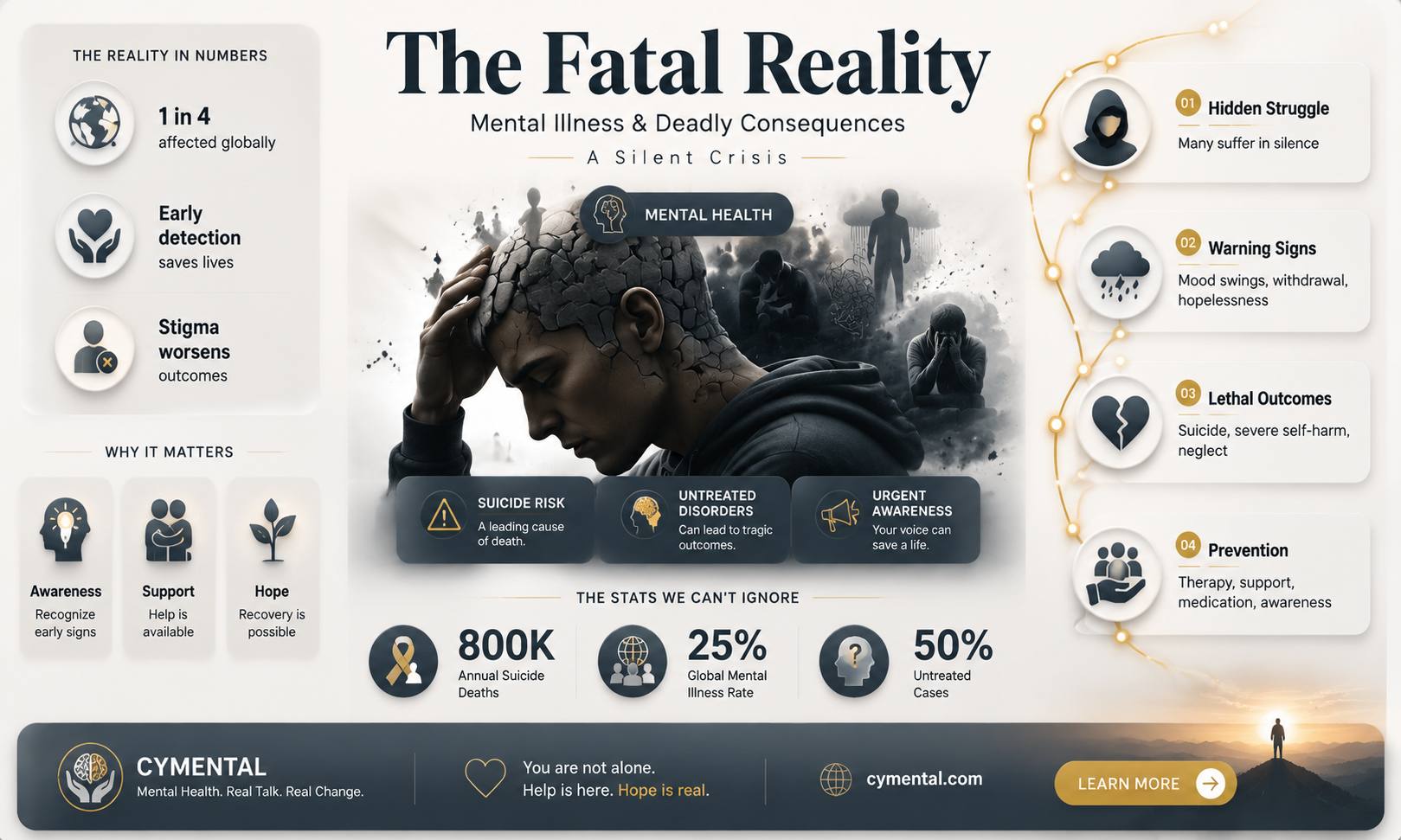
Mental illness, while often invisible, can have profound and sometimes fatal consequences. Despite growing awareness and efforts to destigmatize mental health issues, the reality is that severe mental illnesses can lead to death, either directly or indirectly. This can occur through various means, including suicide, which is a leading cause of death among individuals with mental health disorders. Additionally, the physical health complications that can arise from chronic mental illness, such as cardiovascular disease, diabetes, and compromised immune systems, can also be life-threatening. It is crucial to recognize the severity of mental health conditions and the importance of seeking timely and effective treatment to prevent such tragic outcomes.
| Characteristics | Values |
|---|---|
| Definition | Mental illness refers to a wide range of mental health conditions that affect mood, thinking, and behavior. |
| Types | Includes depression, anxiety disorders, schizophrenia, bipolar disorder, obsessive-compulsive disorder (OCD), and post-traumatic stress disorder (PTSD) among others. |
| Prevalence | Approximately 1 in 5 adults in the U.S. experience mental illness each year. |
| Causes | Complex interplay of genetic, environmental, and psychological factors. |
| Symptoms | Vary widely depending on the specific disorder but can include persistent sadness, extreme mood swings, excessive worry, hallucinations, and suicidal thoughts. |
| Diagnosis | Typically made by a mental health professional through clinical evaluation and sometimes psychological testing. |
| Treatment | Often involves psychotherapy, medication, or a combination of both. Lifestyle changes and support networks are also important. |
| Prognosis | Varies by individual and condition. Many people can manage their symptoms effectively with treatment. |
| Complications | Untreated mental illness can lead to physical health problems, substance abuse, and social isolation. |
| Prevention | Includes promoting mental health awareness, reducing stigma, and ensuring access to mental health services. |
| Fatality | While mental illness itself is not typically fatal, complications such as suicide can be life-threatening. |
| Support | Resources include mental health hotlines, support groups, and online communities. |
| Research | Ongoing studies focus on understanding the biological basis of mental illness and developing more effective treatments. |
| Public Health Impact | Mental illness is a significant public health concern due to its prevalence and impact on quality of life. |
| Policy Implications | Mental health policy aims to improve access to care, reduce stigma, and promote mental health in the community. |
What You'll Learn
- Severe Depression: Can lead to suicidal thoughts and behaviors if left untreated
- Schizophrenia: May cause delusions, hallucinations, and disorganized thinking, impacting daily life
- Bipolar Disorder: Characterized by extreme mood swings, potentially leading to risky behaviors
- Eating Disorders: Conditions like anorexia nervosa can result in severe malnutrition and organ failure
- Post-Traumatic Stress Disorder (PTSD): Can cause severe anxiety, flashbacks, and emotional distress

Severe Depression: Can lead to suicidal thoughts and behaviors if left untreated
Severe depression is a critical mental health condition that, if not properly treated, can have fatal consequences. This condition goes beyond the typical feelings of sadness or low mood; it's a persistent and pervasive disorder that affects a person's thoughts, feelings, and behaviors. One of the most alarming aspects of severe depression is its potential to lead to suicidal thoughts and behaviors. These thoughts can be intrusive and overwhelming, often leading individuals to believe that suicide is the only way to escape their emotional pain.
The risk of suicide in individuals with severe depression is significantly higher than in the general population. According to the World Health Organization, depression is a major risk factor for suicide, with approximately 60% of individuals who commit suicide having a history of depression. This statistic underscores the importance of recognizing and treating severe depression promptly and effectively.
Untreated severe depression can also lead to other serious health complications, including physical health problems like cardiovascular disease and diabetes, as well as social and occupational impairments. The condition can affect a person's ability to function in daily life, leading to difficulties in maintaining relationships, holding down a job, and even performing basic tasks.
It's crucial for individuals experiencing symptoms of severe depression to seek professional help. Treatment options typically include a combination of medication and psychotherapy. Antidepressant medications can help regulate brain chemistry and alleviate symptoms, while psychotherapy can provide individuals with the tools and strategies they need to manage their condition and improve their overall well-being.
In addition to seeking professional help, there are steps individuals can take to manage their symptoms and reduce the risk of suicidal thoughts and behaviors. These include maintaining a regular sleep schedule, engaging in regular physical activity, eating a balanced diet, and avoiding alcohol and drugs. It's also important for individuals to build a strong support network, which can include friends, family, and mental health professionals.
In conclusion, severe depression is a serious mental health condition that requires prompt and effective treatment. If left untreated, it can lead to suicidal thoughts and behaviors, as well as other serious health complications. By seeking professional help and taking steps to manage their symptoms, individuals with severe depression can improve their overall well-being and reduce the risk of fatal outcomes.
Unveiling the Telltale Signs: When to Seek Mental Health Treatment
You may want to see also
Schizophrenia: May cause delusions, hallucinations, and disorganized thinking, impacting daily life
Schizophrenia is a severe mental disorder characterized by a profound disruption in cognition and emotions. It can manifest through symptoms such as delusions, hallucinations, and disorganized thinking, which can significantly impair an individual's ability to function in daily life. Delusions are false beliefs that are firmly held despite evidence to the contrary, while hallucinations involve perceiving things that are not present. Disorganized thinking can lead to difficulties in communication and problem-solving.
The impact of schizophrenia on daily life can be extensive. Individuals may struggle with maintaining employment, forming and maintaining relationships, and managing personal care. The disorder can also lead to social isolation and a decreased quality of life. It is essential for individuals with schizophrenia to receive appropriate treatment, which often includes a combination of medication and psychotherapy, to manage their symptoms and improve their overall functioning.
While schizophrenia itself is not typically fatal, the complications associated with the disorder can increase the risk of mortality. For example, individuals with schizophrenia may be more likely to engage in risky behaviors, such as substance abuse, which can have serious health consequences. Additionally, the disorder can lead to an increased risk of suicide, particularly if left untreated or if treatment is not adhered to.
It is crucial for society to understand and address the challenges faced by individuals with schizophrenia. This includes providing access to mental health services, reducing stigma associated with mental illness, and supporting research into effective treatments. By doing so, we can help improve the lives of those affected by schizophrenia and reduce the potential risks associated with the disorder.
In conclusion, schizophrenia is a complex and challenging mental disorder that can have a significant impact on an individual's daily life. While it is not inherently fatal, the associated complications can increase the risk of mortality. Therefore, it is essential to prioritize the treatment and support of individuals with schizophrenia to improve their outcomes and overall well-being.
Understanding Self-Admission to Mental Health Facilities: A Guide
You may want to see also
Bipolar Disorder: Characterized by extreme mood swings, potentially leading to risky behaviors
Bipolar disorder is a mental health condition characterized by extreme mood swings that can range from the highs of mania to the lows of depression. These mood swings can be so severe that they disrupt daily life and lead to risky behaviors, including those that could potentially be life-threatening. For instance, during a manic episode, an individual might engage in reckless driving, unprotected sex, or excessive substance use, all of which carry significant risks to physical health and safety.
One of the critical aspects of bipolar disorder is the potential for these extreme mood states to impair judgment and decision-making abilities. When someone is in the throes of a manic episode, they may not recognize the danger of their actions or the consequences that could follow. This lack of insight can lead to situations where the individual puts themselves or others at risk, sometimes resulting in severe injuries or even fatalities.
Moreover, the depressive episodes associated with bipolar disorder can be equally dangerous. Deep depression can lead to thoughts of suicide, and the risk of suicide is significantly higher in individuals with bipolar disorder compared to the general population. It is essential to recognize the warning signs of suicidal behavior, such as talking about death, giving away possessions, or withdrawing from friends and family, and to seek immediate help if these signs are observed.
Treatment for bipolar disorder typically involves a combination of medication and psychotherapy. Mood stabilizers, such as lithium or valproate, are often used to help regulate mood swings, while antidepressants may be prescribed to manage depressive symptoms. Psychotherapy, including cognitive-behavioral therapy (CBT) and interpersonal therapy, can help individuals with bipolar disorder develop coping strategies and improve their relationships with others.
In addition to professional treatment, there are several practical steps that individuals with bipolar disorder can take to manage their condition and reduce the risk of dangerous behaviors. These include maintaining a regular sleep schedule, avoiding excessive caffeine and alcohol, engaging in regular physical activity, and building a strong support network of friends and family. By taking these steps and working closely with mental health professionals, individuals with bipolar disorder can lead fulfilling and safe lives.
Seeking Help: Who to Call When Concerned About Someone's Mental Health
You may want to see also
Eating Disorders: Conditions like anorexia nervosa can result in severe malnutrition and organ failure
Eating disorders, particularly anorexia nervosa, are severe mental health conditions that can have life-threatening physical consequences. Anorexia nervosa is characterized by a distorted body image, an intense fear of gaining weight, and a significant reduction in food intake, leading to severe malnutrition. This malnutrition can cause a range of serious health problems, including osteoporosis, anemia, and heart failure. In extreme cases, anorexia nervosa can be fatal, with studies showing that the mortality rate for individuals with this disorder is among the highest of any psychiatric condition.
The physical effects of anorexia nervosa are not limited to malnutrition. The disorder can also lead to a host of other health issues, including gastrointestinal problems, electrolyte imbalances, and hormonal disruptions. These complications can further exacerbate the risk of organ failure and death. For example, prolonged malnutrition can lead to a condition known as refeeding syndrome, which can cause sudden and severe electrolyte imbalances when an individual begins to eat again after a period of starvation. This syndrome can be life-threatening if not properly managed.
In addition to the physical risks, anorexia nervosa can also have significant psychological and emotional impacts. Individuals with this disorder often experience depression, anxiety, and social isolation, which can further complicate their recovery and increase the risk of suicide. It is crucial for healthcare providers to address both the physical and mental health needs of individuals with anorexia nervosa to provide comprehensive care and improve outcomes.
Treatment for anorexia nervosa typically involves a multidisciplinary approach, including medical care, nutritional counseling, and psychotherapy. The goal of treatment is to help individuals restore a healthy weight, address underlying psychological issues, and develop a positive relationship with food. Early intervention is key, as the longer anorexia nervosa goes untreated, the more severe the physical and psychological consequences can become. With appropriate treatment, however, many individuals with anorexia nervosa can recover and lead healthy lives.
In conclusion, anorexia nervosa is a serious eating disorder that can have severe physical and psychological consequences, including malnutrition, organ failure, and death. It is essential for healthcare providers to recognize the signs of this disorder and provide comprehensive care that addresses both the physical and mental health needs of affected individuals. Early intervention and a multidisciplinary treatment approach can significantly improve outcomes and help individuals with anorexia nervosa recover and lead fulfilling lives.
Navigating Mental Health in the Workplace: Employer's Dilemma
You may want to see also
Post-Traumatic Stress Disorder (PTSD): Can cause severe anxiety, flashbacks, and emotional distress
Post-Traumatic Stress Disorder (PTSD) is a mental health condition that can develop after experiencing or witnessing a traumatic event. While PTSD itself is not typically fatal, it can have severe consequences on a person's overall well-being and, in some cases, may contribute to a higher risk of mortality.
One of the primary concerns with PTSD is the intense emotional distress it can cause. Symptoms such as severe anxiety, flashbacks, and nightmares can significantly impact a person's quality of life. These symptoms can be so overwhelming that they may lead to suicidal thoughts or attempts, which is a critical reason why PTSD should be taken seriously and treated promptly.
Moreover, PTSD can have physical health implications. Chronic stress, which is a hallmark of PTSD, can weaken the immune system, making individuals more susceptible to illnesses. Additionally, the disorder often leads to unhealthy coping mechanisms, such as substance abuse, which can further deteriorate physical health and increase the risk of fatal outcomes.
It's also important to note that PTSD can impair cognitive functions, such as memory and concentration, which can affect a person's ability to perform daily tasks and maintain employment. This can lead to social isolation and financial instability, which are additional stressors that can exacerbate mental health issues and potentially contribute to a fatal prognosis.
In conclusion, while PTSD may not directly cause death, it can create a cascade of events and conditions that increase the risk of mortality. Therefore, it is crucial to seek professional help and support for those suffering from PTSD to mitigate these risks and improve their overall health and well-being.
Understanding Mental Health Inpatient Care Duration
You may want to see also
Frequently asked questions
Yes, mental illness can be fatal, either directly or indirectly. Directly, through conditions like anorexia nervosa which can lead to severe malnutrition and organ failure, or indirectly, through increased risk of suicide or self-harm.
Some common mental illnesses with potentially fatal consequences include depression, schizophrenia, bipolar disorder, anorexia nervosa, and borderline personality disorder. These conditions can lead to severe physical health complications or increase the risk of suicide.
Mental illness can contribute to physical health problems in several ways. For example, depression can lead to poor self-care, lack of motivation to seek medical treatment, and increased risk of chronic diseases like heart disease and diabetes. Anorexia nervosa can cause severe malnutrition, leading to organ failure and other serious health issues.
Warning signs that someone with a mental illness may be at risk of suicide include talking about wanting to die or kill themselves, making plans for suicide, withdrawing from friends and family, giving away possessions, and experiencing extreme mood swings or hopelessness.
If you suspect someone is struggling with a mental illness and may be at risk of suicide, it's important to reach out to them and offer support. Encourage them to seek professional help, listen to them without judgment, and help them develop a safety plan. In an emergency, call a suicide hotline or seek immediate medical attention.