Ava Ramirez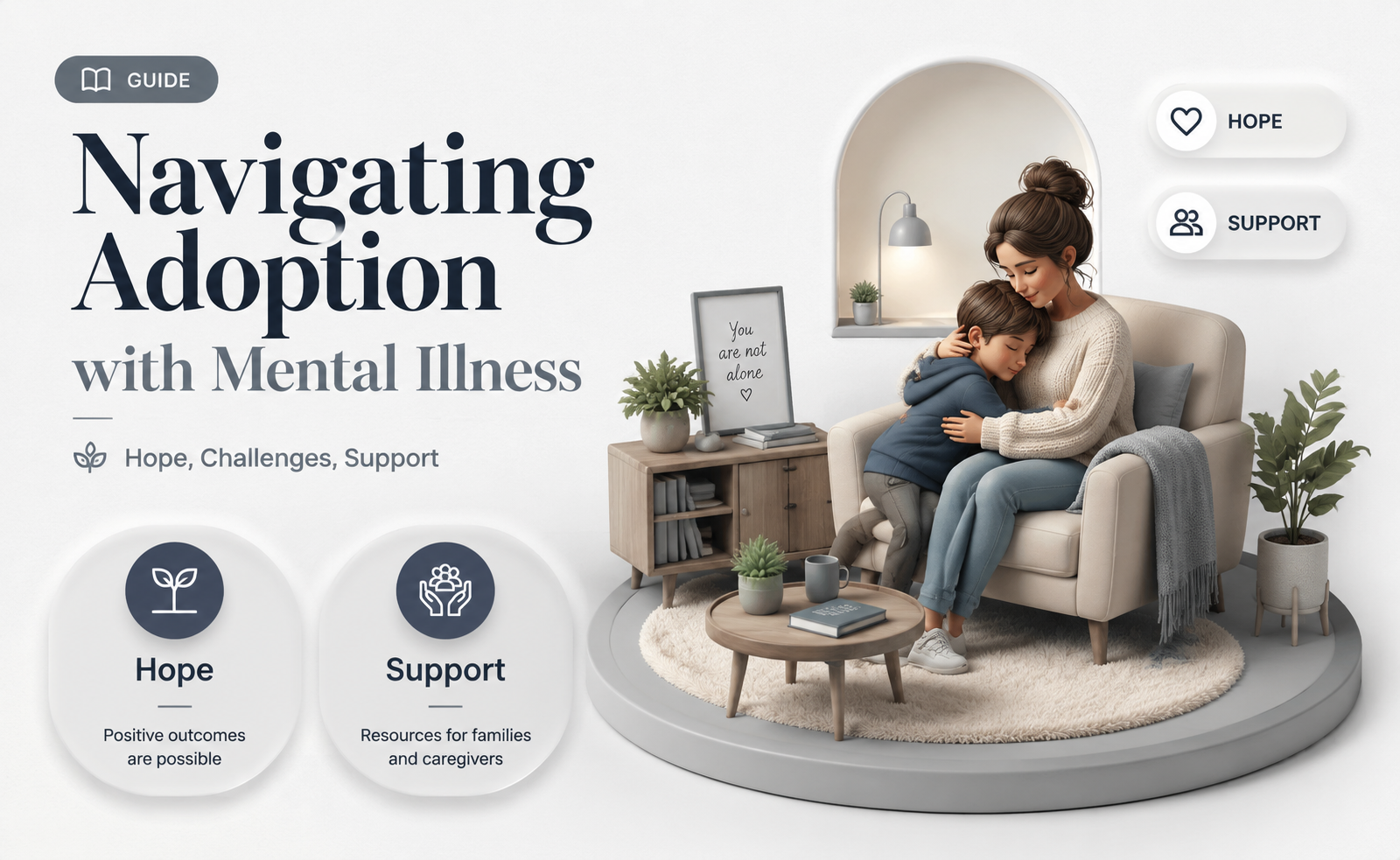
Adoption is a complex and emotionally charged process that involves various legal, social, and psychological factors. When it comes to individuals with mental illness considering adoption, there are unique challenges and considerations that must be addressed. Mental illness can impact a person's ability to provide stable and consistent care for a child, and adoption agencies often have specific requirements and assessments to ensure the prospective adoptive parent is capable of meeting the child's needs. However, it's important to note that having a mental illness does not automatically disqualify someone from adopting. Each case is evaluated individually, and with proper treatment, support, and planning, individuals with mental illness can successfully adopt and provide loving homes for children.
Explore related products


$18.49 $19.95

$20.32 $22.95


What You'll Learn
- Legal Requirements: Varies by jurisdiction; some areas may have specific regulations regarding mental health and adoption eligibility
- Adoption Agencies' Policies: Agencies may have their own criteria and assessments to evaluate potential adoptive parents with mental health conditions
- Mental Health Assessments: Prospective adoptive parents might undergo psychological evaluations to determine their ability to parent effectively
- Support Systems: Having a strong support network can be crucial for individuals with mental illness considering adoption
- Success Stories and Challenges: Real-life experiences of individuals with mental health conditions who have navigated the adoption process

Legal Requirements: Varies by jurisdiction; some areas may have specific regulations regarding mental health and adoption eligibility
Adoption laws and regulations can significantly vary from one jurisdiction to another, and this is particularly true when it comes to the eligibility of individuals with mental illnesses. While some areas may have specific regulations that address mental health conditions, others may not have any explicit guidelines, leaving the decision to the discretion of adoption agencies or judges.
In jurisdictions with specific regulations, the requirements may include a thorough mental health evaluation to assess the potential adoptive parent's ability to provide a stable and nurturing environment for the child. This evaluation may involve interviews with mental health professionals, review of medical records, and even home visits to observe the individual's daily life and interactions.
However, in areas without explicit regulations, the decision-making process can be more subjective. Adoption agencies or judges may consider a range of factors, including the severity and stability of the mental health condition, the individual's ability to manage their symptoms, and their overall capacity to parent. In some cases, individuals with mental illnesses may be required to provide additional documentation or undergo more extensive evaluations to demonstrate their fitness to adopt.
It's important to note that even in jurisdictions with specific regulations, the laws may not always be clear-cut or easy to navigate. Individuals with mental illnesses who are considering adoption may need to consult with legal professionals or adoption experts to understand the specific requirements and processes in their area. Additionally, they may need to be prepared to advocate for themselves and their ability to parent, providing evidence of their stability, support system, and commitment to the child's well-being.
Ultimately, the legal requirements for adoption eligibility in relation to mental health are complex and multifaceted. While some jurisdictions may have more explicit guidelines, others may leave the decision to the discretion of adoption professionals. Individuals with mental illnesses who are interested in adoption should be prepared to navigate a potentially challenging and subjective process, seeking support and guidance from legal and mental health professionals as needed.
Empowering Support: A Compassionate Guide to Mental Health Advocacy
You may want to see also
Explore related products


Adoption Agencies' Policies: Agencies may have their own criteria and assessments to evaluate potential adoptive parents with mental health conditions
Adoption agencies often have their own set of criteria and assessments to evaluate potential adoptive parents, particularly those with mental health conditions. These policies are designed to ensure that adoptive parents are capable of providing a stable and nurturing environment for the child. The assessments may include psychological evaluations, home visits, and interviews with the prospective parents.
The criteria used by adoption agencies can vary widely, but they typically consider factors such as the severity and stability of the mental health condition, the potential impact on parenting abilities, and the availability of support systems. Agencies may also look at the prospective parents' history of treatment and their ability to manage their condition effectively.
In some cases, adoption agencies may work with mental health professionals to develop individualized plans for prospective parents with mental health conditions. These plans may include ongoing therapy, medication management, and regular check-ins to ensure that the parents are maintaining their mental health and providing a stable environment for the child.
It's important to note that adoption agencies are not required to disclose their specific criteria and assessments to prospective parents. However, they are typically open about the general factors they consider when evaluating potential adoptive parents with mental health conditions. Prospective parents who are concerned about their mental health status should be upfront with the adoption agency and be prepared to provide documentation and participate in assessments to demonstrate their ability to parent effectively.
Ultimately, the goal of adoption agencies is to find the best possible homes for children in need. While mental health conditions can present challenges, they do not automatically disqualify someone from becoming an adoptive parent. By working with prospective parents to develop individualized plans and providing ongoing support, adoption agencies can help ensure that children are placed in loving, stable homes.
Unveiling Deception: Signs Someone May Be Faking Mental Illness
You may want to see also
Explore related products


Mental Health Assessments: Prospective adoptive parents might undergo psychological evaluations to determine their ability to parent effectively
Prospective adoptive parents often undergo mental health assessments as part of the adoption process. These evaluations are designed to determine their ability to parent effectively and provide a stable, nurturing environment for the child. Mental health assessments typically involve a series of interviews, questionnaires, and psychological tests administered by a licensed mental health professional.
The purpose of these assessments is to identify any potential mental health concerns that could impact the adoptive parents' ability to care for the child. This may include evaluating for conditions such as depression, anxiety, bipolar disorder, or personality disorders. The assessment process also aims to understand the parents' coping mechanisms, stress management skills, and overall emotional well-being.
During the assessment, prospective adoptive parents may be asked about their personal history, including any previous mental health diagnoses or treatments. They may also be asked to describe their parenting style, discipline methods, and how they plan to handle the challenges of adoption. The mental health professional will use this information, along with the results of any psychological tests, to make a determination about the parents' suitability for adoption.
It is important to note that having a mental illness does not automatically disqualify someone from adopting. Many people with mental health conditions are able to parent effectively with the right support and treatment. The key factor is whether the mental illness is well-managed and does not significantly impair the person's ability to provide a safe and stable home for the child.
In some cases, prospective adoptive parents may be required to undergo additional evaluations or provide documentation from their mental health provider to demonstrate their ability to parent effectively. This may include providing evidence of ongoing treatment, such as therapy or medication, and demonstrating a commitment to maintaining their mental health.
Ultimately, the goal of mental health assessments in the adoption process is to ensure that the child is placed in a home where they can thrive and receive the care and support they need. By evaluating the mental health of prospective adoptive parents, adoption agencies can make more informed decisions about the suitability of a placement and help to create a positive outcome for both the child and the adoptive family.
Unveiling the Telltale Signs: When to Seek Mental Health Treatment
You may want to see also
Support Systems: Having a strong support network can be crucial for individuals with mental illness considering adoption
Individuals with mental illness who are considering adoption often face unique challenges that require a robust support system. This support network can play a pivotal role in helping them navigate the complexities of the adoption process and ensure a stable environment for the child.
One crucial aspect of a strong support system is emotional support. Friends and family members can provide a listening ear, encouragement, and reassurance during the often lengthy and emotionally taxing adoption process. They can also help the individual manage stress and anxiety, which can be exacerbated by the uncertainty and scrutiny involved in adoption.
Another important component is practical support. This can include help with paperwork, transportation to appointments, and childcare during the home study process. Having a reliable support system in place can ensure that the individual is able to meet the various demands of the adoption process without becoming overwhelmed.
Financial support is also a key consideration. Adoption can be expensive, and individuals with mental illness may face additional financial challenges due to their condition. A strong support network can help with fundraising efforts, provide financial advice, and offer assistance with budgeting and planning for the costs associated with adoption.
Finally, a support system can provide advocacy and guidance. This can be particularly important for individuals with mental illness, who may face discrimination or misunderstanding from others involved in the adoption process. Having knowledgeable and supportive advocates can help ensure that the individual's rights are protected and that they receive fair treatment throughout the process.
In conclusion, a strong support system is essential for individuals with mental illness who are considering adoption. This network can provide emotional, practical, financial, and advocacy support, helping to ensure a successful and stable adoption experience for both the individual and the child.
Exploring Gun Ownership and Mental Health: A Complex Conversation
You may want to see also
Success Stories and Challenges: Real-life experiences of individuals with mental health conditions who have navigated the adoption process
Sarah, a 32-year-old woman with bipolar disorder, had always dreamed of becoming a mother. Despite her mental health condition, she was determined to adopt a child. Sarah's journey began with extensive research on the adoption process and the specific challenges that individuals with mental health conditions might face. She connected with support groups and online forums, where she found solace in the stories of others who had successfully navigated the adoption process despite their own mental health struggles.
One of the most significant challenges Sarah faced was the stigma associated with mental illness. Some adoption agencies were hesitant to work with her, fearing that her condition might impact her ability to parent effectively. However, Sarah persevered, eventually finding an agency that was willing to consider her application. She underwent a rigorous evaluation process, which included psychological assessments, home visits, and interviews with social workers.
Throughout the process, Sarah remained transparent about her mental health condition, providing detailed information about her treatment plan and how she managed her symptoms. She also enlisted the support of her psychiatrist, who wrote a letter attesting to her stability and ability to parent. After a lengthy and emotional journey, Sarah was finally matched with a birth mother and welcomed her son, Ethan, into her life.
Sarah's story is just one example of the many success stories of individuals with mental health conditions who have navigated the adoption process. However, it is important to note that each person's journey is unique, and there are no guarantees of success. The challenges can be significant, including the stigma associated with mental illness, the rigorous evaluation process, and the need to demonstrate stability and effective management of symptoms.
Despite these challenges, many individuals with mental health conditions have found joy and fulfillment through adoption. They have shown resilience, determination, and a deep commitment to providing a loving and stable home for their children. As society becomes more aware of the realities of mental health conditions and the importance of inclusivity, it is hoped that the adoption process will become more accessible and supportive for all individuals, regardless of their mental health status.
Breaking Free: Strategies to Confront Mental Torture and Reclaim Your Peace
You may want to see also
Frequently asked questions
The eligibility to adopt a child varies by country and jurisdiction. In many places, having a mental illness does not automatically disqualify someone from adopting, but they may need to provide documentation from a mental health professional to demonstrate their ability to care for a child.
Factors that could affect the adoption process include the type and severity of the mental illness, the individual's treatment plan and adherence to it, their support system, and their ability to provide a stable and nurturing environment for a child.
Requirements can vary, but often include a thorough home study, interviews with a social worker, and possibly a psychological evaluation to assess the individual's fitness to parent. The prospective adoptive parent may also need to provide references and demonstrate financial stability.
Resources include mental health professionals who can provide assessments and support, adoption agencies that specialize in working with individuals with mental health challenges, and support groups for adoptive parents with mental illnesses. Additionally, many countries have legal aid services that can assist with the adoption process.