 Noah Parker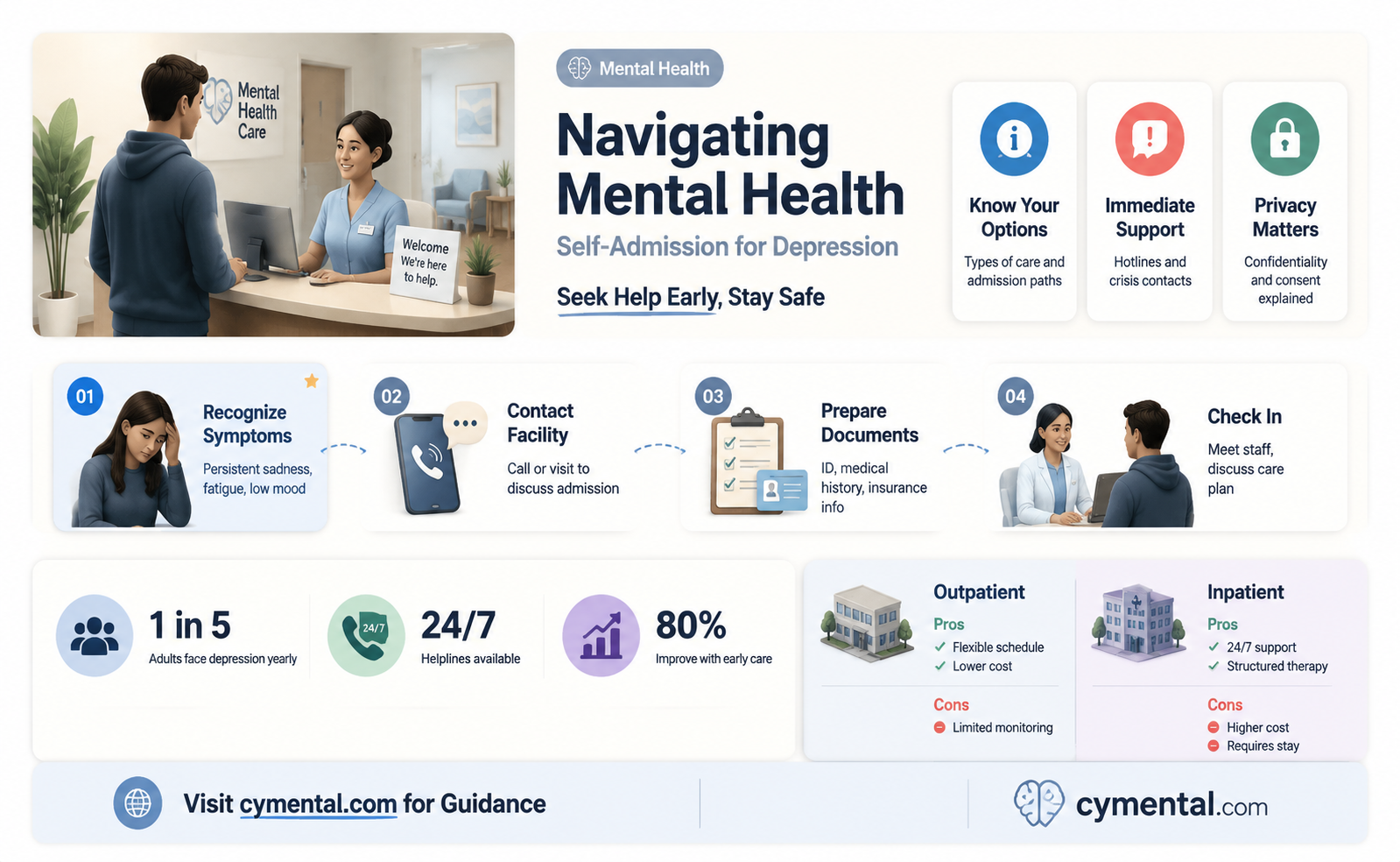
The question of whether one can check themselves into a mental hospital for depression is a significant and sensitive topic. It touches upon issues of mental health, personal autonomy, and the availability of psychiatric care. In many countries, individuals experiencing severe depression or other mental health crises have the option to seek inpatient treatment at a psychiatric hospital. This can be a crucial step towards recovery, providing a safe environment, intensive therapy, and medication management. However, the process and criteria for admission can vary widely depending on the jurisdiction, the individual's insurance coverage, and the availability of hospital beds. It's important to approach this topic with empathy and understanding, recognizing the courage it takes for someone to seek help during a difficult time.
Explore related products


What You'll Learn
- Admission Process: Understanding the steps and criteria for self-admission to a psychiatric facility
- Types of Treatment: Exploring the various therapies and medications available for depression in a hospital setting
- Length of Stay: Factors influencing the duration of hospitalization for depression treatment
- Costs and Insurance: Financial considerations and insurance coverage for mental health hospital stays
- Alternatives to Hospitalization: Outpatient treatment options and support resources for managing depression without hospitalization

Admission Process: Understanding the steps and criteria for self-admission to a psychiatric facility
The admission process to a psychiatric facility for self-referred patients, particularly those seeking treatment for depression, involves several critical steps and criteria. It begins with an initial assessment, often conducted over the phone or in person, to determine the severity of symptoms and the appropriateness of inpatient care. This assessment is typically carried out by a mental health professional who will ask about the patient's symptoms, medical history, and any previous psychiatric treatments.
Following the initial assessment, if inpatient admission is deemed necessary, the patient will be required to complete a series of forms and provide detailed information about their medical and psychiatric history. This may include signing consent forms for treatment, providing insurance information, and listing emergency contacts. The patient will also undergo a physical examination and possibly laboratory tests to rule out any underlying medical conditions that could be contributing to their symptoms.
Once admitted, the patient will be evaluated by a psychiatrist who will develop a personalized treatment plan. This plan may include medication, therapy, and other interventions tailored to the patient's specific needs. The patient will also be introduced to the facility's rules and regulations, including visiting hours, meal times, and expectations for participation in treatment activities.
Throughout the admission process, it is essential for patients to be honest and forthcoming about their symptoms and history. This information will help the treatment team develop an effective plan for addressing the patient's needs and ensuring their safety and well-being during their stay at the facility.
In conclusion, the admission process to a psychiatric facility for self-referred patients with depression involves a thorough assessment, completion of necessary forms, a physical examination, and the development of a personalized treatment plan. By understanding these steps and criteria, patients can better prepare themselves for the process and ensure they receive the care they need.
Understanding Mental Health Inpatient Care Duration
You may want to see also
Explore related products

$9.99 $17.95


Types of Treatment: Exploring the various therapies and medications available for depression in a hospital setting
In a hospital setting, the treatment for depression can vary widely depending on the severity of the condition, the patient's medical history, and their individual needs. One common approach is cognitive-behavioral therapy (CBT), which helps patients identify and change negative thought patterns and behaviors. CBT is often conducted in individual or group sessions and can be particularly effective for mild to moderate depression.
For more severe cases, medication may be necessary. Antidepressants such as selective serotonin reuptake inhibitors (SSRIs) and tricyclic antidepressants (TCAs) are commonly prescribed. SSRIs, which include drugs like fluoxetine and sertraline, work by increasing the levels of serotonin in the brain, a neurotransmitter that helps regulate mood. TCAs, such as amitriptyline and imipramine, affect multiple neurotransmitters and can be effective when SSRIs are not. It's important to note that medication should always be prescribed and monitored by a qualified healthcare professional, as it can have side effects and may not be suitable for everyone.
In some cases, more intensive therapies may be required. Electroconvulsive therapy (ECT) is a procedure where electrical currents are passed through the brain to stimulate nerve cells and can be effective for severe depression that has not responded to other treatments. Another option is transcranial magnetic stimulation (TMS), which uses magnetic fields to stimulate areas of the brain involved in mood regulation. Both ECT and TMS are typically administered in a hospital or clinic setting and require careful monitoring.
It's also important to consider the role of lifestyle changes and alternative therapies in treating depression. Regular exercise, a healthy diet, and sufficient sleep can all have a positive impact on mood. Some patients may also benefit from alternative therapies such as acupuncture, yoga, or mindfulness meditation. These approaches can be used in conjunction with traditional treatments to provide a more holistic approach to managing depression.
Ultimately, the most effective treatment for depression will depend on the individual patient and their unique circumstances. A healthcare professional will work with the patient to develop a personalized treatment plan that takes into account their symptoms, medical history, and personal preferences. By exploring the various therapies and medications available, patients can find the approach that works best for them and take steps towards recovery.
Taking the First Step: Self-Admission to a Mental Health Facility
You may want to see also
Explore related products


Length of Stay: Factors influencing the duration of hospitalization for depression treatment
The length of stay in a mental hospital for depression treatment can vary significantly based on several factors. One primary influence is the severity of the depression. Patients with more severe symptoms, such as suicidal ideation or psychosis, may require longer stays to ensure their safety and stabilize their condition. Conversely, those with milder forms of depression might only need a few days of intensive therapy and medication adjustment.
Another critical factor is the patient's response to treatment. Some individuals may respond quickly to antidepressant medications and therapy, allowing for a shorter hospital stay. Others may require more time for their treatment plan to take effect, necessitating a longer duration of inpatient care. The presence of co-occurring disorders, such as anxiety or substance abuse, can also prolong the length of stay, as these conditions may need to be addressed concurrently with the depression.
The availability of support systems outside the hospital can also impact the length of stay. Patients with strong family or community support may be able to leave the hospital sooner, as they have resources to help them continue their recovery at home. In contrast, those without adequate support systems may need to stay longer to ensure they have a stable environment to return to.
Additionally, the type of treatment program offered by the hospital can influence the duration of the stay. Some hospitals may provide more intensive, short-term programs designed to quickly stabilize patients and prepare them for outpatient care. Others may offer longer-term programs that focus on more comprehensive treatment and skill-building. The choice of program will depend on the individual patient's needs and the hospital's resources.
In summary, the length of stay in a mental hospital for depression treatment is influenced by a complex interplay of factors, including the severity of the depression, the patient's response to treatment, the presence of co-occurring disorders, the availability of support systems, and the type of treatment program offered. Understanding these factors can help patients and healthcare providers make informed decisions about the appropriate duration of inpatient care for depression treatment.
Exploring Mental Health Facilities: A Guide to Phone-Friendly Hospitals
You may want to see also
Costs and Insurance: Financial considerations and insurance coverage for mental health hospital stays
The cost of a mental health hospital stay can vary widely depending on several factors, including the type of facility, the length of stay, and the treatments provided. Inpatient care at a private psychiatric hospital can cost anywhere from $10,000 to $30,000 or more per month, while stays at public or community hospitals may be significantly less expensive. It's important to note that these costs can add up quickly, especially for longer stays or multiple hospitalizations.
Insurance coverage for mental health hospital stays also varies depending on the specific policy and provider. Many health insurance plans cover mental health services, but the extent of coverage and the out-of-pocket costs to the patient can differ significantly. Some plans may have limits on the number of days covered or require pre-authorization for certain treatments. It's essential to review your insurance policy carefully and contact your provider to understand your coverage options and any potential limitations.
For those without insurance, there are still options available. Many hospitals offer financial assistance programs or sliding scale fees based on income. Additionally, Medicaid and Medicare cover mental health services for eligible individuals. It's crucial to explore all available resources and options to help manage the financial burden of a mental health hospital stay.
When considering the financial aspects of a mental health hospital stay, it's also important to factor in the potential long-term benefits. While the initial costs may seem daunting, inpatient care can provide critical support and treatment that can lead to improved mental health outcomes and a better quality of life. By understanding the costs and insurance coverage options, individuals can make informed decisions about their care and take steps to manage the financial impact of their treatment.
Understanding Voluntary Admission to Psychiatric Facilities: A Guide
You may want to see also
Alternatives to Hospitalization: Outpatient treatment options and support resources for managing depression without hospitalization
Outpatient treatment options provide a viable alternative to hospitalization for managing depression. These programs typically involve regular therapy sessions, medication management, and support groups. Intensive outpatient programs (IOPs) offer a higher level of care, with multiple therapy sessions per week and access to psychiatric services. Partial hospitalization programs (PHPs) provide a structured environment for treatment during the day, allowing patients to return home in the evenings.
Support resources such as online therapy platforms, mobile apps, and peer support groups can also play a crucial role in managing depression. These resources offer convenience, accessibility, and anonymity, making them appealing to those who may be hesitant to seek traditional treatment. Online therapy platforms like BetterHelp and Talkspace connect users with licensed therapists, while apps like Calm and Headspace provide meditation and mindfulness exercises. Peer support groups, both online and in-person, offer a sense of community and understanding for those struggling with depression.
In addition to these structured programs and resources, lifestyle changes can also support depression management. Regular exercise, a balanced diet, and adequate sleep are essential for maintaining mental health. Mindfulness practices, such as meditation and yoga, can help reduce stress and improve mood. Engaging in activities that bring joy and fulfillment, such as hobbies or volunteering, can also contribute to overall well-being.
It's important to note that while these alternatives can be effective, they may not be suitable for everyone. Those with severe depression or suicidal thoughts may require more intensive treatment, such as hospitalization. It's crucial to consult with a mental health professional to determine the best course of treatment for individual needs.
In conclusion, outpatient treatment options and support resources offer a range of alternatives to hospitalization for managing depression. These options provide flexibility, accessibility, and a variety of approaches to support mental health. By exploring these alternatives, individuals can find the care and support they need to manage their depression effectively.
Understanding Involuntary Commitment Durations in Michigan Mental Health Facilities
You may want to see also
Frequently asked questions
Yes, in many cases, individuals can voluntarily admit themselves to a mental health facility if they are experiencing severe symptoms of depression or other mental health conditions.
The process typically involves contacting the hospital or mental health facility directly, either by phone or in person, and expressing the need for immediate assistance. A mental health professional will then assess the individual's condition and determine if admission is necessary.
Upon admission, the individual will undergo a thorough evaluation by a psychiatrist or other mental health professional. A treatment plan will be developed, which may include medication, therapy, and other interventions. The length of stay will vary depending on the individual's needs and progress.
Yes, there are several alternatives to hospitalization, including outpatient therapy, medication management, support groups, and crisis hotlines. In some cases, intensive outpatient programs or partial hospitalization may be recommended.
If you are experiencing severe symptoms of depression, such as persistent feelings of hopelessness, worthlessness, or thoughts of suicide, it may be necessary to seek immediate help. Other signs may include significant changes in appetite or sleep, loss of interest in activities, or difficulty functioning in daily life.
