Noah Parker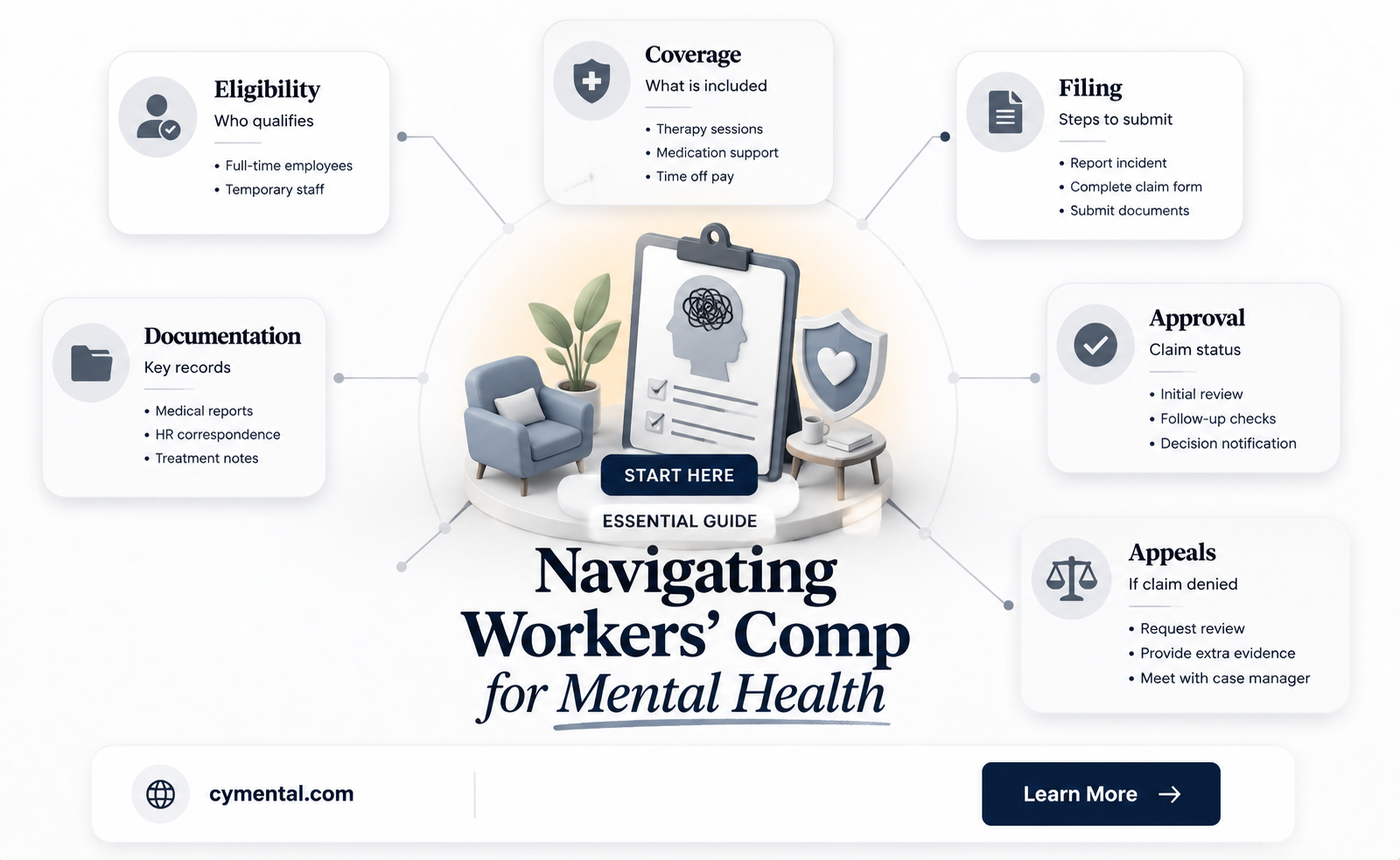
Workers' compensation is a crucial aspect of occupational health and safety, providing financial support and medical benefits to employees who suffer work-related injuries or illnesses. While physical injuries are often the focus, mental health issues can also be covered under workers' compensation, albeit with varying degrees of recognition and support across different jurisdictions. This topic explores the complexities of obtaining workers' compensation for mental health conditions, including the challenges of proving a direct link between employment and mental health issues, the types of mental health conditions typically covered, and the importance of advocating for comprehensive mental health support in the workplace.
| Characteristics | Values |
|---|---|
| Type of Injury | Mental Health |
| Coverage | Varies by state and policy |
| Eligibility | Typically requires a diagnosis and evidence of work-related cause |
| Benefits | May include therapy, medication, and lost wages |
| Process | Often requires filing a claim with the employer's insurance provider |
| Timeframe | Benefits may be temporary or long-term, depending on the case |
| Legal Representation | May be advisable to consult with a workers' compensation attorney |
Explore related products


What You'll Learn
- Eligibility Criteria: Understand the requirements to qualify for mental health coverage under workers' compensation
- Types of Mental Health Conditions Covered: Explore which mental health issues are typically included in workers' comp benefits
- Documentation and Evidence: Learn about the necessary paperwork and proof needed to support a mental health claim
- Filing a Claim: Step-by-step guidance on how to file a workers' comp claim for mental health issues
- Appealing a Denial: Strategies and procedures for appealing a denied mental health claim under workers' compensation

Eligibility Criteria: Understand the requirements to qualify for mental health coverage under workers' compensation
To qualify for mental health coverage under workers' compensation, an individual must meet specific eligibility criteria. These criteria typically include having a diagnosed mental health condition that is directly related to the workplace or work-related activities. The condition must be severe enough to impact the individual's ability to perform their job duties. Additionally, the individual must have sought medical treatment for their condition and provide documentation of their diagnosis and treatment plan.
It's important to note that eligibility criteria can vary by state and employer, so it's essential to review the specific requirements outlined by your employer's workers' compensation policy. Some policies may have exclusions for certain types of mental health conditions or may require additional documentation or evaluations. Understanding these criteria is crucial for navigating the workers' compensation system and ensuring that you receive the necessary support and benefits for your mental health condition.
In some cases, individuals may need to provide evidence that their mental health condition was caused by a work-related incident or exposure. This can involve obtaining statements from witnesses, medical records, or other documentation that supports the claim. It's also important to be aware of any deadlines or time limitations for filing a workers' compensation claim, as these can vary by state and employer.
Navigating the workers' compensation system can be complex, especially when it comes to mental health coverage. It's recommended that individuals seek guidance from a qualified attorney or mental health professional who can help them understand their rights and options. With the right support and information, individuals can increase their chances of successfully qualifying for mental health coverage under workers' compensation.
Navigating the VA Disability Claims Process for Depression: A Comprehensive Guide
You may want to see also
Explore related products


Types of Mental Health Conditions Covered: Explore which mental health issues are typically included in workers' comp benefits
Workers' compensation benefits can cover a range of mental health conditions, but the specific types of conditions included can vary by jurisdiction and policy. Generally, mental health conditions that are directly related to a workplace injury or occupational exposure are more likely to be covered. For example, post-traumatic stress disorder (PTSD) resulting from a traumatic workplace incident, such as a physical assault or a life-threatening situation, is often included in workers' comp benefits. Similarly, anxiety or depression that develops as a result of a work-related injury or chronic occupational stress may also be covered.
However, it's important to note that not all mental health conditions are automatically covered under workers' comp. Conditions that are considered pre-existing or unrelated to the workplace are typically excluded. Additionally, some policies may have specific exclusions for certain mental health conditions, such as substance abuse disorders or personality disorders.
To determine which mental health conditions are covered under a specific workers' comp policy, it's essential to review the policy documents carefully. Look for language that explicitly mentions mental health conditions or refers to them indirectly through terms like "psychiatric disorders" or "mental illness." If the policy is unclear or ambiguous, it may be necessary to consult with a legal professional or a workers' comp claims adjuster for clarification.
In some cases, workers may need to provide medical evidence to support their claim for mental health benefits under workers' comp. This may include documentation from a mental health professional diagnosing the condition and linking it to the workplace injury or exposure. Workers should be prepared to provide detailed information about their symptoms, treatment history, and any other relevant medical information.
Navigating the workers' comp system can be complex, especially when it comes to mental health benefits. Workers should be aware of their rights and the specific requirements of their policy to ensure they receive the benefits they are entitled to. Seeking guidance from a legal professional or a workers' comp advocate can be helpful in understanding the process and maximizing the chances of a successful claim.
Navigating the Complex Process: Helping Mentally Ill Individuals Leave Jail
You may want to see also
Explore related products


Documentation and Evidence: Learn about the necessary paperwork and proof needed to support a mental health claim
To successfully support a mental health claim for workers' compensation, it is crucial to gather comprehensive documentation and evidence. This process involves collecting various types of paperwork and proof that substantiate the claim and demonstrate the impact of work-related factors on the individual's mental health.
The first step is to obtain medical records from a licensed mental health professional. These records should include a diagnosis, treatment plan, and any relevant notes or observations. It is essential to ensure that the medical professional is aware of the workers' compensation claim and can provide detailed documentation that links the mental health condition to the workplace.
In addition to medical records, it is important to gather any available workplace documentation that may support the claim. This can include emails, memos, performance reviews, or any other written communication that demonstrates the work-related stressors or incidents that contributed to the mental health condition. It is also helpful to obtain statements from coworkers or supervisors who can attest to the individual's work environment and any potential factors that may have affected their mental health.
Another key aspect of documentation is keeping a detailed journal of symptoms and their impact on daily life. This journal can serve as a valuable piece of evidence that demonstrates the progression of the mental health condition and its effect on the individual's ability to work. It is important to record any changes in symptoms, triggers, and coping mechanisms, as well as any missed workdays or reduced productivity due to the condition.
Finally, it is essential to be aware of any specific requirements or deadlines for submitting documentation and evidence for a workers' compensation claim. This information can typically be found on the workers' compensation board's website or by contacting the claims adjuster directly. By ensuring that all necessary paperwork and proof are submitted in a timely and organized manner, individuals can increase their chances of successfully supporting their mental health claim for workers' compensation.
Overcoming Mental Hurdles in Tumbling: A Guide to Unblock Your Potential
You may want to see also
Explore related products



Filing a Claim: Step-by-step guidance on how to file a workers' comp claim for mental health issues
To file a workers' compensation claim for mental health issues, it's crucial to understand the process and gather all necessary documentation. Begin by notifying your employer of your intention to file a claim, ensuring you do so within the required timeframe, which varies by state. Typically, this involves submitting a written notice or using a specific form provided by your employer or state's workers' compensation board.
Next, seek medical attention from a qualified mental health professional who can diagnose your condition and provide treatment. Keep detailed records of all appointments, treatments, and medications prescribed. It's also important to document any communication with your employer regarding your claim, including emails, letters, and phone calls.
Once you have gathered all necessary documentation, fill out the appropriate claim form, which can usually be found on your state's workers' compensation board website. Be sure to include all relevant information, such as your personal details, employer information, and a detailed description of your mental health condition and how it relates to your work.
After submitting your claim, be prepared for a review process, which may involve an investigation by an adjuster or an examination by an independent medical professional. During this time, it's essential to continue seeking treatment and following your healthcare provider's recommendations.
If your claim is approved, you may be eligible for benefits such as medical expenses, lost wages, and vocational rehabilitation. However, if your claim is denied, you have the right to appeal the decision through your state's workers' compensation board.
Throughout the process, it's important to remain patient and persistent, as filing a workers' compensation claim for mental health issues can be complex and time-consuming. Seeking support from a workers' compensation attorney or a mental health advocate can also be beneficial in navigating the process and ensuring you receive the benefits you deserve.
Navigating the Legal Process for a Court-Ordered Mental Health Evaluation
You may want to see also
Explore related products


Appealing a Denial: Strategies and procedures for appealing a denied mental health claim under workers' compensation
If your mental health claim under workers' compensation has been denied, it's crucial to understand the appeals process. The first step is to carefully review the denial letter to comprehend the specific reasons for the rejection. This will help you tailor your appeal to address those concerns effectively.
Next, gather all relevant documentation to support your claim, including medical records, therapist notes, and any correspondence with your employer or insurance provider. It's essential to have a comprehensive file that demonstrates the legitimacy of your mental health condition and its connection to your workplace.
When preparing your appeal, consider seeking assistance from a workers' compensation attorney who specializes in mental health claims. They can provide valuable guidance on the legal aspects of the appeals process and help you craft a strong argument.
In your appeal, be sure to clearly articulate how your mental health condition is related to your job duties and why you believe the denial was unjust. Use specific examples and evidence from your documentation to support your case. It's also important to remain calm and professional in your appeal, focusing on the facts rather than emotions.
Finally, be aware of the deadlines and procedures for filing an appeal, as these can vary depending on your state and the specific workers' compensation system. By understanding the process and presenting a well-supported case, you can increase your chances of successfully appealing a denied mental health claim under workers' compensation.
Navigating the Process: Securing Disability Benefits for Mental Health Conditions
You may want to see also
Frequently asked questions
Yes, in many cases, workers' compensation can cover mental health issues if they are work-related. This may include conditions such as stress, anxiety, depression, or post-traumatic stress disorder (PTSD) that develop due to workplace events or conditions.
Examples include experiencing a traumatic event at work, such as a physical assault or a life-threatening situation, prolonged exposure to high-stress work environments, or repetitive and harassing behaviors by coworkers or supervisors.
To file a workers' compensation claim for a mental health issue, you typically need to report the issue to your employer, seek medical attention from a qualified mental health professional, and then file the necessary paperwork with your state's workers' compensation board. It's important to document all related medical expenses and lost wages due to your mental health condition.