Noah Parker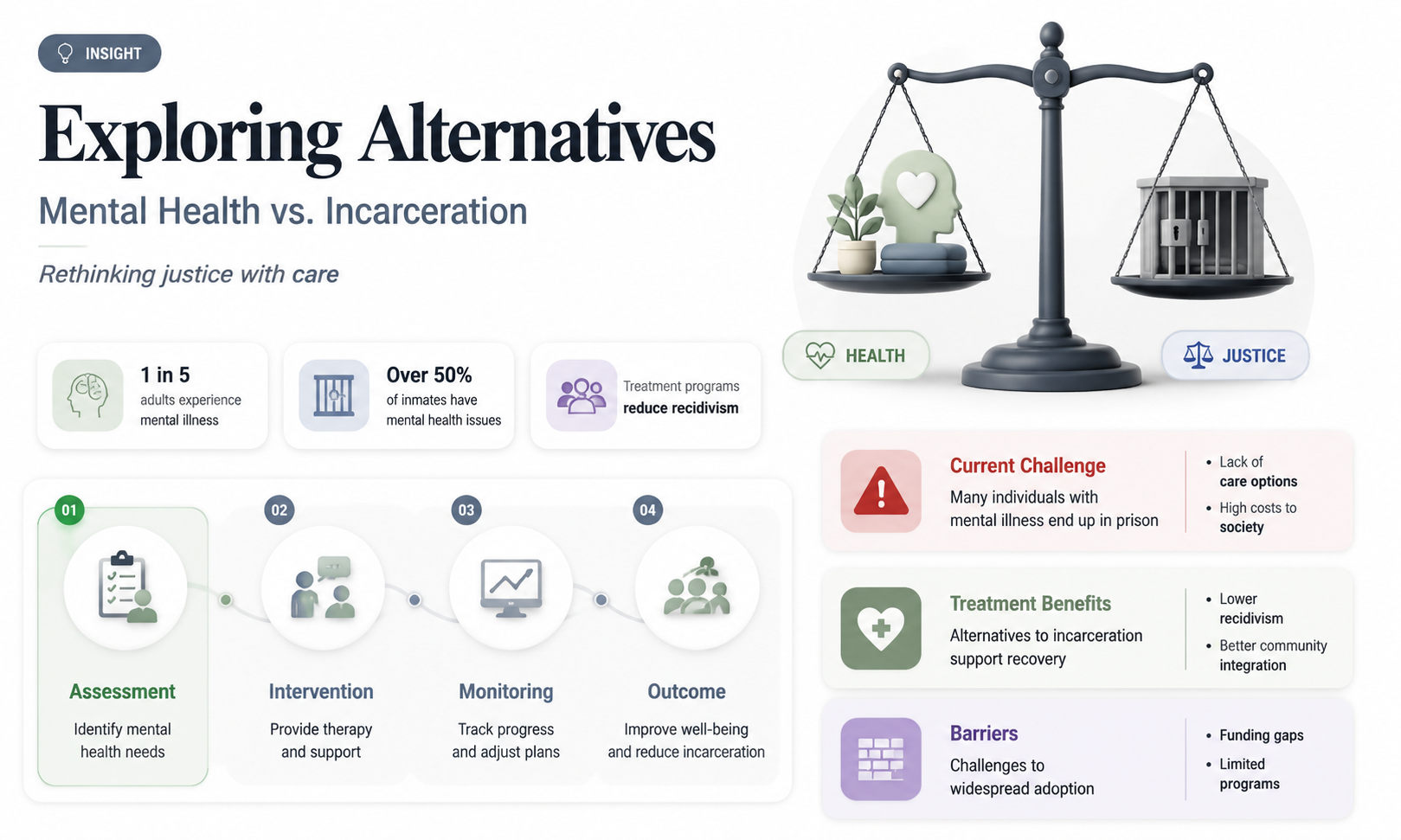
The question of whether one can be sent to a mental hospital instead of jail is a complex and sensitive issue that intersects the realms of law, mental health, and social policy. In many jurisdictions, the legal system has provisions for diverting individuals who have committed crimes but are deemed mentally ill to psychiatric facilities rather than traditional prisons. This approach is often considered more humane and therapeutic, aiming to address the underlying mental health issues that may have contributed to the criminal behavior. However, the criteria for such diversion can be stringent, and the process is typically subject to judicial discretion. Factors such as the severity of the crime, the individual's mental health history, and the availability of appropriate psychiatric care facilities all play a role in determining the outcome.
| Characteristics | Values |
|---|---|
| Legal Framework | Varies by jurisdiction; some laws allow for mental health evaluations and treatment as an alternative to incarceration |
| Eligibility Criteria | Typically reserved for individuals with severe mental health conditions that significantly impair judgment and behavior |
| Evaluation Process | Involves assessments by mental health professionals to determine the individual's mental state and suitability for treatment |
| Treatment Options | May include inpatient care, outpatient treatment, therapy, and medication management |
| Duration of Treatment | Can vary widely depending on the individual's condition and progress; may be short-term or long-term |
| Cost | Often covered by government funding or insurance, but out-of-pocket expenses may apply |
| Stigma | Mental health treatment may carry less stigma than incarceration, but perceptions can vary |
| Impact on Criminal Record | May not result in a criminal record, but documentation of the incident and treatment may be maintained |
| Availability | Not universally available; depends on the jurisdiction and resources of the mental health system |
| Success Rates | Success rates can vary; some individuals may benefit greatly from treatment, while others may not respond as well |
Explore related products

What You'll Learn
- Legal Alternatives: Exploring legal options for mental health treatment instead of incarceration
- Mental Health Evaluation: Assessing individuals to determine if they are fit for trial or require treatment
- Diversion Programs: Examining programs that redirect individuals from the criminal system to mental health services
- Incarceration vs. Treatment: Debating the effectiveness of jail versus mental hospitals for certain offenders
- Support Systems: Discussing the role of community and family support in mental health recovery and legal processes

Legal Alternatives: Exploring legal options for mental health treatment instead of incarceration
In the realm of criminal justice, there is a growing recognition of the need to address mental health issues among offenders. Legal alternatives to incarceration, such as mental health treatment, are increasingly being explored as a means to rehabilitate individuals and reduce recidivism. This approach not only benefits the individuals receiving treatment but also alleviates the burden on the prison system and promotes public safety.
One such legal alternative is the use of mental health courts. These specialized courts divert individuals with mental health issues from the traditional criminal justice system and into treatment programs. The goal is to provide offenders with the necessary support and resources to address their mental health needs, thereby reducing the likelihood of future criminal behavior. Mental health courts often involve collaboration between judges, mental health professionals, and community organizations to ensure that individuals receive comprehensive care and supervision.
Another option is the implementation of forensic assertive community treatment (FACT) programs. These programs provide intensive community-based services to individuals with serious mental illnesses who are involved in the criminal justice system. FACT teams typically consist of psychiatrists, social workers, and other mental health professionals who work closely with clients to develop individualized treatment plans. By providing ongoing support and monitoring, FACT programs aim to stabilize individuals in the community and prevent them from reoffending.
Furthermore, some jurisdictions have established psychiatric diversion programs, which allow individuals charged with nonviolent crimes to undergo psychiatric evaluation and treatment instead of facing criminal charges. These programs often require individuals to complete a specified period of treatment and demonstrate compliance with their treatment plan in order to avoid prosecution. Psychiatric diversion programs not only provide individuals with the help they need but also help to reduce the number of people entering the prison system.
In addition to these formal programs, there is a growing trend towards the use of alternative sentencing options, such as probation with mental health conditions. This approach allows individuals to remain in the community under supervision while receiving mental health treatment. Probation officers work closely with mental health providers to ensure that individuals are complying with their treatment plans and making progress towards recovery.
Overall, legal alternatives to incarceration for mental health treatment offer a promising approach to addressing the complex issues surrounding mental illness and criminal justice. By providing individuals with the support and resources they need to address their mental health issues, these alternatives can help to reduce recidivism, alleviate the burden on the prison system, and promote public safety.
Understanding Mental Health Care Options for Children Under 12
You may want to see also
Mental Health Evaluation: Assessing individuals to determine if they are fit for trial or require treatment
A mental health evaluation is a critical process used to assess whether an individual is fit to stand trial or requires treatment in a mental health facility. This evaluation is typically conducted by a qualified mental health professional, such as a psychiatrist or psychologist, who examines the individual's mental state, cognitive functioning, and ability to understand and participate in legal proceedings.
The evaluation process may involve several steps, including a thorough review of the individual's medical and psychiatric history, a clinical interview, and the administration of psychological tests or assessments. The evaluator will also consider any relevant legal criteria or standards that apply to the individual's case, such as the insanity defense or the criteria for involuntary commitment.
One of the key considerations in a mental health evaluation is the individual's ability to understand the charges against them and to assist in their own defense. This is often referred to as "fitness to stand trial" or "competency to stand trial." If the evaluator determines that the individual is not fit to stand trial, they may recommend that the individual be committed to a mental health facility for treatment until they are deemed competent.
In some cases, the evaluation may also involve an assessment of the individual's risk to themselves or others. This is particularly important in cases where the individual has a history of violence or self-harm, or where there are concerns about their potential to reoffend. The evaluator may use risk assessment tools or consider other relevant factors, such as the individual's criminal history, substance abuse, and social support system.
The outcome of a mental health evaluation can have significant implications for the individual's legal case and their future. If the individual is found to be fit to stand trial, they will proceed with the legal process as usual. However, if they are deemed unfit or a risk to themselves or others, they may be diverted to a mental health facility for treatment, which can potentially impact their criminal charges or sentencing.
In conclusion, a mental health evaluation is a complex and nuanced process that requires careful consideration of both the individual's mental state and the legal implications of their case. By providing a thorough and objective assessment, mental health professionals can help ensure that individuals receive appropriate treatment and that the legal system operates fairly and justly.
Orson's Enigmatic Encounter: Unraveling the Mental Hospital Mystery
You may want to see also
Diversion Programs: Examining programs that redirect individuals from the criminal system to mental health services
Diversion programs represent a critical intersection between the criminal justice system and mental health services. These initiatives are designed to redirect individuals who might otherwise face incarceration towards more appropriate mental health treatment. By doing so, they aim to address the underlying issues that contribute to criminal behavior, rather than simply punishing the symptoms.
One of the key components of diversion programs is the assessment process. This involves a thorough evaluation of the individual to determine the nature and extent of their mental health needs. The assessment is typically conducted by trained mental health professionals who can identify specific conditions, such as schizophrenia, bipolar disorder, or substance abuse, that may be contributing to the individual's involvement in the criminal system.
Once an individual is deemed eligible for a diversion program, they are typically required to participate in a structured treatment plan. This may include a combination of inpatient and outpatient services, medication management, therapy sessions, and support groups. The goal of these interventions is to stabilize the individual's mental health, reduce the risk of reoffending, and facilitate their successful reintegration into the community.
Diversion programs also often involve collaboration between various stakeholders, including law enforcement, prosecutors, defense attorneys, and mental health providers. This multidisciplinary approach ensures that all parties are working towards the same goal of providing appropriate care and support to the individual while also maintaining public safety.
Research has shown that diversion programs can be highly effective in reducing recidivism rates and improving outcomes for individuals with mental health issues. By addressing the root causes of criminal behavior, these programs can help break the cycle of incarceration and provide a pathway towards recovery and rehabilitation.
In conclusion, diversion programs offer a promising alternative to traditional criminal justice approaches for individuals with mental health needs. By providing targeted treatment and support, these programs can improve public safety, reduce the burden on the criminal justice system, and enhance the overall well-being of those involved.
Navigating Mental Health: Self-Admission to Psychiatric Care
You may want to see also
Incarceration vs. Treatment: Debating the effectiveness of jail versus mental hospitals for certain offenders
The debate between incarceration and treatment for certain offenders is a complex and contentious issue within the criminal justice system. While some argue that jail is the appropriate punishment for all crimes, others contend that mental hospitals can provide more effective rehabilitation for individuals with mental health issues. The effectiveness of each approach depends on various factors, including the nature of the offense, the offender's mental health status, and the availability of resources.
One unique angle to consider is the impact of trauma on offenders and how it may influence their behavior. Many individuals who commit crimes have experienced significant trauma in their lives, which can contribute to mental health issues such as post-traumatic stress disorder (PTSD), depression, and anxiety. Incarceration may exacerbate these conditions, as the prison environment can be triggering and lacks the necessary mental health support. On the other hand, mental hospitals can provide a safe and therapeutic environment where offenders can address their trauma and learn coping mechanisms.
Another important consideration is the cost-effectiveness of each approach. Incarceration is a costly endeavor, with the average annual cost of housing an inmate in the United States exceeding $30,000. In contrast, mental hospitals can provide treatment at a lower cost, especially when considering the long-term benefits of rehabilitation. However, the availability of mental health resources and the quality of care can vary significantly, which may impact the overall effectiveness of treatment.
Ultimately, the decision between incarceration and treatment should be made on a case-by-case basis, taking into account the individual circumstances of each offender. While jail may be the appropriate punishment for some, mental hospitals can offer a more effective and humane approach for others, particularly those with mental health issues. By addressing the root causes of criminal behavior, such as trauma and mental illness, we can work towards reducing recidivism and creating a more just and compassionate criminal justice system.
Exploring Mental Health Facilities: A Guide to Phone-Friendly Hospitals
You may want to see also
Support Systems: Discussing the role of community and family support in mental health recovery and legal processes
Community and family support play a crucial role in mental health recovery and can significantly influence legal processes. When individuals facing mental health challenges are surrounded by a strong support network, they are more likely to receive the care and assistance they need to recover and reintegrate into society. This support can come in various forms, including emotional encouragement, practical help with daily tasks, and advocacy in legal proceedings.
In the context of legal processes, having a supportive community and family can make a substantial difference. For instance, when a person with mental health issues is involved in a legal case, their support system can provide valuable insights into their condition and advocate for appropriate treatment rather than punitive measures. This can lead to more favorable outcomes, such as diversion programs or treatment mandates, which prioritize rehabilitation over incarceration.
Moreover, community and family support can help address the stigma associated with mental illness, which is often a significant barrier to seeking help and receiving fair treatment in legal settings. By fostering a supportive environment, individuals are more likely to seek the assistance they need without fear of judgment or discrimination.
In addition to these benefits, community and family support can also play a preventive role. By providing early intervention and assistance, support networks can help prevent the escalation of mental health issues, which can sometimes lead to legal problems. This proactive approach not only improves individual outcomes but also reduces the burden on the legal system.
Overall, the importance of community and family support in mental health recovery and legal processes cannot be overstated. By fostering strong support networks, we can create a more compassionate and effective system that prioritizes the well-being of individuals and promotes justice for all.
Understanding the Purpose of Grippy Socks in Mental Health Facilities
You may want to see also
Frequently asked questions
In some cases, yes. This is often determined by a court order or a mental health evaluation that assesses whether an individual is fit to stand trial or if they would benefit more from psychiatric treatment than incarceration.
Criteria vary by jurisdiction, but generally, an individual must be deemed mentally ill or unfit to stand trial. They may also need to have committed a crime that is not considered violent or serious, and a mental health professional must evaluate them to determine if they would benefit from treatment in a hospital setting.
The process typically involves a mental health evaluation, either ordered by the court or requested by the individual or their legal team. If the evaluation determines that the person is mentally ill and unfit to stand trial, or if they are found not guilty by reason of insanity, the court may order them to be committed to a mental hospital for treatment.
Yes, there can be. Being sent to a mental hospital may allow an individual to receive necessary psychiatric treatment, which could help them address underlying mental health issues. Additionally, if they are found not guilty by reason of insanity, they may not have a criminal conviction on their record, which could have long-term benefits for their future.
The length of stay in a mental hospital can vary greatly depending on the individual's condition, the severity of their crime, and the jurisdiction's laws. Some individuals may be held for a short period of time for evaluation and treatment, while others may be committed for an indefinite period if they are deemed a danger to themselves or others.