Madison Cole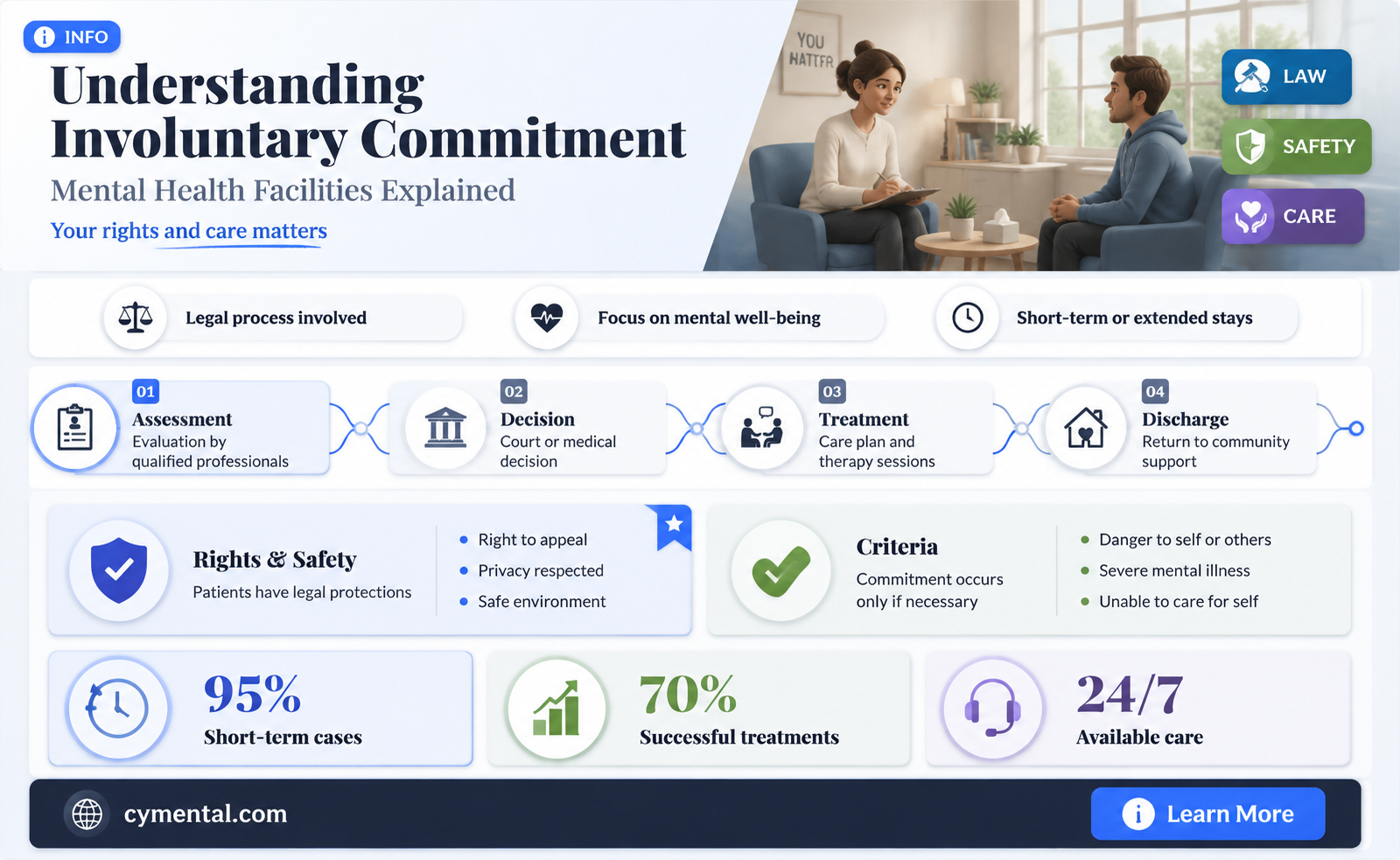
The question of whether someone can be committed to a mental hospital is a complex and sensitive issue that involves legal, ethical, and medical considerations. In many jurisdictions, involuntary commitment is a legal process that allows a person to be admitted to a psychiatric facility against their will if they are deemed to be a danger to themselves or others due to a mental health condition. However, the criteria for involuntary commitment vary widely by country and even by state or province within a country. The process typically requires a thorough evaluation by mental health professionals and often involves a court hearing to ensure that the individual's rights are protected. It is important to approach this topic with empathy and understanding, recognizing that mental health conditions can be challenging and that the decision to commit someone involuntarily should always be made with the utmost care and consideration for their well-being.
| Characteristics | Values |
|---|---|
| Involuntary Commitment | Possible under certain legal conditions |
| Voluntary Admission | Individual chooses to be admitted |
| Psychiatric Evaluation | Required to assess mental state |
| Legal Grounds | Varies by jurisdiction, often includes danger to self or others |
| Medical Professional Involvement | Psychiatrists, psychologists, and other mental health professionals |
| Family Involvement | Family members may be involved in the process |
| Duration of Stay | Depends on individual case, can range from short-term to long-term |
| Rights of the Individual | Varies by jurisdiction, may include the right to a hearing |
| Stigma | Unfortunately, still present in many societies |
| Cost | Covered by insurance or public funding in some cases |
What You'll Learn
- Legal Requirements: Understand the legal criteria for involuntary commitment, varying by jurisdiction
- Medical Evaluation: A thorough psychiatric assessment is essential to determine the need for commitment
- Family Involvement: Often, family members play a crucial role in the decision-making process
- Types of Commitment: Differentiate between voluntary and involuntary commitment procedures
- Patient Rights: Ensure awareness of the individual's rights during the commitment process

Legal Requirements: Understand the legal criteria for involuntary commitment, varying by jurisdiction
Involuntary commitment to a mental health facility is a serious legal process that varies significantly from one jurisdiction to another. Each region has its own set of criteria and procedures that must be followed to ensure that an individual's rights are protected while also addressing their mental health needs. Understanding these legal requirements is crucial for anyone seeking to have a loved one or patient committed involuntarily.
The first step in the involuntary commitment process typically involves a petition or application filed with the appropriate legal authority, such as a probate court or a mental health court. The petitioner must provide evidence that the individual in question meets the legal criteria for involuntary commitment, which often includes demonstrating that the person is a danger to themselves or others, is unable to care for their own basic needs, or is suffering from a severe mental illness that impairs their judgment and decision-making abilities.
Once the petition is filed, a hearing is usually scheduled to determine whether the individual should be committed involuntarily. At this hearing, the petitioner must present witnesses and evidence to support their claim, and the individual who is the subject of the petition may also present their own case or have legal representation to argue against the commitment. The legal authority will then make a decision based on the evidence presented and the applicable legal standards.
It is important to note that the legal criteria for involuntary commitment can vary widely between jurisdictions. Some areas may have more stringent requirements, such as the need for multiple evaluations by mental health professionals, while others may have more lenient standards. Additionally, the procedures for filing a petition and presenting evidence may differ from one jurisdiction to another, so it is essential to consult with local legal resources to ensure that all requirements are met.
In conclusion, understanding the legal requirements for involuntary commitment is a complex and nuanced process that requires careful attention to detail and a thorough knowledge of the applicable laws and procedures. By familiarizing oneself with these requirements, individuals can better navigate the involuntary commitment process and ensure that their loved ones or patients receive the mental health care they need while also protecting their legal rights.
Understanding Legal Consequences: Can Mental Abuse Lead to Jail Time?
You may want to see also
Medical Evaluation: A thorough psychiatric assessment is essential to determine the need for commitment
A thorough psychiatric assessment is a critical step in determining whether an individual requires commitment to a mental health facility. This evaluation involves a comprehensive review of the person's mental health history, current symptoms, and overall well-being. Psychiatrists and other mental health professionals use various tools and techniques to gather information, including interviews, questionnaires, and observations.
During the assessment, the psychiatrist will look for signs of mental illness that may impair the individual's ability to function in daily life or pose a risk to themselves or others. This could include symptoms such as delusions, hallucinations, suicidal thoughts, or aggressive behavior. The assessment will also consider the person's medical history, substance use, and any previous mental health treatments.
One important aspect of the psychiatric assessment is the determination of the individual's capacity to make informed decisions about their own care. If the person is deemed to lack capacity, they may be involuntarily committed to a mental health facility for treatment. However, this decision is not taken lightly and is typically subject to legal safeguards and oversight.
In some cases, the psychiatric assessment may reveal that the individual does not require commitment but would benefit from outpatient treatment or other forms of support. The assessment can also help identify potential risk factors and develop a plan to mitigate them, reducing the likelihood of future crises.
Overall, a thorough psychiatric assessment is essential for ensuring that individuals receive appropriate care and support for their mental health needs. It helps to protect the rights of the individual while also promoting public safety and the well-being of the community.
Empowering Mental Health Advocacy: A Guide to Petitioning for Support in Arizona
You may want to see also
Family Involvement: Often, family members play a crucial role in the decision-making process
Family members often find themselves at the forefront of decision-making when it comes to the mental health care of a loved one. This can involve navigating complex legal and medical systems, making difficult choices about treatment options, and advocating for the individual's best interests. The involvement of family is crucial as they provide emotional support, help in assessing the individual's condition, and ensure that the person receives appropriate care.
One of the key roles family members play is in recognizing the signs that a loved one may need professional help. This can include changes in behavior, mood swings, or other indicators that suggest a mental health issue. Once these signs are identified, family members can encourage the individual to seek help and support them through the process of finding appropriate treatment.
In some cases, family involvement may also include participating in therapy sessions or support groups. This can help to improve communication within the family, address any underlying issues, and provide a supportive environment for the individual's recovery. Additionally, family members can work with mental health professionals to develop a care plan that meets the specific needs of their loved one.
However, it's important to note that family involvement can also present challenges. There may be conflicts within the family about the best course of action, or the individual may resist the involvement of family members in their care. In such cases, it's essential to approach the situation with sensitivity and to prioritize the individual's well-being.
Overall, family involvement is a critical component of the mental health care process. By providing support, advocacy, and guidance, family members can help to ensure that their loved ones receive the care they need to recover and lead fulfilling lives.
Understanding Mental Capacity in Individuals with Down Syndrome
You may want to see also
Types of Commitment: Differentiate between voluntary and involuntary commitment procedures
In the realm of mental health care, commitment procedures can be broadly categorized into two types: voluntary and involuntary. Voluntary commitment occurs when an individual chooses to enter a mental health facility for treatment. This decision is made by the person themselves, often in consultation with mental health professionals, and is typically driven by a recognition of their need for care and support. Voluntary patients have the right to leave the facility at any time, unless they are deemed a danger to themselves or others, in which case they may be involuntarily committed.
Involuntary commitment, on the other hand, is a legal process whereby an individual is admitted to a mental health facility against their will. This procedure is usually initiated by a family member, friend, or mental health professional who believes the person is a danger to themselves or others due to their mental state. Involuntary commitment laws vary by jurisdiction, but generally require a court order or the signature of a designated authority, such as a psychiatrist or psychologist. The process often involves a hearing to determine whether the individual meets the legal criteria for involuntary commitment, which may include demonstrating a lack of capacity to make informed decisions about their care or posing a significant risk of harm.
One of the key differences between voluntary and involuntary commitment lies in the level of autonomy afforded to the individual. Voluntary patients retain the right to make decisions about their treatment and can leave the facility at any time, whereas involuntary patients may have limited control over their care and are required to remain in the facility until they are deemed stable enough for discharge. Additionally, involuntary commitment can carry a stigma and may lead to feelings of resentment or mistrust towards the mental health system, which can impact the individual's willingness to engage in treatment.
Despite these differences, both voluntary and involuntary commitment procedures aim to provide necessary care and support to individuals experiencing mental health crises. Mental health professionals work to ensure that patients receive appropriate treatment and that their rights are protected throughout the commitment process. In cases where involuntary commitment is necessary, it is often seen as a last resort to prevent harm and to provide the individual with the care they need to recover.
In conclusion, understanding the distinction between voluntary and involuntary commitment procedures is crucial for navigating the mental health care system. Both types of commitment have their own unique challenges and considerations, but they share the common goal of providing support and treatment to those in need. By recognizing the differences between these procedures, individuals can better advocate for themselves or their loved ones and ensure that they receive the appropriate level of care.
Texting Support: How to Comfort a Mentally Exhausted Friend
You may want to see also
Patient Rights: Ensure awareness of the individual's rights during the commitment process
Individuals undergoing the commitment process to a mental hospital have several rights that must be respected and protected. These rights include the right to be informed about the commitment process, the right to legal representation, the right to a fair hearing, and the right to appeal the commitment decision. It is crucial that individuals are aware of these rights and that they are provided with the necessary support and resources to exercise them effectively.
One of the key rights of individuals during the commitment process is the right to be informed about the process and the reasons for their commitment. This includes being provided with information about the legal criteria for commitment, the evidence presented against them, and the potential consequences of the commitment decision. Individuals should also be informed about their right to legal representation and should be provided with access to legal counsel if they are unable to afford it themselves.
Another important right of individuals during the commitment process is the right to a fair hearing. This means that they should be given the opportunity to present their case and to challenge the evidence presented against them. They should also be provided with the opportunity to cross-examine witnesses and to present their own witnesses in support of their case. The hearing should be conducted in a fair and impartial manner, and the decision should be based on the evidence presented and the legal criteria for commitment.
Individuals also have the right to appeal the commitment decision if they believe that it is unjust or based on incorrect information. The appeals process should be clearly explained to individuals, and they should be provided with the necessary support and resources to pursue an appeal if they wish to do so.
In addition to these specific rights, individuals undergoing the commitment process should also be treated with dignity and respect. They should be provided with appropriate medical care and should be protected from abuse or neglect. Their privacy should be respected, and they should be allowed to maintain contact with family and friends unless it is deemed necessary to restrict such contact for their safety or the safety of others.
Overall, ensuring awareness of individuals' rights during the commitment process is essential for protecting their well-being and ensuring that they are treated fairly and justly. By providing individuals with the necessary information and support, we can help to ensure that their rights are respected and that they are able to navigate the commitment process with confidence and dignity.
Unveiling the Telltale Signs: When to Seek Mental Health Treatment
You may want to see also
Frequently asked questions
Yes, in many jurisdictions, it is possible to have someone committed to a mental hospital against their will if they are deemed a danger to themselves or others, or if they are unable to care for themselves due to a mental illness.
The process typically involves a mental health professional or a concerned individual filing a petition with the court, followed by a hearing where the person's mental state is evaluated. If the court determines that the person meets the criteria for involuntary commitment, they will be ordered to be hospitalized.
The length of commitment varies depending on the jurisdiction and the individual's circumstances. Some commitments may be short-term, while others may be long-term or even indefinite.
The criteria typically include a diagnosis of a mental illness, a determination that the person is a danger to themselves or others, or a finding that the person is unable to care for themselves due to their mental illness.