Lucas Bennett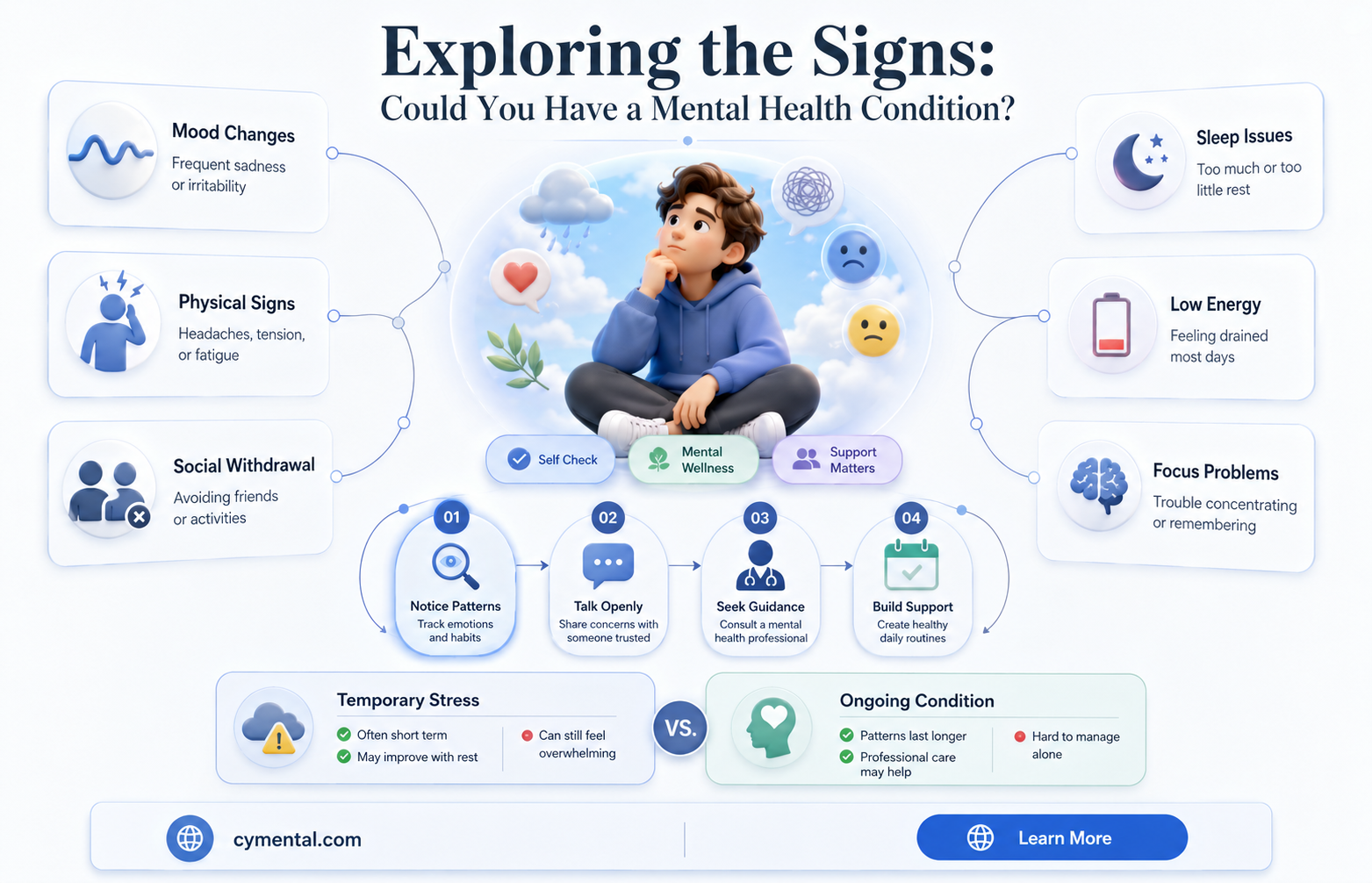
Mental health is a crucial aspect of overall well-being, and it's essential to address any concerns you may have. If you're wondering whether you might have a mental disorder, it's important to recognize that self-diagnosis can be challenging and potentially misleading. Mental disorders are complex conditions that often require professional evaluation and diagnosis. In this paragraph, we'll explore some common signs and symptoms that may indicate the presence of a mental disorder, as well as the importance of seeking professional help for an accurate diagnosis and appropriate treatment. Remember, taking care of your mental health is a proactive step towards living a fulfilling and balanced life.
Explore related products


What You'll Learn
- Signs and Symptoms: Recognizing common indicators of mental health conditions, such as mood swings or anxiety
- Types of Disorders: Overview of common mental disorders, including depression, anxiety, bipolar, and schizophrenia
- Self-Assessment: Guidance on self-evaluating mental health and identifying when to seek professional help
- Diagnostic Process: Explanation of how mental health professionals diagnose disorders through interviews and assessments
- Treatment Options: Brief description of various treatments, including therapy, medication, and lifestyle changes

Signs and Symptoms: Recognizing common indicators of mental health conditions, such as mood swings or anxiety
Recognizing the signs and symptoms of mental health conditions can be a crucial first step towards seeking help and managing your well-being. Common indicators such as mood swings or anxiety can manifest in various ways, and being aware of these can empower you to take action. For instance, mood swings may present as sudden shifts from feeling elated to feeling sad or irritable, often without a clear trigger. These fluctuations can be disruptive to daily life, affecting relationships and work performance.
Anxiety, on the other hand, can manifest as persistent worry or fear that interferes with everyday activities. Physical symptoms such as rapid heartbeat, sweating, and trembling may accompany these feelings. It's important to note that while these symptoms can be indicative of a mental health condition, they can also be caused by other factors such as medical conditions or substance use. Therefore, a comprehensive evaluation by a healthcare professional is necessary to determine the underlying cause.
In addition to mood swings and anxiety, other common symptoms of mental health conditions include changes in appetite or sleep patterns, withdrawal from social activities, and feelings of hopelessness or worthlessness. These symptoms can vary in intensity and duration, and may not always be present. It's also important to consider the context in which these symptoms occur, as they may be a normal response to a stressful event or situation.
If you're experiencing any of these symptoms, it's important to reach out to a healthcare professional for an evaluation. They can help determine if you have a mental health condition and recommend appropriate treatment options. In the meantime, there are steps you can take to manage your symptoms, such as practicing relaxation techniques, engaging in regular exercise, and maintaining a healthy diet. Remember, seeking help is a sign of strength, and with the right support, it's possible to manage mental health conditions and lead a fulfilling life.
Unraveling the Complexities: Pathological Lying and Mental Health
You may want to see also
Explore related products


Types of Disorders: Overview of common mental disorders, including depression, anxiety, bipolar, and schizophrenia
Depression, anxiety, bipolar disorder, and schizophrenia are among the most common mental health disorders that individuals may experience. Each of these conditions has distinct symptoms and impacts on daily life, making it crucial to understand their differences for accurate diagnosis and treatment.
Depression is characterized by persistent feelings of sadness, hopelessness, and a lack of interest in activities that were once enjoyable. It can lead to physical symptoms such as fatigue, changes in appetite, and sleep disturbances. Anxiety disorders, on the other hand, are marked by excessive worry, fear, and anxiety that interfere with daily functioning. Symptoms may include rapid heartbeat, sweating, and feelings of panic.
Bipolar disorder involves extreme mood swings between mania and depression. During manic episodes, individuals may experience heightened energy, impulsivity, and a decreased need for sleep. Schizophrenia is a chronic brain disorder that affects how a person thinks, feels, and behaves. Symptoms can include hallucinations, delusions, and disorganized thinking.
It's essential to note that these disorders can vary in severity and impact, and individuals may experience a combination of symptoms from different disorders. Seeking professional help from a mental health provider is crucial for an accurate diagnosis and appropriate treatment plan. Early intervention can significantly improve outcomes and quality of life for those affected by these conditions.
Understanding Mental Health: Prevalence of Disorders in the US Population
You may want to see also
Explore related products


Self-Assessment: Guidance on self-evaluating mental health and identifying when to seek professional help
Recognizing the signs of a potential mental health issue can be a challenging and deeply personal process. It often requires a degree of self-awareness and introspection to identify when your thoughts, feelings, or behaviors are interfering with your daily life. This self-assessment is a crucial first step towards seeking the help you may need.
One approach to self-evaluation is to keep a mental health journal. This can be a physical notebook or a digital app where you record your daily moods, thoughts, and behaviors. Over time, patterns may emerge that highlight areas of concern. For example, if you notice that you consistently feel sad or anxious for more than two weeks, this could be a sign of depression or an anxiety disorder. Similarly, if you find yourself withdrawing from social activities or experiencing significant changes in appetite or sleep, these could be indicators of a mental health issue.
Another method of self-assessment is to take online mental health screenings. These are typically questionnaires designed by mental health professionals to help identify symptoms of common mental disorders. While these screenings are not a substitute for a professional diagnosis, they can provide valuable insights and help guide you towards the next steps.
It's also important to consider your personal and family history. Mental health issues often have a genetic component, so if you have a family member with a mental disorder, you may be at a higher risk. Additionally, major life changes or stressors, such as the loss of a loved one, a job change, or a move, can trigger mental health symptoms.
Ultimately, the decision to seek professional help is a personal one. However, if your self-assessment reveals persistent symptoms that are impacting your daily life, it may be time to reach out to a mental health professional. They can provide a thorough evaluation and recommend appropriate treatment options. Remember, seeking help is a sign of strength, not weakness, and it's the first step towards recovery.
Exploring the Thin Line: Delusions and Mental Health Disorders
You may want to see also
Explore related products


Diagnostic Process: Explanation of how mental health professionals diagnose disorders through interviews and assessments
Mental health professionals employ a systematic approach to diagnose mental disorders, which typically involves a combination of clinical interviews, behavioral observations, and psychological assessments. This process is designed to gather comprehensive information about a person's symptoms, personal history, and current circumstances.
The initial step often includes a thorough clinical interview, during which the professional asks about the individual's symptoms, their duration, and any factors that may exacerbate or alleviate them. This interview may also cover personal and family medical history, substance use, and any previous mental health treatments.
Following the interview, the professional may administer various psychological assessments or tests. These can include questionnaires, rating scales, or projective tests, all of which are standardized tools designed to measure specific aspects of mental functioning or personality traits. For example, the Minnesota Multiphasic Personality Inventory (MMPI) is a commonly used test that assesses personality traits and psychopathology.
Behavioral observations are another crucial component of the diagnostic process. Mental health professionals may observe the individual's behavior during the interview or in other settings, noting any abnormalities or patterns that may indicate a particular disorder.
Once all the necessary information has been gathered, the professional will analyze the data to determine if the individual meets the criteria for a specific mental disorder as outlined in diagnostic manuals such as the Diagnostic and Statistical Manual of Mental Disorders (DSM-5). This involves comparing the individual's symptoms and behaviors to the established criteria for various disorders.
Finally, the professional will discuss the diagnosis with the individual and, if appropriate, recommend a treatment plan. This plan may include psychotherapy, medication, or other interventions tailored to the individual's specific needs and circumstances.
It's important to note that the diagnostic process is not always straightforward and may require multiple sessions or consultations with different professionals. Additionally, the process is highly individualized, and what works for one person may not work for another.
Exploring the Complex Link Between Obesity and Mental Health
You may want to see also
Explore related products


Treatment Options: Brief description of various treatments, including therapy, medication, and lifestyle changes
Cognitive-behavioral therapy (CBT) is a common and effective treatment for various mental disorders. It involves working with a therapist to identify and change negative thought patterns and behaviors. CBT typically lasts for several months, with sessions occurring weekly or bi-weekly. This structured approach helps individuals develop coping strategies and improve their overall mental health.
Medication can also play a crucial role in managing mental disorders. Antidepressants, anti-anxiety drugs, and mood stabilizers are among the most commonly prescribed medications. The choice of medication depends on the specific disorder and individual symptoms. It's essential to work closely with a psychiatrist to determine the most effective medication and dosage. Medications can have side effects, so it's important to discuss any concerns with a healthcare provider.
Lifestyle changes can complement therapy and medication in treating mental disorders. Regular exercise, a balanced diet, and sufficient sleep are fundamental components of a healthy lifestyle. Engaging in activities that bring joy and relaxation, such as hobbies or spending time with loved ones, can also improve mental well-being. Additionally, reducing stress through techniques like meditation or yoga can be beneficial.
In some cases, a combination of therapy, medication, and lifestyle changes may be necessary for optimal treatment. It's important to remember that treatment is not one-size-fits-all, and what works for one person may not work for another. Patience and persistence are key when exploring different treatment options.
Seeking professional help is the first step towards finding the most effective treatment. A mental health professional can provide a proper diagnosis and recommend appropriate treatment options. It's crucial to be open and honest about symptoms and concerns to ensure the best possible outcome. With the right treatment plan, individuals can manage their mental disorders and lead fulfilling lives.
Understanding Gender Dysphoria: A Complex Exploration Beyond Labels
You may want to see also
Frequently asked questions
Recognizing the signs of a mental disorder can be challenging, as they vary widely depending on the specific condition. Common indicators include persistent feelings of sadness, anxiety, or irritability; changes in appetite or sleep patterns; difficulty concentrating; withdrawal from social activities; and thoughts of self-harm. If you're experiencing several of these symptoms and they're interfering with your daily life, it's important to consult a mental health professional for an evaluation.
There are many types of mental disorders, each with its own set of symptoms and characteristics. Some of the most common include depression, anxiety disorders (such as generalized anxiety disorder, panic disorder, and social anxiety disorder), bipolar disorder, schizophrenia, and post-traumatic stress disorder (PTSD). Personality disorders, eating disorders, and substance use disorders are also prevalent.
The concept of "cure" can be complex when it comes to mental disorders. While some conditions may be managed effectively with treatment, leading to a significant reduction in symptoms and improved quality of life, others may be more chronic and require ongoing management. Treatment options often include a combination of medication, psychotherapy, and lifestyle changes. Early intervention and consistent treatment can lead to better outcomes.
If you suspect you may have a mental disorder, it's crucial to seek professional help. Start by talking to your primary care physician, who can rule out any underlying physical health issues and refer you to a mental health specialist if needed. Psychiatrists, psychologists, and licensed therapists are trained to diagnose and treat mental disorders. Additionally, consider reaching out to support groups or online resources for guidance and encouragement. Remember, seeking help is a sign of strength, and with the right support, you can work towards managing your symptoms and improving your well-being.