Ava Ramirez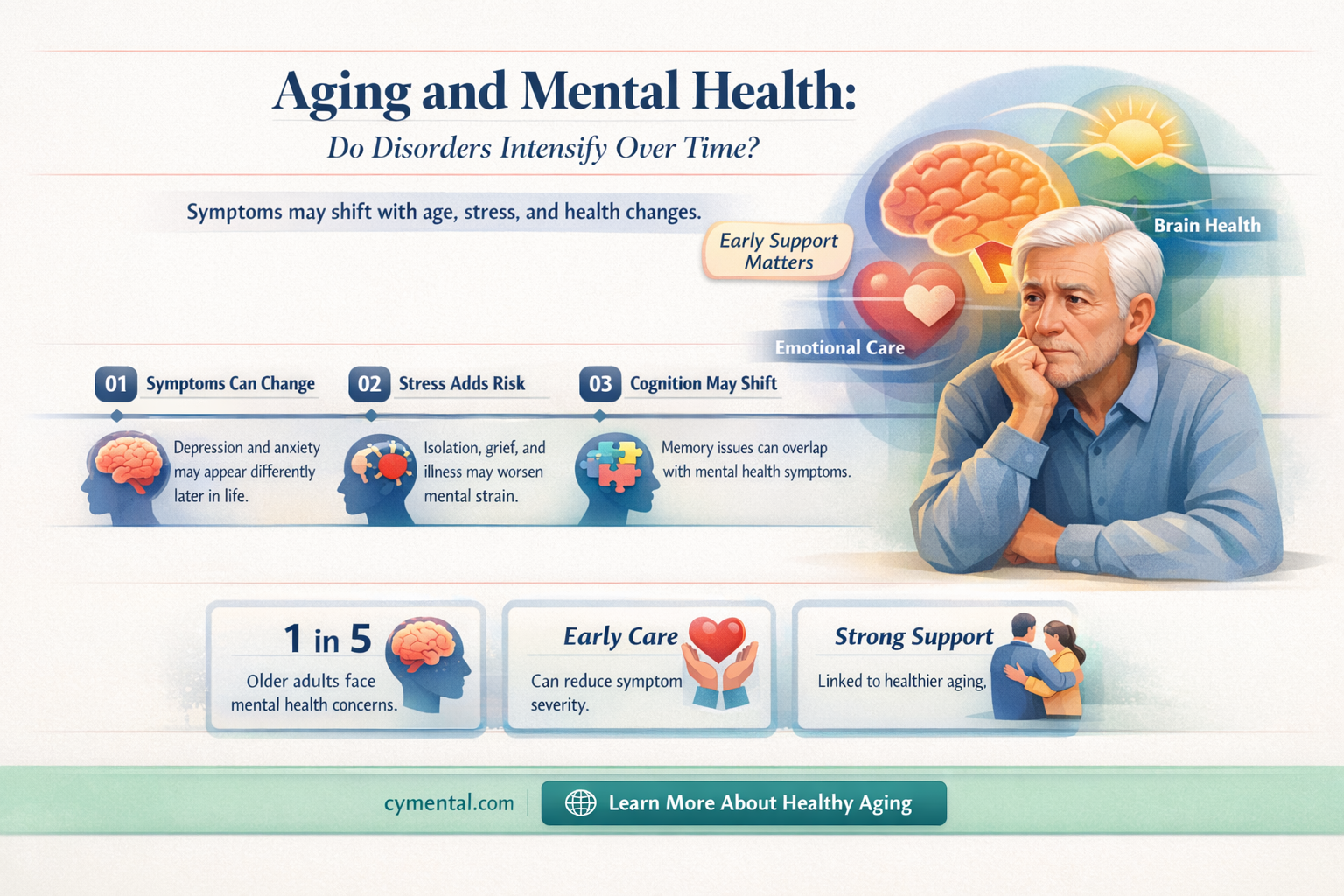
Mental disorders can indeed worsen with age, but the trajectory varies widely depending on the specific condition, individual circumstances, and access to treatment. For instance, neurodegenerative disorders like Alzheimer's disease typically progress over time, leading to increased cognitive decline and functional impairment. Similarly, chronic mental health conditions such as schizophrenia may see exacerbation of symptoms or increased severity as individuals age, particularly if left untreated or poorly managed. However, other mental health issues, such as anxiety or depression, may not necessarily worsen with age and can often be effectively treated or managed with appropriate interventions. It's crucial to consider the interplay between biological, psychological, and social factors when examining the progression of mental disorders across the lifespan. Early diagnosis, consistent treatment, and a holistic approach to mental health care can significantly impact the course and prognosis of these conditions as individuals age.
Explore related products


What You'll Learn
- Genetic Predisposition: Explore if genetic factors influence the progression of mental disorders as individuals age
- Environmental Factors: Discuss how life experiences and environmental stressors might exacerbate mental health conditions over time
- Neurodegenerative Changes: Examine the impact of age-related brain changes on mental health and potential disorder severity
- Treatment Efficacy: Investigate whether treatment options for mental disorders become less effective as patients grow older
- Comorbid Health Conditions: Analyze the role of age-related physical health issues in complicating mental disorder symptoms and treatment

Genetic Predisposition: Explore if genetic factors influence the progression of mental disorders as individuals age
Genetic factors play a significant role in the development and progression of mental disorders. Research has shown that certain genetic variations can increase the risk of developing mental health conditions such as schizophrenia, bipolar disorder, and major depressive disorder. These genetic predispositions can influence how mental disorders manifest and progress as individuals age.
One way genetic factors can impact the progression of mental disorders is through the expression of certain genes that are involved in brain development and function. For example, genes that regulate neurotransmitter systems, such as serotonin and dopamine, can affect mood and behavior. Variations in these genes can lead to imbalances in neurotransmitter levels, which may contribute to the worsening of mental health symptoms over time.
Additionally, genetic factors can interact with environmental influences to shape the course of mental disorders. For instance, a person with a genetic predisposition to depression may be more susceptible to developing the condition if they experience chronic stress or trauma. This gene-environment interaction can lead to a more severe or persistent mental health condition as individuals age.
It is also important to consider the role of epigenetics in the progression of mental disorders. Epigenetic changes, which involve modifications to DNA or histone proteins, can affect gene expression without altering the underlying genetic sequence. These changes can be influenced by environmental factors and can impact the development and progression of mental health conditions.
In conclusion, genetic predisposition is a complex and multifaceted factor that can influence the progression of mental disorders as individuals age. Understanding the interplay between genetic and environmental factors is crucial for developing effective prevention and treatment strategies for mental health conditions.
Unraveling the Mind of a Monster: Dahmer's Mental Health Diagnosis
You may want to see also
Explore related products


Environmental Factors: Discuss how life experiences and environmental stressors might exacerbate mental health conditions over time
Chronic exposure to environmental stressors can significantly impact mental health, potentially exacerbating existing conditions or contributing to the development of new ones. Factors such as socioeconomic status, access to healthcare, and exposure to trauma or violence can create a cumulative effect on an individual's psychological well-being. For instance, a person living in poverty may experience constant stress related to financial insecurity, which can worsen symptoms of anxiety or depression over time.
Life experiences, such as the loss of a loved one, divorce, or job instability, can also contribute to the deterioration of mental health. These events can trigger a cascade of emotional responses that, if not properly managed, may lead to long-term psychological distress. Furthermore, exposure to traumatic events, such as natural disasters or acts of violence, can result in the development of post-traumatic stress disorder (PTSD), which can have a profound impact on an individual's quality of life.
Environmental factors can also interact with genetic predispositions to influence the onset and severity of mental health conditions. For example, a person with a family history of depression may be more susceptible to developing the condition if they are exposed to chronic stress or trauma. Additionally, environmental factors can affect the efficacy of treatments for mental health conditions, as individuals living in stressful environments may find it more challenging to engage in therapeutic interventions or maintain a consistent medication regimen.
It is essential to consider the role of environmental factors when developing strategies for preventing and treating mental health conditions. By addressing these factors, it may be possible to mitigate the risk of exacerbating mental health conditions and improve overall well-being. This could involve implementing policies to reduce socioeconomic disparities, increasing access to mental healthcare services, and providing support for individuals who have experienced trauma or loss.
In conclusion, environmental factors play a crucial role in shaping mental health outcomes. By understanding how these factors interact with individual vulnerabilities and life experiences, we can develop more effective interventions to promote mental well-being and prevent the deterioration of mental health conditions over time.
Unraveling the Complexities: Pathological Lying and Mental Health
You may want to see also
Explore related products


Neurodegenerative Changes: Examine the impact of age-related brain changes on mental health and potential disorder severity
As the brain ages, it undergoes a series of neurodegenerative changes that can significantly impact mental health. These changes include a reduction in brain volume, particularly in the hippocampus and prefrontal cortex, which are critical regions for memory and executive function. Additionally, the brain's white matter, which facilitates communication between different brain regions, can become less efficient with age. These structural changes can lead to a decline in cognitive function, which may exacerbate existing mental health conditions or contribute to the development of new disorders.
One of the most well-documented effects of age-related brain changes is the increased risk of dementia. Dementia is a broad term that encompasses a range of cognitive impairments, including memory loss, difficulty with language, and problems with problem-solving and judgment. While dementia is not a normal part of aging, the risk of developing the condition increases significantly with age. In fact, according to the Alzheimer's Association, the risk of developing Alzheimer's disease, the most common form of dementia, doubles every five years after the age of 65.
Age-related brain changes can also impact mood and emotional regulation. Older adults may experience increased levels of anxiety and depression, which can be attributed to a decrease in the production of neurotransmitters such as serotonin and dopamine. These neurotransmitters play a critical role in regulating mood and emotional responses, and their decline can lead to a range of mental health issues. Furthermore, older adults may also experience changes in sleep patterns, which can further exacerbate mood disturbances.
In addition to the direct effects of age-related brain changes on mental health, there are also a number of indirect factors that can contribute to the worsening of mental disorders with age. For example, older adults may experience increased levels of stress due to life changes such as retirement, loss of loved ones, or health issues. These stressors can exacerbate existing mental health conditions or contribute to the development of new disorders. Furthermore, older adults may also face challenges related to social isolation, which can have a negative impact on mental health.
While age-related brain changes can have a significant impact on mental health, there are a number of strategies that can be employed to mitigate these effects. For example, engaging in regular physical exercise, maintaining a healthy diet, and participating in mentally stimulating activities can all help to support brain health and reduce the risk of cognitive decline. Additionally, older adults should prioritize social engagement and seek support from mental health professionals if needed. By taking a proactive approach to brain health, older adults can help to maintain their mental well-being and improve their overall quality of life.
Exploring Rapunzel's Mental Health: A Tale of Tangles and Trauma
You may want to see also
Explore related products


Treatment Efficacy: Investigate whether treatment options for mental disorders become less effective as patients grow older
As individuals age, the efficacy of treatments for mental disorders can indeed change. Research suggests that older adults may respond differently to psychiatric medications and psychotherapies compared to younger individuals. For instance, older adults may experience more side effects from medications due to age-related changes in metabolism and drug clearance. Additionally, cognitive changes associated with aging, such as decreased memory and processing speed, can impact the ability of older adults to engage fully in certain types of psychotherapy.
One specific area of concern is the treatment of depression in older adults. Studies have shown that antidepressant medications may be less effective in this population, and older adults may be more likely to experience treatment-resistant depression. This can be complicated by the presence of other medical conditions, which are more common in older adults and can interact with psychiatric medications. Furthermore, older adults may face barriers to accessing mental health care, such as limited mobility or lack of transportation, which can further impact treatment efficacy.
In terms of psychotherapy, cognitive-behavioral therapy (CBT) has been shown to be effective for treating anxiety and depression in older adults. However, modifications may be necessary to accommodate age-related cognitive changes. For example, therapists may need to use simpler language, provide more concrete examples, and use memory aids to help older adults remember and practice new skills. Additionally, family therapy can be beneficial in addressing the unique challenges faced by older adults, such as caregiving responsibilities and intergenerational conflicts.
Another important consideration is the impact of age on the course of mental disorders themselves. Some disorders, such as schizophrenia, may have a more stable course in older adults, while others, such as bipolar disorder, may become more severe. Understanding these age-related changes in mental disorders is crucial for developing effective treatment strategies.
In conclusion, while treatment options for mental disorders can be effective for older adults, they may require modifications to accommodate age-related changes in physical and cognitive functioning. Additionally, addressing barriers to accessing mental health care and understanding the unique challenges faced by older adults are essential for improving treatment outcomes.
Understanding Mental Health in America: Prevalence and Perspectives
You may want to see also
Explore related products


Comorbid Health Conditions: Analyze the role of age-related physical health issues in complicating mental disorder symptoms and treatment
As individuals age, they are more likely to experience a range of physical health issues that can exacerbate the symptoms of mental disorders. This phenomenon, known as comorbidity, refers to the presence of one or more additional conditions co-occurring with a primary condition. In the context of mental health, comorbid physical health conditions can significantly complicate treatment and worsen outcomes. For example, an older adult with depression may also be dealing with chronic pain, diabetes, or cardiovascular disease, which can interact with their mental health symptoms and make it more challenging to manage their condition effectively.
One of the key challenges in addressing comorbid health conditions in older adults with mental disorders is the complex interplay between physical and mental health. Age-related physical health issues can contribute to the development or worsening of mental health symptoms, and vice versa. For instance, chronic pain can lead to increased anxiety and depression, while mental health symptoms can exacerbate physical health problems by affecting an individual's ability to manage their condition, adhere to treatment regimens, or engage in healthy behaviors. This bidirectional relationship underscores the importance of a holistic approach to healthcare that integrates physical and mental health services.
Effective management of comorbid health conditions in older adults with mental disorders requires a comprehensive treatment plan that addresses both physical and mental health needs. This may involve a multidisciplinary team of healthcare providers, including primary care physicians, psychiatrists, psychologists, and social workers, who can collaborate to develop a coordinated care plan. Treatment strategies may include a combination of pharmacotherapy, psychotherapy, lifestyle modifications, and social support interventions tailored to the individual's specific needs and circumstances.
In addition to the direct impact on mental health symptoms, comorbid physical health conditions can also affect the treatment of mental disorders in older adults. For example, certain medications used to treat mental health conditions may interact with medications used to manage physical health issues, leading to potential side effects or reduced efficacy. Furthermore, older adults with comorbid health conditions may be more susceptible to adverse effects of medications, necessitating careful monitoring and adjustment of treatment regimens. Non-pharmacological interventions, such as cognitive-behavioral therapy or mindfulness-based stress reduction, may also be beneficial in managing mental health symptoms while minimizing the risk of adverse interactions with physical health treatments.
In conclusion, comorbid health conditions play a significant role in complicating the symptoms and treatment of mental disorders in older adults. A comprehensive, integrated approach to healthcare that addresses both physical and mental health needs is essential for effectively managing these complex conditions and improving outcomes for older adults with mental disorders. By recognizing the interplay between physical and mental health and tailoring treatment strategies to the individual's unique needs, healthcare providers can help older adults with comorbid health conditions achieve better overall health and well-being.
Understanding Mental Health Disorders That Qualify for Disability Benefits
You may want to see also
Frequently asked questions
The progression of mental disorders with age can vary widely depending on the specific condition, individual circumstances, and the effectiveness of treatment. Some disorders may stabilize or even improve with age, while others might worsen.
Certain mental disorders, such as anxiety and depression, may improve with age as individuals develop better coping mechanisms and life experiences. However, this is not a universal trend and can depend on numerous factors.
Some mental disorders, like schizophrenia and bipolar disorder, can sometimes worsen with age if not properly managed. However, with appropriate treatment and support, many individuals can lead stable and fulfilling lives.
Factors that can influence the progression of mental disorders with age include the effectiveness of treatment, the presence of supportive social networks, lifestyle choices, physical health, and the individual's genetic predisposition. Early intervention and consistent management are key to a positive outcome.