Ava Ramirez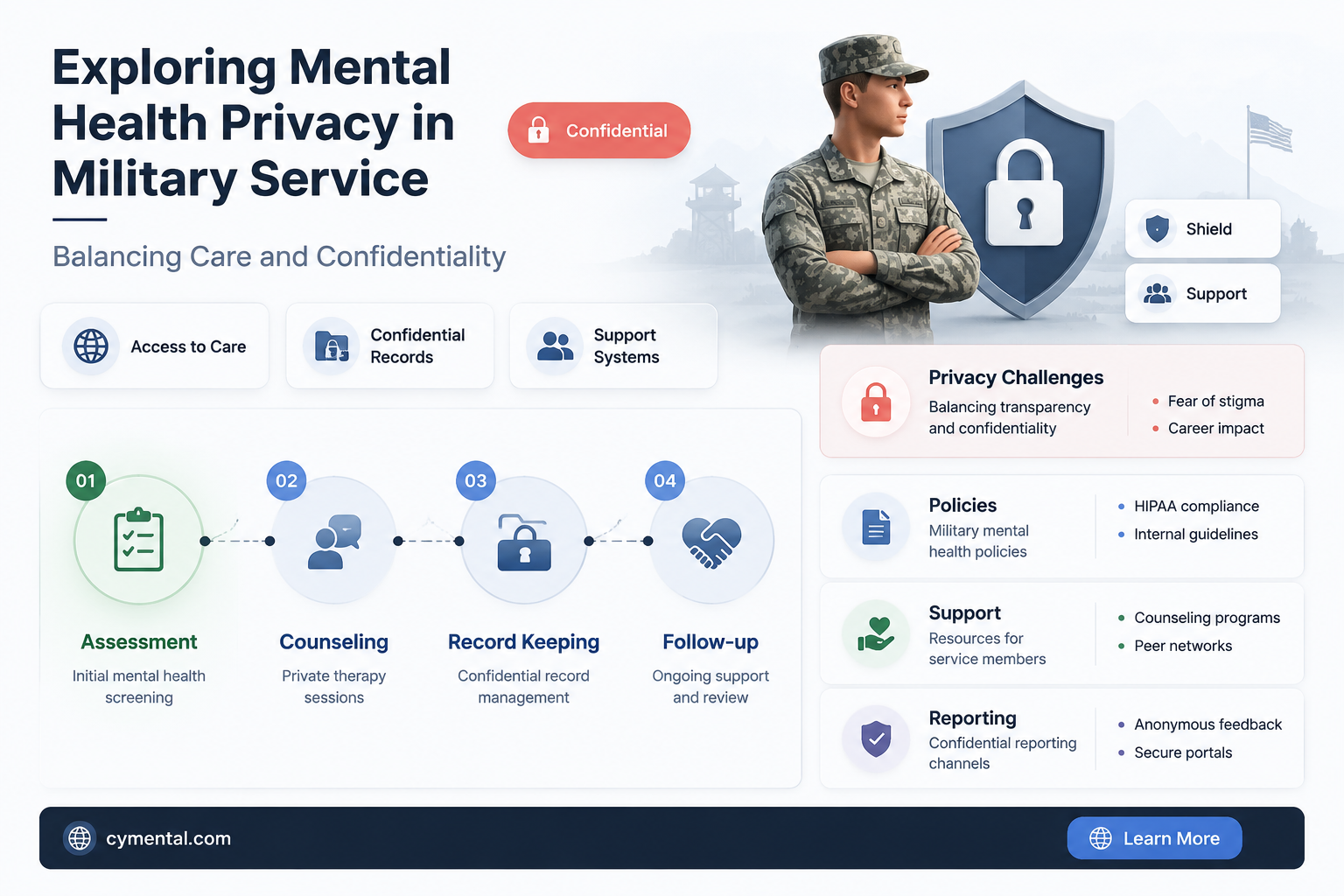
When considering a career in the military, many individuals wonder about the extent to which their personal information, particularly their mental health records, will be scrutinized. This is a valid concern, as the military has a vested interest in ensuring that its personnel are physically and mentally fit for service. While the specific policies and procedures may vary depending on the country and branch of service, it is generally true that the military will conduct some level of background check on potential recruits, which may include reviewing their mental health history. This is typically done to identify any potential issues that could impact an individual's ability to perform their duties effectively or pose a risk to themselves or others. However, it is important to note that the military also has a responsibility to protect the privacy and confidentiality of its personnel, and will therefore only access and use mental health information as necessary and in accordance with applicable laws and regulations.
Explore related products


What You'll Learn
- Purpose of Mental Health Screening: Understand the reasons behind mental health evaluations in military contexts
- Types of Mental Health Assessments: Explore the various methods and tools used for mental health screenings
- Confidentiality and Privacy: Delve into how personal mental health information is protected within the military
- Impact on Military Service: Analyze how mental health records can affect one's military career and opportunities
- Resources and Support: Discover the mental health resources and support systems available to military personnel

Purpose of Mental Health Screening: Understand the reasons behind mental health evaluations in military contexts
Mental health screening in military contexts serves several critical purposes. Primarily, it aims to identify individuals who may be at risk of developing mental health issues due to the unique stressors and challenges associated with military service. Early detection can lead to timely intervention, which is crucial for maintaining the overall well-being and operational readiness of military personnel.
One of the key reasons behind mental health evaluations is to assess the psychological fitness of recruits and current service members. This assessment helps in determining whether an individual is fit to serve, particularly in high-stress roles that require a high level of mental resilience. By identifying potential mental health concerns early on, the military can provide necessary support and resources to help individuals cope with these challenges, thereby reducing the risk of more severe mental health issues developing over time.
Another important purpose of mental health screening is to monitor the mental health status of service members who have been exposed to traumatic events, such as combat situations or natural disasters. These experiences can have a profound impact on an individual's mental health, and regular screenings can help in identifying those who may need additional support or treatment. This proactive approach not only benefits the individual but also ensures that the military unit remains effective and cohesive.
Furthermore, mental health evaluations play a role in the military's efforts to reduce stigma associated with mental health issues. By routinely screening for mental health concerns, the military sends a message that seeking help is a sign of strength, not weakness. This can encourage more service members to come forward and seek the assistance they need, ultimately leading to a healthier and more resilient military force.
In conclusion, mental health screening in military contexts is a multifaceted process that serves to identify, support, and protect service members from the unique mental health challenges they may face. By prioritizing mental health evaluations, the military demonstrates its commitment to the well-being of its personnel and the overall effectiveness of its operations.
Addressing the Absence: Why Women's Mental Health Month is Missing
You may want to see also
Explore related products


Types of Mental Health Assessments: Explore the various methods and tools used for mental health screenings
Mental health assessments in the military context are multifaceted, involving a range of methods and tools to ensure comprehensive screening. These assessments are crucial for identifying potential mental health issues among service members, which can impact their performance, well-being, and overall mission readiness.
One common type of mental health assessment used in the military is the self-report questionnaire. Service members are asked to complete forms that inquire about their mental health status, including symptoms of depression, anxiety, and post-traumatic stress disorder (PTSD). These questionnaires are often standardized and validated tools, such as the Patient Health Questionnaire (PHQ-9) or the PTSD Checklist (PCL).
In addition to self-report measures, military mental health assessments may also involve clinical interviews conducted by mental health professionals. These interviews allow for a more in-depth exploration of a service member's mental health concerns and can help identify issues that may not be captured by self-report questionnaires alone. Clinical interviews may be structured or semi-structured, using guides or protocols to ensure consistency and comprehensiveness.
Another method used in military mental health assessments is behavioral observation. This involves monitoring a service member's behavior and performance in various settings, such as during training exercises or in their daily duties. Behavioral observation can provide valuable insights into a service member's mental state and can help identify potential issues that may not be apparent through self-report or interview methods alone.
Furthermore, the military may also utilize psychological testing as part of mental health assessments. These tests can measure various aspects of cognitive functioning, such as memory, attention, and problem-solving abilities. Psychological testing can be particularly useful in identifying cognitive impairments that may be related to mental health conditions or other factors, such as traumatic brain injury.
Overall, the military employs a variety of methods and tools to conduct mental health assessments, recognizing the importance of early identification and intervention for mental health issues among service members. These assessments are designed to be comprehensive and multifaceted, taking into account the unique challenges and stressors faced by those in the military.
Exploring the Link: Spiritual Health and Mental-Emotional Well-being
You may want to see also
Explore related products


Confidentiality and Privacy: Delve into how personal mental health information is protected within the military
Within the military, the protection of personal mental health information is governed by strict confidentiality and privacy protocols. These measures are designed to ensure that service members can seek mental health care without fear of stigma or repercussions. The military employs various safeguards to protect mental health records, including limiting access to authorized personnel only and using secure storage and transmission methods.
One key aspect of confidentiality in military mental health care is the concept of "privileged communication." This means that communications between a service member and a mental health professional are protected and cannot be disclosed without the service member's consent. This privilege is intended to foster trust and encourage open communication between patients and providers.
In addition to privileged communication, the military also has policies in place to protect mental health records from unauthorized access or disclosure. These policies include physical security measures, such as locked file cabinets and restricted access to mental health facilities, as well as electronic security measures, such as password protection and encryption.
Despite these protections, there are certain circumstances under which mental health information may be shared within the military. For example, if a service member's mental health condition poses a risk to themselves or others, or if it impacts their ability to perform their duties, their mental health information may be disclosed to relevant personnel. However, even in these cases, the disclosure is typically limited to the minimum amount of information necessary and is handled with the utmost discretion.
Overall, the military takes the confidentiality and privacy of mental health information very seriously. These protections are essential for maintaining trust between service members and mental health professionals and for ensuring that service members feel comfortable seeking the care they need.
Understanding LMHC: A Guide to Licensed Mental Health Counselors
You may want to see also
Explore related products


Impact on Military Service: Analyze how mental health records can affect one's military career and opportunities
Mental health records can have a profound impact on an individual's military career and opportunities. The military places a high premium on the mental fitness of its personnel, as it directly affects their ability to perform duties, maintain unit cohesion, and ensure overall mission success. Consequently, any indication of mental health issues in an individual's records can lead to significant consequences, including limitations on career advancement, restrictions on deployment, and even discharge from service.
The military's evaluation of mental health records is a complex process that involves a thorough review of an individual's medical history, psychological assessments, and any documented mental health treatments or hospitalizations. This information is used to determine an individual's fitness for duty and their potential to serve effectively in various roles and environments. For example, a diagnosis of post-traumatic stress disorder (PTSD) may disqualify an individual from serving in combat zones or performing certain high-stress duties.
Moreover, the military's policies and procedures regarding mental health records are subject to change, and it is essential for individuals to stay informed about the latest regulations and guidelines. Failure to disclose mental health issues or falsifying information on medical forms can result in severe penalties, including court-martial proceedings and dishonorable discharge. Therefore, it is crucial for individuals to be honest and transparent about their mental health history when applying for military service or during their career.
In recent years, the military has made efforts to reduce the stigma associated with mental health issues and to provide better support and resources for personnel struggling with mental health challenges. These initiatives include increased funding for mental health services, expanded access to counseling and therapy, and the implementation of programs aimed at promoting mental wellness and resilience. However, despite these efforts, the potential impact of mental health records on a military career remains a significant concern for many individuals.
Ultimately, the military's assessment of mental health records is a critical aspect of ensuring the readiness and effectiveness of its forces. While it may seem unfair or discriminatory to some, the military's policies are designed to protect the well-being of its personnel and to maintain the highest standards of performance and professionalism. As such, it is essential for individuals considering a military career to carefully evaluate their mental health status and to seek guidance from qualified professionals if necessary.
Understanding CPI in Mental Health: A Comprehensive Guide
You may want to see also
Explore related products


Resources and Support: Discover the mental health resources and support systems available to military personnel
Military personnel often face unique mental health challenges due to the demanding nature of their service. Recognizing this, the military has established a variety of resources and support systems to help service members manage their mental well-being. These resources are designed to be accessible and confidential, ensuring that personnel can seek help without fear of stigma or repercussions.
One of the primary resources available to military personnel is the Military Health System (MHS), which provides comprehensive mental health care, including counseling, therapy, and psychiatric services. Additionally, the Department of Veterans Affairs (VA) offers mental health services to veterans, including those who have recently transitioned from active duty. These services are tailored to address the specific needs of military personnel and veterans, such as post-traumatic stress disorder (PTSD), depression, and anxiety.
Beyond traditional mental health services, the military also offers a range of support programs designed to promote resilience and well-being. For example, the Comprehensive Soldier and Family Fitness (CSF2) program provides resources and training to help soldiers and their families build resilience and cope with the challenges of military life. Similarly, the Military Family Readiness System (MFRS) offers support and resources to military families, including counseling and educational programs.
In addition to these formal resources, the military also encourages a culture of peer support and camaraderie. Service members are often able to find comfort and encouragement by connecting with their fellow soldiers, who may be experiencing similar challenges. This sense of community can be a powerful tool in promoting mental health and well-being.
Overall, the military has made significant strides in addressing the mental health needs of its personnel. By providing a range of resources and support systems, the military is working to ensure that service members have the tools they need to manage their mental well-being and thrive in their demanding roles.
Navigating Court-Ordered Mental Health Evaluations: A Comprehensive Guide
You may want to see also
Frequently asked questions
Yes, the military does check your mental health records during the enlistment process. This is part of the medical evaluation to ensure that recruits are mentally fit for service.
During the mental health evaluation, the military typically reviews your medical history, including any past mental health conditions, treatments, and hospitalizations. They may also conduct interviews and psychological assessments.
Yes, you can be disqualified from military service based on your mental health records if you have a history of certain mental health conditions that are deemed incompatible with military service. These conditions may include severe depression, anxiety disorders, bipolar disorder, schizophrenia, and others.
To prepare for the mental health evaluation, you should be honest about your medical history and any mental health issues you have experienced. It's also important to research the specific mental health requirements for the branch of the military you are interested in joining. Additionally, you may want to consult with a mental health professional to discuss any concerns you have about the evaluation process.