Ava Ramirez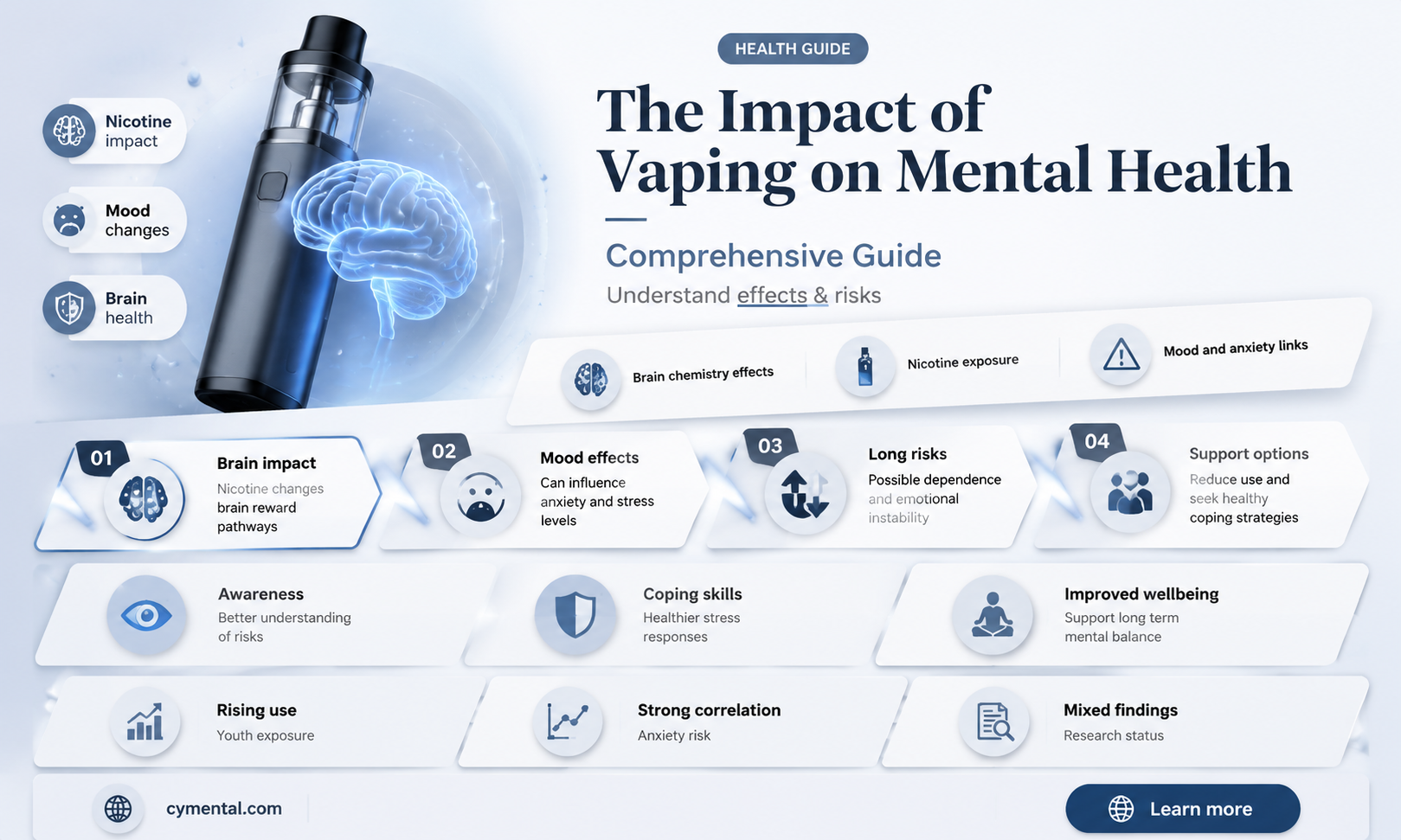
Vaping, the act of inhaling and exhaling the aerosol produced by an electronic cigarette or similar device, has become a widespread phenomenon in recent years. While often marketed as a safer alternative to traditional smoking, the impact of vaping on mental health is a growing concern. Research suggests that vaping can have both positive and negative effects on mental well-being, depending on various factors such as the individual's prior mental health status, the frequency and intensity of vaping, and the type of substances being inhaled. For some, vaping may provide a temporary sense of relaxation or stress relief, while for others, it could exacerbate existing mental health conditions or even contribute to the development of new ones. Understanding the complex relationship between vaping and mental health is crucial for making informed decisions about its use and potential risks.
| Characteristics | Values |
|---|---|
| Anxiety | Increased anxiety levels due to nicotine dependence |
| Depression | Worsening of depressive symptoms, potential for suicidal thoughts |
| Mood Swings | Rapid changes in mood, irritability |
| Stress | Heightened stress response, difficulty coping with daily stressors |
| Sleep | Disrupted sleep patterns, insomnia |
| Cognitive Function | Impaired memory, concentration, and decision-making abilities |
| Addiction | Development of nicotine addiction, leading to compulsive vaping behavior |
| Social Impact | Isolation from non-vaping peers, potential for conflict with others |
| Self-Esteem | Lowered self-esteem, negative body image |
| Psychosis | Potential for psychotic episodes in individuals with underlying mental health conditions |
Explore related products


What You'll Learn
- Nicotine Addiction: Vaping can lead to nicotine dependence, causing anxiety, irritability, and mood swings
- Stress and Anxiety: The act of vaping may temporarily reduce stress, but long-term use can increase anxiety levels
- Depression: Regular vaping has been linked to increased symptoms of depression, particularly in young adults
- Sleep Disturbances: Nicotine in e-cigarettes can interfere with sleep patterns, leading to insomnia and poor sleep quality
- Cognitive Impairment: Vaping may affect cognitive functions such as memory, attention, and learning, especially in developing brains

Nicotine Addiction: Vaping can lead to nicotine dependence, causing anxiety, irritability, and mood swings
Nicotine, a highly addictive substance found in tobacco products and e-liquids, can have profound effects on mental health, particularly when inhaled through vaping. Research indicates that nicotine dependence can lead to a range of psychological symptoms, including anxiety, irritability, and mood swings. These symptoms can manifest quickly, often within a few hours of nicotine withdrawal, and can significantly impact an individual's daily functioning and overall well-being.
One of the primary concerns with vaping is the ease with which it can lead to nicotine addiction. Unlike traditional smoking, vaping allows for the rapid delivery of nicotine to the brain, increasing the risk of dependence. This is particularly problematic for young people, whose brains are still developing and are more susceptible to the addictive properties of nicotine. In fact, studies have shown that youth who vape are more likely to experience symptoms of anxiety and depression compared to their non-vaping peers.
The psychological impact of nicotine addiction can be further exacerbated by the social and environmental factors associated with vaping. For example, the normalization of vaping in certain social circles can create pressure to conform, leading to increased usage and subsequent addiction. Additionally, the marketing of vaping products as a safer alternative to smoking can contribute to a false sense of security, encouraging individuals to vape more frequently and in higher quantities.
Breaking free from nicotine addiction can be challenging, as it often requires addressing both the physical and psychological aspects of dependence. Strategies for overcoming nicotine addiction may include behavioral therapies, such as cognitive-behavioral therapy (CBT), as well as pharmacological interventions, like nicotine replacement therapy (NRT) or prescription medications. It is also important for individuals to have a strong support system in place, as social support can significantly enhance the chances of successful recovery.
In conclusion, the link between vaping, nicotine addiction, and mental health is a complex and multifaceted issue. By understanding the risks associated with nicotine dependence and the factors that contribute to addiction, individuals can make more informed decisions about their vaping habits and seek appropriate help if needed.
The Impact of Mental and Emotional Illnesses on Social Well-being
You may want to see also
Explore related products




Stress and Anxiety: The act of vaping may temporarily reduce stress, but long-term use can increase anxiety levels
The immediate relief that vaping can provide from stress is often cited as one of its appealing aspects. The inhalation of nicotine can stimulate the release of dopamine, a neurotransmitter associated with feelings of pleasure and relaxation. This quick fix can seem particularly attractive to individuals dealing with high levels of stress or anxiety. However, this short-term benefit comes with a caveat.
Long-term vaping can lead to an increase in anxiety levels due to the development of nicotine dependence. As the body becomes accustomed to regular nicotine intake, the absence of it can trigger withdrawal symptoms, which include anxiety, irritability, and restlessness. This creates a vicious cycle where the individual may feel compelled to vape more frequently to alleviate these symptoms, further reinforcing the dependence.
Moreover, the act of vaping itself can become a source of anxiety. The constant need to monitor nicotine levels, the fear of running out, and the social stigma associated with vaping can all contribute to heightened stress levels. Additionally, the potential health risks linked to vaping, such as respiratory issues and the unknown long-term effects of inhaling various chemicals, can loom large in the mind of the user, exacerbating anxiety.
Breaking free from this cycle requires a multifaceted approach. Cognitive-behavioral therapy (CBT) can be effective in addressing the underlying causes of anxiety and stress, while also providing strategies for managing cravings and withdrawal symptoms. Support groups and counseling services can offer a sense of community and guidance for those looking to quit vaping. Furthermore, alternative stress-relief techniques, such as meditation, exercise, or hobbies, can help individuals find healthier ways to cope with stress and reduce their reliance on vaping.
In conclusion, while vaping may offer temporary relief from stress, the long-term consequences for mental health can be significant. Understanding the complex relationship between vaping and anxiety is crucial for those looking to make informed decisions about their health and well-being. By addressing the root causes of stress and anxiety and exploring alternative coping mechanisms, individuals can break free from the cycle of vaping and improve their overall mental health.
Revitalize Your Mind: The Impact of Interior Design on Mental Health
You may want to see also
Explore related products






Depression: Regular vaping has been linked to increased symptoms of depression, particularly in young adults
Recent studies have uncovered a concerning link between regular vaping and increased symptoms of depression, particularly among young adults. This correlation suggests that the habit of vaping, which has become increasingly popular over the past decade, may have significant implications for mental health. Researchers believe that the chemicals found in e-cigarettes, such as nicotine and various flavorings, could be contributing to these depressive symptoms by affecting neurotransmitter function and brain chemistry.
One study published in the Journal of Adolescent Health found that young adults who reported vaping daily were more likely to experience symptoms of depression, such as feelings of sadness, hopelessness, and loss of interest in activities they once enjoyed. Another study, conducted by the Centers for Disease Control and Prevention (CDC), revealed that high school students who vape are more likely to report symptoms of depression and anxiety compared to their non-vaping peers. These findings are particularly alarming given the already high rates of depression among young people, which have been steadily increasing in recent years.
The exact mechanisms by which vaping may contribute to depression are still being studied, but some researchers speculate that the addictive nature of nicotine could be playing a role. Nicotine addiction can lead to feelings of irritability, restlessness, and anxiety when individuals are unable to vape, which could exacerbate underlying depressive symptoms. Additionally, the social and environmental factors associated with vaping, such as peer pressure and exposure to secondhand vapor, may also contribute to the development of depression.
It is important to note that while these studies suggest a link between vaping and depression, they do not prove causation. Further research is needed to fully understand the relationship between these two variables and to determine whether vaping is a contributing factor to depression or simply a coping mechanism for individuals who are already experiencing mental health issues. In the meantime, public health officials and mental health professionals are urging young people to be aware of the potential risks associated with vaping and to seek help if they are struggling with symptoms of depression or anxiety.
The Impact of Procrastination on Mental Health: A Comprehensive Guide
You may want to see also
Explore related products

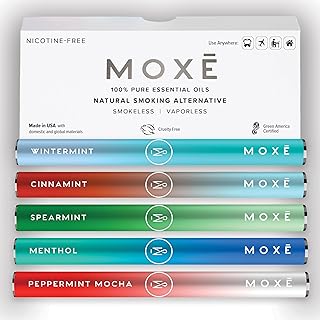


Sleep Disturbances: Nicotine in e-cigarettes can interfere with sleep patterns, leading to insomnia and poor sleep quality
Nicotine, a stimulant found in e-cigarettes, has been shown to disrupt sleep patterns, leading to insomnia and poor sleep quality. This is because nicotine can interfere with the body's natural sleep-wake cycle, making it harder to fall asleep and stay asleep. Vapers may find themselves tossing and turning at night, struggling to get the restful sleep they need.
One of the ways nicotine affects sleep is by increasing heart rate and blood pressure, which can make it difficult to relax and wind down before bed. Additionally, nicotine can suppress the production of melatonin, a hormone that regulates sleep. This can lead to a decrease in the quality of sleep, causing vapers to feel groggy and fatigued during the day.
Furthermore, the blue light emitted by e-cigarette screens can also interfere with sleep. Exposure to blue light, especially in the evening, can suppress melatonin production and make it harder to fall asleep. Vapers who use their devices before bed may be unknowingly sabotaging their sleep.
It's important for vapers to be aware of the potential sleep disturbances caused by nicotine and to take steps to mitigate these effects. This could include avoiding vaping close to bedtime, using e-cigarettes with lower nicotine levels, or seeking alternative methods to manage sleep, such as meditation or sleep hygiene practices. By being mindful of the impact of vaping on sleep, vapers can take better care of their mental health and overall well-being.
Understanding Grief's Impact: How Loss Affects Mental Health
You may want to see also
Explore related products


Cognitive Impairment: Vaping may affect cognitive functions such as memory, attention, and learning, especially in developing brains
Recent studies have shown a concerning link between vaping and cognitive impairment, particularly in young individuals whose brains are still developing. The inhalation of e-cigarette aerosols containing nicotine and other chemicals can interfere with normal brain function, affecting areas responsible for memory, attention, and learning.
One of the primary concerns is the impact of nicotine on the developing brain. Nicotine is a neurotoxin that can disrupt the formation of neural connections, leading to long-term cognitive deficits. Adolescents and young adults are especially vulnerable due to their brains being in a critical stage of development. Exposure to nicotine during this period can result in reduced attention span, impaired memory retention, and difficulties with learning new information.
Furthermore, the chemicals found in e-cigarette aerosols, such as formaldehyde and acrolein, have been shown to cause oxidative stress and inflammation in the brain. This can lead to the degradation of brain cells and the disruption of normal cognitive processes. Research has also indicated that vaping may affect the brain's reward system, potentially leading to addiction and further cognitive decline.
It is important to note that the effects of vaping on cognitive function are not limited to young individuals. Adults who vape may also experience cognitive impairment, although the impact may be less pronounced due to the brain's reduced plasticity with age. However, the long-term consequences of vaping on cognitive health are still not fully understood and require further investigation.
In conclusion, the potential for cognitive impairment due to vaping is a significant concern that warrants attention from both the public and healthcare professionals. Education and awareness campaigns should focus on the risks associated with vaping, particularly for young people, and encourage individuals to consider the potential long-term effects on their cognitive health.
Navigating Choices: The Impact of Stress and Mental Health on Decision-Making
You may want to see also
Frequently asked questions
Yes, vaping can potentially lead to anxiety and depression. Nicotine, a substance found in many vaping products, can interfere with the brain's natural chemistry, leading to mood swings and increased anxiety levels. Additionally, the act of vaping can become a compulsive behavior, contributing to feelings of depression when trying to quit.
Vaping can negatively impact cognitive function, particularly in young people whose brains are still developing. Nicotine exposure has been linked to reduced attention span, impaired memory, and decreased ability to concentrate. Furthermore, the inhalation of harmful chemicals in vaping products can lead to oxidative stress, which may damage brain cells and hinder cognitive performance.
While more research is needed to establish a definitive link, there have been reports of vaping potentially triggering psychotic episodes in some individuals. The high levels of nicotine in vaping products can cause significant changes in brain activity, which may exacerbate underlying mental health conditions or contribute to the development of psychosis in susceptible individuals.