Noah Parker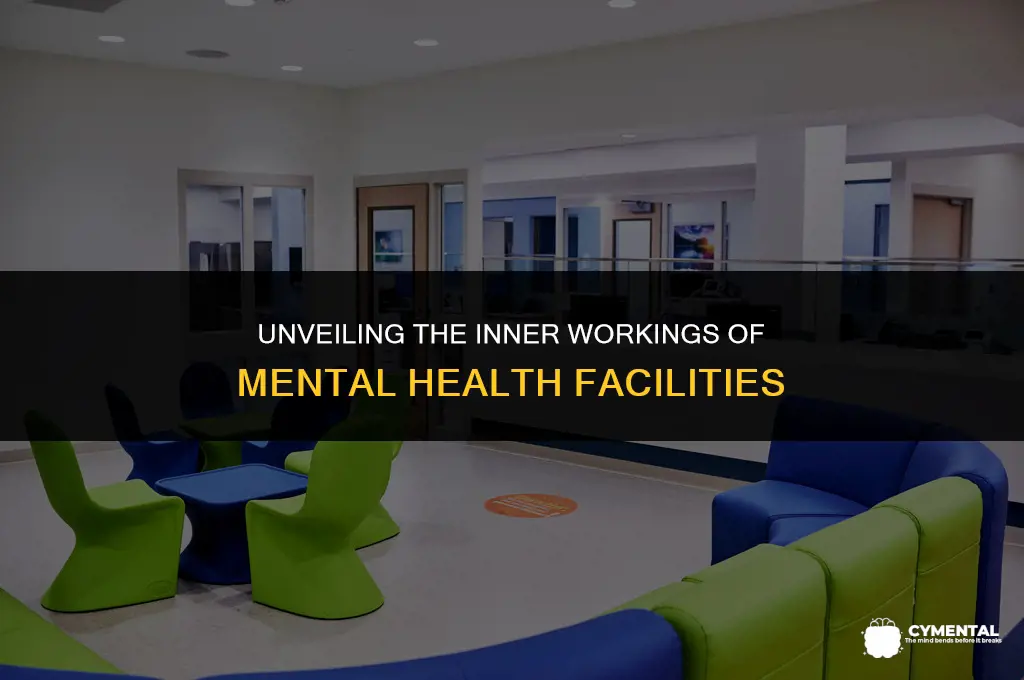
Mental hospitals, also known as psychiatric hospitals, are specialized healthcare facilities designed to provide intensive care and treatment for individuals experiencing severe mental health issues. These institutions play a crucial role in the mental healthcare system by offering a safe and controlled environment where patients can receive comprehensive medical and therapeutic interventions. The primary goal of mental hospitals is to stabilize patients, alleviate their symptoms, and equip them with the necessary skills and resources to manage their conditions effectively upon discharge. Treatment approaches in mental hospitals typically involve a multidisciplinary team of psychiatrists, psychologists, social workers, and other mental health professionals who collaborate to develop individualized care plans tailored to each patient's unique needs. These plans may include medication management, psychotherapy, group therapy, and various other evidence-based interventions aimed at promoting recovery and improving overall well-being.
| Characteristics | Values |
|---|---|
| Purpose | Provide treatment and care for individuals with mental health disorders |
| Types of Patients | Individuals with severe mental illnesses, such as schizophrenia, bipolar disorder, depression, anxiety disorders, and personality disorders |
| Admission Process | Typically involves a psychiatric evaluation to determine the need for inpatient care. Admissions can be voluntary or involuntary, depending on the jurisdiction and the individual's capacity to make decisions. |
| Treatment Approaches | Multidisciplinary teams, including psychiatrists, psychologists, social workers, and nurses, provide a range of treatments such as medication management, psychotherapy, group therapy, and behavioral interventions. |
| Length of Stay | Varies depending on the individual's condition and treatment needs. Some stays may be short-term (a few days to a few weeks), while others may be long-term (several months to years). |
| Facilities | Secure units with controlled access, private rooms or wards, common areas for activities and socialization, and outdoor spaces for recreation and exercise. |
| Staffing | 24-hour nursing care, on-call psychiatrists, and regular visits from other mental health professionals. |
| Patient Rights | Patients have rights to privacy, confidentiality, and to be informed about their treatment plans and medications. They also have the right to refuse treatment, subject to certain legal and clinical limitations. |
| Discharge Planning | Begins at the time of admission and involves developing a plan for the patient's transition back to the community. This may include arranging for outpatient services, housing, and employment support. |
| Aftercare | Ongoing support and treatment provided after discharge, which may include outpatient therapy, medication management, and community-based services. |
| Accreditation and Regulation | Mental hospitals are typically accredited by national or state-level organizations and are subject to regular inspections and regulations to ensure quality of care and patient safety. |
| Cost | Varies depending on the type of facility, length of stay, and treatment provided. Costs can be covered by insurance, government funding, or private payment. |
| Availability | Mental hospitals are available in many countries, but access may be limited in some regions due to funding constraints or lack of resources. |
| Stigma and Controversy | Mental hospitals have historically been associated with stigma and controversy, but efforts have been made in recent years to improve public perception and promote more humane and effective treatment approaches. |
| Research and Innovation | Mental hospitals often participate in research studies and clinical trials to advance the understanding and treatment of mental health disorders. |
Explore related products


What You'll Learn
- Admission Process: Criteria for entry, types of referrals, and initial assessment procedures
- Treatment Programs: Overview of therapy options, medication management, and individualized care plans
- Daily Life: Patient routines, recreational activities, and social interactions within the facility
- Security Measures: Safety protocols, patient monitoring, and emergency response systems
- Discharge Planning: Preparing patients for release, aftercare programs, and community reintegration support

Admission Process: Criteria for entry, types of referrals, and initial assessment procedures
Individuals seeking admission to a mental hospital typically undergo a rigorous evaluation process to determine the appropriateness of inpatient care. This process often begins with a referral from a primary care physician, psychiatrist, or other mental health professional. Referrals can also come from emergency services, social workers, or even family members in some cases. Once a referral is made, the individual is usually assessed by a multidisciplinary team that may include psychiatrists, psychologists, nurses, and social workers.
The initial assessment typically involves a comprehensive review of the individual's medical and psychiatric history, as well as a current mental status examination. This examination may include interviews with the individual, observations of their behavior, and consultations with family members or other caregivers. The team will also consider the individual's current living situation, social support network, and any previous hospitalizations or treatment programs.
In addition to the mental status examination, the assessment process may also involve physical examinations, laboratory tests, and imaging studies to rule out any underlying medical conditions that could be contributing to the individual's symptoms. The team will then use this information to develop a diagnosis and determine the most appropriate level of care for the individual.
If inpatient care is deemed necessary, the individual will be admitted to the mental hospital and assigned to a specific unit based on their diagnosis and treatment needs. The length of stay will vary depending on the individual's condition and response to treatment, but it is typically several days to a few weeks. During their stay, the individual will participate in a variety of therapeutic activities, including individual and group therapy, medication management, and psychoeducation.
Upon discharge, the individual will be provided with a discharge plan that outlines their ongoing treatment needs, including any necessary medications, therapy appointments, and support services. The goal of the admission process is to ensure that individuals receive the most appropriate and effective care for their mental health needs, while also minimizing the risk of harm to themselves or others.
Exploring the Impact of Mental Hospitalization on Future Opportunities
You may want to see also
Explore related products





Treatment Programs: Overview of therapy options, medication management, and individualized care plans
In mental hospitals, treatment programs are tailored to address the unique needs of each patient. These programs typically encompass a range of therapeutic options, medication management, and individualized care plans designed to promote recovery and improve overall mental health.
Therapy options may include individual psychotherapy, group therapy, cognitive-behavioral therapy (CBT), dialectical behavior therapy (DBT), and other evidence-based approaches. These therapies aim to help patients understand and manage their symptoms, develop coping strategies, and improve their interpersonal relationships.
Medication management is another crucial component of treatment programs in mental hospitals. Psychiatrists and other healthcare professionals work closely with patients to determine the most effective medication regimen for their specific condition. This may involve the use of antidepressants, antipsychotics, mood stabilizers, or other psychiatric medications. Regular monitoring and adjustments are made to ensure optimal efficacy and minimize side effects.
Individualized care plans are developed for each patient, taking into account their unique needs, goals, and preferences. These plans may include a combination of therapy, medication, and other interventions such as occupational therapy, recreational therapy, and social skills training. Care plans are regularly reviewed and updated to reflect the patient's progress and changing needs.
In addition to these core components, treatment programs in mental hospitals may also incorporate complementary therapies such as art therapy, music therapy, and mindfulness-based interventions. These approaches can help patients express themselves, reduce stress, and improve their overall well-being.
Overall, the goal of treatment programs in mental hospitals is to provide comprehensive, individualized care that addresses the complex needs of patients with mental health conditions. By combining evidence-based therapies, medication management, and personalized care plans, mental hospitals aim to promote recovery, improve quality of life, and support patients in achieving their full potential.
Exploring the Current Status of State Mental Hospitals: A Comprehensive Overview
You may want to see also
Explore related products


$11

$37.98 $80


Daily Life: Patient routines, recreational activities, and social interactions within the facility
Patients in mental health facilities typically follow a structured daily routine designed to promote stability and recovery. Mornings often begin with a wake-up call, followed by personal hygiene activities and breakfast. Medication rounds are common, with nurses administering prescribed treatments and monitoring patients' responses. Therapy sessions, both individual and group, are scheduled throughout the day, providing patients with opportunities to work through their issues and develop coping strategies.
Recreational activities play a crucial role in the therapeutic process, offering patients a chance to engage in enjoyable pursuits and develop social skills. Facilities often provide a range of options, such as art and music therapy, sports, games, and outdoor activities. These activities not only serve as a distraction from symptoms but also help patients build self-esteem and a sense of accomplishment.
Social interactions within the facility are encouraged, as they can contribute to a sense of community and support. Patients may participate in group meals, socialize in common areas, or engage in collaborative activities. Staff members often facilitate these interactions, ensuring a safe and supportive environment. Family visits and phone calls may also be scheduled, allowing patients to maintain connections with their loved ones.
The daily life of a patient in a mental health facility is carefully designed to balance structure with flexibility, providing a framework for recovery while also accommodating individual needs and preferences. By offering a variety of routines, recreational activities, and social opportunities, facilities aim to create a holistic and supportive environment that fosters healing and growth.
Seeking Help: A Guide to Voluntary Psychiatric Admission
You may want to see also
Explore related products


Security Measures: Safety protocols, patient monitoring, and emergency response systems
Mental health facilities prioritize security measures to ensure the safety of patients, staff, and visitors. These measures encompass a range of protocols and systems designed to prevent incidents and respond effectively in case of emergencies.
One critical aspect of security in mental hospitals is patient monitoring. This involves continuous observation of patients to identify any signs of distress, agitation, or potential harm to themselves or others. Monitoring can be conducted through various means, including video surveillance, regular staff checks, and the use of wearable devices that track vital signs and movement.
Safety protocols are another essential component of security measures. These protocols outline procedures for handling different situations, such as patient escapes, violent behavior, or medical emergencies. Staff members are trained to follow these protocols to minimize risks and ensure a swift and appropriate response.
Emergency response systems play a vital role in managing crises within mental health facilities. These systems include communication tools, such as emergency call buttons and radios, as well as procedures for summoning external emergency services when necessary. Regular drills and training exercises are conducted to ensure that staff members are familiar with these systems and can respond effectively in high-pressure situations.
In addition to these measures, mental hospitals often implement access control systems to regulate entry and exit. This may involve the use of keycards, biometric scanners, or security personnel to monitor and restrict access to certain areas of the facility.
Overall, security measures in mental hospitals are multifaceted and require a coordinated effort from all staff members. By implementing robust safety protocols, patient monitoring systems, and emergency response plans, these facilities can provide a secure environment for patients to receive the care they need.
Understanding Mental Health Care Options for Young Children
You may want to see also
Explore related products


$21.99 $49.99


$15.88 $86.99


Discharge Planning: Preparing patients for release, aftercare programs, and community reintegration support
Discharge planning is a critical component of mental health care, ensuring that patients are adequately prepared for their transition from hospital to community living. This process involves a multidisciplinary team, including psychiatrists, social workers, nurses, and therapists, who collaborate to develop a comprehensive plan tailored to each patient's unique needs. The goal is to provide a smooth and supported transition that minimizes the risk of relapse and promotes long-term recovery.
The planning process begins at the time of admission, with the team assessing the patient's current needs, strengths, and challenges. This includes evaluating their mental health status, medical conditions, social support network, and housing situation. Based on this assessment, the team develops a discharge plan that outlines specific goals, interventions, and resources required to achieve a successful transition.
A key aspect of discharge planning is the identification and coordination of aftercare programs. These programs provide ongoing support and services to patients after they leave the hospital, helping them to maintain their mental health and integrate into the community. Aftercare programs can include outpatient therapy, medication management, vocational training, and housing assistance. The discharge team works closely with these programs to ensure that patients have access to the services they need and that there is a clear plan for follow-up care.
Community reintegration support is another essential element of discharge planning. This involves helping patients to rebuild their social connections, find employment or educational opportunities, and access community resources. The discharge team may also work with the patient's family and friends to provide education and support, helping them to understand the patient's needs and how they can best assist in the recovery process.
Effective discharge planning requires careful attention to detail and a commitment to collaboration among all members of the healthcare team. By working together to develop a comprehensive and individualized plan, mental health professionals can help patients to achieve a successful transition from hospital to community living, promoting long-term recovery and improving overall quality of life.
Understanding the Financial Aspects of Mental Health Care: Do Mental Hospitals Cost Money?
You may want to see also
Frequently asked questions
The primary purpose of a mental hospital is to provide intensive psychiatric care and treatment to individuals with severe mental health disorders. These facilities offer a controlled environment where patients can receive 24-hour supervision, medication management, therapy sessions, and other specialized interventions aimed at stabilizing their condition and improving their overall well-being.
Mental hospitals typically offer a range of treatments, including:
- Medication management: Psychiatrists prescribe and monitor medications to help manage symptoms.
- Individual therapy: Patients meet one-on-one with therapists to address personal issues and develop coping strategies.
- Group therapy: Patients participate in group sessions to practice social skills, share experiences, and support one another.
- Cognitive-behavioral therapy (CBT): A structured form of therapy that helps patients identify and change negative thought patterns and behaviors.
- Electroconvulsive therapy (ECT): A medical procedure that uses electrical currents to stimulate the brain, often used for severe depression or other treatment-resistant conditions.
- Recreational therapy: Activities such as art, music, or exercise are used to promote relaxation, self-expression, and physical well-being.
Mental hospitals implement various measures to ensure patient safety and security, including:
- 24-hour supervision: Staff members are present around the clock to monitor patients and intervene if necessary.
- Secure facilities: Mental hospitals often have locked units or wards to prevent patients from leaving without authorization.
- Safety protocols: Staff are trained to handle emergencies, such as suicidal ideation or aggressive behavior, and facilities are equipped with emergency response systems.
- Patient risk assessments: Regular evaluations are conducted to identify potential risks and develop strategies to mitigate them.
- Visitor screening: Visitors may be required to undergo background checks or security screenings before being allowed to see patients.
The criteria for admission to a mental hospital vary depending on the facility and the individual's circumstances. However, common criteria include:
- A diagnosis of a severe mental health disorder, such as schizophrenia, bipolar disorder, or major depressive disorder.
- Symptoms that are significantly impairing the individual's ability to function in daily life.
- A risk of harm to oneself or others, such as suicidal thoughts or aggressive behavior.
- A need for intensive treatment and supervision that cannot be provided in a less restrictive setting, such as outpatient therapy or a halfway house.
- Voluntary admission or involuntary commitment, depending on the individual's capacity to make decisions about their own care.