Madison Cole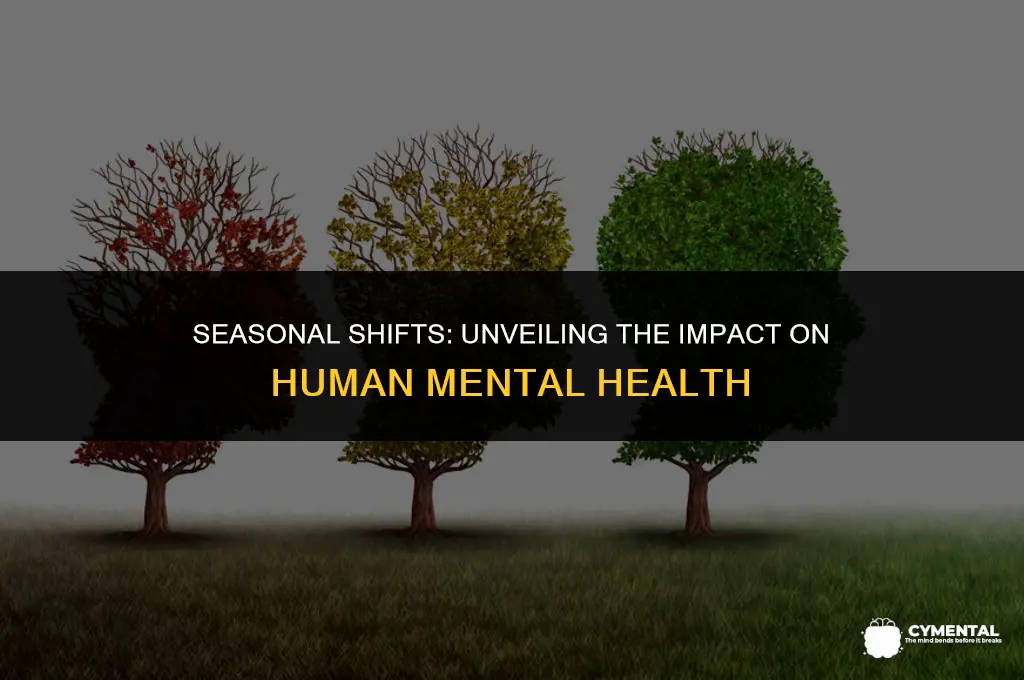
The changing seasons have a profound impact on human mental health, influencing our mood, energy levels, and overall well-being. As the days grow shorter and temperatures drop, many individuals experience a shift in their emotional state, often feeling more introspective and subdued. This phenomenon is closely linked to the body's natural response to seasonal changes, particularly the fluctuations in serotonin and melatonin levels triggered by varying exposure to sunlight. Furthermore, the transition from vibrant summer landscapes to the stark beauty of autumn and the often bleak winter months can evoke a sense of melancholy or nostalgia. Understanding these seasonal effects on mental health is crucial for developing strategies to mitigate their negative impacts and harness the positive aspects of each season to foster emotional resilience and well-being.
| Characteristics | Values |
|---|---|
| Seasonal Affective Disorder (SAD) | Increased symptoms of depression and anxiety during winter months due to reduced sunlight exposure |
| Mood fluctuations | Changes in mood and energy levels throughout the year, with some individuals experiencing heightened emotions during certain seasons |
| Sleep patterns | Altered sleep duration and quality, with longer sleep in winter and shorter sleep in summer |
| Vitamin D levels | Decreased vitamin D levels in winter due to limited sun exposure, which can impact mental health |
| Social behavior | Changes in social behavior, with increased social withdrawal in winter and more social engagement in summer |
| Cognitive function | Variations in cognitive performance, with some studies showing improved memory and attention in summer |
| Hormonal changes | Fluctuations in hormone levels, such as melatonin and serotonin, which can influence mood and sleep patterns |
| Environmental factors | Impact of weather conditions, such as temperature, humidity, and air quality, on mental health and well-being |
| Cultural influences | Different cultural practices and traditions associated with each season, which can affect mental health and social interactions |
| Individual differences | Variations in how individuals experience and respond to seasonal changes, based on factors such as age, gender, and personal history |
Explore related products


What You'll Learn

Seasonal Affective Disorder (SAD): Symptoms and Diagnosis
Seasonal Affective Disorder (SAD) is a type of depression that occurs at certain times of the year, typically in the winter months when daylight hours are shorter. SAD is characterized by symptoms such as low mood, loss of energy, difficulty concentrating, and changes in appetite and sleep patterns. These symptoms can be severe enough to interfere with daily functioning and may persist for several months.
Diagnosing SAD involves ruling out other types of depression and mental health conditions. A healthcare professional may use a combination of physical exams, psychological evaluations, and blood tests to determine if a person has SAD. They may also ask about the person's symptoms, medical history, and any seasonal patterns in their mood and behavior.
One unique aspect of SAD is its seasonal nature. Unlike other types of depression, SAD symptoms tend to occur at the same time every year, typically in the fall or winter months. This seasonal pattern is thought to be related to changes in the body's internal clock, or circadian rhythm, which is influenced by the amount of daylight exposure.
Another distinctive feature of SAD is its prevalence in certain geographic regions. SAD is more common in areas with shorter daylight hours during the winter months, such as the northern United States, Canada, and parts of Europe. This suggests that the disorder may be related to the body's response to changes in light exposure.
Treatment for SAD often involves a combination of light therapy, medication, and psychotherapy. Light therapy, which involves exposure to bright artificial light, can help regulate the body's internal clock and improve mood. Medications such as antidepressants may also be used to treat SAD symptoms. Psychotherapy, or talk therapy, can help individuals cope with the emotional impact of SAD and develop strategies for managing their symptoms.
In conclusion, Seasonal Affective Disorder (SAD) is a unique type of depression that occurs at certain times of the year, typically in the winter months. It is characterized by symptoms such as low mood, loss of energy, and changes in appetite and sleep patterns. Diagnosing SAD involves ruling out other types of depression and mental health conditions, and treatment often involves a combination of light therapy, medication, and psychotherapy.
Navigating Court-Ordered Mental Health Evaluations: A Comprehensive Guide
You may want to see also
Explore related products


Impact of Sunlight on Mood and Energy Levels
Sunlight plays a crucial role in regulating our mood and energy levels, primarily through its influence on the production of serotonin and melatonin. Serotonin, often referred to as the "feel-good" hormone, is synthesized in the brain with the help of sunlight exposure. This neurotransmitter is vital for maintaining a positive mood, regulating sleep patterns, and enhancing overall well-being. Conversely, melatonin, the hormone responsible for inducing sleep, is produced in the absence of sunlight. The balance between these two hormones is delicately maintained by our exposure to natural light, which fluctuates with the changing seasons.
During the summer months, when days are longer and sunlight is more abundant, individuals typically experience higher serotonin levels, leading to improved mood and increased energy. This is why many people feel more vibrant and active during this time of year. On the other hand, the shorter days and reduced sunlight exposure of winter can result in lower serotonin levels and higher melatonin production, contributing to feelings of lethargy, sadness, and decreased motivation. This seasonal variation in sunlight exposure can significantly impact mental health, with some individuals experiencing more pronounced mood changes than others.
One effective strategy for mitigating the negative effects of reduced sunlight exposure during winter is to use light therapy. Light therapy involves sitting in front of a specialized light box that emits bright, artificial light, mimicking the intensity of natural sunlight. This treatment has been shown to increase serotonin production and alleviate symptoms of seasonal affective disorder (SAD), a condition characterized by recurrent episodes of depression during the winter months. For optimal results, light therapy should be administered in the morning, as this timing most closely aligns with the body's natural circadian rhythm.
In addition to light therapy, there are several other practical steps individuals can take to maintain their mood and energy levels during periods of reduced sunlight exposure. Engaging in regular physical activity, for example, can help boost serotonin production and improve overall mental health. Similarly, consuming a balanced diet rich in omega-3 fatty acids, vitamin D, and other essential nutrients can support brain function and mitigate the effects of seasonal mood changes. Finally, establishing a consistent sleep schedule and creating a relaxing bedtime routine can help regulate melatonin production and ensure restful sleep, even during the darker winter months.
In conclusion, the impact of sunlight on mood and energy levels is a critical aspect of understanding how changing seasons affect human mental health. By recognizing the role of serotonin and melatonin in regulating our mood and energy, and by implementing strategies such as light therapy, regular exercise, and a balanced diet, individuals can better navigate the seasonal fluctuations in sunlight exposure and maintain their overall well-being throughout the year.
Empowering Baytown: A Guide to Mental Health Volunteering Opportunities
You may want to see also
Explore related products


Seasonal Changes in Sleep Patterns and Duration
As the seasons change, so do our sleep patterns and duration. Research has shown that the amount of daylight we receive each day has a significant impact on our circadian rhythms, which in turn affects our sleep. During the summer months, when the days are longer, our bodies tend to produce more melatonin, a hormone that regulates sleep, later in the day. This can lead to later bedtimes and longer sleep durations. Conversely, during the winter months, when the days are shorter, our bodies produce melatonin earlier, leading to earlier bedtimes and shorter sleep durations.
The impact of seasonal changes on sleep is not limited to the amount of daylight we receive. Temperature and humidity also play a role. In the summer, high temperatures and humidity can make it difficult to fall asleep and stay asleep, leading to disrupted sleep patterns. In the winter, cold temperatures can make it harder to fall asleep, while the dry air can lead to congestion and other respiratory issues that can also disrupt sleep.
These changes in sleep patterns and duration can have a significant impact on our mental health. Lack of sleep or disrupted sleep can lead to fatigue, irritability, and difficulty concentrating, which can all contribute to feelings of anxiety and depression. Additionally, the changes in sleep patterns can disrupt our daily routines, leading to further stress and anxiety.
To mitigate the impact of seasonal changes on sleep, there are several strategies we can employ. Maintaining a consistent sleep schedule, regardless of the season, can help regulate our circadian rhythms and improve sleep quality. Creating a sleep-conducive environment, such as keeping the bedroom cool, dark, and quiet, can also help improve sleep. Additionally, practicing good sleep hygiene, such as avoiding caffeine and electronics before bedtime, can help promote better sleep.
In conclusion, seasonal changes can have a significant impact on our sleep patterns and duration, which in turn can affect our mental health. By understanding these changes and employing strategies to mitigate their impact, we can better maintain our mental well-being throughout the year.
Unlocking Opportunities: Your Guide to Becoming a Certified Mental Health Technician
You may want to see also
Explore related products


Influence of Weather on Outdoor Activities and Social Interaction
The influence of weather on outdoor activities and social interaction is a critical aspect of understanding how changing seasons impact human mental health. Research indicates that exposure to natural sunlight and engaging in outdoor activities can significantly boost mood and overall well-being. During the warmer months, people are more likely to spend time outside, participating in activities such as hiking, biking, or simply enjoying a walk in the park. This increased outdoor time can lead to higher levels of physical activity, which is known to reduce stress and anxiety.
Conversely, colder and more inclement weather can lead to a decrease in outdoor activities, potentially resulting in a decline in mental health. The lack of sunlight during winter months can contribute to Seasonal Affective Disorder (SAD), a type of depression that occurs at certain times of the year, usually in the winter. SAD is believed to be caused by a disruption in the body's internal clock, which can be exacerbated by shorter daylight hours and less exposure to natural light.
Social interaction is also heavily influenced by the weather. During pleasant weather conditions, people are more likely to gather outdoors for social events, such as picnics, barbecues, or outdoor festivals. These social interactions can foster a sense of community and belonging, which are essential for mental well-being. On the other hand, harsh weather conditions can lead to social isolation, as people may be less inclined to venture out and engage with others.
To mitigate the negative impacts of weather on mental health, it is essential to find ways to stay active and socially connected regardless of the season. This could involve joining indoor sports teams, participating in community events, or simply making an effort to reach out to friends and family during times when outdoor activities are less feasible. By maintaining a consistent level of physical activity and social interaction, individuals can better manage the mental health challenges posed by changing seasons and weather conditions.
Unraveling the Costs: Who Bears the Burden of Court-Ordered Mental Health Evaluations?
You may want to see also
Explore related products




Coping Strategies for Seasonal Mental Health Fluctuations
As the seasons change, many individuals experience fluctuations in their mental health. These shifts can be attributed to various factors, including changes in sunlight exposure, temperature, and social routines. To effectively cope with seasonal mental health fluctuations, it is essential to develop a personalized toolkit of strategies.
One effective coping strategy is to maintain a consistent daily routine, regardless of the season. This includes regular sleep and wake times, as well as scheduled periods for exercise, work, and leisure activities. Establishing a routine can help regulate the body's internal clock and reduce the impact of seasonal changes on mental health.
Another important strategy is to prioritize self-care during times of seasonal transition. This may involve engaging in activities that promote relaxation and stress reduction, such as meditation, yoga, or spending time in nature. Additionally, it is crucial to maintain a healthy diet and stay hydrated, as nutritional deficiencies can exacerbate mental health symptoms.
Social support is also a vital component of coping with seasonal mental health fluctuations. Connecting with friends and family, joining support groups, or seeking professional counseling can help individuals feel less isolated and more equipped to manage their symptoms. Furthermore, it is important to be proactive in seeking help when needed, rather than waiting for symptoms to worsen.
Finally, it is essential to be aware of the potential risks associated with seasonal mental health fluctuations, such as increased suicidal ideation or substance abuse. If experiencing severe symptoms, it is crucial to seek immediate help from a mental health professional or crisis hotline. By being prepared and proactive, individuals can better navigate the challenges posed by seasonal changes and maintain their mental well-being.
Navigating Recovery: Understanding the Role of Halfway Houses in Mental Health
You may want to see also
Frequently asked questions
Seasonal changes can significantly impact mood and energy levels. During autumn and winter, shorter days and reduced sunlight can lead to feelings of lethargy and depression, often referred to as Seasonal Affective Disorder (SAD). Conversely, spring and summer bring longer days and more sunlight, which can boost mood and energy.
Each season can bring its own set of mental health challenges. For instance, winter is often linked to SAD, characterized by feelings of sadness and fatigue. Spring can trigger anxiety in some individuals, possibly due to the pressure of new beginnings or allergies. Summer might exacerbate stress and irritability, especially in hot climates. Autumn can bring a sense of melancholy as the days shorten and the weather cools.
Yes, there are several strategies to help mitigate the negative mental health effects of seasonal changes. These include maintaining a regular sleep schedule, engaging in physical activity, ensuring adequate vitamin D intake, practicing mindfulness and meditation, and seeking professional help if symptoms persist or worsen.
Preparing mentally for seasonal transitions can involve setting realistic expectations, creating a routine that accommodates changes in daylight and temperature, and focusing on self-care practices. It's also beneficial to reflect on past experiences with seasonal changes and identify coping mechanisms that have been effective in the past. Planning activities that align with the upcoming season can also help in making a smoother transition.