Lucas Bennett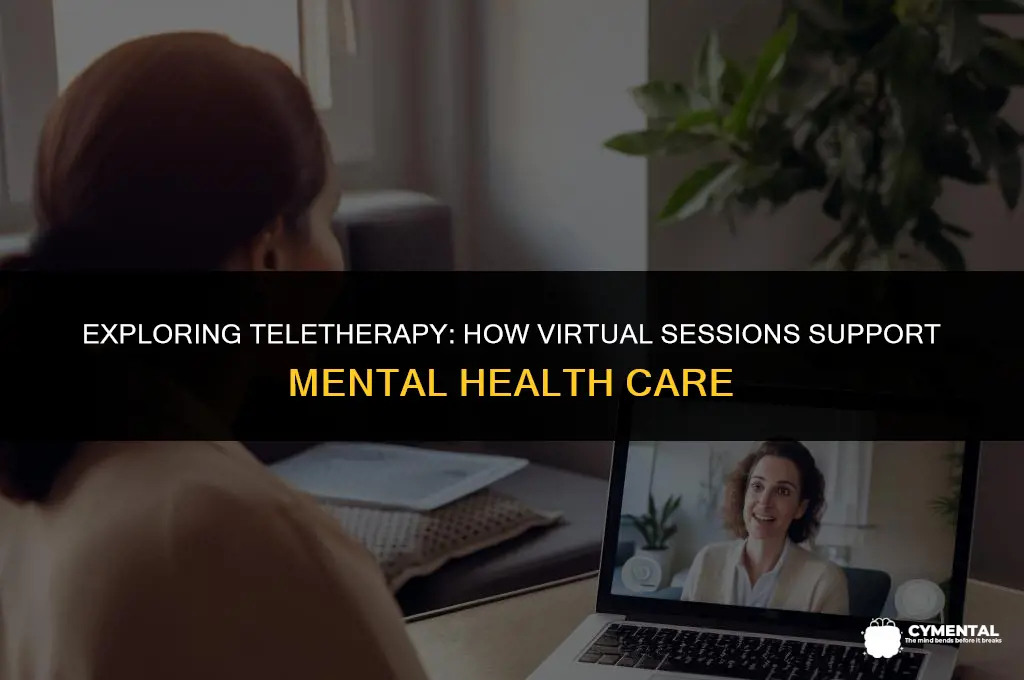
Teletherapy services have revolutionized mental health care by providing convenient and accessible treatment options for individuals seeking support. Through secure video conferencing platforms, licensed therapists can conduct sessions with clients from the comfort of their own homes, eliminating geographical barriers and reducing the need for in-person visits. This approach is particularly beneficial for those living in remote areas, individuals with mobility issues, or anyone seeking the flexibility to attend therapy sessions without disrupting their daily routines. Teletherapy also ensures continuity of care, allowing clients to maintain their therapeutic relationships even when circumstances change. As technology continues to advance, teletherapy services are becoming increasingly sophisticated, incorporating tools such as virtual reality and mobile apps to enhance the therapeutic experience and improve outcomes.
| Characteristics | Values |
|---|---|
| Accessibility | Teletherapy services can be accessed from any location with a stable internet connection, making it convenient for individuals who live in remote areas or have mobility issues. |
| Flexibility | Clients can schedule appointments at a time that suits them best, without having to worry about commuting or taking time off work. |
| Cost-effectiveness | Teletherapy can be more affordable than traditional in-person therapy, as it eliminates the need for travel expenses and reduces overhead costs for providers. |
| Privacy | Sessions are conducted in a secure and confidential environment, ensuring that clients feel comfortable discussing sensitive topics. |
| Qualified professionals | Teletherapy services are typically provided by licensed and experienced mental health professionals, ensuring that clients receive high-quality care. |
| Variety of modalities | Teletherapy can be conducted through various platforms, such as video conferencing, phone calls, or messaging, allowing clients to choose the modality that best suits their needs and preferences. |
| Continuity of care | Clients can maintain ongoing therapy sessions with their preferred provider, even if they move to a different location. |
| Increased reach | Teletherapy services can reach a wider audience, including individuals who may not have access to traditional mental health care services due to geographic or financial constraints. |
| Reduced stigma | The convenience and accessibility of teletherapy may help reduce the stigma associated with seeking mental health care, encouraging more individuals to seek help when needed. |
| Evidence-based | Research has shown that teletherapy can be an effective treatment option for various mental health conditions, with outcomes comparable to in-person therapy. |
Explore related products


What You'll Learn
- Initial Consultation: Patients contact teletherapy platforms via phone or online, scheduling an initial session
- Platform Setup: Patients download necessary software or apps, ensuring device compatibility and internet connectivity
- Session Conduct: Therapists and patients engage in virtual sessions, utilizing video conferencing tools for real-time interaction
- Payment and Insurance: Patients handle payment post-session, often through secure online portals, with insurance coverage varying
- Follow-up and Resources: Therapists provide post-session summaries, recommending resources or scheduling follow-up appointments as needed

Initial Consultation: Patients contact teletherapy platforms via phone or online, scheduling an initial session
The initial consultation is a pivotal step in the teletherapy process, marking the beginning of a patient's journey towards mental health care. This first session is typically scheduled via phone or online platforms, offering convenience and accessibility to individuals seeking help. During this consultation, patients are often asked to provide basic personal information, including their name, contact details, and insurance information if applicable. This data is used to create a patient profile and to verify insurance coverage, ensuring a smooth and efficient process moving forward.
In addition to gathering personal information, the initial consultation serves as an opportunity for the teletherapy platform to assess the patient's needs and preferences. This may involve a brief questionnaire or a conversation with a representative, during which the patient can discuss their reasons for seeking therapy, their goals, and any specific concerns they may have. This information is crucial in matching the patient with a suitable therapist who has the expertise and experience to address their unique needs.
One of the key benefits of teletherapy is its ability to break down geographical barriers, allowing patients to access mental health care from the comfort of their own homes. This is particularly advantageous for individuals living in remote areas or those with mobility issues who may find it challenging to visit a traditional therapy office. Furthermore, teletherapy platforms often offer flexible scheduling options, enabling patients to book sessions at a time that suits their lifestyle and commitments.
Despite its many advantages, teletherapy is not without its challenges. One potential issue is the lack of face-to-face interaction, which can make it more difficult for therapists to pick up on nonverbal cues and build a strong rapport with their patients. Additionally, some individuals may find it harder to express themselves effectively through a screen or over the phone, which could impact the therapeutic process. However, many teletherapy platforms are working to address these concerns by investing in advanced technology and training their therapists to adapt their techniques to the virtual environment.
In conclusion, the initial consultation is a critical component of teletherapy services, setting the stage for a successful therapeutic relationship. By gathering essential information and assessing the patient's needs, teletherapy platforms can provide personalized care that is both convenient and effective. While there are challenges to be addressed, the benefits of teletherapy in expanding access to mental health care are undeniable, making it an increasingly popular option for individuals seeking support.
Understanding Inpatient Mental Health Stays: Duration and Factors
You may want to see also
Explore related products


$43.99 $43.99


Platform Setup: Patients download necessary software or apps, ensuring device compatibility and internet connectivity
To initiate teletherapy services, patients must first set up the necessary technological infrastructure. This involves downloading specific software or applications that facilitate secure and private communication with mental health professionals. It is crucial to ensure that the device being used, whether it's a smartphone, tablet, or computer, is compatible with the chosen platform. This may involve checking the device's operating system, processing power, and available storage space to guarantee smooth operation.
In addition to device compatibility, a stable and reliable internet connection is essential for uninterrupted teletherapy sessions. Patients should verify that their internet service provider offers sufficient bandwidth and speed to support video conferencing and other interactive features. It may also be beneficial to connect the device to a wired network, if possible, to minimize the risk of connectivity issues during sessions.
Once the necessary software or apps have been downloaded and installed, patients should familiarize themselves with the platform's features and functionalities. This may include setting up a user profile, scheduling appointments, and learning how to navigate the virtual therapy environment. It is important to note that different platforms may have varying levels of user-friendliness, so patients should not hesitate to seek assistance from the teletherapy service provider if they encounter any difficulties during the setup process.
To ensure a successful teletherapy experience, patients should also consider creating a comfortable and private space for their sessions. This may involve setting up a dedicated area in their home or office that is free from distractions and offers a sense of calm and relaxation. By taking the time to properly set up their technological infrastructure and create a conducive environment, patients can maximize the benefits of teletherapy and engage in meaningful and productive sessions with their mental health professionals.
Addressing the Absence: Why Women's Mental Health Month is Missing
You may want to see also
Explore related products


Session Conduct: Therapists and patients engage in virtual sessions, utilizing video conferencing tools for real-time interaction
Therapists and patients engage in virtual sessions, utilizing video conferencing tools for real-time interaction. This mode of therapy, known as teletherapy, has become increasingly popular due to its convenience and accessibility. In a teletherapy session, both the therapist and patient connect via a secure video platform, ensuring confidentiality and privacy. The session is conducted in a similar manner to an in-person session, with the therapist providing guidance, support, and feedback to the patient.
One of the key benefits of teletherapy is its ability to reach patients in remote or underserved areas. Patients who may not have access to mental health services in their local community can now receive therapy from the comfort of their own homes. Additionally, teletherapy can be more cost-effective than traditional in-person therapy, as it eliminates the need for travel and reduces overhead costs for therapists.
However, there are also some challenges associated with teletherapy. For example, therapists may find it more difficult to read nonverbal cues and body language through a video screen. Patients may also experience technical difficulties, such as poor internet connection or audio issues, which can disrupt the flow of the session. To mitigate these challenges, therapists and patients should ensure they have a reliable internet connection and a quiet, private space for the session.
Overall, teletherapy has the potential to revolutionize mental health care by making it more accessible and convenient for patients. As technology continues to improve, we can expect to see even more innovative approaches to virtual therapy sessions.
Exploring the Link: Spiritual Health and Mental-Emotional Well-being
You may want to see also
Explore related products




Payment and Insurance: Patients handle payment post-session, often through secure online portals, with insurance coverage varying
After completing a teletherapy session, patients are typically responsible for handling the payment process. This is often done through secure online portals provided by the teletherapy platform or the healthcare provider. These portals ensure that payment information is kept confidential and protected from unauthorized access. Patients may also have the option to pay via phone or mail, depending on the provider's policies.
Insurance coverage for teletherapy services can vary significantly. Some insurance plans may cover teletherapy sessions in full, while others may require a copay or coinsurance. It's also possible that some plans may not cover teletherapy at all, or may have specific requirements that need to be met in order for coverage to be approved. Patients are advised to check with their insurance provider before starting teletherapy to understand their coverage options and any potential out-of-pocket costs.
In some cases, teletherapy providers may offer sliding scale fees or financial assistance programs for patients who are uninsured or underinsured. These programs can help make teletherapy more accessible and affordable for those who may not be able to pay the full cost of services. Additionally, some employers may offer teletherapy services as part of their employee benefits package, which can help reduce the cost for employees.
When it comes to insurance reimbursement for teletherapy providers, the process can be more complex than for traditional in-person therapy. Providers may need to ensure that they are using the correct CPT codes and modifiers when billing insurance companies, and may also need to provide additional documentation to support the medical necessity of teletherapy services. This can include providing detailed session notes, treatment plans, and progress reports.
Overall, while teletherapy can offer many benefits in terms of convenience and accessibility, it's important for patients and providers to be aware of the potential payment and insurance challenges that may arise. By understanding these issues and taking steps to address them, both patients and providers can help ensure that teletherapy services are as effective and affordable as possible.
Exploring Mental Health Coverage with Blue Cross Blue Shield
You may want to see also
Explore related products


Follow-up and Resources: Therapists provide post-session summaries, recommending resources or scheduling follow-up appointments as needed
After a teletherapy session, the relationship between therapist and client doesn't end. In fact, one of the critical components of effective teletherapy is the follow-up process. Therapists often provide post-session summaries, which serve as a valuable tool for both parties. These summaries can help clients remember key points discussed during the session, reinforce the strategies and techniques taught, and provide a sense of continuity and progress in their mental health journey.
In addition to post-session summaries, therapists may recommend resources for clients to explore between sessions. These resources can include books, articles, videos, or online support groups that align with the client's specific needs and goals. By providing these resources, therapists empower clients to take an active role in their mental health care and continue their growth and learning outside of the therapy session.
Scheduling follow-up appointments is another essential aspect of teletherapy. Depending on the client's needs and the therapist's recommendations, follow-up appointments may be scheduled weekly, bi-weekly, or monthly. These appointments provide an opportunity for clients to check in with their therapist, discuss any challenges or successes they've experienced, and receive ongoing support and guidance.
The follow-up process also allows therapists to monitor their clients' progress and make adjustments to the treatment plan as needed. This may involve changing the frequency of sessions, introducing new techniques or strategies, or referring the client to additional resources or specialists. By regularly checking in with clients and adapting the treatment plan, therapists can ensure that their clients are receiving the most effective and personalized care possible.
In conclusion, the follow-up and resource provision process is a crucial component of teletherapy services. It helps to maintain the therapeutic relationship, provides clients with ongoing support and guidance, and ensures that the treatment plan remains effective and tailored to the client's needs. By prioritizing this process, therapists can help their clients achieve better mental health outcomes and improve their overall quality of life.
Understanding CPI in Mental Health: A Comprehensive Guide
You may want to see also
Frequently asked questions
Teletherapy, also known as online therapy or e-therapy, is a form of mental health care that provides therapy services remotely through digital communication platforms such as video conferencing, phone calls, or messaging apps. It works by connecting patients with licensed therapists who can offer support, guidance, and treatment plans without the need for in-person visits.
Teletherapy offers several benefits, including increased accessibility for those in remote or underserved areas, greater flexibility in scheduling appointments, reduced travel time and costs, and the convenience of receiving therapy from the comfort of one's own home. Additionally, teletherapy can help reduce stigma associated with seeking mental health care and may provide a more comfortable environment for patients to open up about their concerns.
Research has shown that teletherapy can be just as effective as traditional in-person therapy for treating a variety of mental health conditions, including depression, anxiety, and post-traumatic stress disorder (PTSD). However, the effectiveness of teletherapy may vary depending on the individual patient, the type of therapy being provided, and the specific mental health condition being treated. It is important to consult with a licensed therapist to determine if teletherapy is a suitable option for one's mental health needs.