Ava Ramirez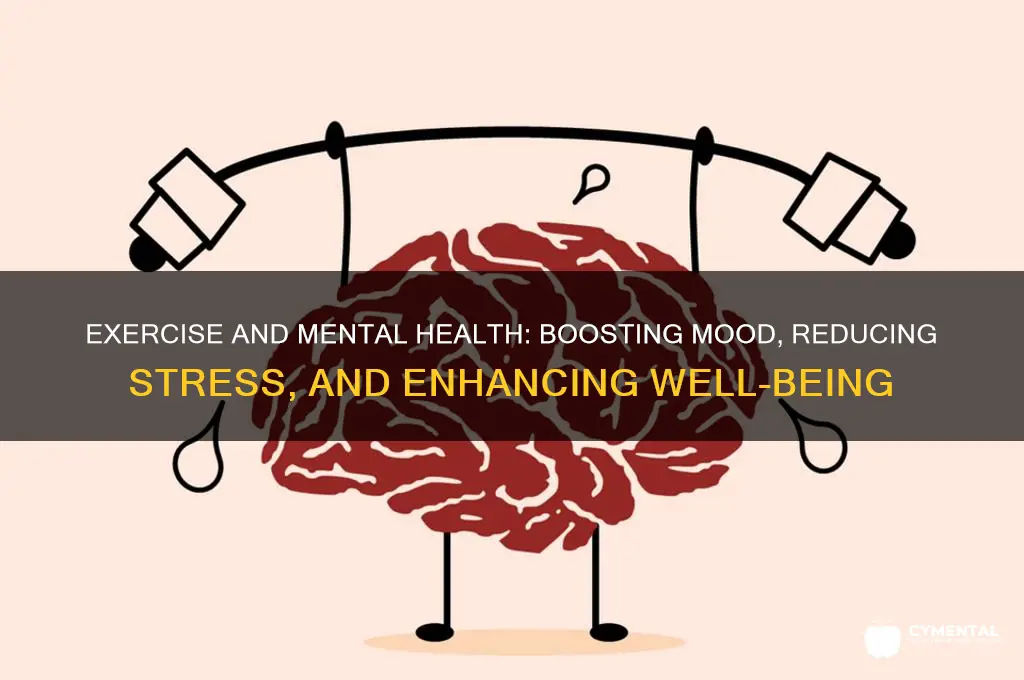
Regular exercise is a powerful tool for enhancing mental health, offering a wide range of benefits that extend beyond physical fitness. Engaging in physical activity stimulates the release of endorphins, often referred to as feel-good hormones, which can reduce stress, anxiety, and symptoms of depression. Exercise also promotes better sleep, boosts self-esteem, and provides a sense of accomplishment, all of which contribute to improved emotional well-being. Additionally, it fosters social connections when done in groups, reducing feelings of isolation. By incorporating exercise into daily routines, individuals can create a natural and effective strategy to support their mental health and build resilience against life’s challenges.
Explore related products


$10.88 $15.99

$10.6 $19.99


What You'll Learn
- Reduces Stress: Physical activity lowers cortisol levels, promoting relaxation and reducing anxiety
- Boosts Mood: Exercise releases endorphins, enhancing happiness and combating depression
- Improves Sleep: Regular workouts regulate sleep patterns, aiding mental clarity and recovery
- Enhances Focus: Increased blood flow to the brain sharpens concentration and cognitive function
- Builds Resilience: Exercise fosters discipline and coping skills, strengthening mental toughness

Reduces Stress: Physical activity lowers cortisol levels, promoting relaxation and reducing anxiety
Stress, often dubbed the silent killer, wreaks havoc on both body and mind. Cortisol, the primary stress hormone, spikes in response to pressure, triggering a cascade of negative effects: increased heart rate, elevated blood pressure, and impaired cognitive function. Enter exercise, a powerful antidote. Physical activity acts as a natural cortisol regulator, offering a sustainable solution to chronic stress. Studies show that even moderate exercise, such as a 30-minute brisk walk, can significantly lower cortisol levels, promoting a sense of calm and well-being.
Imagine this: you’ve had a grueling day at work, deadlines looming, emails piling up. Instead of reaching for a glass of wine or zoning out in front of the TV, lace up your sneakers and head out for a jog. As your feet hit the pavement, your body begins to release endorphins, often referred to as "feel-good" hormones. Simultaneously, cortisol levels drop, easing the tension in your shoulders and quieting the mental chatter. This isn’t just anecdotal—research consistently demonstrates that aerobic exercises like running, swimming, or cycling are particularly effective in reducing stress hormones. For optimal results, aim for at least 150 minutes of moderate aerobic activity per week, as recommended by the World Health Organization.
But it’s not just about intensity; consistency matters. Incorporating daily movement, even in small doses, can create a cumulative effect on stress reduction. For instance, a 10-minute morning yoga routine or a short evening walk can serve as mental resets, breaking the cycle of stress before it escalates. For older adults or those with physical limitations, low-impact activities like tai chi or gentle stretching can still yield significant benefits. The key is to find an activity you enjoy, making it easier to stick with it long-term.
Here’s a practical tip: pair exercise with mindfulness techniques for amplified results. During your workout, focus on your breath—inhale deeply through your nose, exhale slowly through your mouth. This mindful approach not only enhances the stress-reducing effects of exercise but also trains your brain to stay present, a skill invaluable in managing anxiety. For those with busy schedules, consider breaking workouts into shorter sessions—even three 10-minute bursts of activity can lower cortisol levels and improve mood.
In conclusion, exercise isn’t just about building muscle or shedding pounds; it’s a potent tool for stress management. By lowering cortisol levels and promoting relaxation, physical activity offers a holistic approach to mental well-being. Whether you’re a fitness enthusiast or a beginner, the key is to start small, stay consistent, and listen to your body. The next time stress knocks on your door, remember: your sneakers might just be the answer.
Decorating Cookies: A Sweet Therapy for Mental Well-Being
You may want to see also
Explore related products


$13.29 $16.99


Boosts Mood: Exercise releases endorphins, enhancing happiness and combating depression
Exercise has a profound impact on mood, and the science behind it is both fascinating and actionable. When you engage in physical activity, your brain releases endorphins, often referred to as "feel-good" hormones. These chemicals act as natural painkillers and trigger positive feelings, effectively countering symptoms of depression and anxiety. Studies show that even moderate exercise, such as a 30-minute brisk walk, can significantly elevate endorphin levels, leading to an immediate improvement in mood. This biochemical response is one of the most direct ways exercise enhances mental well-being.
To harness this benefit, consistency is key. Aim for at least 150 minutes of moderate aerobic exercise or 75 minutes of vigorous activity per week, as recommended by the World Health Organization. Breaking this down into smaller, manageable sessions—like three 10-minute walks daily—can make it more achievable. For older adults or those new to exercise, starting with low-impact activities like swimming or yoga can be equally effective. The goal is to create a routine that feels sustainable, ensuring the mood-boosting effects become a regular part of your life.
It’s important to note that the type of exercise matters less than the act of moving itself. Whether it’s dancing, cycling, or strength training, any activity that elevates your heart rate can stimulate endorphin release. For those struggling with depression, combining exercise with social interaction—such as joining a group fitness class—can amplify the benefits. The sense of accomplishment and camaraderie further enhances mood, creating a positive feedback loop.
However, exercise isn’t a one-size-fits-all solution. While it’s a powerful tool, it should complement, not replace, other mental health strategies like therapy or medication. Overdoing it can lead to burnout or injury, which may negate the positive effects. Listen to your body, start slowly, and gradually increase intensity. For individuals with chronic conditions or mental health concerns, consulting a healthcare professional before starting a new regimen is essential.
Incorporating exercise into your routine doesn’t require a gym membership or expensive equipment. Simple activities like gardening, stair climbing, or even vigorous housecleaning can be effective. The key is to find something you enjoy, as this increases the likelihood of sticking with it. Over time, the cumulative effect of regular physical activity can lead to a more stable, positive mood, demonstrating that movement truly is medicine for the mind.
Yoga's Transformative Power: Enhancing Mental Health and Well-being Naturally
You may want to see also
Explore related products

$9.79 $17.99


Improves Sleep: Regular workouts regulate sleep patterns, aiding mental clarity and recovery
Quality sleep is the cornerstone of mental resilience, yet it eludes many in our fast-paced, screen-dominated lives. Regular exercise acts as a natural sleep regulator, recalibrating the body’s internal clock and promoting deeper, more restorative rest. Studies show that moderate aerobic exercise, such as brisk walking or cycling for 30 minutes daily, can improve sleep quality by up to 65%. This isn’t about exhaustive workouts; consistency matters more than intensity. For instance, a 10-minute evening yoga routine or a post-dinner stroll can signal to your body that bedtime is approaching, reducing the time it takes to fall asleep.
The science behind this is rooted in physiology. Physical activity increases body temperature, which then drops post-exercise, mimicking the natural temperature decline that occurs during sleep onset. Additionally, exercise reduces cortisol, the stress hormone that often keeps minds racing at night, while boosting serotonin, a precursor to melatonin, the sleep hormone. For older adults, who often struggle with insomnia, low-impact activities like swimming or tai chi can be particularly effective, improving sleep duration by 20–30 minutes per night, according to research.
However, timing is critical. Vigorous exercise within 2–3 hours of bedtime can be counterproductive, as it may overstimulate the nervous system. Morning or afternoon workouts are ideal, but if evenings are your only option, opt for gentler activities like stretching or Pilates. Pairing exercise with other sleep hygiene practices—such as dimming lights, limiting screen time, and maintaining a cool bedroom—amplifies its benefits. Think of exercise as one tool in your sleep toolkit, not a standalone solution.
The mental health payoff of improved sleep is profound. A well-rested mind processes emotions more effectively, reduces anxiety, and enhances focus. For those with depression, better sleep can be as impactful as medication or therapy, according to some studies. Even adolescents, who often battle irregular sleep schedules, can benefit from structured physical activity, such as team sports or dance, which not only improves sleep but also fosters social connections.
Incorporating exercise into your routine doesn’t require a gym membership or fancy equipment. Start small: take the stairs instead of the elevator, walk during lunch breaks, or follow a 15-minute home workout video. The goal is to build a habit that supports both your physical and mental health. Remember, the link between exercise and sleep is bidirectional—better sleep fuels more consistent workouts, creating a positive cycle that strengthens mental clarity and emotional recovery.
School Events: Boosting Student Mental Wellness Through Community and Engagement
You may want to see also
Explore related products


Enhances Focus: Increased blood flow to the brain sharpens concentration and cognitive function
Exercise isn't just about building muscle or shedding pounds. It's a powerful tool for sharpening your mind. Increased blood flow to the brain, a direct result of physical activity, acts like a natural stimulant, boosting concentration and cognitive function. Think of it as a workout for your brain, where oxygen-rich blood delivers essential nutrients, fueling neurons and enhancing their ability to communicate.
Studies show that even moderate exercise, like a brisk 30-minute walk, can significantly improve focus and attention span. This is particularly beneficial for tasks requiring sustained concentration, like studying, writing, or problem-solving.
Imagine a scenario: you're staring at a mountain of work, feeling mentally foggy and unmotivated. Instead of reaching for another cup of coffee, lace up your sneakers and go for a jog. The increased blood flow will deliver a surge of oxygen and glucose to your brain, clearing the mental cobwebs and allowing you to tackle that task with renewed focus and clarity.
Regular exercise, incorporated into your routine, can lead to long-term improvements in cognitive function. Aim for at least 150 minutes of moderate-intensity aerobic activity or 75 minutes of vigorous activity per week, as recommended by the World Health Organization. This could be anything from cycling to swimming, dancing to hiking – find an activity you enjoy and make it a habit.
It's important to note that the benefits of exercise on focus aren't limited to adults. Children and adolescents also experience improved concentration and academic performance with regular physical activity. Incorporating active breaks into study sessions or encouraging participation in sports can significantly enhance a child's ability to learn and retain information.
Remember, exercise isn't just about physical transformation; it's about nurturing a healthy mind. By increasing blood flow to the brain, you're investing in your cognitive well-being, sharpening your focus, and unlocking your full potential. So, get moving – your brain will thank you for it!
Nature's Healing Power: How Outdoor Time Boosts Mental Well-Being
You may want to see also
Explore related products


Builds Resilience: Exercise fosters discipline and coping skills, strengthening mental toughness
Regular physical activity isn’t just about building muscle or shedding pounds—it’s a powerful tool for cultivating mental resilience. When you commit to a consistent exercise routine, you’re not only training your body but also rewiring your brain to handle stress, setbacks, and challenges more effectively. This process begins with discipline, a cornerstone of resilience. Showing up for a workout, even when you’re tired or unmotivated, teaches your mind to push through discomfort, a skill that translates directly to managing life’s inevitable hurdles.
Consider the structure of a training program: it’s progressive, deliberate, and often demanding. Whether it’s increasing weights, extending distances, or mastering new movements, each step requires focus and perseverance. These micro-challenges mirror the trials of daily life, from work deadlines to personal conflicts. By repeatedly facing and overcoming physical obstacles, you build a mental framework for tackling adversity. Studies suggest that even moderate exercise, such as 30 minutes of brisk walking five days a week, can significantly enhance coping mechanisms by reducing cortisol levels and increasing endorphin production, which fosters a sense of accomplishment and emotional stability.
For younger adults and teens, exercise can be particularly transformative. Adolescence and early adulthood are periods marked by heightened stress and emotional volatility. Incorporating activities like team sports, yoga, or high-intensity interval training (HIIT) not only improves physical health but also teaches collaboration, self-regulation, and goal-setting. For instance, a teenager who learns to endure the burn of a final sprint in soccer is more likely to apply that tenacity to academic or social pressures. Parents and educators can encourage this by modeling consistency and celebrating progress, not just outcomes.
However, building resilience through exercise isn’t without its challenges. Overdoing it can lead to burnout, both physically and mentally, undermining the very resilience you’re trying to cultivate. The key is balance: start with manageable goals, such as 20 minutes of activity three times a week, and gradually increase intensity and duration. Incorporate variety to keep it engaging—mix strength training with cardio, or try mindfulness-based practices like tai chi or Pilates. Remember, resilience is about adaptability, not rigidity.
In practical terms, here’s a simple strategy: pair physical activity with a mental exercise. For example, during a run, practice reframing negative thoughts into positive affirmations. Or, after a workout, journal about how you overcame fatigue or self-doubt. These habits reinforce the connection between physical effort and mental fortitude. Over time, you’ll find that the discipline and coping skills honed through exercise become second nature, equipping you to face life’s challenges with greater confidence and clarity.
Seeking Support: What to Do When You Need Help
You may want to see also
Frequently asked questions
Exercise stimulates the release of endorphins, often called "feel-good" hormones, which can reduce stress and improve mood. It also lowers cortisol levels, a hormone associated with stress, and promotes relaxation.
Yes, regular physical activity can reduce symptoms of anxiety and depression by boosting serotonin and dopamine levels, improving sleep, and providing a sense of accomplishment and distraction from negative thoughts.
Any form of exercise can benefit mental health, but activities like walking, jogging, yoga, and strength training are particularly effective. The key is consistency and choosing something enjoyable to ensure long-term adherence.