Caleb Wright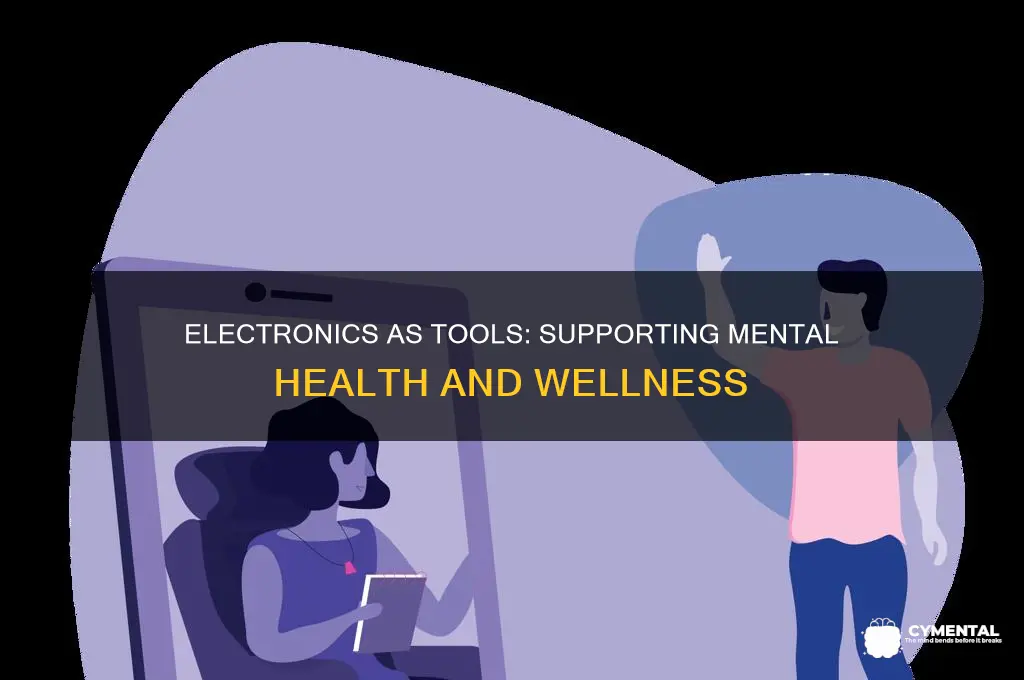
Electronics and technology have become invaluable tools in the management and treatment of mental illness, offering innovative solutions that complement traditional therapeutic approaches. From mobile apps that provide mindfulness exercises and mood tracking to wearable devices that monitor stress levels and sleep patterns, these technologies empower individuals to take an active role in their mental health. Teletherapy platforms have made mental health services more accessible, breaking down barriers of geography and stigma, while virtual reality (VR) is being used to treat conditions like PTSD and anxiety through controlled exposure therapy. Additionally, artificial intelligence (AI) algorithms analyze data to predict and prevent mental health crises, offering personalized interventions. By integrating electronics into mental health care, these advancements not only enhance treatment efficacy but also foster a sense of connection and support for those navigating their mental health journeys.
Explore related products

$11.69 $12.99


What You'll Learn
- Wearable Tech for Mood Tracking: Devices monitor stress, sleep, and activity to detect mental health patterns early
- Virtual Reality Therapy: Immersive VR environments treat anxiety, PTSD, and phobias through controlled exposure
- Mental Health Apps: Apps offer meditation, CBT, and journaling tools for accessible self-care and therapy
- Brain Stimulation Devices: Non-invasive tools like TMS and tDCS aid depression and anxiety treatment
- Online Support Communities: Digital platforms connect individuals for peer support and shared experiences

Wearable Tech for Mood Tracking: Devices monitor stress, sleep, and activity to detect mental health patterns early
Wearable technology has evolved beyond fitness tracking to become a powerful tool for monitoring mental health. Devices like smartwatches and fitness bands now incorporate sensors that measure physiological markers such as heart rate variability (HRV), skin conductance, and sleep patterns. These metrics, when analyzed over time, can reveal subtle changes in mood and stress levels. For instance, a consistent decrease in HRV often correlates with heightened stress or anxiety, while disrupted sleep patterns may signal the onset of depression. By collecting this data continuously, wearables provide a granular view of mental health trends, enabling early detection of potential issues.
Consider the Oura Ring, a wearable device that tracks sleep, activity, and recovery. It uses infrared LEDs to monitor blood volume pulse and temperature, providing insights into sleep quality and stress levels. Users receive daily readiness scores, which can indicate when they might be more vulnerable to emotional strain. Similarly, the Apple Watch offers features like the Breathe app, which encourages mindfulness, and ECG measurements that can indirectly reflect stress levels. These tools don’t diagnose mental health conditions but act as early warning systems, prompting users to seek professional help or adjust their routines before symptoms escalate.
However, relying solely on wearables for mental health monitoring comes with caveats. Data accuracy varies across devices, and misinterpretation of metrics can lead to unnecessary anxiety. For example, a single night of poor sleep might trigger concern, even if it’s an isolated incident. To maximize effectiveness, users should combine wearable data with self-reflection and professional guidance. Apps like Daylio or Moodpath can complement wearables by allowing users to log their emotional states, creating a more comprehensive picture of their mental health. Additionally, sharing data with healthcare providers ensures that patterns are interpreted correctly and actionable steps are taken.
For those considering wearable tech for mood tracking, start by setting realistic expectations. These devices are tools, not solutions. Focus on trends rather than daily fluctuations, and use the data to identify patterns over weeks or months. For instance, if your HRV consistently drops during workdays, it might indicate job-related stress. Pair this insight with stress-reduction techniques like meditation or exercise, and monitor changes over time. Wearables are most effective when integrated into a holistic approach to mental health, one that includes lifestyle adjustments, therapy, and, if necessary, medication.
In conclusion, wearable tech offers a promising avenue for early detection of mental health patterns by monitoring stress, sleep, and activity. While not a replacement for professional care, these devices empower individuals to take proactive steps toward emotional well-being. By understanding their limitations and using them thoughtfully, users can harness the power of technology to foster mental resilience and seek timely interventions when needed.
Cold Showers and Mental Health: Unlocking Potential Benefits for Well-being
You may want to see also
Explore related products


Virtual Reality Therapy: Immersive VR environments treat anxiety, PTSD, and phobias through controlled exposure
Virtual Reality Therapy (VRT) leverages immersive VR environments to treat anxiety, PTSD, and phobias by gradually exposing patients to controlled, fear-inducing scenarios. Unlike traditional exposure therapy, VRT allows therapists to customize intensity, duration, and context, making it safer and more adaptable. For instance, a patient with a fear of flying can experience a simulated airplane environment, starting with calm conditions and progressing to turbulence, all while under professional guidance. This precision in exposure is key to its effectiveness, as evidenced by studies showing significant symptom reduction after 8–12 sessions.
To implement VRT, therapists first assess the patient’s triggers and tolerance levels. Sessions typically last 30–60 minutes, with the VR environment adjusted in real-time to match the patient’s comfort. For PTSD, scenarios might recreate traumatic events in a controlled manner, helping patients process memories in a safe space. For phobias, exposure is gradual—a patient with arachnophobia might start by viewing a spider from a distance before progressing to closer interactions. Practical tips include ensuring patients wear comfortable headsets to avoid distraction and incorporating biofeedback tools to monitor stress levels during sessions.
One of the strengths of VRT is its ability to treat diverse age groups, from adolescents to seniors. For younger patients, gamified elements can make therapy engaging, while older adults benefit from realistic, relatable scenarios. However, caution is necessary: prolonged VR use can cause discomfort or disorientation, so sessions should include breaks. Additionally, VRT is not a standalone solution; it works best when integrated with cognitive-behavioral therapy (CBT) and mindfulness techniques. Therapists should also monitor for signs of retraumatization, particularly in PTSD cases.
Comparatively, VRT offers advantages over traditional exposure therapy, such as cost-effectiveness and accessibility. While in-vivo exposure requires physical resources (e.g., a real spider), VRT only needs a headset and software. This makes it ideal for rural or underserved areas. However, it’s not a one-size-fits-all solution—patients with severe claustrophobia or VR-induced motion sickness may struggle. The takeaway? VRT is a powerful tool when tailored to individual needs, combining technology with therapeutic expertise to deliver measurable results.
Mental Illness and Plea Bargaining: A Negotiation Strategy or Hindrance?
You may want to see also
Explore related products


Mental Health Apps: Apps offer meditation, CBT, and journaling tools for accessible self-care and therapy
Mental health apps have emerged as a transformative tool in the fight against mental illness, offering accessible, on-demand support for conditions like anxiety, depression, and stress. These apps leverage evidence-based techniques such as Cognitive Behavioral Therapy (CBT), mindfulness meditation, and journaling to provide users with practical tools for self-care and therapy. For instance, apps like Headspace and Calm deliver guided meditation sessions as short as 3 minutes, making mindfulness accessible even to those with busy schedules. Similarly, CBT-focused apps like Moodpath and Sanvello offer daily exercises to challenge negative thought patterns, often incorporating progress tracking to motivate users. Journaling apps like Day One or Reflect encourage emotional expression, helping users identify triggers and patterns in their mental health. Together, these tools democratize mental health care, breaking down barriers of cost, stigma, and geographic limitations.
While the convenience of mental health apps is undeniable, their effectiveness hinges on consistent use and proper integration into daily routines. Studies show that users who engage with these apps for at least 10–15 minutes daily report greater improvements in mood and stress reduction. For example, a 2021 meta-analysis published in *JMIR Mental Health* found that CBT-based apps significantly reduced symptoms of depression and anxiety when used regularly over 6–8 weeks. However, adherence remains a challenge, with many users abandoning apps after just a few sessions. To maximize benefits, experts recommend setting reminders, pairing app use with existing habits (e.g., journaling before bed), and choosing apps with engaging interfaces and personalized content. Parents can also introduce age-appropriate apps like Breathe, Think, Do with Sesame for children aged 5–8, fostering early emotional regulation skills.
Critics argue that mental health apps cannot replace traditional therapy, and this is a valid concern. Apps are best used as supplementary tools, not standalone treatments, particularly for severe conditions like major depressive disorder or PTSD. However, their value lies in bridging gaps in care, such as long wait times for therapists or financial constraints. For instance, apps like Woebot use AI-driven conversations to provide immediate support during moments of distress, while platforms like Talkspace connect users to licensed therapists for virtual sessions. This hybrid approach—combining app-based self-care with professional guidance—offers a flexible, scalable solution for diverse mental health needs. Users should assess their symptoms honestly and consult a healthcare provider to determine the right balance of app use and traditional therapy.
The design of mental health apps also plays a critical role in their effectiveness. Successful apps prioritize user experience, employing intuitive interfaces, gamification elements, and data privacy safeguards to build trust and engagement. For example, apps like Habitica gamify mental health tasks by rewarding users with points for completing activities like meditation or journaling. Others, like Pear Therapeutics’ Reset app, are FDA-cleared to treat substance use disorder, demonstrating the potential for rigorous clinical validation in this space. However, not all apps are created equal; users should look for those backed by research, transparent about data handling, and free from predatory monetization practices. By choosing thoughtfully and using consistently, individuals can harness the power of mental health apps to cultivate resilience and well-being in an increasingly digital world.
Sports and Mental Health: Unlocking the Mind's Potential Through Physical Activity
You may want to see also
Explore related products

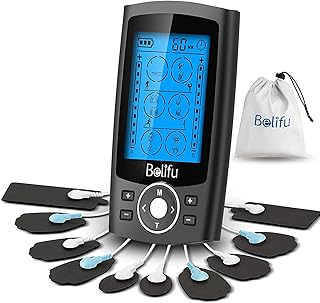


Brain Stimulation Devices: Non-invasive tools like TMS and tDCS aid depression and anxiety treatment
Non-invasive brain stimulation devices, such as Transcranial Magnetic Stimulation (TMS) and Transcranial Direct Current Stimulation (tDCS), are revolutionizing the treatment of depression and anxiety by directly modulating neural activity. Unlike medication, which affects the entire brain, these tools target specific regions associated with mood regulation, offering a precise and often more tolerable alternative. TMS, for instance, uses magnetic fields to stimulate the prefrontal cortex, a region frequently underactive in depression. Approved by the FDA for treatment-resistant depression, TMS typically involves 20–30 sessions over 4–6 weeks, with each session lasting about 20–40 minutes. Patients often report improvements in mood and energy levels after several weeks of consistent treatment.
While TMS is more established, tDCS is gaining traction for its portability and affordability. This device delivers a low-intensity electrical current through electrodes placed on the scalp, subtly altering neuronal excitability. Studies suggest tDCS can enhance cognitive function and reduce symptoms of anxiety and depression when applied at 1–2 milliamps for 20–30 minutes per session. Unlike TMS, tDCS can be administered at home under professional guidance, making it accessible for individuals seeking adjunctive therapy. However, its effects are generally milder, and long-term benefits require further research.
One of the most compelling aspects of these devices is their minimal side effects compared to traditional treatments. TMS may cause mild headaches or scalp discomfort, while tDCS users occasionally report tingling or itching under the electrodes. Both are non-systemic, meaning they don’t enter the bloodstream, reducing the risk of widespread side effects like weight gain or sexual dysfunction often associated with antidepressants. This makes them particularly appealing for individuals who are medication-averse or have not responded to pharmacotherapy.
Despite their promise, brain stimulation devices are not one-size-fits-all solutions. TMS, for example, is contraindicated for individuals with metal implants in the head or a history of seizures. tDCS requires careful electrode placement to avoid skin irritation or uneven stimulation. Clinicians must tailor treatment parameters—such as frequency, intensity, and duration—to each patient’s needs, often through trial and error. Additionally, these therapies are most effective when combined with psychotherapy, as they address the biological underpinnings of mental illness while leaving room for behavioral and emotional healing.
As research advances, the potential applications of TMS and tDCS continue to expand. Emerging studies explore their use in treating PTSD, OCD, and even cognitive decline in aging populations. For instance, a 2022 study found that tDCS improved memory recall in older adults when paired with cognitive training. Practical tips for patients include maintaining a consistent treatment schedule, tracking mood changes to monitor progress, and communicating openly with providers about any discomfort or concerns. While not a panacea, brain stimulation devices represent a significant step forward in personalized mental health care, offering hope to those who have struggled with conventional treatments.
Empowering Self-Care Strategies: A Guide to Helping Yourself Thrive
You may want to see also
Explore related products


Online Support Communities: Digital platforms connect individuals for peer support and shared experiences
Online support communities have become a lifeline for many navigating mental health challenges, offering a space where anonymity fosters openness and connection. Unlike traditional face-to-face groups, these digital platforms allow individuals to share their experiences at any time, from anywhere, breaking down barriers of geography and stigma. For instance, platforms like 7 Cups and Reddit’s mental health forums provide 24/7 access to peer support, ensuring that no one feels isolated during moments of crisis. This accessibility is particularly crucial for those in rural areas or with mobility limitations, where in-person resources are scarce.
Consider the structure of these communities: they often include moderated forums, chat rooms, and even video support groups. Moderators ensure conversations remain respectful and constructive, while users can choose their level of engagement—whether posting detailed personal stories or simply reading others’ experiences. For example, a study published in the *Journal of Medical Internet Research* found that participants in online mental health forums reported reduced feelings of loneliness and increased coping skills after just six weeks of regular engagement. The key takeaway? Consistency matters. Aim to participate at least three times a week to build meaningful connections and derive maximum benefit.
However, not all online communities are created equal. When selecting a platform, prioritize those with clear guidelines, active moderation, and a focus on evidence-based practices. Avoid groups that promote harmful advice or stigmatize certain conditions. For instance, platforms like Inspire and MentalHealth.gov are vetted for reliability, offering resources backed by mental health professionals. Additionally, be cautious of oversharing personal details; while vulnerability is encouraged, maintaining boundaries protects your privacy and emotional well-being.
The comparative advantage of online support communities lies in their ability to cater to niche needs. Whether you’re dealing with anxiety, bipolar disorder, or grief, there’s likely a dedicated space for you. For example, the Anxiety and Depression Association of America hosts forums tailored to specific diagnoses, allowing for more targeted discussions. This specialization ensures that advice and shared experiences are relevant and actionable. Unlike generic mental health discussions, these niche communities provide a sense of belonging and understanding that can be transformative.
Finally, integrating online support communities into a broader mental health strategy can amplify their impact. Pairing these platforms with professional therapy or medication, when applicable, creates a holistic approach. For instance, a teenager managing depression might use an app like TeenCounseling for professional support while engaging in a Reddit community for daily encouragement. The combination of expert guidance and peer empathy can provide a robust safety net. Remember, these communities are not a replacement for professional care but a complementary tool to enhance emotional resilience and recovery.
Collagen and Mental Health: Unraveling the Mind-Body Connection
You may want to see also
Frequently asked questions
Electronics, such as smartphones, tablets, and computers, provide access to mental health apps, online therapy platforms, and digital tools for mindfulness, meditation, and cognitive-behavioral therapy (CBT). These technologies offer convenient, accessible, and often affordable ways to manage symptoms and track progress.
Yes, wearable devices like smartwatches and fitness trackers can monitor physiological indicators of mental health, such as heart rate, sleep patterns, and stress levels. This data can help individuals and healthcare providers identify triggers and patterns related to conditions like anxiety or depression.
Yes, there are numerous apps and devices designed to help manage anxiety and depression. Examples include apps for guided meditation (e.g., Headspace), mood tracking (e.g., Moodpath), and biofeedback devices that promote relaxation through breathing exercises and heart rate monitoring.
VR and AR are used in exposure therapy for conditions like PTSD and phobias, allowing patients to confront and manage fears in a controlled environment. They are also used for relaxation, pain management, and social skills training, offering immersive experiences that traditional therapy cannot replicate.