Caleb Wright
Assisting someone dealing with mental trauma requires a compassionate and informed approach. It's essential to create a safe and supportive environment where the individual feels comfortable sharing their experiences. Active listening is key; this means giving your undivided attention, avoiding interruptions, and validating their feelings. Encouraging them to seek professional help from a therapist or counselor is crucial, as mental health professionals are trained to provide the necessary support and treatment. Additionally, helping them develop a self-care routine, including regular exercise, healthy eating, and adequate sleep, can significantly aid in their recovery process. It's also important to educate yourself about the effects of trauma and the best ways to support someone through it, ensuring that you are equipped to provide the most effective assistance.
Explore related products


What You'll Learn
- Active Listening: Give your undivided attention, validate their feelings, and avoid interrupting or judging
- Emotional Support: Offer empathy, compassion, and reassurance to help them feel safe and understood
- Practical Assistance: Help with daily tasks, provide resources, and assist in finding professional help if needed
- Encourage Self-Care: Promote healthy habits, relaxation techniques, and stress management strategies to aid in recovery
- Patience and Understanding: Recognize that healing takes time and be patient with their progress and setbacks

Active Listening: Give your undivided attention, validate their feelings, and avoid interrupting or judging
When someone is dealing with mental trauma, one of the most powerful tools you can offer is your undivided attention. Active listening is a technique that goes beyond simply hearing what someone is saying; it involves fully engaging with their words, emotions, and experiences. This means putting away distractions like phones or other electronic devices, making eye contact, and focusing intently on the person speaking. By doing so, you create a safe space where they feel heard and understood, which is crucial for the healing process.
Validating their feelings is another essential aspect of active listening. This doesn't mean you have to agree with everything they say, but rather that you acknowledge and accept their emotions as valid. For example, if someone expresses anger or frustration, you might say, "I can see why you'd feel that way," or "That must have been really difficult for you." By validating their feelings, you help them feel less isolated and more supported, which can be incredibly comforting during a traumatic time.
Avoiding interruptions and judgments is also key. When someone is sharing their experiences, it's important to let them speak without interruption, even if you think you know what they're going to say or if you feel the need to offer advice. Interrupting can make the person feel unheard or dismissed, which can be harmful. Similarly, judging their experiences or emotions can make them feel ashamed or guilty, which can further exacerbate their trauma. Instead, focus on listening and offering support without judgment.
Active listening can be a challenging skill to master, but it's one that can make a significant difference in someone's life. By giving your undivided attention, validating their feelings, and avoiding interruptions or judgments, you can help create a supportive environment where someone dealing with mental trauma can begin to heal. Remember, the goal is not to fix their problems or offer solutions, but rather to be present and supportive as they navigate their journey towards recovery.
Understanding Emotional and Mental Impact: A Quote's Insight
You may want to see also
Explore related products

$12 $19.99


Emotional Support: Offer empathy, compassion, and reassurance to help them feel safe and understood
One of the most powerful ways to assist someone dealing with mental trauma is by providing emotional support. This involves offering empathy, compassion, and reassurance to help them feel safe and understood. Emotional support can be a lifeline for individuals who are struggling with the aftermath of a traumatic event, as it helps to validate their feelings and experiences.
To provide effective emotional support, it's important to create a safe and non-judgmental space where the individual feels comfortable sharing their thoughts and feelings. This can be done by actively listening to them without interrupting or offering unsolicited advice. It's also important to acknowledge their emotions and validate their experiences, even if you don't fully understand what they're going through.
Another key aspect of emotional support is offering reassurance. This can be done by reminding the individual that they are not alone and that you are there to support them. It's also important to help them feel safe by providing a sense of stability and predictability. This can be done by establishing routines and boundaries, and by being consistent in your interactions with them.
In addition to providing emotional support, it's important to encourage the individual to seek professional help if needed. This can be done by offering to help them find a therapist or counselor, or by accompanying them to appointments. It's also important to educate yourself about mental trauma and its effects, so that you can better understand what the individual is going through and provide more effective support.
Remember, providing emotional support is not a substitute for professional help, but it can be a valuable complement. By offering empathy, compassion, and reassurance, you can help someone dealing with mental trauma feel safe and understood, and you can play a vital role in their healing process.
Empowering Mental Health Advocacy: A Guide to Petitioning for Support in Arizona
You may want to see also
Explore related products

$14.49 $22.99


Practical Assistance: Help with daily tasks, provide resources, and assist in finding professional help if needed
One of the most effective ways to assist someone dealing with mental trauma is by providing practical support in their daily lives. This can include helping with routine tasks such as grocery shopping, cooking, cleaning, or managing finances. By alleviating some of these everyday burdens, you can help reduce the overall stress and anxiety that the individual may be experiencing, allowing them to focus more on their mental health and recovery.
In addition to helping with daily tasks, it's important to provide resources that can aid in their healing process. This might include recommending books, articles, or online resources that offer information and guidance on coping with trauma. You could also suggest activities such as yoga, meditation, or art therapy that have been shown to be beneficial for mental health. Providing access to these resources can empower the individual to take an active role in their own recovery.
Another crucial aspect of practical assistance is helping the individual find professional help if needed. This might involve researching therapists or counseling services in their area, assisting with insurance paperwork, or even accompanying them to appointments. It's important to remember that seeking professional help is a sign of strength, not weakness, and can be a vital step in the healing process.
When providing practical assistance, it's essential to be patient, understanding, and non-judgmental. Trauma can have a profound impact on an individual's life, and it may take time for them to adjust to new routines or seek help. By offering consistent support and encouragement, you can help create a safe and nurturing environment that promotes healing and growth.
In conclusion, practical assistance can play a significant role in helping someone deal with mental trauma. By offering help with daily tasks, providing resources, and assisting in finding professional help, you can make a tangible difference in their lives. Remember to approach this support with empathy and understanding, and always prioritize the individual's needs and comfort.
Could You Have a Mental Illness for Loving Someone?
You may want to see also
Explore related products





Encourage Self-Care: Promote healthy habits, relaxation techniques, and stress management strategies to aid in recovery
One effective way to encourage self-care in someone dealing with mental trauma is to help them establish a daily routine that includes healthy habits. This could involve assisting them in creating a schedule that incorporates regular meals, exercise, and sufficient sleep. By providing structure and consistency, a routine can help reduce stress and promote a sense of control and stability in their life.
Another important aspect of self-care is the practice of relaxation techniques. Teaching someone deep breathing exercises, progressive muscle relaxation, or mindfulness meditation can help them manage anxiety and reduce physical tension. These techniques can be particularly beneficial when practiced regularly, as they can help the individual develop a greater awareness of their body and emotions, allowing them to better cope with traumatic experiences.
In addition to relaxation techniques, it's crucial to promote stress management strategies. This could include helping the individual identify and challenge negative thought patterns, setting realistic goals and priorities, and learning to say no to avoid overcommitting. Encouraging them to engage in activities they enjoy, such as hobbies or spending time with friends and family, can also help reduce stress and improve their overall well-being.
When supporting someone in their self-care journey, it's important to be patient and understanding. Recovery from mental trauma is a complex and often slow process, and it's essential to avoid putting pressure on the individual to "get better" quickly. Instead, focus on providing ongoing support and encouragement, and be willing to listen without judgment as they share their experiences and feelings.
Finally, it's important to recognize that self-care is not a one-size-fits-all approach. What works for one person may not work for another, and it's essential to be flexible and open to trying different strategies until the individual finds what works best for them. By taking a personalized and compassionate approach, you can help someone dealing with mental trauma develop the skills and habits they need to promote their own healing and well-being.
Nurturing Minds: Wishing You Good Mental Health and Wellness
You may want to see also
Explore related products
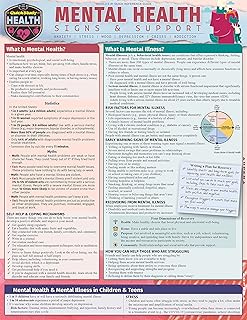


Patience and Understanding: Recognize that healing takes time and be patient with their progress and setbacks
Healing from mental trauma is a marathon, not a sprint. It requires a tremendous amount of patience and understanding from both the individual experiencing the trauma and those supporting them. Recognizing that progress may be slow and setbacks are a natural part of the healing process is crucial for providing effective assistance.
One way to demonstrate patience and understanding is by setting realistic expectations. It's important to acknowledge that recovery will take time and that there will be ups and downs along the way. Avoid putting pressure on the individual to "get better" quickly or expecting them to return to their pre-trauma state immediately. Instead, focus on small, incremental improvements and celebrate their successes, no matter how small they may seem.
Another key aspect of supporting someone dealing with mental trauma is being present and available. This means actively listening to them without judgment, offering emotional support, and validating their feelings. It's important to create a safe and non-threatening environment where they feel comfortable expressing themselves and exploring their emotions.
In addition to emotional support, practical assistance can also be incredibly helpful. This might include helping with daily tasks, providing transportation to appointments, or simply being there to offer a comforting presence. By taking some of the burden off their shoulders, you can help them focus on their healing and recovery.
Finally, it's essential to educate yourself about mental trauma and the healing process. This will help you better understand what the individual is going through and how to provide the most effective support. By being informed and empathetic, you can help create a supportive network that fosters healing and growth.
Remember, patience and understanding are key components of supporting someone dealing with mental trauma. By recognizing that healing takes time and being there for them through the ups and downs, you can help them navigate their journey towards recovery.
Supporting Mental Health: Compassionate Responses to Emotional Distress
You may want to see also
Frequently asked questions
Common signs of mental trauma include flashbacks, nightmares, severe anxiety, uncontrollable thoughts, mood swings, depression, and avoidance of reminders of the traumatic event. Physical symptoms like headaches, stomach problems, and sleep disturbances may also occur.
Approach the person with empathy and understanding. Let them know you're there to support them without judgment. Use gentle, non-intrusive language and be patient, as it may take time for them to open up about their experiences.
Avoid minimizing their feelings, telling them to "just get over it," or making them feel guilty or ashamed about their reactions. Also, refrain from pushing them to talk about the trauma if they're not ready, as this can exacerbate their distress.
Offer practical support such as helping with errands, cooking meals, or providing transportation to appointments. Encourage them to maintain a routine and engage in self-care activities. Be a consistent and reliable presence in their life, offering emotional support and validation.
Encourage professional help if the person's symptoms are severe, persistent, or interfering with their ability to function in daily life. If they express suicidal thoughts or engage in self-harming behaviors, it's crucial to seek immediate assistance from a mental health professional or emergency services.