Noah Parker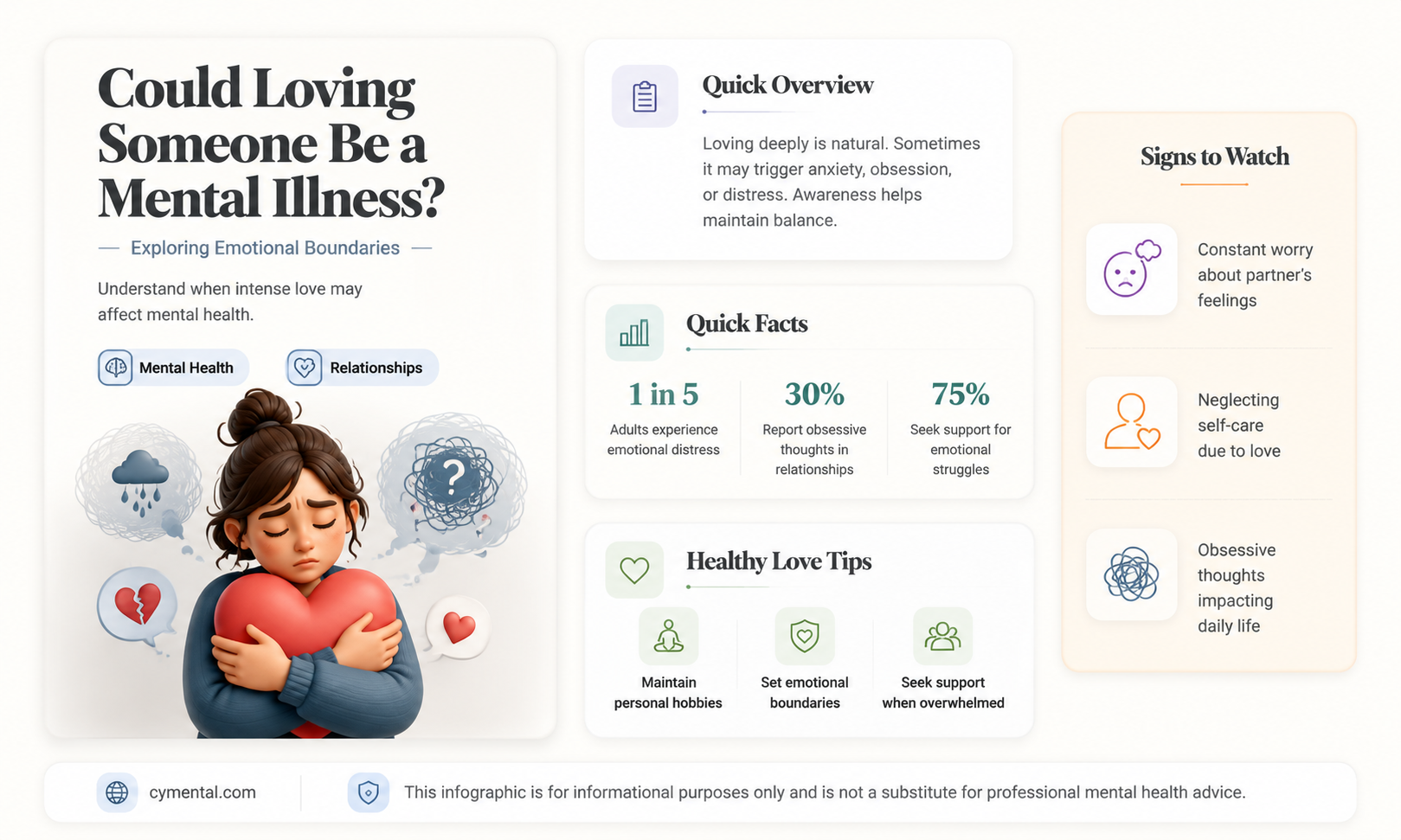
The question of whether one can have a mental illness for loving someone is a complex and sensitive topic that delves into the realms of psychology, psychiatry, and human relationships. Love, as an emotion, is a fundamental aspect of the human experience, and it can manifest in a multitude of ways. While love is generally considered a positive and healthy emotion, there are instances where it can become pathological or harmful. This can occur when love is obsessive, possessive, or when it leads to behaviors that are detrimental to oneself or others. In such cases, it may be indicative of an underlying mental health condition, such as obsessive-compulsive disorder (OCD), borderline personality disorder (BPD), or codependency. It is crucial to approach this topic with empathy and understanding, recognizing that mental health issues related to love are not a reflection of the individual's character but rather a sign that they may need support and treatment. Seeking professional help from a mental health provider can be instrumental in addressing these concerns and fostering healthier relationships.
| Characteristics | Values |
|---|---|
| Definition | Mental illness related to loving someone is a complex emotional and psychological state where an individual's feelings of love and attachment become overwhelming, distressing, or impair their daily functioning. |
| Symptoms | Intense preoccupation with the loved one, intrusive thoughts, excessive emotional highs and lows, loss of interest in other activities, social withdrawal, changes in appetite or sleep patterns, physical symptoms like headaches or stomachaches. |
| Causes | Biological factors (e.g., hormonal imbalances), psychological factors (e.g., past trauma, low self-esteem), social factors (e.g., societal pressure, isolation), attachment style, personality traits. |
| Types | Obsessive-compulsive disorder (OCD), borderline personality disorder (BPD), dependent personality disorder, bipolar disorder, major depressive disorder. |
| Diagnosis | Clinical evaluation by a mental health professional, psychological assessments, interviews, observation of symptoms over time. |
| Treatment | Psychotherapy (e.g., cognitive-behavioral therapy, dialectical behavior therapy), medication (e.g., antidepressants, mood stabilizers), support groups, self-help strategies. |
| Prognosis | Varies depending on the individual and the specific mental illness. With proper treatment, many people can manage their symptoms and lead fulfilling lives. |
| Complications | Suicidal thoughts or attempts, substance abuse, social isolation, impaired relationships, decreased quality of life. |
| Prevention | Early intervention, stress management, healthy coping mechanisms, maintaining social connections, seeking professional help when needed. |
| Myths | Loving someone too much is not a mental illness, mental illness is a sign of weakness, people with mental illness are dangerous. |
| Facts | Mental illness is a common and treatable condition, loving someone intensely does not necessarily indicate a mental illness, seeking help is a sign of strength. |
| Support | National Alliance on Mental Illness (NAMI), American Psychological Association (APA), local mental health clinics, online support forums. |
Explore related products


What You'll Learn
- Attachment Styles: Explore how attachment patterns influence relationships and mental health
- Codependency: Discuss the signs and effects of codependent relationships on mental well-being
- Emotional Regulation: Examine the impact of loving someone on emotional stability and mental illness
- Trauma and Love: Investigate how past trauma can affect current relationships and mental health
- Seeking Help: Provide guidance on recognizing when to seek professional help for relationship-related mental health issues

Attachment Styles: Explore how attachment patterns influence relationships and mental health
Attachment styles, developed in early childhood, significantly influence how individuals form and maintain relationships throughout their lives. These patterns can be categorized into four main types: secure, anxious, avoidant, and disorganized. A secure attachment style, characterized by a healthy balance of independence and intimacy, often leads to stable and fulfilling relationships. In contrast, anxious attachment may result in excessive worry and a constant need for reassurance, potentially causing strain in relationships. Avoidant attachment, marked by a tendency to withdraw from emotional closeness, can lead to difficulties in forming deep connections with others. Disorganized attachment, often a result of inconsistent or abusive caregiving, may manifest as a mix of anxious and avoidant behaviors, complicating relationship dynamics.
Understanding one's attachment style is crucial for recognizing how it impacts mental health and interpersonal relationships. For instance, individuals with an anxious attachment style may be more prone to anxiety disorders and may struggle with self-esteem issues. Those with an avoidant attachment style might experience difficulties in seeking support during times of stress, potentially exacerbating feelings of loneliness and isolation. Recognizing these patterns can be the first step towards addressing underlying issues and fostering healthier relationships.
Therapy, particularly attachment-based therapy, can be instrumental in helping individuals identify and modify maladaptive attachment patterns. This therapeutic approach focuses on exploring the roots of attachment issues and developing strategies to improve emotional regulation and relationship skills. Additionally, mindfulness practices and self-reflection exercises can aid in increasing awareness of one's attachment tendencies and their impact on daily interactions.
In the context of loving someone, it is essential to consider how attachment styles may influence the dynamics of the relationship. For example, a person with an anxious attachment style may misinterpret a partner's actions as signs of rejection, leading to conflict and emotional distress. Conversely, someone with an avoidant attachment style may struggle with expressing affection or maintaining emotional closeness, potentially causing their partner to feel neglected or unloved. By understanding and addressing these attachment patterns, individuals can work towards building more secure and satisfying relationships.
In conclusion, attachment styles play a pivotal role in shaping how individuals experience and navigate relationships and their mental health. By recognizing and addressing these patterns, individuals can foster healthier connections with others and improve their overall well-being. It is important to remember that attachment styles are not fixed and can be modified through therapy, self-reflection, and mindful practices.
Navigating Crisis: Where to Take Someone Having a Mental Breakdown
You may want to see also
Explore related products


Codependency: Discuss the signs and effects of codependent relationships on mental well-being
Codependency is a behavioral pattern where one person enables another's addiction, poor mental health, immaturity, irresponsibility, or under-performance. In the context of loving someone, it's crucial to recognize the signs of codependency to prevent negative impacts on mental well-being. Some common signs include a preoccupation with the other person's needs, a tendency to rescue or fix them, and a fear of abandonment or rejection.
The effects of codependent relationships on mental well-being can be profound. Individuals in codependent relationships often experience anxiety, depression, and low self-esteem. They may also struggle with setting boundaries, asserting their needs, and maintaining a sense of self-identity. Over time, this can lead to feelings of resentment, burnout, and emotional exhaustion.
Breaking free from codependency requires self-awareness, self-care, and a willingness to set and enforce healthy boundaries. It's essential to recognize that you cannot control or fix the other person, and that your own well-being should be a priority. Seeking support from a therapist or a support group can be instrumental in overcoming codependent behaviors and fostering healthier relationships.
In summary, codependency in loving relationships can have detrimental effects on mental well-being. Recognizing the signs, understanding the impact, and taking steps towards self-care and boundary-setting are crucial for breaking free from this harmful pattern and cultivating healthier, more balanced relationships.
Recognizing the Signs: Is Someone You Know Having a Mental Breakdown?
You may want to see also
Explore related products



Emotional Regulation: Examine the impact of loving someone on emotional stability and mental illness
Loving someone deeply can have a profound impact on emotional stability and mental health. While love is often associated with positive emotions such as happiness and contentment, it can also lead to intense feelings of anxiety, jealousy, and sadness. These emotional fluctuations can be particularly challenging for individuals who are already struggling with mental health issues.
Research has shown that individuals with mental illnesses such as depression, anxiety, and bipolar disorder may experience more intense emotional responses when in love. This heightened emotional state can exacerbate existing symptoms and make it more difficult to manage their condition. For example, someone with depression may find that their feelings of worthlessness and hopelessness are amplified when they are in love, leading to a worsening of their depressive symptoms.
On the other hand, loving someone can also have a positive impact on mental health. Social support and connection are important factors in maintaining emotional well-being, and being in love can provide a sense of security and belonging. This can be particularly beneficial for individuals who have experienced trauma or isolation, as it can help them to feel more grounded and less alone.
It is important to note that the impact of loving someone on emotional stability and mental illness is highly individual and depends on a variety of factors, including the person's pre-existing mental health condition, the quality of the relationship, and their coping mechanisms. While love can be a source of both joy and pain, it is essential for individuals to be aware of their own emotional responses and to seek support if they are struggling to manage their feelings.
In conclusion, the relationship between love and mental health is complex and multifaceted. While loving someone can bring immense joy and fulfillment, it can also lead to emotional turmoil and exacerbate existing mental health issues. By being aware of these potential impacts and seeking support when needed, individuals can better navigate the challenges and benefits of love.
Legal Recourse for Mental Harassment: Understanding Your Rights and Options
You may want to see also
Explore related products

$12.53 $19.95


Trauma and Love: Investigate how past trauma can affect current relationships and mental health
Past trauma can significantly impact current relationships and mental health, often in complex and subtle ways. For individuals who have experienced trauma, forming and maintaining healthy relationships can be challenging. Trauma can lead to difficulties with trust, intimacy, and communication, which are essential components of a strong relationship. Additionally, trauma can manifest in various mental health issues, such as anxiety, depression, and post-traumatic stress disorder (PTSD), which can further complicate relationship dynamics.
One of the primary ways trauma affects relationships is through the development of unhealthy coping mechanisms. Individuals who have experienced trauma may turn to substance abuse, self-harm, or other maladaptive behaviors as a way to manage their emotional pain. These behaviors can create tension and conflict within relationships, as partners may struggle to understand and support their loved one's needs. Furthermore, trauma can lead to a heightened sense of vulnerability, making it difficult for individuals to open up and share their feelings with others.
Trauma can also impact mental health by altering the brain's structure and function. Research has shown that trauma can lead to changes in the amygdala, hippocampus, and prefrontal cortex, which are regions of the brain responsible for emotional regulation, memory, and decision-making. These changes can result in a range of mental health symptoms, including intrusive thoughts, flashbacks, and emotional numbing. In the context of relationships, these symptoms can make it challenging for individuals to connect with their partners on an emotional level.
Moreover, trauma can affect the way individuals perceive and interpret their partner's actions and intentions. For example, a person who has experienced emotional abuse may be more likely to misinterpret their partner's words or actions as critical or threatening, even if that was not the intention. This can lead to misunderstandings and conflict within the relationship. Additionally, trauma can make it difficult for individuals to set and maintain healthy boundaries, which can result in feelings of resentment and burnout.
In conclusion, past trauma can have a profound impact on current relationships and mental health. It can lead to difficulties with trust, intimacy, and communication, as well as the development of unhealthy coping mechanisms and mental health issues. Understanding the complex ways in which trauma affects relationships is essential for providing support and promoting healing. By acknowledging the challenges that trauma survivors face and offering empathy and understanding, partners can help create a safe and nurturing environment for their loved one to heal and grow.
Understanding Cognitive Pace: What Does It Mean to Be Mentally Slow?
You may want to see also
Explore related products


$21.95 $8.99


Seeking Help: Provide guidance on recognizing when to seek professional help for relationship-related mental health issues
Recognizing when to seek professional help for relationship-related mental health issues is crucial for maintaining a healthy and balanced life. It's important to understand that while it's normal to experience ups and downs in relationships, certain signs may indicate a deeper issue that requires professional intervention. Here are some key indicators that it might be time to seek help:
- Persistent feelings of sadness, anxiety, or depression that interfere with daily functioning.
- Difficulty sleeping or changes in appetite that are not related to physical health issues.
- Increased use of substances like alcohol or drugs to cope with relationship stress.
- Feelings of hopelessness or helplessness that persist over time.
- Thoughts of self-harm or suicide.
If you or someone you know is experiencing any of these symptoms, it's important to reach out to a mental health professional. They can provide a proper diagnosis and develop a treatment plan tailored to your specific needs. Remember, seeking help is a sign of strength, not weakness.
In addition to recognizing these signs in yourself, it's also important to be aware of them in your partner or loved ones. If you notice any concerning changes in their behavior or mood, encourage them to seek help as well. Offering support and understanding can make a significant difference in their journey towards healing.
When seeking professional help, it's important to find a therapist or counselor who specializes in relationship-related mental health issues. They will have the expertise to help you navigate the complexities of your relationships and develop strategies for improving your mental well-being. Don't be afraid to ask questions or seek a second opinion if you're not comfortable with the first professional you meet.
Remember, taking care of your mental health is just as important as taking care of your physical health. By recognizing the signs that it's time to seek help and taking action, you can improve your overall well-being and build stronger, healthier relationships.
Thriving Beyond Stigma: Mental Illness and the Pursuit of a Fulfilling Life
You may want to see also
Frequently asked questions
No, loving someone is a normal and healthy emotion. Mental illnesses are characterized by persistent and significant disturbances in thought, emotion, or behavior that impair daily functioning. Love, in itself, does not qualify as a mental illness.
Some signs that your love for someone might be unhealthy include:
- Obsessive thoughts about the person
- Extreme jealousy or possessiveness
- Constant need for reassurance or validation
- Feeling incomplete or worthless without the person
- Engaging in harmful behaviors to win the person's affection
- Isolating yourself from friends and family
- Feeling trapped or unable to leave the relationship
Healthy love is characterized by mutual respect, trust, and support. It allows for individuality and personal growth. Attachment, on the other hand, can be unhealthy when it becomes overly dependent or possessive. Here are some ways to differentiate between healthy love and attachment:
- Healthy love: You feel good about yourself and the other person. You trust and respect each other. You have a balanced relationship with other aspects of your life.
- Unhealthy attachment: You feel incomplete or worthless without the other person. You constantly seek reassurance or validation. You may feel trapped or unable to leave the relationship. You may neglect other aspects of your life to focus on the relationship.