Caleb Wright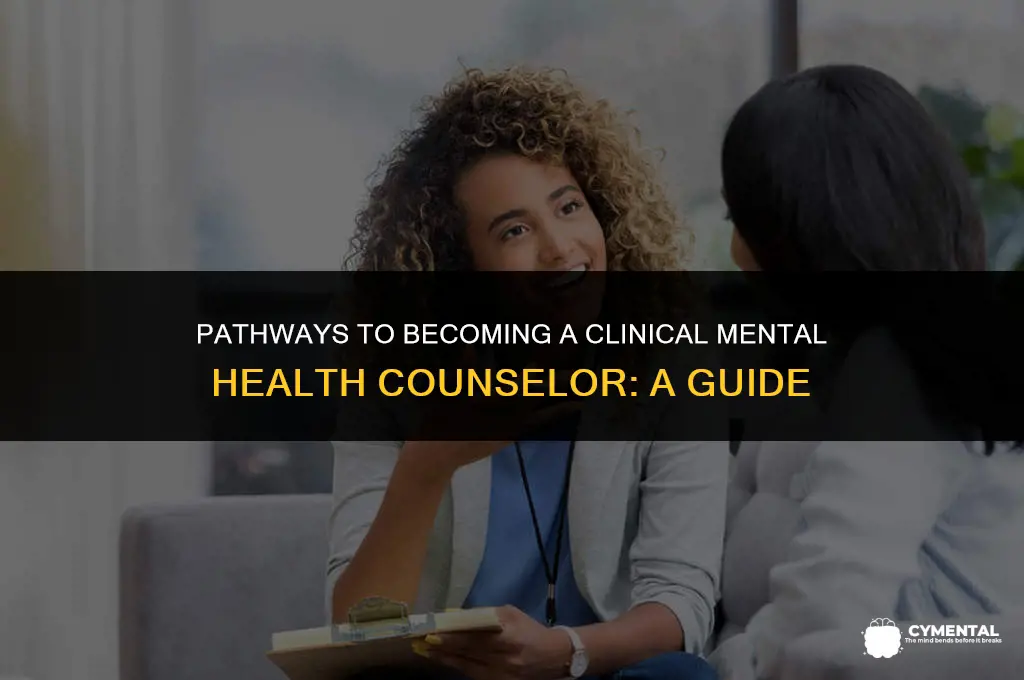
Becoming a clinical mental health counselor involves a combination of education, training, and licensure. Typically, one must earn a master's degree in counseling or a related field, which includes coursework in areas such as psychopathology, counseling theories, and practical skills. Following graduation, aspiring counselors usually need to complete a period of supervised clinical experience, often referred to as an internship or practicum, to gain hands-on experience working with clients under the guidance of a licensed professional. After accumulating the required hours of supervised experience, individuals can apply for licensure in their state, which generally involves passing a standardized exam and meeting other specific requirements. Throughout their careers, clinical mental health counselors must also engage in ongoing professional development to stay current with best practices and maintain their licensure.
Explore related products


![NCMHCE Exam Study Cards: NCMHCE Test Prep 2026-2027 for the National Clinical Mental Health Counseling Examination [Full Color Cards]](https://m.media-amazon.com/images/I/61Vg-0Wk9RL._AC_UL320_.jpg)
What You'll Learn
- Education Requirements: Earn a master's degree in clinical mental health counseling from an accredited program
- Licensure and Certification: Obtain a state license and consider national certifications like the NCC or LPC
- Practicum and Internship: Complete supervised clinical experience as part of your degree program
- Specializations: Pursue additional training in areas like trauma, addiction, or child therapy to specialize
- Continuing Education: Stay updated with the latest research and techniques through ongoing professional development

Education Requirements: Earn a master's degree in clinical mental health counseling from an accredited program
To become a clinical mental health counselor, one of the primary education requirements is to earn a master's degree in clinical mental health counseling from an accredited program. This advanced degree typically takes two to three years to complete and involves a combination of coursework, practicum, and internship experiences.
The first step in pursuing this degree is to research and identify accredited programs that align with your career goals and interests. Accreditation is crucial as it ensures that the program meets the necessary standards for quality and rigor, which is essential for licensure and professional credibility. You can find a list of accredited programs through the Council for Accreditation of Counseling and Related Educational Programs (CACREP).
Once you have identified potential programs, it's important to review the admission requirements and application process. Most programs will require a bachelor's degree in a related field, such as psychology or social work, along with prerequisite courses in areas like statistics, research methods, and counseling theories. Additionally, you may need to submit letters of recommendation, a personal statement, and GRE scores.
During your master's program, you will engage in a variety of coursework that covers topics such as counseling theories, techniques, and interventions, as well as specialized areas like trauma counseling, addiction counseling, and multicultural counseling. You will also participate in practicum and internship experiences, which provide hands-on training and real-world experience working with clients under the supervision of licensed professionals.
Upon completion of your master's degree, you will need to pursue licensure in your state to practice as a clinical mental health counselor. Licensure requirements vary by state but typically involve passing a national exam, such as the National Clinical Mental Health Counselor Examination (NCMHCE), and completing a certain number of supervised clinical hours.
In summary, earning a master's degree in clinical mental health counseling from an accredited program is a critical step in becoming a clinical mental health counselor. This degree provides the necessary knowledge, skills, and experience to prepare you for a successful career in this field. By carefully selecting an accredited program, meeting admission requirements, and engaging in practicum and internship experiences, you can set yourself on the path to becoming a licensed clinical mental health counselor.
Finding Strength: Exercise as a Tool for Mental Wellness
You may want to see also
Explore related products




Licensure and Certification: Obtain a state license and consider national certifications like the NCC or LPC
To become a licensed clinical mental health counselor, you must first obtain a state license, which typically requires a master's degree in counseling or a related field, along with a certain number of supervised clinical hours. The specific requirements vary by state, so it's essential to research the regulations in the state where you plan to practice. In addition to state licensure, national certifications like the National Certified Counselor (NCC) or Licensed Professional Counselor (LPC) can enhance your credentials and demonstrate your commitment to the profession. These certifications often require additional coursework, exams, and professional experience.
The process of obtaining licensure and certification can be complex and time-consuming, but it's a necessary step in establishing yourself as a qualified mental health professional. Start by researching the requirements in your state and creating a plan to meet those requirements. This may involve completing additional coursework, gaining supervised clinical experience, and preparing for exams. Consider joining professional organizations or seeking guidance from experienced counselors to help navigate the process.
One unique angle to consider when pursuing licensure and certification is the potential for specialization. Many states offer specialized licenses or certifications in areas such as substance abuse counseling, school counseling, or marriage and family therapy. Pursuing a specialization can help you stand out in the job market and provide more targeted services to clients. Additionally, some employers may require or prefer counselors with specific certifications or licenses, so it's important to consider your career goals when deciding which credentials to pursue.
Another important aspect to consider is the ongoing maintenance of your licensure and certification. Most states require counselors to complete continuing education courses to maintain their license, and national certifications often have similar requirements. Staying up-to-date with the latest research and best practices in the field is essential for providing high-quality care to clients and maintaining your professional credibility.
In conclusion, obtaining licensure and certification is a critical step in becoming a clinical mental health counselor. By researching the requirements in your state, creating a plan to meet those requirements, and considering specialization and ongoing maintenance, you can establish yourself as a qualified and dedicated professional in the field.
Navigating Mental Health: Understanding the Rule-Out Diagnosis Process
You may want to see also
Explore related products


![NCMHCE Secrets Study Guide - Exam Review and NCMHCE Practice Test for the National Clinical Mental Health Counseling Examination: [2nd Edition]](https://m.media-amazon.com/images/I/61st2jwaFIL._AC_UL320_.jpg)


Practicum and Internship: Complete supervised clinical experience as part of your degree program
Gaining supervised clinical experience through a practicum and internship is a critical component of becoming a clinical mental health counselor. This hands-on training allows students to apply theoretical knowledge in real-world settings, develop essential counseling skills, and build professional networks. Typically, a practicum involves working directly with clients under the supervision of a licensed counselor, while an internship may offer a more immersive experience, often lasting a full academic year.
To make the most of these experiences, students should approach them with a clear understanding of their learning objectives and a proactive attitude. This includes setting specific goals for skill development, seeking out diverse client populations to work with, and actively soliciting feedback from supervisors and peers. Additionally, students should be prepared to confront and manage the emotional challenges that arise from working in the mental health field, such as vicarious trauma and burnout.
One effective strategy for maximizing the benefits of a practicum or internship is to maintain a reflective practice. This involves regularly journaling about experiences, analyzing interactions with clients, and identifying areas for growth and improvement. By engaging in this process, students can deepen their understanding of their work, develop greater self-awareness, and cultivate a more compassionate and effective counseling style.
Another important aspect of completing a practicum and internship is the opportunity to develop professional relationships and build a network within the mental health community. This can be achieved by attending professional events, joining relevant organizations, and seeking out mentorship opportunities. These connections can prove invaluable in securing post-graduation employment and continuing professional development.
In conclusion, the practicum and internship components of a clinical mental health counseling degree program offer invaluable opportunities for students to gain practical experience, develop essential skills, and build professional networks. By approaching these experiences with clear goals, a proactive attitude, and a commitment to reflective practice, students can maximize their learning and set themselves up for success in their future careers.
Navigating Short-Term Disability for Mental Health Support
You may want to see also
Explore related products


![NCMHCE Exam Prep: Study Guide and Practice Test for National Clinical Mental Health Counseling: [2nd Edition]](https://m.media-amazon.com/images/I/61ti7lVRVaL._AC_UL320_.jpg)

Specializations: Pursue additional training in areas like trauma, addiction, or child therapy to specialize
Pursuing specializations in clinical mental health counseling can significantly enhance a professional's career trajectory and impact. By focusing on specific areas such as trauma, addiction, or child therapy, counselors can develop targeted skills and knowledge that meet the unique needs of diverse client populations. This specialized training not only increases job prospects but also allows counselors to provide more effective and nuanced care.
To specialize in trauma counseling, for instance, professionals typically undergo additional training in evidence-based trauma therapies such as Cognitive Behavioral Therapy (CBT), Eye Movement Desensitization and Reprocessing (EMDR), or Trauma-Focused Cognitive Behavioral Therapy (TF-CBT). This training equips counselors with the tools to help clients process and overcome traumatic experiences, leading to improved mental health outcomes.
Similarly, specializing in addiction counseling involves gaining expertise in understanding the complexities of substance use disorders and learning effective intervention strategies. Counselors may pursue certifications such as the Certified Alcohol and Drug Counselor (CADC) or the Licensed Clinical Alcohol and Drug Counselor (LCADC) to demonstrate their proficiency in this area. This specialization enables counselors to work in various settings, including rehabilitation centers, outpatient clinics, and private practices, where they can help individuals struggling with addiction achieve recovery and maintain sobriety.
Child therapy is another rewarding specialization within clinical mental health counseling. This area focuses on addressing the unique emotional, behavioral, and developmental needs of children and adolescents. Counselors specializing in child therapy may use play therapy, family therapy, and other age-appropriate techniques to help young clients cope with issues such as anxiety, depression, ADHD, and trauma. Pursuing certifications like the Registered Play Therapist (RPT) or the Certified Child and Adolescent Trauma Professional (CCATP) can further enhance a counselor's credibility and effectiveness in working with this age group.
In conclusion, specializing in areas like trauma, addiction, or child therapy can greatly enrich a clinical mental health counselor's career. By acquiring additional training and certifications, counselors can develop the expertise needed to provide high-quality, specialized care that addresses the specific needs of their clients. This not only leads to better job opportunities but also contributes to improved mental health outcomes and a more fulfilling professional experience.
Debunking Myths: What's Not Essential for Positive Mental Health?
You may want to see also
Explore related products


$15.35 $34.99


Continuing Education: Stay updated with the latest research and techniques through ongoing professional development
Continuing education is a cornerstone of professional growth in the field of clinical mental health counseling. As research evolves and new techniques emerge, it is crucial for counselors to stay abreast of the latest developments to provide the best possible care to their clients. This ongoing professional development not only enhances a counselor's knowledge and skills but also ensures they remain licensed and certified in their state.
One effective way to pursue continuing education is through attending workshops and conferences. These events offer a wealth of information on cutting-edge research, innovative therapeutic approaches, and best practices in the field. Additionally, they provide opportunities for networking with peers and experts, which can lead to valuable collaborations and mentorships. Many professional organizations, such as the American Counseling Association (ACA), offer annual conferences that cover a wide range of topics relevant to clinical mental health counselors.
Another avenue for continuing education is through online courses and webinars. These platforms offer flexibility and convenience, allowing counselors to learn at their own pace and on their own schedule. Websites like Coursera, Udemy, and the National Board for Certified Counselors (NBCC) provide a variety of courses on topics such as trauma-informed care, cognitive-behavioral therapy, and mindfulness-based interventions. Webinars, often hosted by professional organizations and educational institutions, are another excellent way to stay updated on the latest research and techniques.
Reading professional journals and publications is also an essential part of continuing education. Journals like the Journal of Counseling & Development, the Journal of Clinical Psychology, and the American Journal of Psychotherapy publish articles on the latest research findings, theoretical frameworks, and practical applications in the field of mental health counseling. Staying current with these publications helps counselors understand the nuances of different therapeutic approaches and how they can be applied in clinical practice.
Lastly, participating in peer consultation groups and supervision can provide valuable insights and feedback on clinical practice. These groups offer a supportive environment where counselors can discuss challenging cases, share resources, and learn from each other's experiences. Supervision, whether formal or informal, is crucial for maintaining ethical standards and ensuring that counselors are providing effective and evidence-based care to their clients.
In conclusion, continuing education is a vital component of a clinical mental health counselor's professional journey. By engaging in ongoing learning through workshops, online courses, professional journals, and peer consultation, counselors can stay updated with the latest research and techniques, ultimately enhancing their ability to support and empower their clients.
Navigating Last-Minute Mental Health Day Requests: A Guide
You may want to see also
Frequently asked questions
To become a clinical mental health counselor, you typically need to earn a master's degree in counseling or a related field. Programs often require coursework in areas such as psychopathology, counseling theories, and practical skills. Additionally, you may need to complete a practicum or internship to gain hands-on experience.
Requirements for licensure or certification vary by state and country. In many places, you need to obtain a license to practice as a clinical mental health counselor. This usually involves meeting specific educational and experience requirements, passing an exam, and adhering to ongoing professional development standards. Certifications can also be obtained through professional organizations, which may enhance your credentials and job prospects.
Successful clinical mental health counselors possess a range of skills and qualities, including strong communication and interpersonal skills, empathy, patience, and the ability to remain calm under pressure. They should also have a solid understanding of counseling theories and techniques, as well as the ability to work independently and as part of a team. Additionally, counselors need to be able to maintain confidentiality and adhere to ethical standards in their practice.