Lucas Bennett
When it comes to addressing mental health concerns, finding the right kind of therapist can be a crucial step towards healing and growth. The type of therapist you need depends on several factors, including the specific issues you're facing, your personal preferences, and the therapeutic approaches that resonate with you. For instance, if you're dealing with anxiety or depression, a cognitive-behavioral therapist (CBT) might be a good fit, as CBT focuses on identifying and changing negative thought patterns and behaviors. On the other hand, if you're seeking help with relationship issues or emotional regulation, a dialectical behavior therapist (DBT) could be beneficial, as DBT emphasizes developing mindfulness and coping skills. It's also important to consider the therapist's qualifications, experience, and areas of specialization to ensure they are well-equipped to support your unique needs. Remember, the therapeutic relationship is a collaborative one, and finding a therapist who makes you feel heard, understood, and supported is key to a successful treatment outcome.
Explore related products






What You'll Learn
- Types of Therapists: Psychiatrists, psychologists, licensed therapists, social workers, and counselors offer different levels of care
- Specializations: Therapists specialize in areas like anxiety, depression, trauma, relationships, and substance abuse
- Therapy Approaches: Various therapeutic methods include cognitive-behavioral therapy (CBT), dialectical behavior therapy (DBT), and psychodynamic therapy
- Finding a Therapist: Tips on finding a therapist through insurance, online directories, or professional recommendations
- Questions to Ask: Important questions to ask a potential therapist about their experience, approach, and fees

Types of Therapists: Psychiatrists, psychologists, licensed therapists, social workers, and counselors offer different levels of care
Psychiatrists, psychologists, licensed therapists, social workers, and counselors each play a vital role in the mental health care system, offering different levels of care tailored to individual needs. Understanding the distinctions between these professionals can help you make an informed decision about the type of therapist that is right for you.
Psychiatrists are medical doctors who specialize in the diagnosis, treatment, and prevention of mental health disorders. They are the only mental health professionals who can prescribe medication, making them an essential part of the treatment team for individuals with severe mental health conditions. Psychiatrists often work in conjunction with other mental health professionals to provide comprehensive care.
Psychologists are trained to assess, diagnose, and treat mental health disorders using evidence-based therapies. They typically hold a doctoral degree in psychology and are licensed to practice independently. Psychologists often specialize in specific areas, such as cognitive-behavioral therapy or trauma therapy, and may work in private practice, hospitals, or clinics.
Licensed therapists, also known as licensed professional counselors or licensed clinical social workers, have a master's degree in counseling or social work and are licensed to practice independently. They provide talk therapy to individuals, couples, and families, helping them to cope with a wide range of mental health issues. Licensed therapists may specialize in areas such as addiction counseling, marriage and family therapy, or play therapy.
Social workers are trained to provide support and assistance to individuals and families in need. They often work in hospitals, clinics, and community organizations, helping clients to access resources and services. Social workers may also provide counseling and therapy, but their primary focus is on case management and advocacy.
Counselors are trained to provide guidance and support to individuals, couples, and families. They may work in schools, colleges, and universities, helping students to navigate academic and personal challenges. Counselors may also work in private practice, providing talk therapy to clients with a wide range of mental health concerns.
When choosing a therapist, it's important to consider your specific needs and goals. If you are struggling with a severe mental health condition that requires medication, a psychiatrist may be the best choice. If you are looking for talk therapy to address a specific issue, such as anxiety or depression, a psychologist or licensed therapist may be a good fit. If you need help navigating the mental health care system or accessing resources, a social worker may be able to provide the support you need. And if you are looking for guidance and support in a specific area, such as academics or career development, a counselor may be the right choice.
Illuminating Concerns: Fluorescent Lights and Mental Health
You may want to see also
Explore related products





Specializations: Therapists specialize in areas like anxiety, depression, trauma, relationships, and substance abuse
Therapists specialize in various areas to address the diverse needs of individuals seeking mental health support. Specializations such as anxiety, depression, trauma, relationships, and substance abuse allow therapists to focus on specific issues and develop expertise in treating them effectively.
For instance, an anxiety specialist may employ cognitive-behavioral therapy (CBT) to help clients identify and challenge negative thought patterns contributing to their anxiety. They might also incorporate relaxation techniques and mindfulness practices into their sessions. In contrast, a therapist specializing in depression may use a combination of CBT and interpersonal therapy to address the social and relational factors that can exacerbate depressive symptoms.
Trauma specialists often utilize techniques like eye movement desensitization and reprocessing (EMDR) or trauma-focused CBT to help clients process and heal from past traumatic experiences. Relationship therapists, on the other hand, may focus on improving communication skills, conflict resolution strategies, and emotional intimacy between partners or family members.
Substance abuse specialists typically incorporate motivational interviewing, contingency management, and cognitive restructuring into their treatment plans. They may also collaborate with other healthcare professionals to address the physical aspects of addiction and provide comprehensive care.
When seeking a therapist, it's essential to consider your specific needs and goals for treatment. Researching different specializations and therapeutic approaches can help you find a therapist who is well-equipped to support you on your mental health journey.
Navigating the Process: Obtaining a Mental Health Warrant in Texas
You may want to see also
Explore related products


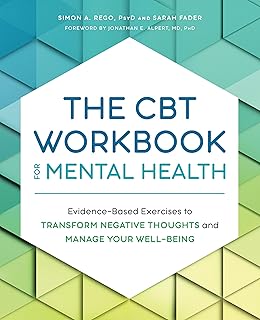



Therapy Approaches: Various therapeutic methods include cognitive-behavioral therapy (CBT), dialectical behavior therapy (DBT), and psychodynamic therapy
Cognitive-behavioral therapy (CBT) is a widely recognized and effective approach for addressing various mental health concerns. It focuses on identifying and challenging negative thought patterns and behaviors, replacing them with more constructive and adaptive ones. CBT is particularly beneficial for conditions such as anxiety, depression, and post-traumatic stress disorder (PTSD). Sessions typically involve setting specific goals, examining the relationship between thoughts, feelings, and actions, and practicing new coping strategies.
Dialectical behavior therapy (DBT) is another evidence-based method that combines elements of CBT with mindfulness practices. It emphasizes the importance of balancing acceptance and change, helping individuals develop emotional regulation skills, distress tolerance, and interpersonal effectiveness. DBT is often used to treat borderline personality disorder, substance abuse, and eating disorders. Sessions may include mindfulness exercises, skills training, and role-playing to practice new behaviors.
Psychodynamic therapy, on the other hand, delves deeper into the unconscious mind and past experiences to understand current mental health issues. It explores how early life events, relationships, and internal conflicts contribute to present-day struggles. This approach is beneficial for those seeking a more in-depth understanding of their psychological processes and is often used to treat chronic mental health conditions, personality disorders, and complex trauma. Sessions involve free association, dream analysis, and examining the therapeutic relationship itself.
When considering which therapy approach is right for you, it's essential to reflect on your specific needs and goals. If you're looking for practical strategies to manage symptoms quickly, CBT might be a good fit. If you're interested in a more holistic approach that incorporates mindfulness and emotional regulation, DBT could be beneficial. For those seeking a deeper exploration of their psyche and long-term personal growth, psychodynamic therapy might be the most suitable option.
Remember that therapy is a personal journey, and it's okay to try different approaches or combine elements from multiple methods to find what works best for you. Consulting with a mental health professional can help you make an informed decision and develop a tailored treatment plan that addresses your unique needs.
Unlocking Hope: The Symbolic Power of Safety Pin Necklaces for Mental Health Awareness
You may want to see also
Explore related products


Finding a Therapist: Tips on finding a therapist through insurance, online directories, or professional recommendations
Navigating the process of finding a therapist can be daunting, especially when trying to balance insurance coverage, personal preferences, and professional qualifications. A practical first step is to check with your insurance provider to understand the mental health services covered under your plan. Many insurance companies have a list of in-network therapists, which can significantly reduce out-of-pocket expenses. When contacting potential therapists, be prepared to ask about their experience, therapeutic approach, and availability to ensure they meet your specific needs.
Online directories, such as Psychology Today or GoodTherapy, offer a comprehensive database of mental health professionals. These platforms allow you to filter therapists based on location, specialty, and insurance acceptance, making it easier to find a suitable match. Additionally, reading reviews and testimonials can provide valuable insights into a therapist's style and effectiveness. However, it's crucial to verify the credentials and licensing of any therapist you consider, as online listings may not always be up-to-date or accurate.
Professional recommendations can also be a valuable resource in finding a therapist. Psychiatrists, primary care physicians, and other mental health professionals often have a network of trusted colleagues they can refer you to. These recommendations can be particularly helpful if you're seeking a therapist with a specific area of expertise, such as trauma or anxiety disorders. When following up on these referrals, be sure to ask about the nature of the professional relationship and any potential conflicts of interest.
In addition to these methods, community mental health centers and local support groups can offer valuable resources and connections. Many centers provide sliding-scale fees based on income, making therapy more accessible to those with financial constraints. Support groups, while not a substitute for individual therapy, can provide a sense of community and help you identify potential therapists who are active in your local area.
Ultimately, finding the right therapist is a personal process that may require some trial and error. It's essential to trust your instincts and feel comfortable with the therapist you choose. Remember that therapy is a collaborative effort, and the most important factor is the relationship between you and your therapist. By taking the time to research and explore your options, you can find a mental health professional who is well-suited to support you on your journey towards healing and growth.
Empowering Minds: Women's Mental Health Awareness Month Insights
You may want to see also
Explore related products





Questions to Ask: Important questions to ask a potential therapist about their experience, approach, and fees
Before committing to a therapist, it's crucial to ask about their experience and qualifications. Inquire about their educational background, the types of therapy they specialize in, and how long they've been practicing. Don't hesitate to ask for references or testimonials from previous clients. Understanding their approach is equally important; ask about their therapeutic style, the techniques they use, and how they measure progress. This will help you determine if their methods align with your needs and preferences.
Another key consideration is the therapist's fee structure. Ask about their rates, whether they offer sliding scale fees, and if they accept insurance. It's also important to discuss the frequency and duration of sessions, as well as any additional costs for assessments or evaluations. Don't forget to inquire about their availability and flexibility, especially if you have a busy schedule or specific time constraints.
When it comes to finding the right therapist, it's essential to ask about their experience working with clients who have similar issues to yours. For example, if you're struggling with anxiety, ask if they have experience treating anxiety disorders. Additionally, consider asking about their cultural competence and ability to work with diverse populations. This will help ensure that you find a therapist who is sensitive to your unique needs and experiences.
Finally, don't overlook the importance of building a strong rapport with your therapist. Ask about their communication style and how they foster a therapeutic relationship with their clients. Remember, therapy is a collaborative process, and finding a therapist who you feel comfortable with and trust is crucial for success. By asking these important questions, you can make an informed decision and find a therapist who is the right fit for you.
Decoding the Mental Health Implications of a Clear Phone Case
You may want to see also
Frequently asked questions
For general mental health concerns, a licensed clinical psychologist or a licensed therapist (LCSW, LMFT, LPCC) can provide comprehensive care. They are trained to diagnose and treat a wide range of mental health issues.
If you are experiencing severe symptoms, such as suicidal thoughts or hallucinations, a psychiatrist may be necessary as they can prescribe medication. For less severe issues or if you prefer talk therapy, a psychologist or licensed therapist may be more appropriate.
Cognitive-behavioral therapists (CBT) specialize in treating anxiety disorders. They focus on changing negative thought patterns and behaviors that contribute to anxiety.
Yes, many therapists offer online sessions, which can be convenient and accessible. Online therapy can be effective for various mental health concerns, but it's essential to ensure the therapist is licensed and experienced in providing online care.
Finding a good fit is crucial. You can ask for referrals from your primary care doctor, check with your insurance provider for in-network therapists, or use online directories like Psychology Today. It's also important to consider the therapist's approach, experience, and whether you feel comfortable with them during initial consultations.