Noah Parker
World Mental Health Day is observed annually on October 10th, providing an opportunity for individuals and communities worldwide to come together and raise awareness about mental health issues. Celebrating this day involves various activities aimed at promoting mental well-being, reducing stigma, and advocating for better mental health care. Events can range from educational workshops and community outreach programs to social media campaigns and personal reflections. By participating in these initiatives, people can contribute to fostering a more supportive and understanding environment for those affected by mental health challenges.
| Characteristics | Values |
|---|---|
| Purpose | Raise awareness about mental health issues and promote mental well-being |
| Date | October 10th |
| Theme | Varies annually (e.g., "Mental Health in an Unequal World") |
| Activities | Educational workshops, awareness campaigns, community events, social media engagement |
| Target Audience | General public, mental health professionals, individuals with lived experience |
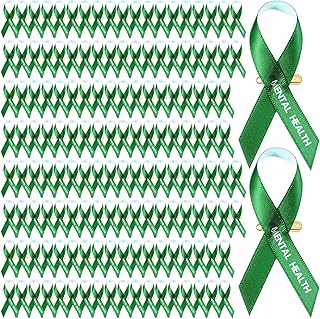
| Symbols | Green ribbon, mental health awareness logos |
| Messages | Encouragement to seek help, reduce stigma, promote self-care |
| Participating Organizations | WHO, mental health NGOs, community groups, schools, workplaces |
| Impact | Increased awareness, reduced stigma, improved access to mental health services |
| History | First observed in 1992 by the World Federation for Mental Health |
| Global Reach | Celebrated in over 150 countries |
| Resources | WHO website, mental health helplines, online support groups |
| Challenges | Limited access to mental health care in some regions, ongoing stigma |
| Success Stories | Increased funding for mental health services, improved public understanding |
| Future Goals | Universal access to mental health care, integration of mental health in primary care |
Explore related products





What You'll Learn
- Raise Awareness: Educate others about mental health issues and reduce stigma through social media and community events
- Self-Care: Prioritize your own mental well-being by engaging in activities that help you relax and recharge
- Support Networks: Reach out to friends, family, or mental health professionals for support and to offer help to others
- Advocate for Change: Encourage policymakers to prioritize mental health care and promote initiatives that improve access to services
- Celebrate Diversity: Recognize and honor the diverse experiences and perspectives of individuals affected by mental health issues

Raise Awareness: Educate others about mental health issues and reduce stigma through social media and community events
One effective way to celebrate World Mental Health Day is by actively raising awareness and educating others about mental health issues. This can be achieved through various means, including social media campaigns and community events. By leveraging these platforms, individuals can help reduce the stigma surrounding mental health and promote a more understanding and supportive environment.
Social media can be a powerful tool in raising awareness about mental health. Sharing informative posts, personal stories, and resources can help educate others and spark meaningful conversations. It's important to use accurate and respectful language when discussing mental health issues online. Additionally, engaging with others' posts and comments can help foster a sense of community and support.
Community events can also play a significant role in raising awareness and reducing stigma. Organizing or participating in events such as walks, talks, or workshops can provide opportunities to educate others about mental health in a more personal and interactive setting. These events can also help connect individuals with local resources and support networks.
When planning community events, it's important to consider the target audience and tailor the content accordingly. For example, events aimed at children and teenagers might focus on promoting positive mental health habits and coping strategies, while events for adults might delve into more complex topics such as mental health disorders and treatment options.
In addition to raising awareness, it's crucial to promote inclusivity and understanding. This can be achieved by highlighting the diverse experiences of individuals living with mental health issues and emphasizing the importance of empathy and support. By working together to reduce stigma and promote education, we can create a more compassionate and supportive society for everyone.
Exploring Mental Health Awareness: September's Significance and Impact
You may want to see also
Explore related products


Self-Care: Prioritize your own mental well-being by engaging in activities that help you relax and recharge
Engaging in self-care activities is crucial for maintaining mental well-being, especially on World Mental Health Day. One effective way to prioritize self-care is by incorporating relaxation techniques into your daily routine. For instance, practicing mindfulness meditation for just 10 minutes a day can significantly reduce stress levels and improve focus. Additionally, activities such as yoga, deep breathing exercises, or even taking a short walk in nature can help recharge your mental batteries.
Another aspect of self-care involves setting boundaries and learning to say no to commitments that may overwhelm you. This is particularly important in today's fast-paced world, where it's easy to get caught up in the demands of work, social media, and personal relationships. By establishing clear boundaries, you can create more time for yourself and engage in activities that truly bring you joy and relaxation.
Furthermore, it's essential to prioritize sleep as part of your self-care routine. Aiming for 7-9 hours of quality sleep each night can have a profound impact on your mental health, improving mood, cognitive function, and overall well-being. Creating a relaxing bedtime routine, such as reading a book or taking a warm bath, can help signal to your body that it's time to wind down and prepare for sleep.
In addition to these practices, it's important to nourish your body with a balanced diet rich in whole foods, fruits, and vegetables. Consuming nutrient-dense foods can support brain health and help regulate mood. Moreover, staying hydrated by drinking plenty of water throughout the day is crucial for maintaining cognitive function and overall well-being.
Lastly, don't underestimate the power of social connections in supporting mental health. Reaching out to friends, family, or a mental health professional can provide valuable support and help you feel less isolated. Engaging in activities that bring you joy and fulfillment, such as hobbies or creative pursuits, can also contribute to a sense of purpose and improve mental well-being.
By prioritizing self-care and incorporating these practices into your daily routine, you can better support your mental health and well-being, not just on World Mental Health Day, but every day.
Exploring Mental Health Coverage with Ambetter: What You Need to Know
You may want to see also
Explore related products


Support Networks: Reach out to friends, family, or mental health professionals for support and to offer help to others
Building a robust support network is crucial for maintaining good mental health, and World Mental Health Day serves as an excellent reminder to nurture these connections. Start by identifying the key people in your life who can offer emotional support, such as close friends, family members, or significant others. These individuals can provide a listening ear, valuable advice, and a sense of belonging, all of which are essential for mental well-being.
In addition to personal relationships, consider reaching out to mental health professionals. Therapists, counselors, and psychologists are trained to provide expert guidance and support for a wide range of mental health concerns. They can help you develop coping strategies, manage stress, and address underlying issues that may be impacting your mental health. Don't hesitate to seek professional help if you're struggling – it's a sign of strength, not weakness.
Offering help to others is another important aspect of support networks. Check in on friends and family members who may be going through a tough time, and let them know you're there for them. Volunteer at local mental health organizations or participate in online support groups to connect with others who share similar experiences. By providing support to others, you not only help them feel better but also strengthen your own sense of purpose and connection.
Remember that support networks aren't just for times of crisis – they're also essential for everyday well-being. Make an effort to maintain regular contact with your support network, even when you're feeling good. This can help prevent feelings of isolation and ensure that you have a strong foundation to fall back on when challenges arise.
Finally, be mindful of the quality of your support network. Surround yourself with people who uplift and inspire you, rather than those who bring you down. It's okay to set boundaries and distance yourself from toxic relationships. By cultivating a positive and supportive environment, you can better celebrate World Mental Health Day and promote good mental health in your own life and the lives of those around you.
Unlocking Mental Wellness: The Essential Degrees for Counselors
You may want to see also
Explore related products


Advocate for Change: Encourage policymakers to prioritize mental health care and promote initiatives that improve access to services
One effective way to celebrate World Mental Health Day is by advocating for change at the policy level. This involves encouraging policymakers to prioritize mental health care and promote initiatives that improve access to services. To do this, individuals can start by educating themselves on the current state of mental health policies in their country or region. This includes understanding the gaps in service provision, the barriers to accessing care, and the existing initiatives that are working well. Armed with this knowledge, individuals can then reach out to their local representatives, senators, or members of parliament to express their concerns and advocate for change.
Advocacy can take many forms, including writing letters, making phone calls, or attending town hall meetings. When communicating with policymakers, it is important to be clear, concise, and respectful. Individuals should focus on specific issues, such as increasing funding for mental health services, improving access to care in rural areas, or promoting mental health education in schools. They should also highlight the benefits of prioritizing mental health care, such as reducing the economic burden of mental illness, improving overall health outcomes, and enhancing the well-being of communities.
In addition to individual advocacy, organizations and community groups can also play a crucial role in promoting mental health care. These groups can organize events, such as rallies or panel discussions, to raise awareness about mental health issues and advocate for policy change. They can also collaborate with policymakers to develop and implement initiatives that improve access to services. For example, a community organization might partner with a local government to establish a mental health clinic in an underserved area or to provide training for primary care providers on mental health issues.
Social media can also be a powerful tool for advocacy. Individuals and organizations can use platforms like Twitter, Facebook, and Instagram to share information about mental health issues, promote events, and engage with policymakers. Hashtags can be used to amplify messages and reach a wider audience. For example, using the hashtag #WorldMentalHealthDay can help to connect individuals and organizations around the globe who are working to promote mental health care.
Ultimately, advocating for change at the policy level is a critical component of celebrating World Mental Health Day. By working together, individuals, organizations, and policymakers can make a significant impact on the lives of those affected by mental illness and promote a more inclusive and supportive society for all.
Unveiling the Origins: Mental Health Awareness Month's Journey
You may want to see also
Explore related products





Celebrate Diversity: Recognize and honor the diverse experiences and perspectives of individuals affected by mental health issues
Recognizing and honoring the diverse experiences and perspectives of individuals affected by mental health issues is a crucial aspect of celebrating World Mental Health Day. This involves acknowledging that mental health challenges do not affect people in a one-size-fits-all manner and that each person's journey is unique. By celebrating diversity, we can foster a more inclusive and supportive environment for everyone.
One way to celebrate diversity is by sharing and listening to personal stories. Hosting events where individuals can share their experiences with mental health issues can help break down stigmas and promote understanding. These events can take various forms, such as panel discussions, storytelling sessions, or even art exhibitions that showcase the creative expressions of those affected by mental health challenges.
Another important aspect is to recognize the role of culture and background in shaping mental health experiences. Different cultures may have varying perceptions and approaches to mental health, and it's essential to respect and understand these differences. Celebrating cultural diversity can involve organizing events that highlight the unique mental health challenges and strengths within different communities.
In addition to cultural diversity, it's also important to recognize the diversity within the mental health community itself. This includes acknowledging the different types of mental health conditions, the varying severity of symptoms, and the unique challenges faced by each individual. By doing so, we can ensure that our support and resources are tailored to meet the specific needs of each person.
Celebrating diversity also means actively working to include marginalized and underrepresented groups in mental health conversations. This can involve reaching out to communities that may not have access to mental health resources or whose voices are often overlooked. By amplifying these voices, we can gain a more comprehensive understanding of mental health issues and develop more effective solutions.
In conclusion, celebrating diversity is a key component of World Mental Health Day. By recognizing and honoring the unique experiences and perspectives of individuals affected by mental health issues, we can create a more inclusive and supportive environment. This involves sharing personal stories, respecting cultural differences, acknowledging the diversity within the mental health community, and actively including marginalized groups in the conversation.
Exploring the Metrics: How Mental Health is Measured
You may want to see also
Frequently asked questions
World Mental Health Day is observed on October 10th every year. It's a day dedicated to raising awareness about mental health issues, promoting mental well-being, and reducing the stigma associated with mental illness. This day is important because it encourages open conversations about mental health and advocates for better mental health care and support systems worldwide.
Individuals can participate in World Mental Health Day by attending local events, such as walks, talks, or workshops focused on mental health. They can also engage in online activities, like sharing mental health resources on social media, participating in webinars, or joining virtual support groups. Additionally, people can show their support by wearing yellow, the color associated with mental health awareness.
Promoting mental health and well-being in daily life can include practicing self-care activities like meditation, yoga, or deep breathing exercises. It's also important to maintain a healthy lifestyle by eating nutritious food, getting regular exercise, and ensuring adequate sleep. Building strong social connections, seeking professional help when needed, and engaging in activities that bring joy and fulfillment can also contribute to better mental health.
Workplaces can contribute to mental health awareness and support by implementing policies and programs that prioritize employee mental well-being. This can include offering mental health days, providing access to counseling services, promoting work-life balance, and creating a supportive and inclusive work environment. Employers can also organize mental health awareness events or training sessions to educate employees about mental health issues and resources.
There are various resources available for those seeking mental health support. These include local mental health clinics, online therapy platforms, support hotlines, and community organizations. Additionally, many countries have national mental health associations that provide information, resources, and referrals for mental health services. It's important to reach out for help when needed and to know that support is available.