Caleb Wright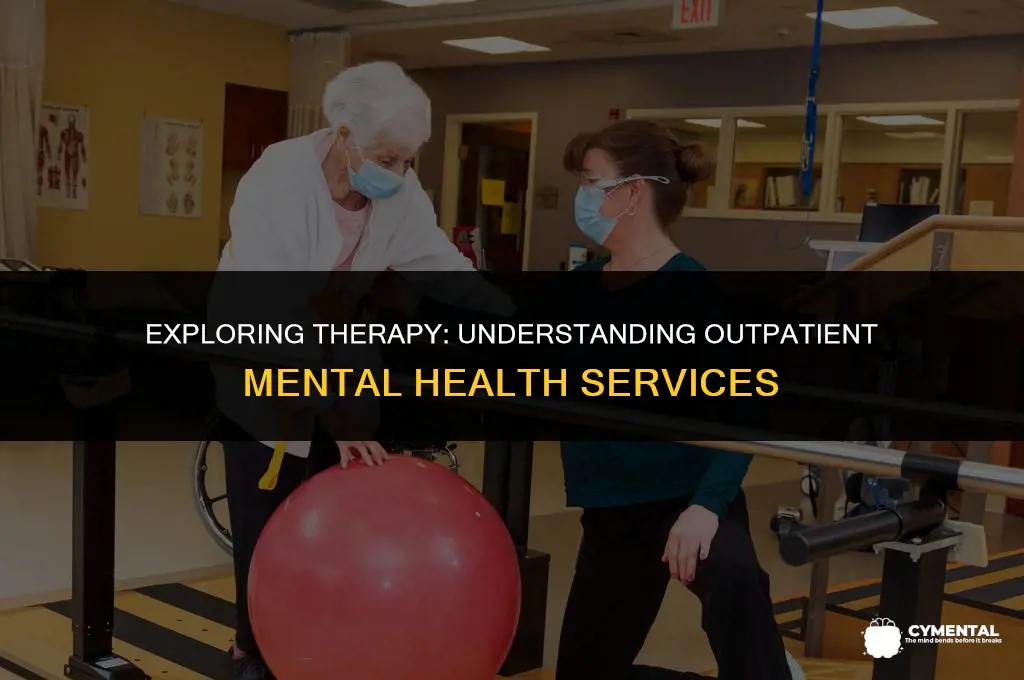
Therapy is often considered a vital component of outpatient mental health services. Outpatient mental health refers to the provision of mental health care to individuals who do not require 24-hour supervision or inpatient care. Therapy, in this context, encompasses various forms of counseling and psychotherapy aimed at helping individuals manage and overcome mental health challenges. It can be provided in individual, group, or family settings and is typically conducted by licensed mental health professionals such as psychologists, social workers, or counselors. The goal of therapy in outpatient mental health is to support individuals in achieving emotional well-being, improving coping mechanisms, and enhancing overall quality of life.
Explore related products


What You'll Learn

Definition of Outpatient Mental Health
Outpatient mental health refers to a range of therapeutic and psychiatric services provided to individuals who do not require 24-hour inpatient care. This encompasses a broad spectrum of treatments, including individual therapy, group therapy, family therapy, and medication management. Outpatient services are typically delivered in settings such as clinics, private practices, community centers, and sometimes even online platforms. The primary goal of outpatient mental health services is to support individuals in managing their mental health conditions while allowing them to maintain their daily routines and responsibilities.
Therapy, in the context of outpatient mental health, involves working with a trained mental health professional to address various psychological issues. This can include cognitive-behavioral therapy (CBT), dialectical behavior therapy (DBT), psychodynamic therapy, and other evidence-based approaches. Therapy sessions may focus on developing coping strategies, improving communication skills, addressing trauma, or managing symptoms of mental health disorders such as depression, anxiety, and bipolar disorder.
One of the key benefits of outpatient mental health services is their flexibility. Individuals can schedule appointments at times that are convenient for them, allowing them to balance their mental health needs with other commitments such as work, school, or family. Additionally, outpatient services often provide a more cost-effective option compared to inpatient care, making mental health treatment more accessible to a wider range of people.
However, outpatient mental health services may not be suitable for everyone. Individuals experiencing severe mental health crises, such as suicidal thoughts or psychotic episodes, may require more intensive inpatient care. Furthermore, outpatient services may not provide the same level of support and structure as inpatient programs, which can be a disadvantage for some individuals.
In conclusion, outpatient mental health services, including therapy, play a crucial role in supporting individuals with mental health conditions. These services offer flexibility, accessibility, and a range of treatment options that can be tailored to meet the unique needs of each person. While outpatient care may not be appropriate in all situations, it remains an essential component of the mental health care continuum.
Where to Purchase Mental Health Awareness Ribbons: A Comprehensive Guide
You may want to see also
Explore related products





Types of Therapy Sessions
Cognitive Behavioral Therapy (CBT) is a prevalent form of outpatient therapy that focuses on modifying dysfunctional emotions, behaviors, and thoughts. CBT sessions typically involve a structured approach where the therapist and client work collaboratively to identify and challenge negative thought patterns and develop coping strategies. This type of therapy is often used to treat conditions such as depression, anxiety, and post-traumatic stress disorder (PTSD).
Dialectical Behavior Therapy (DBT) is another outpatient therapy modality that combines elements of CBT with mindfulness practices. DBT emphasizes the development of emotional regulation skills, distress tolerance, and interpersonal effectiveness. Sessions often include a combination of individual therapy, group skills training, and phone coaching to provide comprehensive support for clients struggling with borderline personality disorder, substance abuse, or other emotional dysregulation issues.
Family therapy is a unique outpatient approach that involves working with an entire family unit to address relationship dynamics, communication patterns, and conflict resolution strategies. This type of therapy can be particularly beneficial for addressing issues such as divorce, blended families, or adolescent behavioral problems. Sessions typically involve all family members and may include activities such as role-playing, problem-solving exercises, and open dialogue to foster understanding and improve family functioning.
Group therapy is an outpatient modality that brings together individuals with similar concerns or diagnoses to work on shared goals and issues. Led by one or more therapists, group sessions provide a supportive environment for clients to practice social skills, receive feedback from peers, and develop a sense of community. This approach is often used to treat conditions such as social anxiety, depression, or substance abuse, and can be particularly effective for individuals who struggle with interpersonal relationships or feelings of isolation.
Eye Movement Desensitization and Reprocessing (EMDR) is a specialized outpatient therapy used primarily to treat PTSD and other trauma-related disorders. EMDR sessions involve guiding the client through a series of rapid eye movements while they recall and process traumatic memories. This technique is believed to help reduce the intensity of negative emotions and reactions associated with traumatic experiences, leading to improved mental health outcomes.
In conclusion, outpatient therapy encompasses a wide range of modalities and approaches, each tailored to address specific mental health concerns and client needs. From CBT and DBT to family and group therapy, these sessions provide individuals with the opportunity to work on personal growth, develop coping strategies, and improve overall well-being in a supportive and structured environment.
Exploring Ideation: Understanding Mental Health's Creative Processes
You may want to see also
Explore related products


Therapist Qualifications
In addition to formal education, therapists must also obtain licensure or certification, which varies depending on the country or state in which they practice. This process usually involves completing a certain number of supervised clinical hours, passing a licensing exam, and adhering to ongoing professional development requirements. These measures are in place to protect clients and ensure that therapists are competent to provide mental health services.
Furthermore, many therapists choose to specialize in specific areas of mental health, such as anxiety disorders, depression, or trauma. This specialization allows them to develop a deeper understanding of particular issues and to tailor their therapeutic approach to meet the unique needs of their clients. Therapists may also pursue additional training in evidence-based practices, such as cognitive-behavioral therapy (CBT) or dialectical behavior therapy (DBT), to enhance their skills and improve client outcomes.
When seeking outpatient mental health therapy, it is important for clients to consider the qualifications and experience of potential therapists. This can include researching the therapist's educational background, licensure status, and areas of specialization. Clients may also want to inquire about the therapist's approach to treatment and how they measure progress. By carefully selecting a qualified therapist, clients can increase the likelihood of a positive and productive therapeutic experience.
Exploring Women's Mental Health: Awareness, Advocacy, and Action
You may want to see also
Explore related products


Patient Engagement
One unique aspect of patient engagement in outpatient mental health therapy is the use of technology. Telehealth platforms, mobile apps, and online portals can facilitate communication between patients and providers, provide access to educational resources, and enable patients to track their progress. For example, a patient might use a mobile app to log their mood, medication adherence, and sleep patterns, which can then be reviewed by their therapist during sessions.
Another important factor in patient engagement is the therapeutic relationship. A strong, trusting relationship between the patient and provider can motivate patients to participate actively in their treatment. Therapists can foster this relationship by demonstrating empathy, respect, and a genuine interest in the patient's well-being. Additionally, involving family members or caregivers in the treatment process can also enhance patient engagement, particularly for individuals with severe mental health conditions.
In conclusion, patient engagement is a multifaceted concept that is essential for effective outpatient mental health therapy. By leveraging technology, fostering strong therapeutic relationships, involving family members, providing education and resources, and soliciting patient feedback, healthcare providers can promote active participation and improve outcomes for their patients.
Exploring the Sweet Side of Mental Health: Does Oreo Support Well-being?
You may want to see also
Explore related products


Insurance Coverage
When considering insurance coverage for therapy, it's important to verify whether the therapist is in-network or out-of-network with your insurance provider. In-network therapists have agreed to accept the insurance company's negotiated rates, which can result in lower out-of-pocket costs for you. Out-of-network therapists may charge higher rates, and you may be responsible for a larger portion of the cost. Some insurance plans may not cover out-of-network services at all.
Another factor to consider is the number of therapy sessions covered by your insurance plan. Some plans may limit the number of sessions per year, while others may offer unlimited coverage. Additionally, some plans may require pre-authorization for therapy sessions, which means you'll need to get approval from the insurance company before starting treatment.
It's also worth noting that some insurance plans may cover alternative forms of mental health treatment, such as online therapy or group therapy. If you're interested in these options, be sure to check with your insurance provider to see if they are covered under your plan.
In summary, understanding your insurance coverage for therapy is crucial to ensure you can access the mental health services you need without incurring unexpected costs. By verifying your coverage details, including the type of plan, in-network vs. out-of-network providers, session limits, and pre-authorization requirements, you can make informed decisions about your mental health care.
Exploring Minds: YA Books That Tackle Mental Health
You may want to see also
Frequently asked questions
Yes, therapy is generally considered a form of outpatient mental health care. It involves regular sessions with a mental health professional to address various mental health concerns.
Common types of therapy used in outpatient settings include Cognitive Behavioral Therapy (CBT), Dialectical Behavior Therapy (DBT), and psychodynamic therapy. Each type focuses on different aspects of mental health and behavior.
The frequency of therapy sessions varies depending on the individual's needs and the therapist's recommendations. It can range from weekly sessions to bi-weekly or monthly sessions.
Outpatient therapy allows individuals to maintain their daily routines and responsibilities while receiving treatment. It is often more cost-effective and provides greater flexibility in scheduling. Inpatient treatment, on the other hand, offers a more intensive and structured environment, which can be beneficial for those with severe mental health issues.
Outpatient therapy can be effective for treating a wide range of mental health conditions, including depression, anxiety, and substance abuse disorders. However, for more severe conditions or those requiring intensive care, inpatient treatment may be more appropriate.