Harper Lewis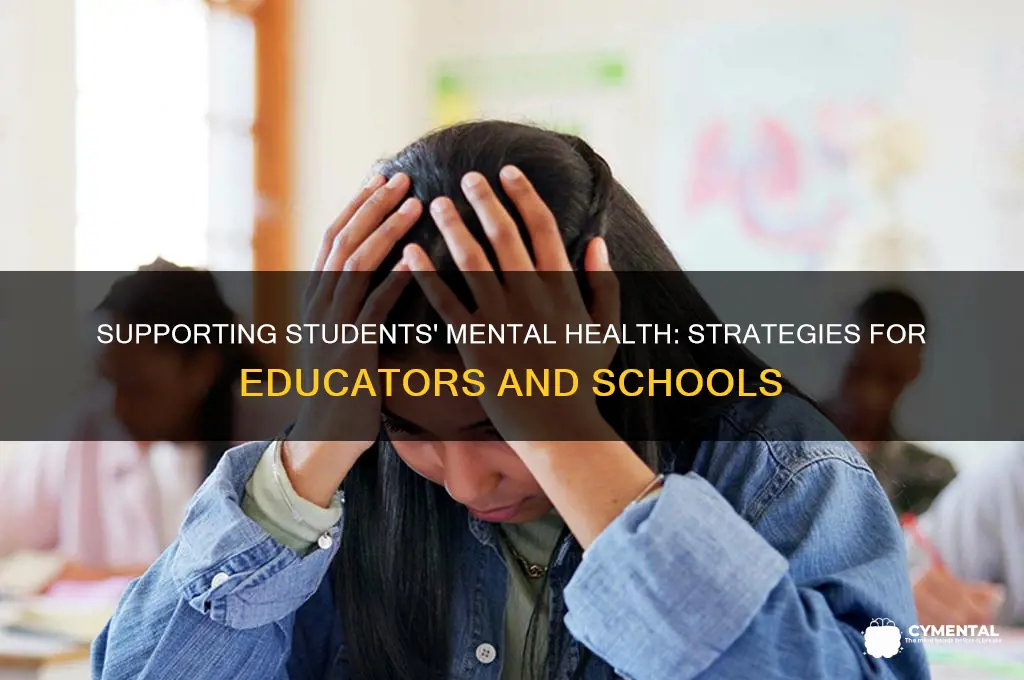
Addressing the mental health needs of students is a critical responsibility for educators, administrators, and support staff, as it directly impacts academic success, emotional well-being, and overall development. With the rising prevalence of mental health challenges among young people, schools must adopt a proactive and compassionate approach to identify, support, and accommodate students struggling with issues such as anxiety, depression, or trauma. This involves fostering a stigma-free environment, providing access to professional resources, and equipping staff with the training to recognize warning signs and respond appropriately. By integrating mental health awareness into school policies and curricula, educators can create a supportive framework that empowers students to seek help, build resilience, and thrive both academically and personally.
| Characteristics | Values |
|---|---|
| Create a Safe Environment | Foster trust, ensure confidentiality, and provide a non-judgmental space for students. |
| Educate Yourself | Stay informed about common mental health issues, signs, and resources for support. |
| Encourage Open Communication | Normalize discussions about mental health and actively listen without interrupting. |
| Be Patient and Empathetic | Understand that recovery takes time and approach students with compassion. |
| Refer to Professionals | Connect students with school counselors, psychologists, or external mental health services. |
| Promote Self-Care | Encourage healthy habits like sleep, exercise, and mindfulness practices. |
| Monitor for Red Flags | Be vigilant for signs of severe distress, self-harm, or suicidal ideation. |
| Collaborate with Parents/Guardians | Maintain open communication with families to provide consistent support. |
| Adapt Teaching Methods | Offer flexible deadlines, alternative assignments, or quiet spaces for overwhelmed students. |
| Reduce Stigma | Use inclusive language and challenge stereotypes about mental health in the classroom. |
| Provide Consistent Support | Regularly check in with students and ensure they feel supported over time. |
| Respect Boundaries | Avoid pushing students to share more than they are comfortable with. |
| Stay Calm in Crises | Respond calmly and follow crisis protocols if a student is in immediate danger. |
| Promote Peer Support | Encourage a culture of kindness and peer-to-peer support among students. |
| Celebrate Progress | Acknowledge and celebrate small achievements to boost students' confidence. |
Explore related products



What You'll Learn
- Recognize Signs Early: Learn common indicators like withdrawal, mood swings, or sudden academic decline
- Create Safe Spaces: Foster trust by ensuring confidentiality and non-judgmental communication in classrooms
- Collaborate with Professionals: Partner with counselors, psychologists, and healthcare providers for comprehensive support
- Adapt Teaching Methods: Use flexible strategies like extended deadlines or alternative assessments to reduce stress
- Promote Self-Care: Encourage healthy habits, mindfulness, and access to resources for student well-being

Recognize Signs Early: Learn common indicators like withdrawal, mood swings, or sudden academic decline
Students often exhibit subtle yet significant changes in behavior long before a mental health crisis emerges. Recognizing these early signs is crucial for timely intervention. Withdrawal from social activities, for instance, is a common red flag. A once-outgoing student who suddenly stops participating in group discussions or avoids lunch with peers may be struggling internally. Similarly, mood swings—unexplained irritability, persistent sadness, or sudden outbursts—can indicate underlying emotional distress. Educators and caregivers should also monitor academic performance; a sharp decline in grades or missed assignments, especially in a previously high-achieving student, often signals a deeper issue. These indicators, when noticed and addressed promptly, can prevent more severe consequences.
To effectively identify these signs, educators must adopt a proactive approach. Regular check-ins, both formal and informal, can provide valuable insights into a student’s well-being. For younger students (ages 6–12), teachers might observe changes in play behavior or increased clinginess. In adolescents (ages 13–18), look for signs like excessive sleepiness, changes in eating habits, or a sudden disinterest in hobbies. Practical tips include maintaining a log of observed behaviors and comparing notes with other staff members to ensure consistency. Schools can also implement training programs for teachers and staff to enhance their ability to recognize these signs, emphasizing the importance of a non-judgmental, empathetic response.
Comparing early intervention to preventive healthcare highlights its long-term benefits. Just as regular check-ups can detect physical ailments before they worsen, recognizing mental health signs early can mitigate the risk of severe conditions like depression or anxiety disorders. For example, a student showing signs of withdrawal might benefit from a referral to a school counselor or a structured support group. Similarly, addressing sudden academic decline through tutoring or accommodations can alleviate stress and improve overall mental health. This comparative perspective underscores the value of vigilance and proactive measures in educational settings.
Finally, while recognizing signs is essential, it’s equally important to approach students with sensitivity and care. Avoid labeling behaviors or making assumptions about their causes. Instead, use open-ended questions like, “I’ve noticed you’ve been less involved lately. Is there something you’d like to talk about?” This approach fosters trust and encourages students to share their struggles. Schools should also establish clear protocols for escalating concerns, ensuring that students receive appropriate professional help when needed. By combining awareness, empathy, and structured support, educators can create a safe environment that promotes mental well-being.
Navigating Mental Health Challenges: Strategies for Healing and Resilience
You may want to see also
Explore related products


Create Safe Spaces: Foster trust by ensuring confidentiality and non-judgmental communication in classrooms
Students with mental health issues often carry invisible burdens, and the classroom can either exacerbate or alleviate their struggles. Creating safe spaces is not just a buzzword but a critical intervention that begins with fostering trust. Confidentiality is the cornerstone of this trust. When a student shares their feelings or experiences, they must know their words will not be broadcasted or used against them. Teachers can establish this by explicitly stating their commitment to privacy, except in cases where safety is at risk. For instance, a simple phrase like, "What we discuss stays between us unless there’s a concern about harm" sets clear boundaries while reassuring the student.
Non-judgmental communication is equally vital, as it encourages openness without fear of ridicule or dismissal. This requires educators to actively listen, validate emotions, and avoid minimizing concerns. For example, instead of saying, "It’s not that big of a deal," a teacher might respond with, "It sounds like this is really weighing on you—how can I support you?" Such responses create a space where students feel heard and respected, which is essential for building trust. Practical strategies include using open-ended questions, reflecting back emotions, and avoiding advice unless asked.
However, creating safe spaces isn’t solely the teacher’s responsibility; it’s a collective effort. Peer interactions play a significant role, and educators can model respectful communication by addressing conflicts or insensitive remarks promptly. For instance, if a student makes a dismissive comment about anxiety, a teacher might say, "Let’s remember that everyone’s experiences are valid, even if they’re different from ours." This not only educates the class but also reinforces the expectation of empathy.
Finally, the physical environment can subtly reinforce safety. A designated "calm corner" with sensory tools, flexible seating options, or even a simple signal (like a raised hand) for students to request a break can make a classroom feel more accommodating. Pairing these structural changes with consistent, empathetic communication ensures that students know their mental health is prioritized. By weaving confidentiality and non-judgmental practices into the fabric of the classroom, educators create a sanctuary where students feel safe to learn, grow, and seek help when needed.
Supporting Your Spouse: Navigating Mental Health Challenges Together
You may want to see also
Explore related products


Collaborate with Professionals: Partner with counselors, psychologists, and healthcare providers for comprehensive support
Students with mental health issues often require a multifaceted support system that extends beyond the classroom. Collaborating with professionals such as counselors, psychologists, and healthcare providers is essential for creating a comprehensive and effective support network. These experts bring specialized knowledge and skills that educators alone cannot provide, ensuring students receive the holistic care they need to thrive academically and emotionally.
Consider the steps involved in establishing these partnerships. First, identify local mental health resources and initiate contact with professionals in your area. Schools can formalize relationships through memorandums of understanding (MOUs) that outline roles, responsibilities, and confidentiality protocols. For instance, a school might partner with a community mental health center to provide on-site counseling services one day a week for students aged 13–18. Second, create a referral system that allows teachers and staff to flag concerns and connect students with appropriate services promptly. A simple referral form with categories like "anxiety," "depression," or "behavioral issues" can streamline this process. Finally, schedule regular meetings between educators and mental health professionals to discuss student progress, share insights, and adjust support strategies as needed.
While collaboration is crucial, it’s equally important to navigate potential challenges. One common issue is miscommunication due to differing professional jargon or priorities. For example, educators may focus on classroom behavior, while psychologists prioritize emotional regulation. To mitigate this, establish shared language and goals early on. Another caution is ensuring student privacy under laws like FERPA (Family Educational Rights and Privacy Act) in the U.S. Professionals must adhere to strict confidentiality guidelines, sharing only necessary information with parental consent for minors. Additionally, be mindful of resource limitations; not all schools have equal access to mental health professionals, so advocate for funding or explore telehealth options as alternatives.
The benefits of such partnerships are transformative. A study by the American Psychological Association found that schools with integrated mental health services saw a 30% reduction in disciplinary incidents and a 20% improvement in academic performance among participating students. For example, a high school in Oregon partnered with a local psychologist to implement cognitive-behavioral therapy (CBT) sessions for students with anxiety. Over six months, 75% of participants reported reduced symptoms, and teachers noted improved focus in the classroom. This collaborative approach not only addresses immediate mental health needs but also equips students with long-term coping strategies.
In conclusion, partnering with counselors, psychologists, and healthcare providers is not just beneficial—it’s imperative for supporting students with mental health issues. By taking deliberate steps to establish these collaborations, schools can create a safety net that catches students before they fall through the cracks. While challenges exist, the payoff is immeasurable: healthier, more resilient students who are better prepared to succeed in all aspects of life.
Self-Care Strategies for Managing Mental Health Without Therapy
You may want to see also
Explore related products




Adapt Teaching Methods: Use flexible strategies like extended deadlines or alternative assessments to reduce stress
Students with mental health issues often face heightened stress when rigid academic structures collide with their fluctuating capacities. Extended deadlines, for instance, can act as a pressure valve, allowing them to manage workloads during episodes of anxiety or depression without the fear of penalization. A 2019 study in the *Journal of College Student Mental Health* found that students who received deadline extensions reported a 23% reduction in stress-related symptoms, highlighting the tangible benefits of such flexibility. However, this strategy requires clear communication: specify the new deadline in writing and encourage students to submit work incrementally if possible, fostering a sense of progress rather than procrastination.
Alternative assessments offer another pathway to reduce stress while maintaining academic rigor. For example, a student struggling with social anxiety might excel in a written reflection instead of a group presentation. At the University of British Columbia, faculty piloted a system where students could choose between traditional exams and project-based assessments, resulting in a 15% increase in overall course satisfaction among participants. When designing alternatives, align them with learning objectives—a video essay, for instance, can demonstrate critical thinking as effectively as a written paper. Caution, though: avoid tokenism by ensuring the alternative carries equal weight and academic value.
Flexibility must be balanced with structure to prevent unintended consequences. Extended deadlines, without boundaries, can lead to chronic delay if not paired with check-ins or interim milestones. For younger students (ages 13–18), consider capping extensions at 48–72 hours to maintain accountability while providing relief. For college-aged students, a tiered system—such as one additional week for assignments and two for major projects—can offer predictability. Similarly, alternative assessments should not become a default but a negotiated option, requiring a brief discussion or documentation to ensure fairness and prevent misuse.
The persuasive case for these adaptations lies in their dual benefit: they support student well-being without compromising educational standards. A teacher might argue that flexibility undermines discipline, but data suggests otherwise. In a 2021 survey by the National Alliance on Mental Illness, 78% of educators reported that accommodating students with mental health needs improved classroom morale and engagement. By reframing flexibility as an investment in long-term success, educators can foster resilience rather than dependency. Start small: pilot one flexible strategy per semester, gather student feedback, and refine based on outcomes. Over time, these adjustments become not just accommodations but transformative practices that redefine academic support.
Supporting Your Spouse: Navigating Mental Health Challenges Together with Compassion
You may want to see also
Explore related products






Promote Self-Care: Encourage healthy habits, mindfulness, and access to resources for student well-being
Students grappling with mental health issues often face a silent battle, one that can be alleviated through proactive self-care. Encouraging healthy habits, mindfulness, and access to resources isn’t just supportive—it’s transformative. Start by integrating simple, consistent routines into their daily lives, such as 7–9 hours of sleep for adolescents, a balanced diet rich in omega-3s and antioxidants, and at least 30 minutes of physical activity daily. These habits form the foundation of resilience, equipping students to better manage stress and emotional challenges.
Mindfulness, often misunderstood as a complex practice, can be as straightforward as 5–10 minutes of guided breathing exercises or journaling before bed. Schools can introduce mindfulness through short, structured sessions during homeroom or study halls, using apps like Headspace or Calm for accessibility. For older students, incorporating mindfulness into existing subjects—like reflective writing in English class—normalizes the practice and reduces stigma. The goal is to make mindfulness a tool, not a chore, fostering a sense of calm and self-awareness.
Access to resources is critical but often overlooked. Schools should maintain a visible, up-to-date list of mental health services, including crisis hotlines, counseling centers, and peer support groups. For younger students (ages 10–14), visual aids like posters or interactive boards can demystify these resources. Older teens (15–18) may benefit from digital platforms or workshops that teach them how to navigate mental health apps or telehealth services independently. Ensuring these resources are culturally sensitive and inclusive amplifies their effectiveness.
However, promoting self-care isn’t without challenges. Overemphasis on individual responsibility can inadvertently shame students who struggle to maintain habits. Educators and caregivers must strike a balance, offering encouragement without judgment. For instance, instead of asking, “Why haven’t you been sleeping?” try, “What’s one small step you could take tonight to rest better?” This shifts the focus from failure to possibility, fostering a growth mindset.
Ultimately, self-care is a collective effort. Schools can model healthy behaviors by prioritizing teacher well-being, offering professional development on mental health, and creating environments that value rest and reflection. When students see self-care practiced institutionally, they’re more likely to adopt it personally. By weaving healthy habits, mindfulness, and resource access into the fabric of school life, we empower students not just to cope, but to thrive.
Approaching with Care: How to Ask About Mental Health Issues
You may want to see also
Frequently asked questions
Educators can identify students by observing changes in behavior, academic performance, attendance, or social interactions. Signs may include withdrawal, irritability, persistent sadness, or difficulty concentrating. Building trust and maintaining open communication with students can also encourage them to share their struggles.
Strategies include creating a safe and inclusive environment, offering flexible deadlines, providing access to counseling services, and using trauma-informed practices. Educators can also educate themselves about mental health, avoid stigmatizing language, and collaborate with school counselors or parents for additional support.
Educators should set boundaries, practice self-care, and seek support from colleagues or supervisors. Utilizing available resources, such as professional development on mental health, and encouraging a culture of empathy and understanding in the school community can also help maintain a healthy balance.