Ava Ramirez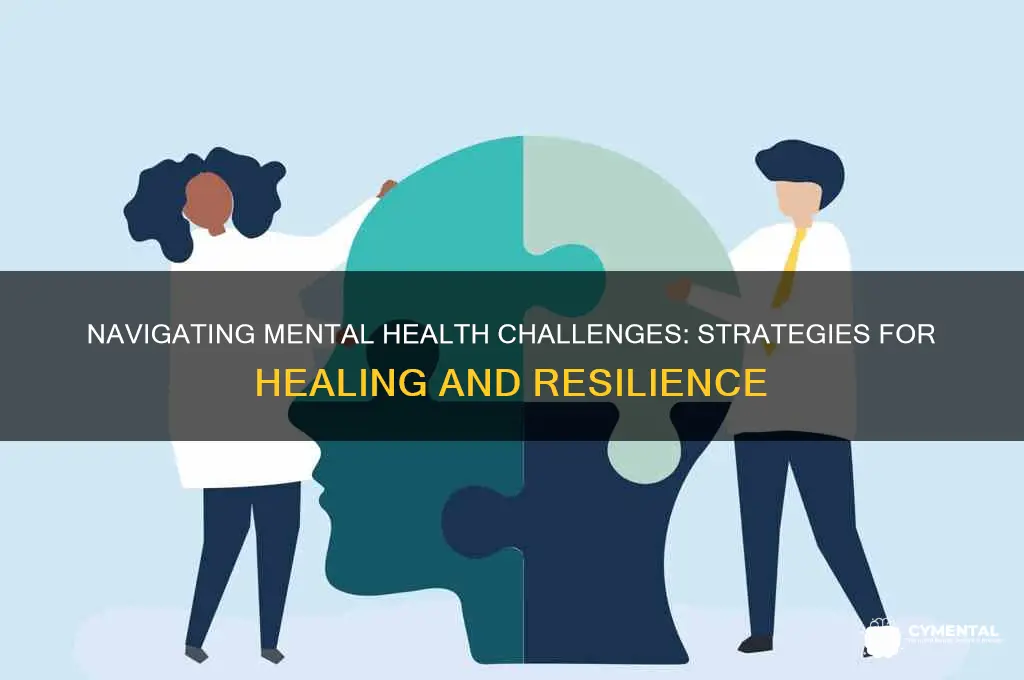
Dealing with mental healthcare issues requires a multifaceted approach that prioritizes self-awareness, support, and professional intervention. Recognizing the signs of mental health challenges, such as persistent sadness, anxiety, or changes in behavior, is the first step toward addressing them. Seeking help from mental health professionals, such as therapists or psychiatrists, is crucial for accurate diagnosis and tailored treatment plans, which may include therapy, medication, or lifestyle adjustments. Building a strong support network of friends, family, or support groups can provide emotional comfort and encouragement. Additionally, adopting self-care practices like regular exercise, mindfulness, and maintaining a balanced diet can significantly improve mental well-being. Open communication and reducing stigma around mental health are essential to fostering an environment where individuals feel safe to seek help and work toward recovery.
Explore related products


What You'll Learn
- Recognize Symptoms Early: Learn common signs like mood swings, withdrawal, or persistent sadness to act promptly
- Seek Professional Help: Consult therapists, psychiatrists, or counselors for diagnosis and tailored treatment plans
- Build Support Networks: Engage family, friends, or support groups for emotional encouragement and understanding
- Practice Self-Care Daily: Prioritize sleep, exercise, nutrition, and mindfulness to maintain mental well-being
- Use Coping Strategies: Adopt techniques like journaling, meditation, or hobbies to manage stress effectively

Recognize Symptoms Early: Learn common signs like mood swings, withdrawal, or persistent sadness to act promptly
Mental health issues often manifest subtly, making early detection a critical yet challenging task. Recognizing symptoms like mood swings, withdrawal, or persistent sadness can be the difference between timely intervention and prolonged suffering. For instance, a teenager experiencing sudden irritability and isolation might be showing early signs of depression, while an adult with unexplained fatigue and apathy could be grappling with anxiety. These signs, though common, are not normal—they are red flags that demand attention.
To effectively identify these symptoms, start by observing behavioral changes over time. Keep a journal to track patterns, such as a colleague who consistently cancels social plans or a family member whose energy levels plummet after minor stressors. Pair this with open communication; ask non-judgmental questions like, “I’ve noticed you seem more tired lately—is everything okay?” Tools like the PHQ-9 (Patient Health Questionnaire) for depression or GAD-7 (Generalized Anxiety Disorder) for anxiety can provide structured assessments, though they should complement, not replace, professional evaluation.
Early recognition is not just about spotting symptoms—it’s about understanding their context. For children, withdrawal might stem from bullying, while in older adults, it could signal cognitive decline. Cultural factors also play a role; in some communities, expressing sadness openly is stigmatized, leading individuals to mask symptoms. Tailoring your approach to the person’s background ensures a more accurate and empathetic response.
Acting promptly on these observations is equally vital. Delaying intervention can exacerbate conditions, making treatment more complex. For example, untreated anxiety may evolve into panic disorder, while prolonged depression increases the risk of self-harm. Start with small, actionable steps: encourage the individual to engage in light physical activity, which studies show can reduce symptoms of depression by up to 26%. Simultaneously, schedule a consultation with a mental health professional, ensuring the process feels supportive rather than confrontational.
Finally, self-awareness is a cornerstone of early recognition. Educate yourself and those around you on the nuances of mental health symptoms. Workshops, online resources like the National Alliance on Mental Illness (NAMI), or even apps like Calm or Headspace can provide valuable insights. By fostering a culture of vigilance and understanding, you empower not only yourself but your community to address mental health challenges before they escalate. Early recognition isn’t just a skill—it’s a lifeline.
Breaking Stigma: Society's Complex Perception of Mental Health Struggles
You may want to see also
Explore related products




Seek Professional Help: Consult therapists, psychiatrists, or counselors for diagnosis and tailored treatment plans
Mental health struggles often require more than self-help strategies. While self-care practices like exercise and meditation are valuable, they may not be enough to address complex conditions like depression, anxiety disorders, or PTSD. This is where professional intervention becomes crucial. Therapists, psychiatrists, and counselors are trained to diagnose the root causes of mental health issues and develop personalized treatment plans. Unlike generic advice found online, these professionals offer evidence-based therapies and, when necessary, medication tailored to your specific needs.
Consider the process as a collaborative journey. During initial consultations, expect to discuss your symptoms, medical history, and lifestyle. Therapists might employ techniques like cognitive-behavioral therapy (CBT) to challenge negative thought patterns, while psychiatrists can prescribe medications such as selective serotonin reuptake inhibitors (SSRIs) for conditions like major depressive disorder. Counselors often focus on practical coping strategies and emotional support. For instance, a 45-year-old with generalized anxiety disorder might benefit from a combination of weekly CBT sessions and a low-dose SSRI (e.g., 10mg of escitalopram), adjusted based on progress.
One common misconception is that seeking professional help is a sign of weakness or failure. In reality, it’s a proactive step toward recovery. Research shows that integrated treatment—combining therapy and medication—yields better outcomes for severe mental health conditions. For example, a study in the *Journal of Clinical Psychiatry* found that patients with treatment-resistant depression experienced significant improvement when psychotherapy was added to their medication regimen. This highlights the importance of a multidisciplinary approach.
However, finding the right professional can be daunting. Start by verifying credentials—ensure they are licensed and specialize in your area of concern. Many therapists offer free consultations, allowing you to assess their approach before committing. Online platforms like Psychology Today or BetterHelp can connect you with professionals based on location, expertise, and insurance coverage. For those hesitant about in-person sessions, teletherapy has proven equally effective for many conditions, offering flexibility without compromising care.
Ultimately, seeking professional help is an investment in your long-term well-being. It empowers you with tools to manage symptoms, understand underlying causes, and build resilience. While the process may require time and patience, the structured support of a trained expert can make a profound difference. Remember, mental health is as deserving of professional care as physical health—taking that first step could be the most transformative decision you make.
Supporting Your Partner: Navigating Mental Health Challenges in Relationships
You may want to see also
Explore related products


$7.84 $14.99


Build Support Networks: Engage family, friends, or support groups for emotional encouragement and understanding
Human connection is a powerful antidote to the isolation that often accompanies mental health struggles. Building a support network isn't about burdening others; it's about recognizing the strength found in shared vulnerability.
Consider this: a study published in the *Journal of Consulting and Clinical Psychology* found that individuals with strong social support networks experienced significantly reduced symptoms of depression and anxiety compared to those who faced their struggles alone. This highlights the tangible impact of emotional encouragement and understanding from loved ones.
Imagine navigating a dense forest at night. Alone, the path seems treacherous, shadows loom large, and every rustle is a potential threat. But with a group, the journey becomes illuminated by shared light, fears diminish, and the way forward feels more navigable. This is the essence of a support network.
Building this network requires intentionality. Start by identifying individuals who embody empathy, active listening, and non-judgment. These could be close friends, family members, or even online communities dedicated to mental health support. Be transparent about your needs – whether it's a listening ear, a distraction from negative thoughts, or simply the comfort of shared silence. Remember, vulnerability is a strength, not a weakness.
Just as a plant needs sunlight and water to thrive, your mental well-being requires nourishment. Think of your support network as the fertile soil, providing the essential nutrients for growth and resilience.
Don't underestimate the power of shared experiences. Support groups, both online and in-person, connect you with individuals facing similar challenges. This sense of community fosters a unique understanding and validation that can be difficult to find elsewhere.
Building a support network is an investment in your mental health. It's not a one-time solution, but an ongoing process of nurturing connections, offering support in return, and recognizing the strength found in collective resilience. Remember, you are not alone in this journey. Reach out, connect, and allow the light of human connection to guide you towards healing.
America's Health Care Gap: Ignoring Mental Health in the System
You may want to see also
Explore related products


Practice Self-Care Daily: Prioritize sleep, exercise, nutrition, and mindfulness to maintain mental well-being
Sleep is the cornerstone of mental resilience, yet it’s often the first sacrifice in a busy schedule. Adults require 7–9 hours nightly, but consistency matters more than duration. Irregular sleep patterns disrupt your circadian rhythm, amplifying anxiety and depression. To optimize sleep, establish a ritual: dim lights 30 minutes before bed, avoid screens, and keep the room cool (60–67°F). If racing thoughts interfere, try a 4-7-8 breathing exercise: inhale for 4 seconds, hold for 7, exhale for 8. This physiological cue signals your body to relax, making sleep more attainable.
Exercise isn’t just about physical health—it’s a potent antidepressant. Studies show 30 minutes of moderate activity (brisk walking, cycling) 3–5 times a week reduces symptoms of depression by 26%. The mechanism? Exercise increases endorphins, reduces inflammation, and promotes neural growth. For those overwhelmed by the idea of a full workout, start small: take a 10-minute walk during lunch or stretch for 5 minutes in the morning. Consistency trumps intensity; even light activity can stabilize mood and improve focus.
Nutrition fuels not just your body, but your brain. A diet rich in omega-3s (salmon, walnuts), antioxidants (berries, spinach), and complex carbs (oats, quinoa) supports neurotransmitter function and reduces inflammation linked to mental health disorders. Conversely, processed foods and excessive sugar spike cortisol, exacerbating stress. Practical tip: meal prep on weekends to ensure balanced options during busy days. Hydration is equally critical—dehydration mimics symptoms of anxiety, so aim for 8–10 cups of water daily.
Mindfulness isn’t about emptying your mind—it’s about observing thoughts without judgment. Start with 5 minutes daily: sit quietly, focus on your breath, and gently redirect attention when your mind wanders. Apps like Headspace or Calm offer guided sessions for beginners. Research shows mindfulness reduces activity in the amygdala, the brain’s fear center, while strengthening the prefrontal cortex, responsible for decision-making. Over time, this practice builds emotional resilience, making it easier to navigate stressors without becoming overwhelmed.
Self-care isn’t selfish—it’s strategic. By prioritizing sleep, exercise, nutrition, and mindfulness, you create a foundation for mental well-being. These practices aren’t quick fixes but cumulative investments in your long-term health. Start small, stay consistent, and remember: taking care of your mind is as essential as taking care of your body.
Relationship Struggles: Unraveling Their Impact on Mental Health and Well-Being
You may want to see also
Explore related products
$10.99 $18.99


Use Coping Strategies: Adopt techniques like journaling, meditation, or hobbies to manage stress effectively
Stress is an inevitable part of life, but its management is a skill that can be honed. One of the most effective ways to navigate the turbulent waters of mental health challenges is by adopting coping strategies that provide an outlet for stress and promote emotional well-being. Among these, journaling, meditation, and engaging in hobbies have emerged as powerful tools, each offering unique benefits and catering to different preferences and lifestyles.
The Written Word: Journaling as a Therapeutic Tool
Journaling is more than just putting pen to paper; it's a form of self-expression and reflection that can significantly reduce stress and improve mental clarity. When you journal, you externalize your thoughts and emotions, making them more manageable. For instance, a study published in the *Journal of American Medical Association* found that expressive writing, such as journaling, can lead to improved mood and reduced stress levels in individuals facing challenging situations. To start, set aside 15-20 minutes daily, preferably at a consistent time, to write freely about your experiences, feelings, and thoughts. There's no need for perfection; the goal is to let your thoughts flow without judgment. Over time, this practice can help identify patterns in your emotions and behaviors, offering insights that may not be apparent in the chaos of daily life.
Meditation: Cultivating Mindfulness for Stress Reduction
Meditation is an ancient practice that has gained modern popularity for its profound effects on stress management and mental health. It involves training your mind to focus and redirect thoughts, allowing you to achieve a mentally clear and emotionally calm state. A simple yet effective technique is mindfulness meditation, which can be practiced anywhere and at any time. Start by finding a quiet space and focusing on your breath. When your mind wanders (as it naturally will), gently bring your attention back to your breathing. Apps like Headspace or Calm offer guided meditations, making it easier for beginners to establish a routine. Research suggests that regular meditation can decrease the production of stress hormones, leading to a more relaxed and focused state of mind.
Engaging in Hobbies: The Power of Enjoyable Distraction
Hobbies are not just pastimes; they are essential for mental health and stress relief. Engaging in activities you enjoy stimulates the release of endorphins, often referred to as 'feel-good' hormones, which can reduce stress and improve overall mood. Whether it's painting, gardening, playing a musical instrument, or cooking, hobbies provide a sense of accomplishment and can serve as a healthy distraction from life's stressors. For maximum benefit, choose activities that are challenging yet enjoyable, as they offer a sense of progression and mastery. For example, learning a new language or taking up photography can provide long-term engagement and a sense of purpose.
Incorporating these coping strategies into your routine can be a transformative process, offering a toolkit to manage stress and enhance mental well-being. Each technique provides a unique approach to dealing with the complexities of mental health, catering to different personalities and preferences. By journaling, meditating, and engaging in hobbies, individuals can take proactive steps towards a healthier, more balanced mental state, proving that sometimes, the best way to deal with life's challenges is to embrace the power of personal expression, mindfulness, and enjoyment.
Supporting Loved Ones: Practical Ways to Help with Mental Health Struggles
You may want to see also
Frequently asked questions
Common signs include persistent sadness, anxiety, changes in sleep or appetite, withdrawal from social activities, difficulty concentrating, and thoughts of self-harm. If these symptoms last for two weeks or more, it’s important to seek professional help.
Start by acknowledging the issue and seeking support from a trusted friend, family member, or mental health professional. Schedule an appointment with a therapist, counselor, or psychiatrist to discuss your concerns and explore treatment options.
Listen without judgment, validate their feelings, and encourage them to seek professional help. Educate yourself about their condition, be patient, and offer practical support like helping with daily tasks or accompanying them to appointments.
Practice mindfulness or meditation, maintain a regular sleep schedule, exercise regularly, eat a balanced diet, and engage in activities that bring joy. Limiting stress, avoiding isolation, and setting boundaries are also crucial.
Seek immediate help if someone is experiencing suicidal thoughts, self-harm, severe panic attacks, or psychotic episodes. Contact a crisis hotline, go to the nearest emergency room, or call emergency services for urgent assistance.