Lucas Bennett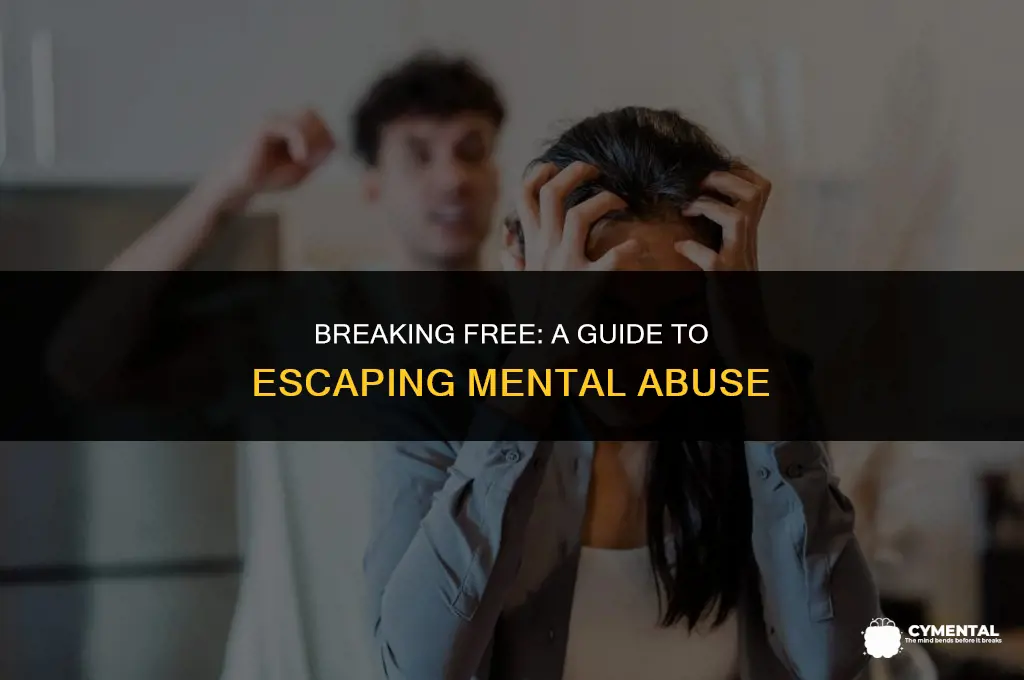
Leaving a mentally abusive relationship can be a challenging and complex process, but it is crucial for reclaiming one's mental health and well-being. Mental abuse can take many forms, including verbal aggression, manipulation, gaslighting, and emotional blackmail, all of which can erode a person's self-esteem and sense of reality. Recognizing the signs of mental abuse is the first step towards seeking help and creating a plan for a safe exit. It's important to reach out to trusted friends, family, or mental health professionals for support and guidance. Establishing a support network can provide the necessary encouragement and resources to navigate the difficulties of leaving an abusive partner. Additionally, documenting incidents of abuse, setting clear boundaries, and having a safety plan in place can empower individuals to take control of their situation and work towards a healthier, abuse-free future.
| Characteristics | Values |
|---|---|
| Recognize the signs | Educate yourself on the signs of mental abuse, such as constant criticism, manipulation, and isolation. |
| Seek support | Reach out to friends, family, or a therapist for emotional support and guidance. |
| Create a safety plan | Develop a plan for leaving the relationship safely, including finding a new place to live and securing financial resources. |
| Set boundaries | Establish clear boundaries with your partner and communicate them assertively. |
| Practice self-care | Take care of your physical and emotional well-being by engaging in activities that bring you joy and relaxation. |
| Document evidence | Keep a record of any abusive incidents, including dates, times, and details of what happened. |
| Consider legal options | Consult with a lawyer to understand your legal rights and options for obtaining a restraining order or other protective measures. |
| Focus on healing | Prioritize your emotional healing and recovery by seeking professional help and engaging in self-reflection and growth. |
Explore related products


$9.55 $17.99


What You'll Learn

Recognize the signs of mental abuse
Recognizing the signs of mental abuse is crucial in identifying and escaping a toxic relationship. One of the most common indicators is a pattern of manipulation and control. This can manifest in various ways, such as your partner constantly questioning your decisions, isolating you from friends and family, or using guilt and shame to influence your behavior. Pay attention to how your partner makes you feel; if you often feel belittled, confused, or anxious, it may be a sign of mental abuse.
Another key sign is the presence of emotional blackmail. This can include threats to harm themselves or others, controlling access to resources like money or transportation, or using your children against you. Emotional blackmail is a powerful tool used by abusers to maintain control and can be particularly challenging to recognize and resist.
Gaslighting is another tactic commonly employed by mental abusers. This involves manipulating your perception of reality, making you question your own sanity or memory. Gaslighting can be subtle, such as denying something you know to be true or telling you that you're overreacting to a situation. Over time, this can lead to a loss of confidence in your own judgment and an increased reliance on your abuser.
It's also important to recognize the impact of mental abuse on your physical health. Chronic stress and anxiety can lead to a range of physical symptoms, including headaches, digestive issues, and sleep disturbances. If you're experiencing unexplained physical symptoms, it may be worth considering whether they're related to the stress of your relationship.
Finally, trust your instincts. If something feels off or you sense that your partner is not treating you with respect and kindness, it's likely that you're right. Mental abuse can be insidious, and it's often difficult to pinpoint exactly what's wrong. However, by paying attention to these signs and trusting your own perceptions, you can take the first step towards escaping a mentally abusive relationship and reclaiming your life.
Exploring Mental Health Support: Can You Get a Doctor's Note?
You may want to see also
Explore related products

$16.99


Rebuild self-esteem and confidence
After escaping a mentally abusive relationship, rebuilding self-esteem and confidence is crucial for healing and moving forward. One effective strategy is to focus on self-care and self-compassion. This involves treating yourself with kindness, understanding, and patience, just as you would a close friend. Practice daily affirmations, reminding yourself of your worth and strengths. Engage in activities that bring you joy and help you relax, such as exercise, meditation, or hobbies.
Another important aspect is to surround yourself with a supportive network. Reach out to friends and family who can offer emotional support and encouragement. Consider joining support groups or seeking professional help from a therapist who specializes in trauma and abuse. These resources can provide valuable guidance and help you process your experiences in a safe and non-judgmental environment.
It's also essential to set healthy boundaries and learn to say no. In abusive relationships, victims often feel pressured to comply with their partner's demands, leading to a loss of autonomy and self-worth. By establishing clear boundaries and asserting your needs, you can regain a sense of control and empowerment. This may involve limiting contact with the abusive partner, blocking their phone number or social media accounts, and seeking legal protection if necessary.
Furthermore, rebuilding self-esteem requires challenging negative self-beliefs and replacing them with positive, realistic ones. This can be done through cognitive-behavioral therapy (CBT), a type of psychotherapy that helps individuals identify and change harmful thought patterns. CBT can be particularly effective in addressing the emotional impact of abuse and helping survivors develop a more positive self-image.
Lastly, it's important to be patient and gentle with yourself throughout the healing process. Rebuilding self-esteem and confidence takes time, and there may be setbacks along the way. Celebrate small victories and acknowledge your progress, no matter how gradual. Remember that you are not alone, and there is support available to help you reclaim your life and sense of self-worth.
Hope Amidst Hardship: Will Things Ever Get Better?
You may want to see also
Explore related products


Create a safety plan for leaving
Leaving a mentally abusive relationship requires careful planning to ensure your safety and well-being. Start by identifying a safe place to go, such as a friend's house, family member's home, or a domestic violence shelter. Make sure this location is unknown to your abuser and that you have a reliable means of transportation to get there. If possible, have a backup plan in case your first option falls through.
Next, gather essential items and documents that you'll need when you leave. This may include clothing, toiletries, medications, important papers like identification and financial records, and any items of sentimental value. Keep these items in a secure location, such as a locked box or a hidden bag, so that your abuser cannot access them.
It's also crucial to have a financial plan in place. If you're financially dependent on your abuser, try to open a separate bank account and start saving money. Consider applying for a credit card or loan in your own name to establish financial independence. If you're already working, make sure your paycheck is deposited into an account that your abuser cannot access.
When it comes to communication, be cautious about using shared devices or accounts. Create separate email accounts and social media profiles that your abuser doesn't know about. Use a secure messaging app to communicate with trusted friends and family members. If you need to contact your abuser, do so through a safe and monitored channel, such as a domestic violence hotline.
Finally, take care of your emotional well-being. Leaving an abusive relationship can be traumatic, so it's essential to have a support system in place. Reach out to friends, family, or a therapist for emotional support. Consider joining a support group for survivors of domestic violence. Remember that you're not alone, and there are resources available to help you through this difficult time.
Navigating the Process: Securing Disability Benefits for Mental Health Conditions
You may want to see also
Explore related products


Seek support from friends and family
Reaching out to friends and family can be a pivotal step in escaping a mentally abusive relationship. It's crucial to identify trusted individuals who can offer emotional support, practical assistance, and a safe space to discuss your experiences. When seeking help, be specific about what you need, whether it's a listening ear, help with logistics, or accompaniment to appointments.
One effective strategy is to create a support network by connecting with multiple people you trust. This can include close friends, family members, or even a therapist. Having a variety of support options can ensure that you have someone to turn to at any time, especially during moments of crisis. It's also important to be open and honest about the abuse you're experiencing, as this can help your support network understand the severity of the situation and provide the necessary assistance.
In addition to emotional support, friends and family can also help with practical aspects of leaving an abusive relationship. This might include helping you find a new place to live, assisting with financial planning, or providing transportation to important appointments. By involving your support network in these practical steps, you can begin to rebuild your independence and create a foundation for a healthier future.
Remember that seeking support from friends and family is not a sign of weakness, but rather a testament to your strength and resilience. It takes courage to reach out and ask for help, and doing so can be the first step towards reclaiming your life and breaking free from the cycle of abuse.
Navigating Mental Health Medical Leave: A Comprehensive Guide
You may want to see also
Explore related products


Consider therapy or counseling
Seeking professional help is a crucial step in breaking free from a mentally abusive relationship. Therapy or counseling provides a safe and supportive environment where you can process your experiences, identify patterns of abuse, and develop strategies for healing and moving forward. A trained therapist can help you recognize the signs of mental abuse, validate your feelings, and empower you to set boundaries and assert your needs.
When considering therapy or counseling, it's essential to find a provider who specializes in trauma and abuse. Look for someone who has experience working with survivors of mental abuse and who can offer evidence-based treatments such as cognitive-behavioral therapy (CBT) or eye movement desensitization and reprocessing (EMDR). These therapies have been shown to be effective in helping individuals overcome the effects of trauma and abuse.
It's also important to consider the type of therapy that best suits your needs. Individual therapy can provide one-on-one support and personalized guidance, while group therapy can offer a sense of community and connection with others who have experienced similar situations. Online therapy is another option, which can be particularly helpful if you have limited access to in-person services or if you prefer the convenience of remote sessions.
Remember that therapy is a process, and it may take time to see results. Be patient with yourself and commit to attending sessions regularly. It's also important to communicate openly with your therapist about your goals, concerns, and any challenges you're facing. This will help ensure that you're getting the most out of your therapy experience.
In addition to therapy, there are other forms of support that can be helpful in your journey towards healing. Consider reaching out to friends and family members who can offer emotional support and practical assistance. Joining a support group for survivors of mental abuse can also provide a sense of community and validation. Remember, you don't have to go through this alone – there are people and resources available to help you every step of the way.
Understanding the Process of Involuntary Psychiatric Hospitalization
You may want to see also
Frequently asked questions
Signs of mental abuse include constant criticism, belittling, gaslighting, manipulation, isolation from friends and family, and controlling behavior. It's important to recognize these patterns to address and exit the relationship safely.
Preparation is key. This includes documenting evidence of abuse, creating a safety plan, securing a support network, and having a secure place to go. Financial independence and having necessary documents like identification and important records are also crucial.
After leaving, it's important to maintain a safe distance from the abuser, utilize support services like shelters or counseling, and consider legal options such as restraining orders. Changing routines and informing trusted friends and family of your whereabouts can also enhance safety.
Healing involves seeking professional help, such as therapy or support groups, to process the trauma. Self-care practices, rebuilding self-esteem, and reconnecting with supportive friends and family are also vital steps in the recovery process.