Madison Cole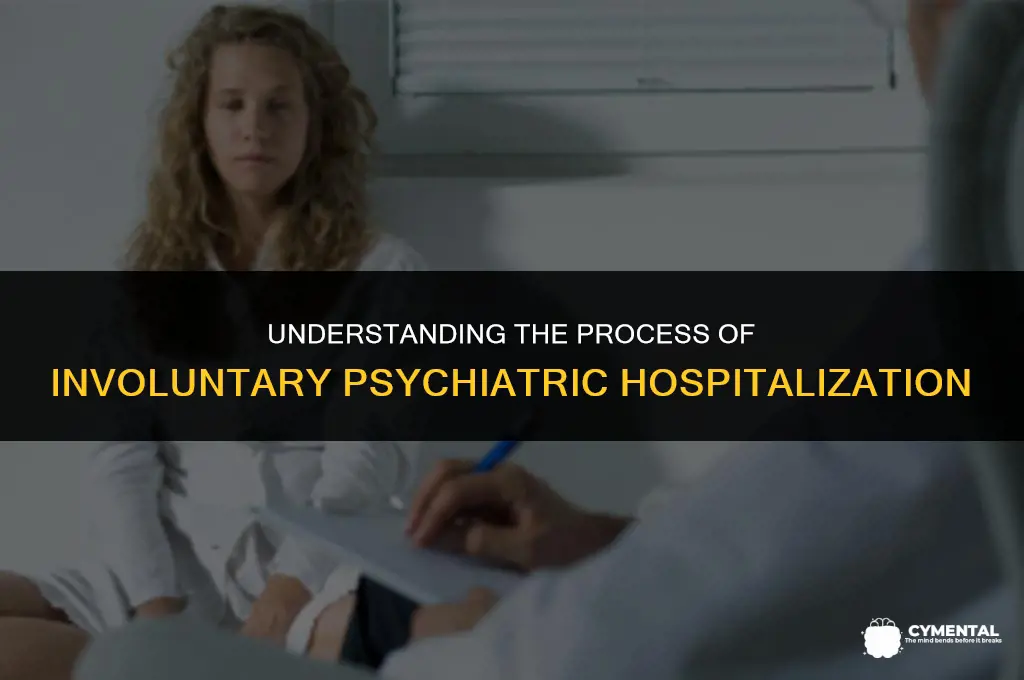
Mental hospitals, also known as psychiatric hospitals, are specialized healthcare facilities designed to provide intensive mental health care and treatment. Admission to a mental hospital typically occurs when an individual is experiencing a severe mental health crisis that cannot be effectively managed in a less restrictive setting. This may include situations where the person is at risk of harming themselves or others, is unable to care for their basic needs, or is experiencing significant distress or impairment in their daily functioning. The process of being admitted to a mental hospital can vary depending on the country and specific facility, but it often involves a thorough assessment by mental health professionals to determine the appropriate level of care needed. In some cases, admission may be voluntary, while in others it may be involuntary, following a court order or a determination that the individual is unable to make informed decisions about their own care.
| Characteristics | Values |
|---|---|
| Voluntary Admission | Individual seeks help and admits themselves |
| Involuntary Admission | Admitted by court order or against their will |
| Emergency Admission | Admitted due to a mental health crisis or danger to self/others |
| Short-term Stay | Temporary admission for stabilization and treatment |
| Long-term Stay | Extended admission for ongoing treatment and care |
| Psychiatric Evaluation | Assessment by a mental health professional to determine diagnosis and treatment |
| Treatment Plan | Personalized plan including therapy, medication, and other interventions |
| Legal Rights | Rights vary by jurisdiction, may include the right to refuse treatment |
| Discharge Planning | Process to prepare for release, including aftercare and support services |
| Stigma | Negative perceptions and stereotypes associated with mental illness and hospitalization |
Explore related products


$28.9 $53.95


What You'll Learn
- Criteria for Admission: Understand the specific conditions and behaviors that may lead to hospitalization
- Involuntary Commitment: Learn about the legal processes and requirements for admitting someone against their will
- Voluntary Admission: Explore the steps and considerations for individuals seeking treatment on their own
- Emergency Situations: Recognize the signs and actions to take in crisis scenarios that necessitate immediate care
- Support and Resources: Identify the available help and support systems for those struggling with mental health issues

Criteria for Admission: Understand the specific conditions and behaviors that may lead to hospitalization
In the realm of mental health care, understanding the criteria for admission to a psychiatric hospital is crucial. This knowledge can help individuals, families, and healthcare professionals navigate the complex process of seeking appropriate care. The specific conditions and behaviors that may lead to hospitalization vary, but they generally include severe mental health symptoms that pose a significant risk to the individual or others.
One of the primary criteria for admission is the presence of a severe mental illness, such as schizophrenia, bipolar disorder, or major depressive disorder. These conditions must be accompanied by symptoms that are intense enough to impair the individual's ability to function in daily life. For example, a person experiencing a psychotic episode may be unable to care for themselves or may exhibit behaviors that are dangerous to themselves or others.
Another criterion for admission is the presence of suicidal ideation or attempts. If an individual expresses a clear intent to harm themselves or has made a recent suicide attempt, hospitalization may be necessary to ensure their safety. This is particularly true if the individual lacks a support system or has a history of suicide attempts.
In addition to these criteria, hospitalization may also be considered for individuals who are experiencing a significant decline in their mental health status. This could include a sudden worsening of symptoms, a failure to respond to outpatient treatment, or the development of new and concerning symptoms. For example, a person with a history of depression may be hospitalized if they begin to experience hallucinations or delusions.
It is important to note that the criteria for admission to a psychiatric hospital can vary depending on the specific facility and the individual's circumstances. Some hospitals may have additional criteria, such as the presence of a co-occurring substance use disorder or a history of trauma. Others may have different approaches to assessing the need for hospitalization, such as involving a multidisciplinary team in the decision-making process.
Ultimately, the decision to hospitalize an individual is made on a case-by-case basis, taking into account the unique needs and circumstances of the person in question. By understanding the general criteria for admission, however, individuals and healthcare professionals can better navigate the process of seeking appropriate care and support.
Navigating Mental Health in the Workplace: Understanding Your Rights
You may want to see also
Explore related products


Involuntary Commitment: Learn about the legal processes and requirements for admitting someone against their will
Involuntary commitment, also known as civil commitment, is a legal process where an individual is admitted to a mental health facility against their will. This process is typically initiated when a person is deemed a danger to themselves or others due to a mental health condition. The specific procedures and requirements for involuntary commitment vary by jurisdiction, but generally involve a series of steps that must be followed to ensure the individual's rights are protected while also addressing their mental health needs.
The first step in the involuntary commitment process usually involves an assessment by a mental health professional. This assessment is conducted to determine if the individual meets the criteria for involuntary commitment, which often includes being a danger to oneself or others, being unable to care for oneself, or having a severe mental illness that impairs judgment and decision-making. If the mental health professional believes that the individual meets these criteria, they may then petition a court for an involuntary commitment order.
Once a petition for involuntary commitment is filed, a hearing is typically scheduled to determine if the court will grant the order. During this hearing, the individual has the right to legal representation and may present evidence to challenge the petition. The court will consider the evidence presented by both parties and make a decision based on the legal standards for involuntary commitment in that jurisdiction. If the court grants the order, the individual will be admitted to a mental health facility for treatment.
While in the mental health facility, the individual will receive treatment for their mental health condition. The duration of this treatment will depend on the individual's specific needs and the legal requirements of the jurisdiction. In some cases, the individual may be required to undergo periodic reviews to determine if they still meet the criteria for involuntary commitment. If it is determined that the individual no longer poses a danger to themselves or others, they may be discharged from the facility.
It is important to note that involuntary commitment is a serious legal process that should only be used when necessary to protect the individual or others from harm. The process is designed to balance the individual's rights with the need to provide appropriate mental health treatment. If you or someone you know is facing the possibility of involuntary commitment, it is crucial to seek legal advice and understand the specific laws and procedures that apply in your jurisdiction.
Exploring the Minds of Our Furry Friends: Do Animals Experience Mental Illness?
You may want to see also
Explore related products


Voluntary Admission: Explore the steps and considerations for individuals seeking treatment on their own
Individuals seeking voluntary admission to a mental health facility often do so as a proactive step towards managing their mental health. This process typically begins with a self-assessment, where the individual recognizes the need for professional help. They may then research various treatment options and facilities to find one that best suits their needs. It's crucial to consider factors such as the facility's reputation, the types of treatments offered, and the qualifications of the staff.
Once a suitable facility is identified, the individual should contact the admissions office to inquire about the voluntary admission process. This usually involves an initial screening over the phone or in person to determine if the facility can meet the individual's needs. If accepted, the individual will be guided through the necessary paperwork and consent forms, which outline the terms of their stay and treatment plan.
During the admission process, it's important for the individual to be honest about their symptoms and mental health history. This information helps the treatment team develop a personalized care plan. The individual should also be prepared to discuss their goals for treatment and any concerns they may have about the process.
Upon admission, the individual will undergo a comprehensive assessment, which may include physical and psychological evaluations. This assessment helps the treatment team gain a deeper understanding of the individual's condition and develop a more effective treatment plan. The individual will then be introduced to the facility's rules and regulations, as well as their rights as a patient.
Throughout their stay, the individual will participate in various therapeutic activities and sessions, which may include individual therapy, group therapy, medication management, and other evidence-based treatments. The goal of these interventions is to help the individual manage their symptoms, improve their functioning, and develop coping strategies for long-term recovery.
In conclusion, voluntary admission to a mental health facility is a significant step towards addressing mental health concerns. By understanding the process and what to expect, individuals can make informed decisions about their care and take an active role in their recovery journey.
Navigating the Complex Process: Securing Disability Benefits for Mental Illness
You may want to see also
Explore related products


Emergency Situations: Recognize the signs and actions to take in crisis scenarios that necessitate immediate care
In emergency situations, recognizing the signs of a mental health crisis is crucial for providing immediate care. A person experiencing a mental health emergency may exhibit sudden changes in behavior, such as becoming withdrawn, agitated, or disoriented. They may also express suicidal thoughts or engage in self-harming behaviors. It is essential to approach such situations with empathy and understanding, while also taking decisive action to ensure the individual's safety.
When encountering someone in a mental health crisis, the first step is to assess the situation and determine if there is an immediate risk of harm. If the person is expressing suicidal thoughts or has a plan to harm themselves, it is vital to contact emergency services or a local mental health crisis hotline. While waiting for professional help to arrive, it is important to stay with the individual and provide emotional support, while also ensuring that they do not have access to any means of self-harm.
In some cases, a mental health crisis may require physical intervention, such as restraining the individual to prevent them from harming themselves or others. However, this should only be done as a last resort and with the utmost care, as it can be a traumatic experience for the person involved. It is also important to be aware of any legal or ethical considerations when intervening in a mental health crisis, such as the individual's rights to autonomy and informed consent.
After the immediate crisis has passed, it is essential to connect the individual with ongoing mental health care and support. This may involve arranging for a psychiatric evaluation, providing information about local mental health resources, or offering to accompany the person to a support group or therapy session. By taking these steps, it is possible to help individuals in crisis receive the care and support they need to recover and maintain their mental health.
Unleashing Mental Clarity: A Guide to a Focused Mind
You may want to see also
Explore related products


Support and Resources: Identify the available help and support systems for those struggling with mental health issues
Individuals struggling with mental health issues have access to a variety of support systems and resources. These can include community mental health centers, which offer counseling, therapy, and psychiatric services. Many areas also have crisis hotlines that provide immediate support and can connect individuals with local resources. Online platforms and mobile apps have expanded access to mental health support, offering everything from virtual therapy sessions to meditation and mindfulness tools.
For those in need of more intensive care, residential treatment centers and psychiatric hospitals are available. These facilities provide a controlled environment where individuals can receive comprehensive treatment, including medication management, therapy, and support groups. Inpatient care is typically reserved for those experiencing severe symptoms or who are at risk of harming themselves or others.
Navigating the mental health system can be complex, and it's important for individuals to know their rights and the options available to them. Patient advocacy groups and legal aid organizations can provide guidance and support to help individuals understand their treatment options and assert their rights. Additionally, many communities have peer support groups, where individuals can connect with others who have experienced similar challenges and share their experiences and coping strategies.
It's crucial for individuals to seek help when they need it and to be aware of the resources available to them. By reaching out for support and utilizing the available resources, individuals can take important steps towards managing their mental health and improving their overall well-being.
Understanding the Complex Reasons Behind Not Wanting to Get Better
You may want to see also
Frequently asked questions
Common reasons for admission to a mental hospital include severe mental health crises such as suicidal thoughts or attempts, homicidal ideation, severe depression, mania, psychosis, or any condition that significantly impairs daily functioning and poses a risk to the individual or others.
Yes, in many jurisdictions, someone can be admitted to a mental hospital against their will if they are deemed a danger to themselves or others, or if they are unable to care for themselves due to a mental health condition. This process is often governed by specific laws and requires a thorough evaluation by mental health professionals.
The process of being admitted to a mental hospital typically involves a thorough evaluation by mental health professionals, including psychiatrists, psychologists, and social workers. This evaluation may include interviews, questionnaires, and sometimes input from family members or other caregivers. If admission is deemed necessary, the individual will be transported to the hospital, where they will undergo further assessment and treatment planning.
Treatment in a mental hospital can vary depending on the individual's specific needs and the hospital's resources. Common treatments include medication management, individual and group therapy, cognitive-behavioral therapy, and other evidence-based interventions. Patients may also participate in activities such as art therapy, music therapy, and recreational activities designed to promote healing and recovery.