Harper Lewis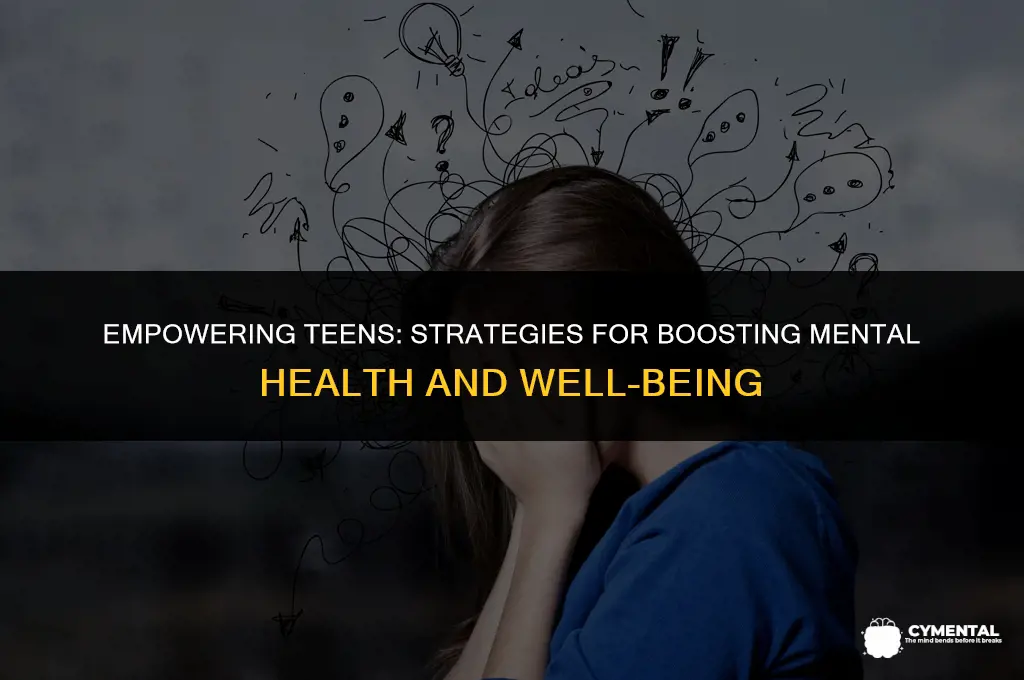
Improving teenage mental health is a critical issue that requires a multifaceted approach. Adolescence is a period of significant change and development, and it's essential to provide young people with the support and resources they need to navigate these challenges successfully. This paragraph will explore some strategies for promoting positive mental health among teenagers, including the importance of open communication, access to mental health services, and the role of social media in both exacerbating and mitigating mental health issues. By understanding the unique challenges faced by today's youth, we can work together to create a more supportive and nurturing environment that fosters resilience and well-being.
Explore related products




What You'll Learn

Encourage open communication about feelings and concerns
One effective strategy to improve teenage mental health is to foster an environment where open communication about feelings and concerns is encouraged. This can be achieved by creating safe spaces for teenagers to express themselves without fear of judgment or repercussions. For instance, parents and guardians can establish regular check-ins where teenagers feel comfortable sharing their thoughts and emotions. These conversations can be initiated during everyday activities, such as meals or car rides, to make them feel more natural and less intimidating.
In addition to fostering open communication at home, schools can also play a crucial role in promoting mental health among teenagers. Teachers and school counselors can be trained to recognize signs of mental health issues and to approach students with empathy and understanding. Creating peer support groups or clubs focused on mental health awareness can also provide teenagers with a platform to share their experiences and support one another. These initiatives can help reduce the stigma associated with mental health issues and encourage more teenagers to seek help when needed.
Furthermore, it is essential to educate teenagers about the importance of mental health and to teach them coping mechanisms for dealing with stress, anxiety, and other emotional challenges. This can be done through workshops, online resources, or even mobile apps designed to promote mental well-being. By empowering teenagers with the knowledge and tools to manage their mental health, they are more likely to engage in open communication about their feelings and concerns.
Another important aspect of encouraging open communication is to ensure that teenagers feel heard and validated. This means actively listening to their concerns, acknowledging their emotions, and providing constructive feedback without being dismissive or critical. By creating a supportive and non-judgmental environment, teenagers are more likely to feel comfortable sharing their thoughts and feelings, which can lead to improved mental health outcomes.
In conclusion, encouraging open communication about feelings and concerns is a vital component of improving teenage mental health. By creating safe spaces for expression, fostering supportive relationships, and providing education and resources, we can help teenagers feel more comfortable discussing their mental health and seeking help when needed. This approach not only promotes individual well-being but also contributes to a more supportive and understanding community for all.
Exploring Therapy: Understanding Outpatient Mental Health Services
You may want to see also
Explore related products





Promote healthy lifestyle habits, including regular exercise and balanced diet
Regular physical activity is a cornerstone of mental health, particularly during adolescence. Exercise has been shown to reduce symptoms of anxiety and depression, improve mood, and enhance cognitive function. For teenagers, incorporating exercise into daily routines can be challenging, but it's essential for maintaining mental well-being. Encouraging activities such as walking, cycling, or team sports can make exercise more enjoyable and increase the likelihood of it becoming a habit.
A balanced diet is equally crucial for supporting mental health. Nutrient-dense foods provide the brain with the necessary fuel to function optimally. Diets high in fruits, vegetables, whole grains, and lean proteins have been linked to better mental health outcomes. Conversely, diets high in processed foods and sugars can exacerbate mental health issues. Educating teenagers about the importance of nutrition and involving them in meal planning and preparation can foster healthier eating habits.
Sleep is another critical component of a healthy lifestyle that significantly impacts mental health. Adequate sleep is essential for emotional regulation, memory consolidation, and overall brain function. Teenagers often struggle with sleep due to factors like screen time, caffeine consumption, and irregular schedules. Establishing a consistent bedtime routine, limiting screen time before bed, and creating a sleep-conducive environment can help improve sleep quality.
Mindfulness and relaxation techniques are valuable tools for managing stress and promoting mental well-being. Practices such as meditation, deep breathing exercises, and yoga can help teenagers develop greater self-awareness and emotional resilience. These techniques can be easily incorporated into daily routines and have been shown to reduce anxiety and improve focus.
Finally, fostering strong social connections is vital for teenage mental health. Social support from friends and family can provide a sense of belonging and help mitigate feelings of isolation and loneliness. Encouraging teenagers to engage in social activities, join clubs or groups, and maintain relationships with peers can contribute to a more positive mental state.
Exploring Mental Health Coverage: What Cigna Offers
You may want to see also
Explore related products


Foster strong social connections and support networks
Social connections play a pivotal role in teenage mental health, acting as a buffer against stress, anxiety, and depression. Research indicates that adolescents with strong social support networks are more likely to exhibit higher self-esteem, better emotional regulation, and improved overall well-being. To foster these connections, teenagers can be encouraged to participate in group activities, such as sports teams, clubs, or volunteer work, which provide opportunities for building relationships and developing a sense of belonging.
In addition to in-person interactions, online platforms can also serve as valuable tools for enhancing social connections. Social media, when used mindfully, can help teenagers stay connected with friends and family, join interest-based communities, and access support resources. However, it is crucial to educate adolescents about the potential risks associated with excessive screen time and the importance of maintaining a healthy balance between online and offline interactions.
Parents and caregivers can also play a significant role in promoting social connections by creating a supportive and nurturing environment at home. Encouraging open communication, validating emotions, and providing opportunities for shared experiences can help strengthen family bonds and foster a sense of security and acceptance. Furthermore, parents can model healthy social behaviors by maintaining their own strong relationships and demonstrating effective communication skills.
Educators and school administrators can contribute to the development of social connections by implementing programs and initiatives that promote teamwork, collaboration, and empathy. This can include incorporating social-emotional learning into the curriculum, providing training for teachers on how to support students' mental health, and creating safe spaces for students to express themselves and seek help when needed.
Ultimately, fostering strong social connections and support networks requires a multifaceted approach that involves individuals, families, schools, and communities working together. By prioritizing these relationships and providing resources and guidance, we can help teenagers build resilience and improve their mental health outcomes.
Unveiling the Salary Insights for Mental Health Technicians
You may want to see also
Explore related products




Teach stress management and coping strategies
Stress is an inevitable part of life, but it can be particularly challenging for teenagers who are navigating significant life changes and pressures. Teaching stress management and coping strategies is crucial for improving teenage mental health. One effective approach is to incorporate mindfulness practices into their daily routine. Mindfulness involves being present in the moment and observing thoughts and feelings without judgment. This can help teenagers develop a greater awareness of their stress triggers and learn to respond to them in a more balanced way.
Another important strategy is to encourage physical activity as a means of stress relief. Exercise releases endorphins, which are natural mood elevators, and can help reduce feelings of anxiety and depression. Teenagers should be encouraged to find an activity they enjoy, whether it's walking, running, dancing, or playing a sport, and to make time for it regularly.
Time management skills are also essential for coping with stress. Teenagers often feel overwhelmed by their academic, social, and extracurricular commitments. Teaching them how to prioritize tasks, set realistic goals, and break down large projects into smaller, manageable steps can help them feel more in control and less stressed.
In addition to these strategies, it's important to address the role of technology in stress management. While technology can be a source of stress, it can also be a valuable tool for coping. There are numerous apps and online resources available that can help teenagers practice mindfulness, track their mood, and access support. Parents and educators should encourage teenagers to explore these resources and find what works best for them.
Finally, open communication is key. Teenagers need to feel comfortable talking about their stress and seeking help when needed. Parents, educators, and mental health professionals should create safe spaces for teenagers to express their feelings and concerns. By fostering a culture of openness and support, we can help teenagers develop the resilience they need to manage stress and improve their mental health.
Exploring Mental Health Awareness: A Month-Long Journey
You may want to see also
Explore related products



Provide access to professional mental health resources and services
Access to professional mental health resources and services is a critical component in improving teenage mental health. One effective strategy is to integrate mental health services into schools, making them easily accessible to students. This can include hiring school counselors, psychologists, and social workers who can provide individual and group therapy sessions, crisis intervention, and referrals to outside professionals when needed. By embedding these services within the educational environment, teens are more likely to seek help due to the reduced stigma and increased convenience.
Another approach is to leverage technology to expand access to mental health care. Telehealth platforms, for instance, can connect teens with mental health professionals remotely, overcoming barriers such as geographic location and transportation issues. Additionally, mobile apps designed for mental health can offer resources, tracking tools, and even AI-powered chatbots that provide immediate support and guidance. These digital solutions can be particularly appealing to tech-savvy teenagers and can help bridge the gap between in-person appointments.
It is also essential to ensure that mental health services are culturally sensitive and tailored to the specific needs of diverse teenage populations. This includes providing services in multiple languages, incorporating cultural practices and beliefs into treatment plans, and training mental health professionals to recognize and address the unique challenges faced by different ethnic and socioeconomic groups. By doing so, we can make mental health care more inclusive and effective for all teenagers.
Furthermore, collaboration between mental health professionals, educators, parents, and community organizations is crucial in creating a comprehensive support system for teens. This can involve joint training programs, shared resources, and coordinated efforts to identify and address mental health issues early on. By working together, these stakeholders can create a seamless network of care that surrounds and supports teenagers in their journey towards better mental health.
In conclusion, providing access to professional mental health resources and services requires a multifaceted approach that includes school-based services, telehealth options, cultural sensitivity, and community collaboration. By implementing these strategies, we can significantly improve the mental health outcomes for teenagers and equip them with the tools they need to thrive.
Unlocking Wellness: The Power of Journaling for Mental Health
You may want to see also
Frequently asked questions
Effective strategies include promoting open communication, encouraging physical activity, providing a balanced diet, ensuring adequate sleep, and teaching stress management techniques.
Parents can support their teenagers by being attentive listeners, offering emotional support, setting realistic expectations, and helping them develop healthy coping mechanisms.
Social media can contribute to feelings of isolation and low self-esteem in teenagers. To mitigate its impact, parents and educators can encourage responsible social media use, promote offline activities, and teach critical thinking skills to help teenagers navigate online content.
Yes, signs that a teenager might be struggling include changes in mood, withdrawal from social activities, decreased academic performance, changes in appetite or sleep patterns, and expressions of hopelessness or worthlessness.