Madison Cole
In today's fast-paced and often noisy world, the ability to mentally block out distractions is a valuable skill. Whether you're trying to focus on work, study, or simply enjoy a moment of peace, unwanted noise can significantly impact your concentration and mental well-being. This guide will explore effective strategies for mentally blocking out noise, helping you to create a more focused and serene environment amidst the chaos. By understanding the psychological mechanisms behind noise distraction and implementing practical techniques, you can enhance your ability to concentrate and find calm in any situation.
Explore related products




What You'll Learn
- Identify noise sources: Recognize and pinpoint the origins of distracting sounds in your environment
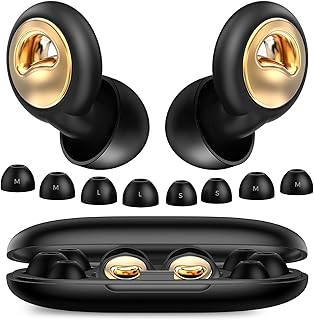
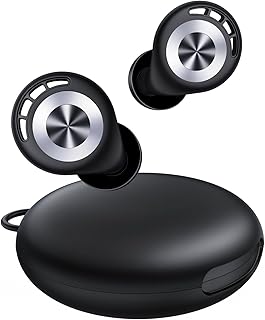
- Use noise-cancelling tools: Employ headphones, earplugs, or white noise machines to reduce ambient noise levels
- Practice mindfulness: Focus on your breath and thoughts to create a mental barrier against external distractions
- Create a quiet space: Designate a noise-free zone for concentration, using soundproofing materials if necessary
- Develop mental resilience: Train your brain to ignore noise through repeated exposure and mental exercises

Identify noise sources: Recognize and pinpoint the origins of distracting sounds in your environment
To effectively block out noise, it's crucial to first identify its sources. This involves a systematic approach to recognizing and pinpointing where distracting sounds originate. Start by conducting a noise audit of your environment. Walk around the area and note down any sounds that catch your attention. This could include anything from the hum of a refrigerator to the chatter of people outside. Once you've identified the noise sources, categorize them into controllable and uncontrollable sounds. Controllable noises are those you can reduce or eliminate, such as turning off a TV or closing a window. Uncontrollable noises, on the other hand, are sounds you can't change, like traffic outside or construction work next door.
Next, consider the impact of each noise source on your concentration and productivity. Some sounds might be more disruptive than others, so prioritize addressing those first. For instance, if the sound of a dripping faucet is driving you crazy, fixing it should be a priority. On the other hand, if the distant sound of cars doesn't bother you much, it might not be worth the effort to try and block it out.
One effective strategy for identifying noise sources is to use a sound level meter app on your smartphone. These apps can help you measure the decibel level of different sounds in your environment, giving you a better understanding of which noises are the most disruptive. Additionally, consider the time of day when certain noises are most prevalent. For example, traffic noise might be worse during rush hour, while household noises might be more noticeable during quiet evening hours.
Finally, don't forget to consider the psychological impact of noise. Some sounds might not be loud but can still be distracting or stressful. For instance, the sound of a neighbor's music might not be very loud, but if it's a genre you dislike, it can still affect your mood and concentration. By being aware of these factors, you can take targeted action to reduce or eliminate the most disruptive noise sources in your environment.
Unlocking the Mind: A Beginner's Guide to Mentalism Techniques
You may want to see also
Explore related products


Use noise-cancelling tools: Employ headphones, earplugs, or white noise machines to reduce ambient noise levels
In environments where noise pollution is unavoidable, noise-cancelling tools can be a game-changer for maintaining mental focus and reducing stress. Headphones, earplugs, and white noise machines are among the most effective tools for creating a quieter space, even in the midst of chaos. For instance, if you're working in a bustling coffee shop, using noise-cancelling headphones can help you tune out the chatter and clinking of cups, allowing you to concentrate on your tasks.
When selecting noise-cancelling tools, consider the specific type of noise you're trying to block out. For example, if you're dealing with consistent, low-frequency noise like the hum of an air conditioner, white noise machines can be particularly effective. These devices emit a soothing sound that can mask background noise, making it easier to relax or sleep. On the other hand, if you're in an environment with sudden, loud noises, such as construction sites or busy streets, earplugs might be a better choice. They can provide a physical barrier against noise, reducing the overall decibel level reaching your ears.
It's also important to consider the comfort and practicality of the noise-cancelling tools you choose. For extended periods of use, opt for headphones with cushioned ear cups and adjustable headbands to avoid discomfort. If you're using earplugs, make sure they fit snugly in your ears without causing pain or irritation. White noise machines should be placed at a comfortable distance from your bed or workspace to avoid being too loud or disruptive.
While noise-cancelling tools can be highly effective, they're not a perfect solution. It's essential to be aware of your surroundings and take regular breaks to avoid becoming too reliant on these tools. Additionally, be mindful of the potential risks associated with using noise-cancelling devices, such as reduced awareness of important sounds like alarms or emergency vehicles. By using these tools responsibly and in conjunction with other noise management strategies, you can create a more peaceful and focused environment, even in the noisiest of settings.
Understanding Mental Models: A Deep Dive into Higher-Level Comprehension
You may want to see also
Explore related products




Practice mindfulness: Focus on your breath and thoughts to create a mental barrier against external distractions
Begin by finding a quiet space where you can sit comfortably without being disturbed. Close your eyes and take a deep breath, feeling the air fill your lungs and then slowly release it. Repeat this process several times, focusing solely on your breath. As you breathe, try to clear your mind of any thoughts or worries. If a thought enters your mind, acknowledge it and then gently push it away, returning your focus to your breath.
As you practice mindfulness, you may find that your ability to block out external distractions improves. This is because mindfulness helps to train your brain to focus on the present moment, rather than being distracted by thoughts or noises around you. When you are mindful, you are better able to create a mental barrier against external distractions, allowing you to concentrate on the task at hand.
One way to enhance your mindfulness practice is to use a guided meditation app or video. These resources can provide you with step-by-step instructions and help you to stay focused on your breath. You can also try incorporating mindfulness into your daily activities, such as eating or walking. By being present in the moment and focusing on your senses, you can improve your ability to block out distractions and stay focused on your goals.
Remember that mindfulness is a skill that takes time and practice to develop. Be patient with yourself and try to practice regularly. As you become more proficient in mindfulness, you may find that you are better able to handle noisy environments and stay focused on your tasks. Mindfulness can be a powerful tool for improving your mental well-being and increasing your productivity.
Understanding the Duration of a Mental Health Evaluation
You may want to see also
Explore related products




Create a quiet space: Designate a noise-free zone for concentration, using soundproofing materials if necessary
Creating a quiet space is essential for concentration and mental clarity. Designating a noise-free zone in your home or workspace can significantly improve your ability to focus and block out distractions. Start by identifying an area that is naturally quiet or has minimal foot traffic. This could be a spare room, a corner of your office, or even a small nook in your living room. Once you've selected your space, consider using soundproofing materials to further reduce external noise. This can include acoustic panels, weatherstripping around doors and windows, and even soundproof curtains.
In addition to soundproofing, it's important to minimize internal noise sources. Remove any electronic devices that emit sound, such as televisions, radios, or speakers. If you must have a device in the room, consider using noise-cancelling headphones or placing the device on a timer to limit its use. You can also use white noise machines or apps to create a consistent, soothing background sound that helps mask other distractions.
Another key aspect of creating a quiet space is establishing boundaries. If you're sharing your space with others, communicate your need for quiet and set clear expectations for noise levels. This may involve creating a schedule for when the space can be used for quiet activities and when it's available for more social or noisy pursuits. Additionally, consider using visual cues, such as a "Do Not Disturb" sign or a closed door, to signal when you're in need of uninterrupted time.
Finally, make your quiet space comfortable and conducive to concentration. This can include adding comfortable seating, good lighting, and any other elements that help you feel relaxed and focused. By creating a dedicated quiet space, you can improve your ability to mentally block out noise and increase your productivity and overall well-being.
Mastering the Art of Herd Mentality: A Guide to Group Dynamics
You may want to see also
Explore related products


Develop mental resilience: Train your brain to ignore noise through repeated exposure and mental exercises
Repeated exposure to noise can lead to a phenomenon known as habituation, where the brain learns to ignore or filter out the noise. This process can be harnessed and accelerated through deliberate mental exercises. One effective method is to gradually increase the level of noise you're exposed to, allowing your brain to adapt and become more resilient. For example, if you're trying to block out the sound of traffic, you could start by playing traffic noise at a low volume in the background while you work or relax. Over time, you can increase the volume, training your brain to focus on your tasks despite the growing background noise.
Mental exercises can also help to strengthen your brain's ability to ignore noise. One such exercise is mindfulness meditation, which involves focusing your attention on your breath or a specific object while acknowledging and letting go of distractions. This practice can help you develop greater awareness of your thoughts and surroundings, making it easier to tune out unwanted noise. Another exercise is to engage in activities that require intense focus, such as puzzles, reading, or playing a musical instrument. These activities can help to build your brain's capacity for concentration and reduce the impact of noise on your performance.
It's important to note that while these methods can be effective, they may not work for everyone. Factors such as the type and level of noise, individual differences in brain function, and the presence of underlying conditions like anxiety or ADHD can all impact the effectiveness of these strategies. Additionally, it's crucial to ensure that you're not using these methods to avoid addressing underlying issues, such as a noisy living situation or a medical condition that requires treatment.
In conclusion, developing mental resilience through repeated exposure and mental exercises can be a valuable tool for blocking out noise. By gradually increasing your exposure to noise and engaging in activities that strengthen your focus and concentration, you can train your brain to become more adaptable and less affected by unwanted sounds. However, it's essential to approach these methods with realistic expectations and to seek professional help if your noise-related issues persist or worsen.
Building Resilience: A Guide to Becoming Psychologically Strong
You may want to see also
Frequently asked questions
Effective techniques include practicing mindfulness meditation, using noise-cancelling headphones, and focusing on a specific task or activity to divert attention from the noise.
Yes, apps like Noisli, Calm, and Insight Timer offer various soundscapes and meditation guides that can help you block out noise and improve focus.
Mindfulness meditation trains your brain to focus on the present moment, making it easier to ignore distractions and external noises. Regular practice can enhance your ability to concentrate and reduce the impact of noise on your mental state.