Ava Ramirez
Mental stimulation is crucial for a dog's overall well-being, as it helps prevent boredom, reduces destructive behaviors, and strengthens the bond between you and your furry friend. Challenging your dog mentally can be achieved through various engaging activities that encourage problem-solving, learning, and exploration. In this guide, we'll delve into several effective methods to mentally stimulate your dog, including interactive toys, scent games, obedience training, and even DIY activities you can create at home. By incorporating these mental challenges into your dog's daily routine, you'll not only keep them entertained but also contribute to their cognitive health and happiness.
| Characteristics | Values |
|---|---|
| Age Appropriateness | Suitable for all ages |
| Difficulty Level | Beginner to advanced |
| Time Commitment | 10-30 minutes per session |
| Cost | Free to low-cost |
| Equipment Needed | Minimal (e.g., treats, toys) |
| Training Required | Basic obedience training |
| Mental Stimulation | High |
| Physical Exercise | Moderate |
| Bonding Opportunity | Strengthens bond |
| Types of Challenges | Puzzle toys, scent work, obedience exercises, interactive games |
Explore related products



What You'll Learn
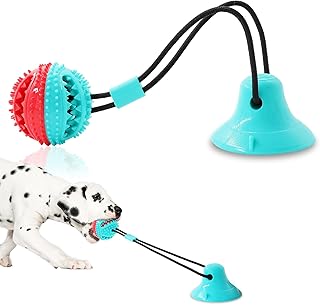
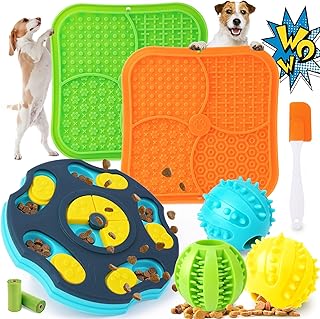
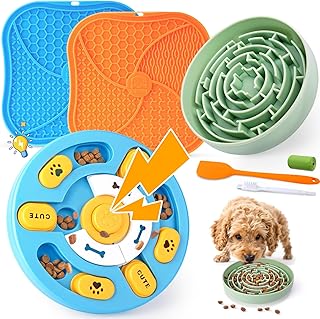
- Puzzle toys: Fill toys with treats, encouraging dogs to use problem-solving skills to access rewards
- Hide-and-seek: Conceal treats or toys around the house, prompting dogs to search using their sense of smell
- Trick training: Teach new tricks or commands, enhancing cognitive abilities and strengthening the bond between dog and owner
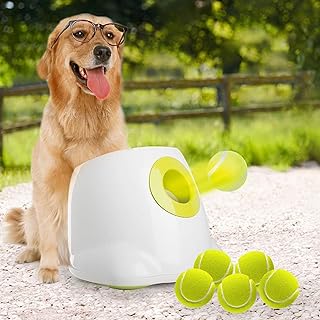
- Interactive games: Engage in games like fetch or tug-of-war, stimulating both physical and mental activity
- Sensory enrichment: Expose dogs to various textures, sounds, and smells to keep their senses sharp and engaged

Puzzle toys: Fill toys with treats, encouraging dogs to use problem-solving skills to access rewards
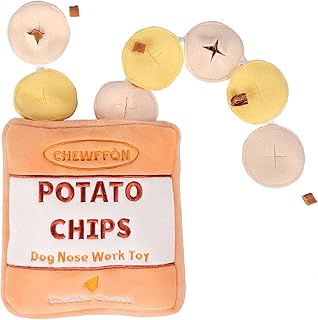
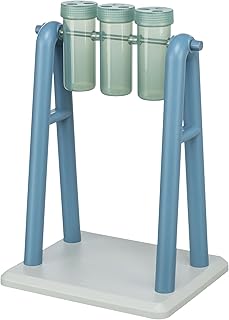
Puzzle toys are an excellent way to provide mental stimulation for dogs. These toys are designed to be filled with treats, which encourages dogs to use their problem-solving skills to access the rewards inside. This type of toy can help to keep dogs engaged and entertained, while also promoting cognitive function and reducing boredom.
When choosing puzzle toys for your dog, it's important to consider their size, age, and skill level. Some toys may be too difficult for younger or less experienced dogs, while others may be too easy for older or more advanced dogs. Look for toys that are adjustable in difficulty, so you can increase the challenge as your dog becomes more skilled.
To get started with puzzle toys, begin by filling the toy with a small amount of treats and placing it in front of your dog. Encourage them to investigate the toy and figure out how to access the treats. Be patient and allow your dog to work on the puzzle at their own pace. As they become more comfortable with the toy, you can increase the difficulty by adding more treats or using a more challenging toy.
One of the benefits of puzzle toys is that they can help to reduce destructive behaviors in dogs. By providing mental stimulation and a positive outlet for their energy, dogs are less likely to engage in destructive activities such as chewing on furniture or digging in the yard. Puzzle toys can also help to improve a dog's focus and attention span, making them more responsive to training and commands.
In conclusion, puzzle toys are a valuable tool for mentally challenging your dog and promoting their overall well-being. By providing a fun and engaging way for dogs to exercise their problem-solving skills, puzzle toys can help to keep your furry friend happy, healthy, and stimulated.
Breaking Down Silo Mentality: Strategies for Collaborative Success
You may want to see also
Explore related products



Hide-and-seek: Conceal treats or toys around the house, prompting dogs to search using their sense of smell
Hide-and-seek is a classic game that can be adapted to provide mental stimulation for dogs. By concealing treats or toys around the house, you encourage your dog to use their powerful sense of smell to locate them. This activity not only challenges their olfactory senses but also keeps them engaged and entertained.
To set up a hide-and-seek game for your dog, start by choosing a few of their favorite treats or toys. Break the treats into smaller pieces if necessary, to make them easier to hide. Then, strategically place them around the house in various locations, such as under furniture, behind curtains, or inside empty boxes. Be sure to hide them well enough that your dog will need to use their sense of smell to find them, but not so well that they become frustrated or discouraged.
Once you've hidden the treats or toys, encourage your dog to start searching. You can use verbal cues, such as "find it" or "search," to prompt them to begin. As they search, provide positive reinforcement and encouragement, such as praise or gentle petting, to keep them motivated.
Hide-and-seek can be a fun and rewarding activity for dogs of all ages and breeds. It's a great way to provide mental stimulation and exercise, especially on days when outdoor activities are limited. Plus, it can help strengthen the bond between you and your dog as you work together to solve the puzzle.
Remember to always supervise your dog during hide-and-seek to ensure their safety. Be mindful of any potential hazards, such as small objects that could be swallowed or areas of the house that may be off-limits. With a little planning and creativity, hide-and-seek can become a favorite activity for both you and your furry friend.
Unlocking Mental Commitment: A Guide to Its Four Essential Components
You may want to see also
Explore related products




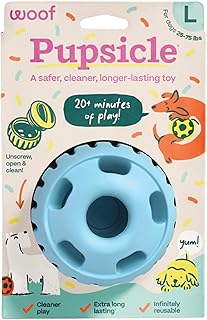
Trick training: Teach new tricks or commands, enhancing cognitive abilities and strengthening the bond between dog and owner
Teaching your dog new tricks or commands is an excellent way to provide mental stimulation and strengthen your bond. Start with simple commands like "sit" or "stay," and gradually progress to more complex tricks such as "roll over" or "play dead." Use positive reinforcement techniques, rewarding your dog with treats or praise when they successfully perform the trick. Be patient and consistent, as it may take time for your dog to learn new behaviors.
To enhance cognitive abilities, incorporate problem-solving elements into your trick training. For example, hide treats around the house and encourage your dog to use their sense of smell to find them. You can also use puzzle toys that require your dog to figure out how to get the treat inside. These activities not only challenge your dog's mind but also provide physical exercise.
Another way to strengthen the bond between you and your dog is to engage in interactive play. Games like fetch or tug-of-war not only provide physical exercise but also require your dog to focus on you and respond to your cues. This helps to build trust and communication between you and your furry friend.
Remember to always use positive reinforcement techniques and avoid punishment-based training methods. These can lead to fear and anxiety in your dog, which can negatively impact their mental well-being. Instead, focus on building a strong, trusting relationship with your dog through consistent training and positive interactions.
In conclusion, trick training is a fun and effective way to mentally challenge your dog and strengthen your bond. By starting with simple commands and gradually progressing to more complex tricks, you can provide your dog with the mental stimulation they need to stay happy and healthy. Incorporating problem-solving elements and interactive play can further enhance cognitive abilities and build trust between you and your dog.
Mastering Mental Multiplication: Strategies for Quick Calculations
You may want to see also
Explore related products


Interactive games: Engage in games like fetch or tug-of-war, stimulating both physical and mental activity
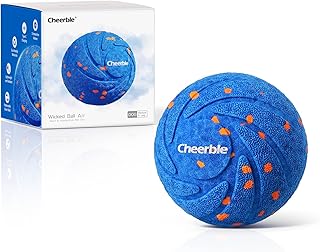
Engaging your dog in interactive games such as fetch or tug-of-war is an excellent way to stimulate both their physical and mental activity. These games not only provide a fun and engaging way for your dog to exercise but also challenge their cognitive abilities, helping to keep their minds sharp and active. When playing fetch, for example, your dog must use their problem-solving skills to locate and retrieve the object you've thrown, while tug-of-war requires them to use their strength and strategy to outmaneuver you.
To get the most out of these interactive games, it's important to vary the types of games you play and the objects you use. This will help to keep your dog's interest piqued and prevent them from becoming bored or complacent. You can also increase the difficulty level of the games as your dog becomes more skilled, providing an ongoing challenge that will continue to stimulate their mind and body.
In addition to the physical and mental benefits, interactive games can also help to strengthen the bond between you and your dog. By engaging in play together, you're not only providing your dog with exercise and mental stimulation but also building trust and reinforcing your relationship. This can lead to a happier, more well-adjusted dog that is better able to cope with stress and anxiety.
When playing interactive games with your dog, it's important to be mindful of their age, breed, and physical abilities. Some games may be more suitable for certain breeds or age groups, and it's important to avoid overexerting your dog or causing them any physical harm. Additionally, it's important to supervise your dog during play and to ensure that they're not exhibiting any signs of aggression or stress.
Overall, interactive games such as fetch and tug-of-war are a fun and effective way to mentally challenge your dog, providing them with the physical and mental stimulation they need to stay happy and healthy. By varying the types of games you play and the objects you use, you can keep your dog engaged and challenged, while also strengthening the bond between you and your furry friend.
Mastering the Art of Herd Mentality: A Guide to Group Dynamics
You may want to see also
Explore related products


Sensory enrichment: Expose dogs to various textures, sounds, and smells to keep their senses sharp and engaged
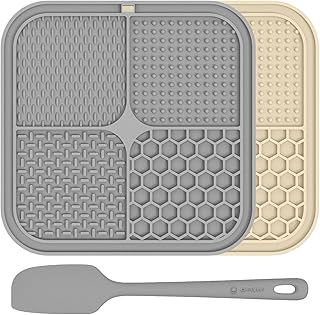
Dogs, much like humans, benefit from a rich sensory environment. Sensory enrichment is a powerful tool in keeping their senses sharp and engaged, which is crucial for their mental stimulation. One effective method is to introduce a variety of textures in their surroundings. This can be achieved by providing different types of bedding, such as soft blankets, crunchy leaves, or even textured mats specifically designed for dogs. These varied surfaces encourage exploration and can help prevent boredom.
In addition to textures, sounds play a significant role in sensory enrichment. Exposing dogs to a range of sounds, from classical music to nature sounds, can be calming and stimulating. For instance, playing a CD of forest sounds or leaving the TV on to a nature channel can provide auditory stimulation that mimics the variety of sounds they would encounter in the wild. It's important to ensure the volume is at a comfortable level to avoid causing stress.
Smells are another vital aspect of sensory enrichment. Dogs have an extraordinary sense of smell, and introducing new scents can be highly engaging for them. This can be done by bringing in new toys, treats, or even essential oils (always pet-safe and diluted) to their environment. Regularly changing the scents in their living space can keep their olfactory senses active and interested.
When implementing sensory enrichment, it's crucial to monitor your dog's reactions. Some dogs may become overstimulated by too many new textures, sounds, or smells. It's essential to find a balance that suits your dog's individual needs. Start with one new sensory experience at a time and observe how your dog responds before introducing more.
In conclusion, sensory enrichment is a multifaceted approach to mentally challenging your dog. By thoughtfully introducing a variety of textures, sounds, and smells, you can create a stimulating environment that promotes mental health and well-being. Remember to tailor these experiences to your dog's preferences and monitor their responses to ensure a positive and engaging experience.
Understanding Mental Status Exams for Disability Benefits
You may want to see also
Frequently asked questions
There are several simple ways to mentally challenge your dog at home. You can start by hiding treats around the house and encouraging your dog to find them, which stimulates their sense of smell and problem-solving skills. Another option is to use puzzle toys that require your dog to figure out how to get the treats out, such as rolling a ball around to dispense treats or using a Kong toy filled with peanut butter. Additionally, you can teach your dog new tricks or commands, which not only challenges them mentally but also strengthens your bond.
The frequency of mentally challenging activities for your dog depends on their age, breed, and overall health. As a general rule, it's recommended to engage your dog in at least one mentally stimulating activity per day. However, for high-energy breeds or younger dogs, you may need to increase this to two or three activities daily to keep them engaged and prevent boredom. It's important to observe your dog's behavior and adjust the frequency accordingly to ensure they are getting the right amount of mental stimulation without becoming overwhelmed.
Mentally challenging your dog has numerous benefits for their overall well-being. It helps to prevent boredom, which can lead to destructive behaviors such as chewing on furniture or excessive barking. Mental stimulation also promotes cognitive health, reducing the risk of age-related cognitive decline. Additionally, engaging in mentally challenging activities can help to reduce anxiety and stress in dogs, leading to a calmer and happier pet. Finally, mental stimulation can strengthen the bond between you and your dog, as you work together to solve problems and learn new skills.