Madison Cole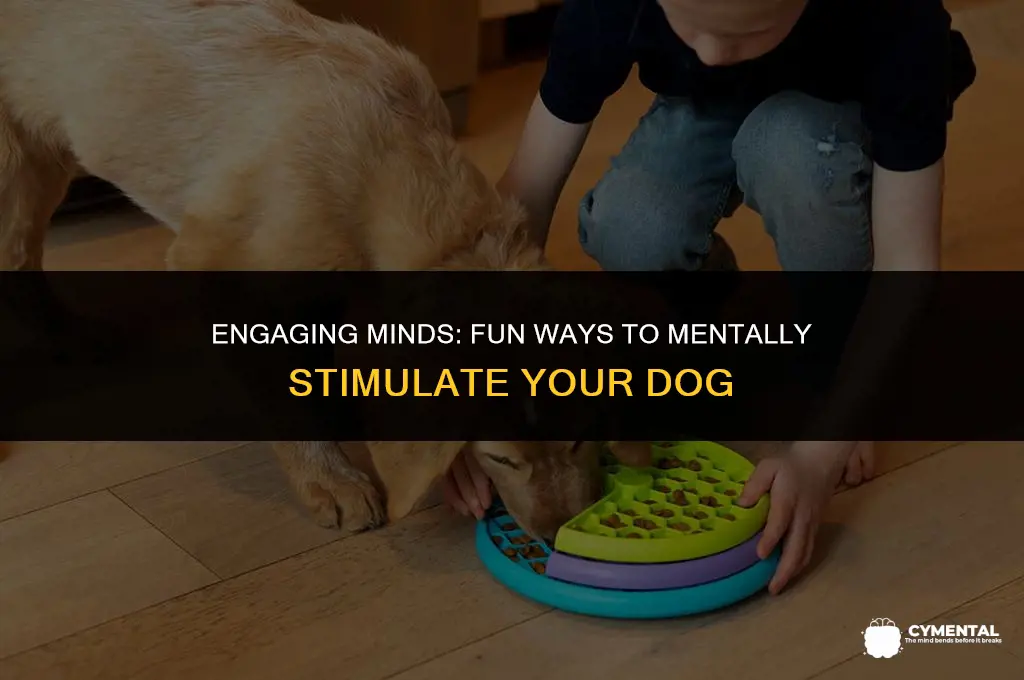
Mental stimulation is crucial for a dog's overall well-being, as it helps to prevent boredom, reduce stress, and promote cognitive health. Dogs, much like humans, require mental challenges to stay engaged and happy. Without adequate mental stimulation, dogs can develop behavioral issues such as excessive barking, chewing, or digging. To keep your canine companion mentally stimulated, it's essential to provide a variety of activities that challenge their mind and encourage problem-solving skills. This can include interactive toys, puzzle feeders, obedience training, and even simple games like hide-and-seek. By incorporating these activities into your dog's daily routine, you can help ensure they lead a fulfilling and mentally enriched life.
| Characteristics | Values |
|---|---|
| Purpose | To engage a dog's cognitive abilities and prevent boredom |
| Types of Activities | Puzzle toys, scent games, obedience training, interactive play |
| Benefits | Improved problem-solving skills, reduced anxiety, increased happiness |
| Frequency | Daily, for at least 15-30 minutes |
| Age Appropriateness | Suitable for dogs of all ages, but intensity may vary |
| Safety Considerations | Ensure toys are durable and safe, avoid overexertion |
| Owner Involvement | Active participation or supervision recommended |
| Environment | Indoor or outdoor, depending on the activity |
| Cost | Varies; some activities require minimal investment, while others may need specialized toys or equipment |
| Time Commitment | Regular, consistent engagement is key |
Explore related products

$9.49 $12.99


What You'll Learn
- Interactive Toys: Use puzzle toys and treat-dispensing games to challenge your dog's problem-solving skills
- Training Sessions: Engage your dog in short, fun training sessions to teach new tricks and commands
- Sensory Exploration: Provide opportunities for your dog to explore different textures, smells, and sounds
- Socialization: Arrange playdates with other dogs and introduce your dog to new people to encourage social interaction
- Mental Challenges: Create scavenger hunts or hide-and-seek games to keep your dog's mind active and engaged

Interactive Toys: Use puzzle toys and treat-dispensing games to challenge your dog's problem-solving skills
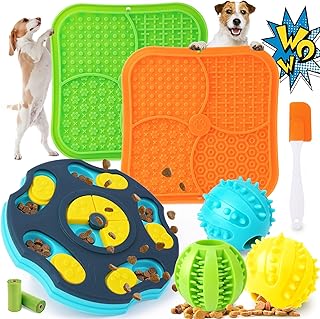
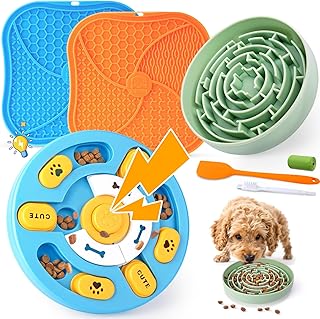
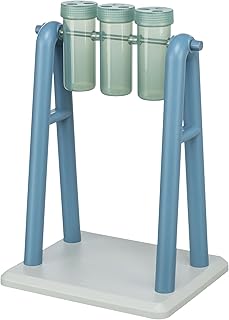
Interactive puzzle toys and treat-dispensing games are excellent tools for enhancing a dog's cognitive abilities. These toys are designed to challenge a dog's problem-solving skills, encouraging them to think critically and engage in focused play. By presenting a puzzle or a challenge that requires manipulation to access a reward, these toys stimulate the dog's brain, reducing boredom and promoting mental well-being.
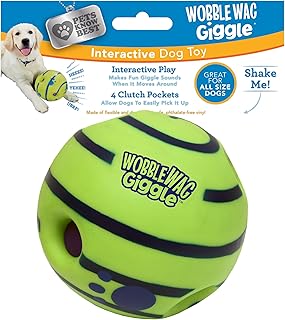
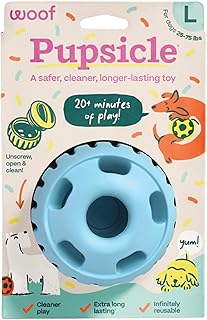
One effective type of interactive toy is the treat-dispensing ball. These balls have adjustable openings that can be filled with treats or kibble. As the dog rolls the ball around, treats are gradually dispensed, rewarding the dog for their persistence and problem-solving. Another popular option is the puzzle feeder, which often resembles a maze or a series of compartments that the dog must navigate to access their food. These feeders not only slow down eating, which can aid in digestion, but also provide a mental workout as the dog figures out how to reach each compartment.
When introducing interactive toys to a dog, it's essential to start with simpler puzzles and gradually increase the difficulty as the dog becomes more adept at solving them. This approach ensures that the dog remains engaged and challenged without becoming frustrated. Additionally, it's crucial to supervise playtime initially to ensure that the dog is using the toy correctly and not attempting to destroy it or swallow any parts.
Interactive toys can also be used to strengthen the bond between the dog and its owner. By engaging in play together, using the toys as a reward system during training sessions, or simply observing the dog's problem-solving process, owners can foster a deeper connection with their pets. Furthermore, these toys can help alleviate separation anxiety by providing the dog with a stimulating activity to focus on when the owner is away.
In conclusion, interactive puzzle toys and treat-dispensing games are valuable additions to a dog's mental stimulation routine. They offer a fun and engaging way to challenge a dog's cognitive abilities, promote mental well-being, and strengthen the bond between the dog and its owner. By carefully selecting and introducing these toys, owners can provide their pets with a stimulating and rewarding environment that supports their overall health and happiness.
Understanding Mental Health Conditions That Qualify for Disability Benefits
You may want to see also
Explore related products



Training Sessions: Engage your dog in short, fun training sessions to teach new tricks and commands
Engaging your dog in short, fun training sessions is a crucial aspect of mental stimulation. These sessions not only teach new tricks and commands but also provide an opportunity for bonding and reinforcing positive behaviors. To make the most out of these training sessions, it's essential to keep them engaging and enjoyable for your dog.
One effective approach is to use positive reinforcement techniques, such as treats, praise, and playtime, to reward your dog for successfully completing a command or trick. This encourages them to associate the training with positive outcomes, making them more likely to participate willingly. Additionally, varying the types of tricks and commands you teach can keep your dog interested and challenged.
Another important aspect is to tailor the training sessions to your dog's individual needs and abilities. For example, if your dog is a puppy, shorter sessions with simpler commands may be more appropriate. On the other hand, older dogs with more experience may benefit from longer sessions with more complex tricks.
It's also crucial to be patient and consistent during training. Avoid punishing your dog for mistakes, as this can create anxiety and hinder the learning process. Instead, calmly correct them and provide guidance on how to improve. Remember, the goal is to make training a positive and enjoyable experience for both you and your dog.
In conclusion, short, fun training sessions are an excellent way to mentally stimulate your dog while teaching them new tricks and commands. By using positive reinforcement, tailoring the sessions to your dog's needs, and maintaining patience and consistency, you can create a rewarding and engaging learning environment for your furry friend.
Understanding Mental Models: A Deep Dive into Higher-Level Comprehension
You may want to see also
Explore related products





Sensory Exploration: Provide opportunities for your dog to explore different textures, smells, and sounds
Dogs have an extraordinary sense of smell, with up to 300 million olfactory receptors compared to humans' 6 million. This makes scent exploration a powerful tool for mental stimulation. Hide treats or toys around the house or yard, encouraging your dog to sniff them out. You can also use essential oils or scented candles to introduce new smells, but always ensure they are pet-safe.
Texture exploration is another engaging activity. Provide your dog with a variety of toys made from different materials, such as rubber, rope, and plush fabric. You can also create a sensory bin filled with items like rice, beans, or sand for your dog to dig through. This not only stimulates their sense of touch but also encourages problem-solving as they search for hidden treats.
Auditory stimulation is often overlooked but can be very effective. Play different types of music or nature sounds, such as classical music, which has been shown to calm dogs, or recordings of birds and other animals to pique their interest. You can also use sound-emitting toys or create your own by filling plastic bottles with beads or coins.
When introducing new sensory experiences, it's important to monitor your dog's reaction. Some dogs may become overwhelmed or anxious, so start slowly and gradually increase the intensity or variety of stimuli. Always ensure that the activities are safe and age-appropriate for your dog.
Incorporating sensory exploration into your dog's daily routine can have a significant impact on their mental well-being. It not only provides mental stimulation but also helps to reduce boredom and stress, leading to a happier and healthier pet.
Unlocking the Mind: A Beginner's Guide to Mentalism Mastery
You may want to see also
Explore related products



Socialization: Arrange playdates with other dogs and introduce your dog to new people to encourage social interaction
Socialization is a critical component of mental stimulation for dogs. By arranging playdates with other dogs, you provide your pet with the opportunity to interact, communicate, and learn from their peers. This not only helps to improve their social skills but also reduces anxiety and fear around other animals. When introducing your dog to new people, it's essential to do so gradually and in a controlled environment to prevent overwhelming them. Start with calm, friendly individuals and reward your dog for positive interactions.
Playdates can be arranged through local dog parks, pet stores, or online communities. When selecting playmates, consider your dog's size, age, and temperament to ensure a safe and enjoyable experience for all involved. During playdates, monitor your dog's behavior closely and intervene if necessary to prevent any negative interactions. Remember to provide plenty of water, shade, and rest breaks to keep your dog comfortable and safe.
Introducing your dog to new people can be done in a variety of ways. You can invite friends or family members over for a visit, take your dog to a local pet store or dog park, or even enroll them in a socialization class. When introducing your dog to someone new, always ask the person to approach slowly and calmly, and to avoid sudden movements or loud noises that could startle your pet. Reward your dog with treats and praise for positive interactions, and be patient if they seem hesitant or nervous at first.
It's important to remember that socialization is an ongoing process, and it's never too early or too late to start. Puppies as young as 8 weeks old can begin socialization, and older dogs can still benefit from new experiences and interactions. Consistency and patience are key, and by making socialization a regular part of your dog's routine, you can help them develop into a well-adjusted, confident, and happy pet.
Unlocking Mental Commitment: A Guide to Its Four Essential Components
You may want to see also
Explore related products


Mental Challenges: Create scavenger hunts or hide-and-seek games to keep your dog's mind active and engaged
Engaging your dog in mental challenges is crucial for their cognitive health and overall well-being. One effective way to achieve this is by creating scavenger hunts or hide-and-seek games. These activities not only keep your dog's mind active but also provide a fun and interactive way for them to exercise their natural instincts.
To set up a scavenger hunt, start by hiding treats or toys around the house or yard. You can use items your dog is familiar with or introduce new ones to keep things interesting. Begin with simple hiding spots and gradually increase the difficulty as your dog becomes more adept at finding the hidden treasures. Encourage your dog to use their sense of smell and problem-solving skills to locate the items.
Hide-and-seek games can be equally stimulating. Hide in different parts of the house or yard and call your dog to find you. This game not only challenges your dog's sense of smell but also strengthens the bond between you and your pet. As your dog becomes more skilled, you can increase the difficulty by hiding in more complex locations or using multiple hiding spots.
When designing these mental challenges, it's important to consider your dog's age, breed, and physical abilities. Tailor the games to suit their individual needs and preferences. For example, older dogs may benefit from shorter, less strenuous activities, while younger, more energetic dogs can handle longer and more challenging games.
Remember to always supervise your dog during these activities to ensure their safety. Avoid hiding items in places where your dog could get injured or stuck. Additionally, be mindful of your dog's stress levels and adjust the games accordingly. The goal is to provide mental stimulation and enjoyment, not to cause anxiety or frustration.
Incorporating these mental challenges into your dog's routine can have a significant impact on their cognitive function and overall happiness. By keeping their minds active and engaged, you're helping to prevent boredom and behavioral issues, leading to a more balanced and content pet.
Rebuilding Resilience: A Guide to Recovery After a Mental Breakdown
You may want to see also
Frequently asked questions
Mental stimulation for dogs can include a variety of activities such as puzzle toys, obedience training, scent work, and interactive games like fetch or hide-and-seek. These activities challenge the dog's cognitive abilities and help prevent boredom.
It's recommended to engage your dog in mental stimulation activities daily. The frequency and duration can vary based on the dog's age, breed, and individual needs, but even short, regular sessions can be beneficial.
Mental stimulation is crucial for a dog's well-being because it helps to prevent boredom, which can lead to destructive behaviors. It also promotes cognitive health, reduces stress and anxiety, and strengthens the bond between the dog and its owner.