Ava Ramirez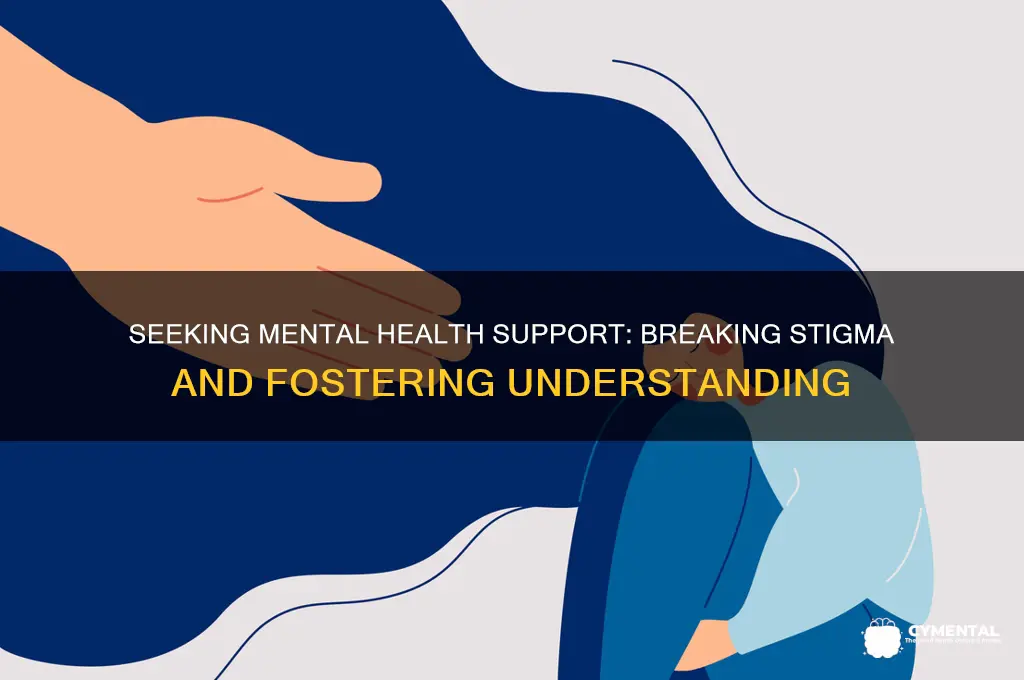
Seeking help for mental illness plays a crucial role in reducing the stigma surrounding it. When individuals openly address their mental health struggles and access professional support, it normalizes the conversation and challenges the misconceptions that often lead to discrimination. By sharing their experiences, those who seek help demonstrate that mental illness is not a sign of weakness but a common and treatable condition, much like physical ailments. This visibility encourages others to seek assistance without fear of judgment, fostering a culture of empathy and understanding. Additionally, as more people receive effective treatment and improve their well-being, it becomes evident that mental health care is both necessary and beneficial, further dismantling the stigma and promoting a more compassionate society.
Explore related products


What You'll Learn
- Increased Awareness: Educating society about mental health challenges fosters empathy and understanding
- Normalizing Conversations: Open discussions reduce shame and encourage seeking support
- Role Models: Public figures sharing their struggles inspire others to seek help
- Policy Changes: Workplace and healthcare policies promote mental health as a priority
- Community Support: Local initiatives create safe spaces for healing and acceptance

Increased Awareness: Educating society about mental health challenges fosters empathy and understanding
Education is a powerful tool in the fight against the stigma surrounding mental illness, and its impact on society's perception cannot be overstated. By increasing awareness and providing accurate information, we can dismantle the barriers that prevent individuals from seeking help. Here's how this process unfolds and why it matters.
The Power of Knowledge: Imagine a community where mental health literacy is as common as understanding physical ailments. When people learn about the various mental health challenges, from anxiety disorders to depression and schizophrenia, they begin to recognize the signs and symptoms. This knowledge equips them to identify these issues in themselves or others, encouraging early intervention. For instance, a simple yet effective strategy could be incorporating mental health education into school curricula, ensuring that young people grow up understanding that mental illnesses are common and treatable, just like physical injuries or diseases.
Empathy Through Understanding: Education fosters empathy by humanizing mental health struggles. When society learns about the biological, psychological, and environmental factors contributing to mental illness, it becomes harder to stigmatize those affected. For example, explaining how trauma can lead to post-traumatic stress disorder (PTSD) or how chemical imbalances in the brain contribute to depression can evoke compassion. This understanding encourages people to view mental health challenges as valid medical conditions, deserving of support and treatment, rather than personal failings or attention-seeking behaviors.
Practical Steps for Awareness Campaigns: To effectively educate society, consider the following strategies:
- Personal Stories: Share real-life experiences of individuals who have struggled with mental illness and recovered. These narratives put a face to the issue, making it relatable and inspiring hope.
- Expert Insights: Collaborate with mental health professionals to provide accurate, evidence-based information. Webinars, workshops, and social media campaigns featuring psychologists or psychiatrists can dispel myths and offer practical advice.
- Interactive Workshops: Engage communities through interactive sessions, role-playing scenarios, and group discussions. These activities promote active learning and encourage participants to challenge their own biases.
- Targeted Approaches: Tailor educational content for different age groups and cultural backgrounds. For instance, creating age-appropriate materials for children, teenagers, and adults ensures relevance and impact.
Measuring Success and Long-Term Impact: The success of awareness campaigns can be gauged through various metrics. Increased help-seeking behaviors, such as higher appointment bookings with mental health professionals or more calls to support hotlines, indicate reduced stigma. Additionally, surveys and focus groups can assess changes in public attitudes and knowledge over time. Long-term benefits may include improved social support networks, better access to care, and more inclusive policies in schools, workplaces, and healthcare systems.
In summary, educating society about mental health challenges is a cornerstone of stigma reduction. It empowers individuals to recognize and address these issues, fostering a culture of empathy and support. By implementing strategic awareness campaigns, we can create a more informed and compassionate society, where seeking help for mental illness is encouraged and normalized. This approach not only benefits those directly affected but also strengthens the overall well-being of communities.
AA's Role in Mental Health Support: A Path to Healing
You may want to see also
Explore related products


Normalizing Conversations: Open discussions reduce shame and encourage seeking support
Open discussions about mental health transform isolation into collective understanding. When individuals share their experiences, they dismantle the illusion that mental illness is rare or abnormal. Consider the impact of public figures like Simone Biles or Prince Harry speaking candidly about their struggles. Their stories normalize vulnerability, signaling that seeking help is not a sign of weakness but an act of courage. This visibility shifts societal perception, making it easier for others to acknowledge their own challenges without fear of judgment.
To foster these conversations, start small and intentional. At home, incorporate mental health check-ins during family meals or weekly meetings. In workplaces, allocate time during team meetings for employees to share how they’re truly feeling, not just professionally but personally. Schools can integrate mental health discussions into health classes, using age-appropriate language for younger students (e.g., “It’s okay to feel sad sometimes” for ages 5–10) and more nuanced conversations for teens (e.g., “How do you manage stress during exams?”). These structured opportunities create safe spaces for dialogue, gradually eroding stigma.
However, normalizing conversations requires caution. Avoid tokenism or forcing participation, as this can alienate those who aren’t ready to share. Instead, model openness by sharing your own experiences when appropriate. For instance, a manager might say, “I’ve been feeling overwhelmed lately and decided to see a therapist—it’s been really helpful.” Pair these discussions with actionable resources, such as a list of local therapists, crisis hotlines, or apps like Calm or Headspace. This ensures that conversations lead to tangible support, not just lip service.
The ripple effect of these discussions is profound. When one person speaks up, it grants others permission to do the same. Research shows that hearing relatable stories reduces feelings of shame and increases help-seeking behavior by up to 40%. Over time, this cultural shift can lead to earlier interventions, better treatment outcomes, and a society where mental health is treated with the same urgency as physical health. Normalizing conversations isn’t just about talking—it’s about creating a world where no one feels alone in their struggle.
Supporting Mental Health: Michigan Resources for Getting Loved Ones Help
You may want to see also
Explore related products





Role Models: Public figures sharing their struggles inspire others to seek help
Public figures who openly share their mental health struggles wield immense power in reshaping societal perceptions. When celebrities, athletes, or leaders reveal their vulnerabilities, they humanize an experience often shrouded in silence. For instance, Simone Biles’ decision to prioritize her mental health during the 2020 Olympics not only sparked global conversations but also normalized the idea that seeking help is a sign of strength, not weakness. Such acts dismantle the myth of invincibility often associated with fame, making mental health struggles relatable to a broader audience.
Consider the ripple effect of these disclosures. When Prince Harry spoke candidly about his therapy sessions following his mother’s death, search trends for mental health resources in the UK surged by 40%. This phenomenon, often termed the “celebrity effect,” demonstrates how public figures can inadvertently act as catalysts for change. Their stories provide a blueprint for others, showing that recovery is possible and that professional help is a viable path. For younger audiences, seeing role models like Selena Gomez discuss their battles with anxiety and depression can be particularly impactful, encouraging them to seek support before issues escalate.
However, the influence of these role models is not without its pitfalls. Over-reliance on celebrity narratives can sometimes oversimplify complex mental health issues, reducing them to inspirational soundbites. For example, while Demi Lovato’s openness about bipolar disorder has been transformative, some critics argue that their story may not resonate with individuals facing different socioeconomic barriers to care. To maximize the positive impact, public figures should pair their stories with actionable advice, such as recommending affordable therapy platforms or sharing how to initiate conversations with healthcare providers.
Practical steps can amplify this role model effect. Schools and workplaces can leverage these narratives by incorporating them into mental health training programs, using real-life examples to destigmatize seeking help. For instance, a workshop might analyze how Michael Phelps’ discussion of depression aligns with evidence-based strategies for managing mental health. Additionally, social media campaigns featuring diverse public figures can target specific demographics, ensuring that their messages reach those who need them most. A study by the American Psychological Association found that campaigns featuring relatable role models increased help-seeking behaviors by 25% among adolescents.
In conclusion, public figures sharing their mental health journeys serve as beacons of hope, but their impact must be strategically amplified. By combining personal stories with practical resources and targeted outreach, these role models can transform societal attitudes and encourage individuals to take the first step toward healing. Their courage not only reduces stigma but also paves the way for a more compassionate, informed approach to mental health care.
Seeking Mental Health Support: A Guide to Finding the Right Help
You may want to see also
Explore related products



Policy Changes: Workplace and healthcare policies promote mental health as a priority
Workplace and healthcare policies that prioritize mental health send a powerful message: it’s okay to not be okay. By embedding mental health support into the fabric of these institutions, stigma is systematically dismantled. For instance, companies that offer paid mental health days or provide access to therapy through insurance plans normalize seeking help, signaling that mental illness is no different from physical illness. This shift in policy doesn’t just benefit individuals—it fosters a culture where vulnerability is met with understanding, not judgment.
Consider the impact of mandatory mental health training for managers. When leaders are equipped to recognize signs of distress and respond empathetically, employees feel safer discussing their struggles. This isn’t just a feel-good initiative; it’s a strategic move. A study by the World Health Organization found that for every dollar invested in mental health training, there’s a $4 return in improved productivity and reduced absenteeism. Policies like these turn workplaces into environments where mental health is a shared responsibility, not a personal failing.
Healthcare policies also play a critical role in reducing stigma by making mental health services as accessible as physical health care. For example, the Mental Health Parity and Addiction Equity Act in the U.S. requires insurers to cover mental health treatment equally to medical/surgical care. This policy change removes financial barriers, but it also sends a societal message: mental health matters. When therapy sessions are as routine as doctor’s appointments, the stigma of attending one fades.
However, policy changes alone aren’t enough. They must be paired with transparency and education. For instance, a healthcare provider might introduce a policy offering free mental health screenings for patients over 18, but without explaining why this matters, it risks being overlooked. Pairing such policies with campaigns that highlight success stories or debunk myths—like the fact that 1 in 5 adults experiences mental illness annually—amplifies their impact.
The takeaway is clear: policies that prioritize mental health don’t just address the issue—they redefine it. By integrating mental health into workplace and healthcare systems, these policies shift the narrative from one of shame to one of support. They turn institutions into allies, proving that systemic change can be the most effective tool in dismantling stigma.
Art Therapy: Healing Serious Mental Illness Through Creative Expression
You may want to see also
Explore related products


Community Support: Local initiatives create safe spaces for healing and acceptance
Local initiatives play a pivotal role in dismantling the stigma surrounding mental illness by fostering environments where individuals feel seen, heard, and supported. Consider the example of peer-led support groups in small towns, where anonymity is scarce and judgment often thrives. These groups, facilitated by trained volunteers or mental health professionals, provide a confidential space for participants to share their struggles without fear of gossip or ostracism. By normalizing conversations about mental health within tight-knit communities, such initiatives challenge the silence that perpetuates stigma. For instance, a weekly drop-in session in a rural library not only offers emotional relief but also educates attendees on coping strategies, reducing the shame associated with seeking help.
Creating safe spaces, however, requires intentional design. A successful model is the "Open Minds Café" in urban neighborhoods, where mental health resources are integrated into a casual coffee shop setting. Here, individuals can access counseling services, attend workshops, or simply socialize in a stigma-free zone. The key lies in blending mental health support with everyday activities, making it accessible and less intimidating. For communities aiming to replicate this, start by partnering with local businesses or nonprofits to identify underutilized spaces. Ensure the environment is welcoming—soft lighting, comfortable seating, and neutral décor can significantly impact how safe someone feels.
Another critical aspect of community support is inclusivity. Initiatives must cater to diverse populations, including youth, seniors, and marginalized groups. For example, a youth-led mental health campaign in a multicultural neighborhood used art and music to engage teens, bypassing language and cultural barriers. Similarly, intergenerational programs, such as storytelling circles where elders share their experiences, bridge generational gaps and foster empathy. Organizers should conduct needs assessments to tailor programs, ensuring they address specific community concerns. For instance, a survey might reveal a need for bilingual resources or LGBTQ+-friendly spaces, guiding the initiative’s focus.
Sustainability is often the Achilles’ heel of local initiatives. To ensure longevity, communities must adopt a multi-pronged approach. Funding can be secured through grants, local fundraisers, or partnerships with healthcare providers. Training community members as mental health first-aiders empowers them to continue the work organically. Additionally, leveraging digital platforms can extend reach—a local Facebook group or WhatsApp channel can disseminate resources and maintain engagement. For example, a small town in the Midwest launched a mental health app, offering daily affirmations and crisis hotline links, which became a lifeline for many residents.
Ultimately, the power of community support lies in its ability to humanize mental illness. By embedding mental health care into the fabric of daily life, these initiatives shift the narrative from one of isolation to one of collective responsibility. A single safe space can ripple outward, influencing schools, workplaces, and families to adopt more compassionate attitudes. For those looking to start, begin small—organize a mental health awareness walk, host a film screening with a Q&A session, or simply open a dialogue at a community meeting. Every step, no matter how modest, contributes to a culture where seeking help is not a sign of weakness but a testament to resilience.
Hydration and Mind: How Drinking Water Boosts Mental Health
You may want to see also
Frequently asked questions
Seeking help normalizes mental health struggles, showing others that it’s okay to ask for support, which challenges the misconception that mental illness is a sign of weakness.
Yes, sharing stories openly reduces stigma by humanizing mental illness, fostering empathy, and encouraging others to seek help without fear of judgment.
Professional treatment demonstrates that mental illness is a valid health condition, not a personal failing, which helps shift societal attitudes toward acceptance and understanding.
Absolutely, receiving help often equips individuals with knowledge and confidence to speak out, challenge stereotypes, and promote mental health awareness in their communities.
When individuals seek help, it creates a ripple effect, inspiring others to do the same and fostering a culture where mental health is prioritized and discussed openly.