Caleb Wright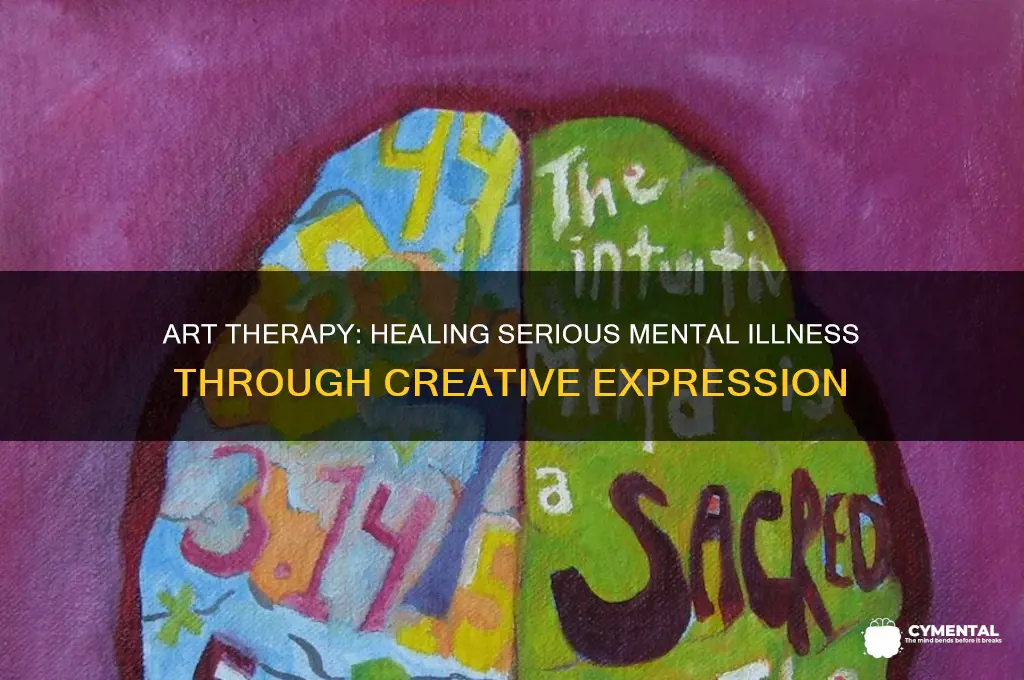
Art therapy is a powerful and transformative approach to treating serious mental illnesses, offering individuals a unique way to express emotions, process trauma, and foster healing when verbal communication feels overwhelming or insufficient. By engaging in creative activities such as drawing, painting, or sculpting, individuals can bypass the limitations of language to access and explore deep-seated feelings, often uncovering insights and coping mechanisms that traditional talk therapy alone may not reach. This non-verbal form of expression is particularly beneficial for those with conditions like depression, anxiety, PTSD, or schizophrenia, as it provides a safe and structured outlet for emotional release and self-discovery. Additionally, the process of creating art can enhance self-esteem, improve focus, and promote mindfulness, while the tangible results of their work can serve as a source of pride and a tool for tracking progress. Supported by trained therapists, art therapy integrates psychological principles with creative processes, making it a holistic and effective complement to other treatment modalities in managing and recovering from serious mental health challenges.
| Characteristics | Values |
|---|---|
| Non-Verbal Expression | Allows individuals to express emotions and experiences that are difficult to articulate verbally, especially for those with trauma or communication barriers. |
| Emotional Release | Provides a safe outlet for processing and releasing pent-up emotions, reducing symptoms of anxiety, depression, and PTSD. |
| Self-Exploration | Encourages introspection and self-awareness, helping individuals understand their thoughts, feelings, and behaviors. |
| Stress Reduction | Engaging in creative activities lowers cortisol levels, promoting relaxation and reducing stress. |
| Improved Coping Skills | Teaches adaptive coping strategies through the creative process, enhancing resilience and problem-solving abilities. |
| Symbolism and Metaphor | Uses art as a metaphorical language to explore complex issues indirectly, making them easier to confront. |
| Sense of Accomplishment | Completing art projects boosts self-esteem and provides a tangible sense of achievement. |
| Social Connection | Group art therapy fosters a sense of community, reduces isolation, and improves interpersonal skills. |
| Neuroplasticity | Stimulates brain activity, promoting neural connections and potentially improving cognitive function. |
| Personalized Approach | Tailored to individual needs, allowing for unique and flexible therapeutic interventions. |
| Reduction in Symptoms | Evidence suggests it can reduce symptoms of serious mental illnesses like schizophrenia, bipolar disorder, and major depression. |
| Mindfulness and Presence | Encourages being present in the moment, reducing rumination and improving mental clarity. |
| Alternative to Medication | Can complement or, in some cases, reduce reliance on medication by addressing emotional and psychological needs. |
| Accessible and Inclusive | Requires no prior artistic skill, making it accessible to people of all ages and backgrounds. |
| Long-Term Benefits | Skills learned in art therapy can be applied outside sessions, promoting sustained mental health improvements. |
Explore related products

$8.99 $19.99


What You'll Learn
- Reduces anxiety and depression symptoms through creative expression and emotional release
- Enhances self-awareness and insight by visualizing and processing complex emotions
- Improves coping skills by providing a non-verbal outlet for stress and trauma
- Fosters social connection and communication in group art therapy settings
- Promotes mindfulness and presence, grounding individuals in the creative process

Reduces anxiety and depression symptoms through creative expression and emotional release
Art therapy offers a unique pathway for individuals grappling with serious mental illness to confront and alleviate symptoms of anxiety and depression. Unlike traditional talk therapy, it leverages the non-verbal language of art, allowing patients to externalize emotions that often feel ineffable. This process of creative expression acts as a bridge between the subconscious and conscious mind, providing a safe outlet for emotional release. For instance, a person struggling with generalized anxiety disorder might find that painting abstract shapes helps them visualize and compartmentalize their worries, reducing the overwhelming sense of dread.
Consider the mechanics of this approach: when engaged in art-making, the brain shifts focus from rumination to the present moment, a principle akin to mindfulness. This cognitive redirection can lower cortisol levels, the body’s primary stress hormone, thereby mitigating physiological symptoms of anxiety. A study published in *Art Therapy: Journal of the American Art Therapy Association* found that participants who engaged in 45 minutes of structured art therapy twice weekly reported a 25% reduction in depression symptoms over six weeks. The key lies in consistency; regular sessions allow individuals to build emotional resilience and develop coping mechanisms through repeated exposure to creative problem-solving.
Practical implementation of art therapy for anxiety and depression need not be confined to clinical settings. Simple activities like journaling with colored pencils, sculpting clay, or even doodling during moments of distress can serve as accessible tools. For adolescents, who often struggle to articulate complex emotions, art therapy can be particularly effective. A 2019 study involving teens aged 13–18 showed that those who participated in weekly art therapy sessions demonstrated a 30% improvement in self-reported anxiety levels compared to control groups. Parents and caregivers can encourage this by creating a dedicated space for art supplies and setting aside 20–30 minutes daily for unstructured creative time.
However, it’s crucial to approach art therapy with nuance. While it can be profoundly therapeutic, it is not a one-size-fits-all solution. Individuals with severe depression may initially find the act of creating emotionally exhausting, as it forces confrontation with buried feelings. Therapists should monitor progress closely and pair art therapy with other modalities, such as cognitive-behavioral therapy, to ensure comprehensive care. Additionally, group art therapy sessions can foster a sense of community, reducing feelings of isolation—a common exacerbator of mental illness.
In conclusion, art therapy’s power to reduce anxiety and depression symptoms lies in its ability to merge creativity with emotional catharsis. By providing a tangible medium for abstract emotions, it empowers individuals to reclaim agency over their mental health. Whether through structured clinical sessions or self-guided practices, this approach offers a versatile and deeply human way to heal. For those seeking relief, the first step is often the simplest: pick up a brush, pencil, or piece of clay and begin.
Urgent Mental Health Support: Quick Steps to Help Someone in Crisis
You may want to see also
Explore related products


Enhances self-awareness and insight by visualizing and processing complex emotions
Art therapy serves as a bridge between the ineffable and the tangible, allowing individuals with serious mental illness to externalize emotions that often feel overwhelming or incomprehensible. Through the act of creating—whether painting, sculpting, or collaging—patients transform abstract feelings into visual forms. This process is particularly powerful for those who struggle with verbal expression, as it bypasses the limitations of language. For instance, a person experiencing severe depression might use dark, heavy brushstrokes to represent their inner turmoil, while someone with anxiety may create fragmented, chaotic compositions to mirror their mental state. By giving physical shape to these emotions, art therapy provides a safe distance from which to examine and understand them.
Consider the case of a 32-year-old woman diagnosed with borderline personality disorder, who used art therapy to process her emotional dysregulation. During sessions, she would alternate between aggressive mark-making and delicate, detailed work, reflecting her internal conflict. Over time, she began to identify patterns in her art—such as recurring symbols of isolation or anger—that mirrored her emotional triggers. This visual documentation allowed her therapist to guide her in connecting these symbols to specific experiences, fostering a deeper understanding of her emotional landscape. Such insights are often harder to achieve through talk therapy alone, as they rely on the brain’s ability to process information visually and symbolically.
To maximize the benefits of art therapy for enhancing self-awareness, practitioners often employ structured exercises tailored to the individual’s needs. For example, a common technique is the "emotion wheel" activity, where patients use color and shape to represent different emotions. Another effective method is the "layers of self" exercise, where individuals create a collage or painting that represents their inner and outer selves. These activities encourage patients to explore emotions in a non-judgmental space, fostering introspection without the pressure of verbal articulation. For adolescents and young adults, who often struggle with emotional expression, these exercises can be particularly transformative, as they align with their natural inclination toward visual communication.
However, it’s crucial to approach art therapy with sensitivity, especially when working with individuals who have trauma-related disorders. While visualizing emotions can be therapeutic, it can also trigger intense reactions if not managed carefully. Therapists must establish a safe environment, ensuring that patients feel supported throughout the process. For instance, a therapist might start with simple, guided activities—such as drawing a "safe place"—before progressing to more complex emotional exploration. Additionally, integrating mindfulness techniques, such as deep breathing or grounding exercises, can help patients manage any distress that arises during sessions.
Ultimately, the power of art therapy lies in its ability to make the invisible visible, offering a unique pathway to self-awareness and emotional insight. By engaging the creative process, individuals with serious mental illness can begin to untangle the complexities of their emotions, often uncovering patterns and connections they were previously unable to articulate. This visual dialogue not only aids in personal understanding but also provides therapists with valuable tools to guide treatment. For those who feel trapped by their emotions, art therapy offers a means of escape—not by avoiding pain, but by confronting it in a form that can be seen, understood, and, eventually, transformed.
Exploring Hallucinogens: Potential Benefits for Mental Health Treatment?
You may want to see also
Explore related products


Improves coping skills by providing a non-verbal outlet for stress and trauma
Art therapy offers a unique pathway for individuals grappling with serious mental illness to express and process their emotions without relying on words. For many, verbal communication can feel overwhelming or insufficient when confronting stress and trauma. Through painting, sculpting, or even doodling, art therapy provides a non-verbal outlet that bypasses the limitations of language. This method allows individuals to externalize their inner turmoil, making it tangible and, in turn, more manageable. For instance, a person experiencing PTSD might use abstract shapes and colors to represent their fragmented memories, creating a visual narrative that feels safer to explore than spoken words.
Consider the process of creating art as a form of emotional release. When someone engages in art therapy, they are not just making something visually appealing; they are actively transferring their emotional burden onto the canvas or clay. This act of externalization can reduce the intensity of distressing feelings, much like journaling but without the pressure of coherence or clarity. Research suggests that this non-verbal expression activates different areas of the brain, particularly those associated with emotional regulation and stress reduction. For adults and adolescents alike, this can be a powerful tool to regain a sense of control over their mental state.
One practical example of this approach is the use of mandala drawing in therapy sessions. Mandalas, circular geometric patterns, are often used to promote focus and calmness. A study published in *Art Therapy: Journal of the American Art Therapy Association* found that creating mandalas significantly reduced anxiety levels in participants. The repetitive, structured nature of this activity provides a sense of order, which can be particularly grounding for individuals experiencing chaos in their minds. Therapists often recommend dedicating 20–30 minutes daily to such activities to build resilience over time.
However, it’s essential to approach art therapy with flexibility and patience. Not everyone will find immediate relief, and the process can sometimes unearth difficult emotions. Therapists should guide clients in setting boundaries, such as choosing specific times for art-making and having coping strategies in place if the activity becomes overwhelming. For younger individuals, like children aged 8–12, simpler activities like coloring or clay modeling can be more accessible and less intimidating. The key is to tailor the approach to the individual’s comfort level and needs.
In conclusion, art therapy’s non-verbal nature makes it an invaluable resource for improving coping skills in the face of stress and trauma. By offering a safe, creative space for emotional expression, it empowers individuals to confront and process their experiences in a way that feels authentic and manageable. Whether through structured exercises like mandala drawing or free-form creation, this therapeutic approach can be a transformative tool for those navigating serious mental illness.
Sex and Mental Health: Exploring the Surprising Benefits and Connections
You may want to see also
Explore related products

$23.29 $24.99

$0.99 $21.95


Fosters social connection and communication in group art therapy settings
Art therapy in group settings serves as a non-verbal bridge, enabling individuals with serious mental illness to connect and communicate in ways that words often fail to achieve. Unlike traditional talk therapy, group art sessions create a shared space where participants can express emotions, fears, and hopes through visual symbols, colors, and textures. This process bypasses the barriers of language and self-consciousness, allowing even the most withdrawn individuals to engage. For example, a person struggling with schizophrenia might use abstract shapes to represent their fragmented thoughts, while another with depression might choose dark hues to convey their inner turmoil. These visual expressions become a common language, fostering understanding and empathy among group members.
The structure of group art therapy inherently encourages social interaction, even when participants are not verbally communicating. As individuals work on their art, they are often seated in close proximity, creating opportunities for silent observation, shared glances, or small gestures of acknowledgment. Over time, these non-verbal exchanges can evolve into more direct interactions. For instance, one participant might ask another about the meaning behind a particular color choice, or a group member might offer a compliment on a completed piece. These micro-interactions build a sense of community and reduce feelings of isolation, which are particularly debilitating for those with serious mental illness.
Facilitators play a critical role in maximizing the social benefits of group art therapy. They can design activities that explicitly promote collaboration, such as collective murals or shared collage projects. For example, a group might be tasked with creating a visual representation of "hope," requiring them to negotiate ideas, share materials, and integrate individual contributions into a cohesive whole. Such activities not only enhance communication skills but also teach participants how to work through conflicts and appreciate diverse perspectives. Facilitators can also model inclusive behavior by ensuring everyone’s artwork is acknowledged and by encouraging respectful dialogue during group discussions.
Despite its benefits, group art therapy requires careful consideration of participants’ comfort levels and boundaries. For individuals with conditions like social anxiety disorder or PTSD, the prospect of group interaction can be daunting. Therapists should start with small, consistent groups and establish clear guidelines to ensure a safe and supportive environment. For instance, participants might be given the option to work silently or share only when they feel ready. Additionally, incorporating structured icebreakers, such as drawing self-portraits or creating visual responses to prompts like "a place where I feel safe," can ease anxiety and provide a gentle entry point into social engagement.
In conclusion, group art therapy is a powerful tool for fostering social connection and communication among individuals with serious mental illness. By leveraging the universal language of art, it creates a space where participants can express themselves authentically, engage with others non-verbally, and gradually build trust. Through thoughtful facilitation and a focus on inclusivity, this approach not only enhances social skills but also cultivates a sense of belonging, which is essential for long-term recovery. For practitioners and participants alike, the transformative potential of group art therapy lies in its ability to turn isolation into connection, one brushstroke at a time.
Supporting Veterans: Mental Health Professionals' Role in Post-Service Transition
You may want to see also
Explore related products


$0.99 $21.99


Promotes mindfulness and presence, grounding individuals in the creative process
Art therapy harnesses the creative process to anchor individuals in the present moment, a critical intervention for those grappling with serious mental illness. Unlike traditional talk therapy, which relies on verbal expression, art therapy engages the hands and imagination, demanding focus on the tactile and visual. This sensory immersion disrupts the cycle of rumination and intrusive thoughts common in conditions like depression, anxiety, and PTSD. For instance, a person with generalized anxiety disorder might find that the act of blending watercolors or sculpting clay shifts their attention from catastrophic thinking to the immediate task, fostering a temporary reprieve from mental turmoil.
The structure of art therapy sessions inherently encourages mindfulness. Therapists often guide clients through specific exercises, such as mandala drawing or collage-making, which require deliberate, step-by-step engagement. These activities are not about creating a masterpiece but about staying present in the process. Research suggests that even 30 minutes of focused art-making can reduce cortisol levels, the body’s primary stress hormone, by up to 75%. For adolescents and adults with severe mental illness, this structured yet creative approach can serve as a non-threatening gateway to emotional exploration, bypassing the barriers often erected by verbal communication.
Consider the case of a 28-year-old with schizophrenia who experiences frequent auditory hallucinations. During art therapy, the act of painting abstract shapes with acrylics on a large canvas becomes a grounding ritual. The therapist encourages the client to focus on the brushstrokes, the texture of the paint, and the interplay of colors. Over time, this practice not only diminishes the intensity of hallucinations during sessions but also equips the individual with a portable coping mechanism. The takeaway here is clear: art therapy’s emphasis on process over product cultivates mindfulness, offering a sanctuary of presence amidst chaos.
However, integrating mindfulness through art therapy requires careful consideration. For individuals with trauma-related disorders, certain materials or prompts may trigger distress. For example, using dark, aggressive colors or sharp tools like scissors could inadvertently evoke negative memories. Therapists must tailor sessions to the client’s comfort level, starting with gentle mediums like pastel chalk or soft clay. Additionally, setting a timer for 15-minute intervals can prevent overwhelm, allowing clients to gradually build tolerance for prolonged focus.
In conclusion, art therapy’s ability to promote mindfulness and presence lies in its unique fusion of creativity and structure. By grounding individuals in the sensory experience of making art, it offers a tangible way to manage symptoms of serious mental illness. Whether through painting, sculpting, or collage, the creative process becomes a tool for reclaiming the present moment—one brushstroke, one pinch of clay, at a time. For those struggling with mental health, this can be more than therapeutic; it can be transformative.
Supporting Loved Ones: Practical Ways to Aid Mental Health Struggles
You may want to see also
Frequently asked questions
Art therapy provides a non-verbal outlet for expression, allowing individuals to communicate emotions, thoughts, and experiences that may be difficult to articulate verbally. It helps reduce symptoms of anxiety, depression, and trauma while promoting self-awareness and emotional healing.
Art therapy is typically used as a complementary treatment alongside traditional therapies like medication and psychotherapy. It enhances the effectiveness of these treatments by addressing emotional and psychological needs in a creative and engaging way.
Art therapy can be beneficial for individuals with conditions such as depression, anxiety disorders, PTSD, schizophrenia, bipolar disorder, and personality disorders. It helps manage symptoms, improve coping skills, and foster emotional resilience.
No artistic skill is required to benefit from art therapy. The focus is on the process of creation and self-expression, not the final product. It is accessible to everyone, regardless of artistic ability.
Art therapy supports recovery by encouraging self-exploration, improving emotional regulation, and fostering a sense of accomplishment. It also helps individuals develop healthier coping mechanisms, build self-esteem, and reconnect with their inner strengths.