Madison Cole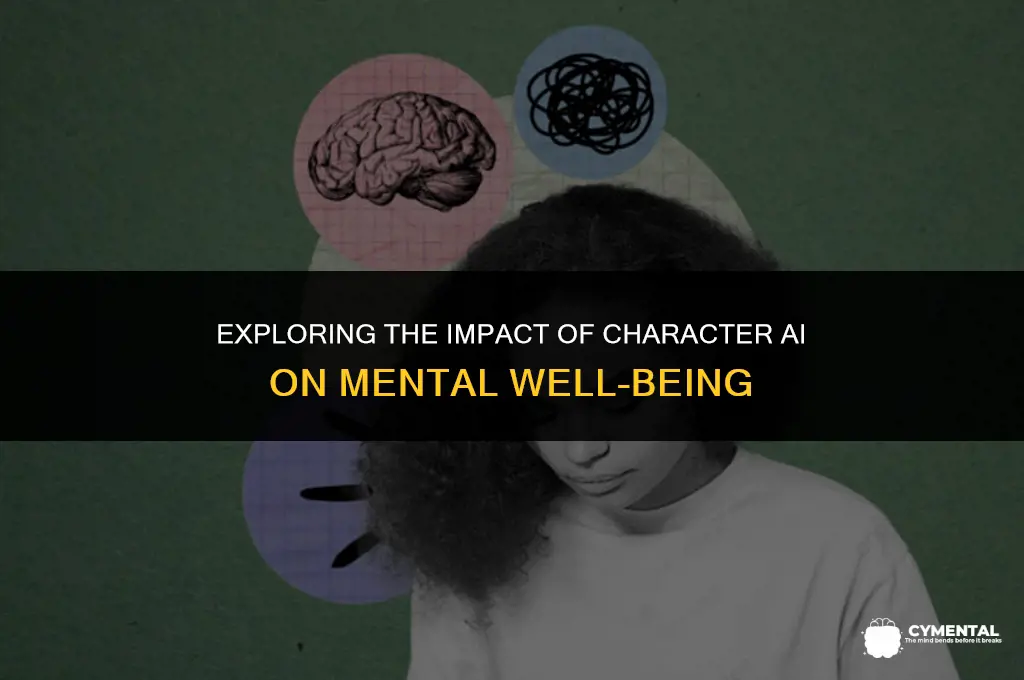
The rise of Character AI has sparked a fascinating debate about its impact on mental health. While these advanced language models offer unprecedented opportunities for creative expression and companionship, concerns have emerged regarding their potential negative effects. Some experts argue that the immersive nature of Character AI interactions can lead to emotional dependency, blurring the lines between virtual and real relationships. Others worry that the constant availability and responsiveness of these AI characters might exacerbate feelings of loneliness or social isolation. Additionally, the ability of Character AI to generate highly personalized and persuasive content raises questions about its influence on users' thoughts and behaviors. As we delve into this complex topic, it's essential to weigh the benefits of Character AI against its potential risks and consider how we can harness its power while safeguarding our mental well-being.
Explore related products


$5.99


$49.99 $49.99


What You'll Learn
- Social Isolation: Excessive use may lead to reduced face-to-face interactions, impacting social skills and relationships
- Addiction: The constant availability and engaging nature can foster addictive behaviors, affecting daily life balance
- Privacy Concerns: Sharing personal data with AI systems raises questions about data security and potential misuse
- Unrealistic Expectations: Interactions with AI might create unrealistic expectations about human behavior and relationships
- Emotional Dependency: Relying on AI for emotional support could hinder the development of self-coping mechanisms and emotional resilience

Social Isolation: Excessive use may lead to reduced face-to-face interactions, impacting social skills and relationships
Excessive engagement with character AI can significantly diminish the quality and frequency of face-to-face interactions, leading to social isolation. This reduction in in-person communication can have profound effects on an individual's social skills and relationships. Social skills, such as active listening, empathy, and non-verbal communication, are honed through regular human interaction. When these interactions are replaced by digital conversations, the development and maintenance of these skills can be hindered.
Furthermore, the reliance on AI for companionship can lead to a decline in the depth and authenticity of human relationships. Meaningful connections are built on shared experiences, emotional support, and the ability to navigate complex social situations—aspects that AI, despite its advancements, cannot fully replicate. The absence of these elements can result in feelings of loneliness and disconnection from others.
Research indicates that prolonged social isolation can have detrimental effects on mental health, including increased risk of depression, anxiety, and cognitive decline. It is crucial, therefore, to strike a balance between the use of AI and maintaining robust social connections. Limiting the time spent on AI interactions and prioritizing in-person communication can help mitigate the negative impacts on social skills and relationships.
In addition to setting boundaries on AI use, individuals can benefit from engaging in activities that promote social interaction, such as joining clubs, participating in community events, or volunteering. These activities not only provide opportunities for face-to-face communication but also foster a sense of belonging and purpose, which are essential for overall well-being.
Ultimately, while character AI can offer certain benefits, such as entertainment and companionship, it is important to be aware of its potential drawbacks. By being mindful of AI use and actively seeking out human connections, individuals can maintain a healthy balance between technology and social interaction, thereby safeguarding their mental health and relationships.
Exploring Women's Mental Health: Awareness, Advocacy, and Support
You may want to see also
Explore related products


Addiction: The constant availability and engaging nature can foster addictive behaviors, affecting daily life balance
The pervasive nature of Character AI, with its constant availability and engaging interactions, has raised concerns about its potential to foster addictive behaviors. Users may find themselves spending excessive amounts of time interacting with these AI characters, leading to an imbalance in their daily lives. This addiction can manifest in various ways, such as neglecting work or school responsibilities, social isolation, and even physical health issues due to prolonged periods of inactivity.
One of the key factors contributing to this addictive behavior is the AI's ability to provide instant gratification and personalized attention. Unlike human interactions, which may involve delays and varying levels of engagement, Character AI is always ready to respond, offering a consistent and tailored experience. This can create a sense of dependency, as users may come to rely on the AI for emotional support or entertainment, potentially leading to a decrease in face-to-face social interactions and other offline activities.
Furthermore, the gamification elements often present in Character AI platforms, such as points, badges, or leaderboards, can exacerbate addictive tendencies. These features are designed to encourage continued use and engagement, but they can also create a sense of compulsion, as users may feel driven to achieve certain goals or compete with others. This can result in a vicious cycle of increasing time spent on the platform, further disrupting the balance between online and offline life.
To mitigate these risks, it is essential for users to be aware of their own usage patterns and to set boundaries for their interactions with Character AI. This may involve limiting the amount of time spent on the platform, setting specific goals for offline activities, or seeking support from friends and family to maintain a healthy balance. Additionally, developers of Character AI platforms should consider implementing features that promote responsible use, such as usage tracking tools, reminders to take breaks, or options to temporarily deactivate accounts.
In conclusion, while Character AI can offer many benefits, including entertainment, emotional support, and educational opportunities, its addictive potential should not be overlooked. By understanding the factors that contribute to addiction and taking proactive steps to maintain a healthy balance, users can enjoy the positive aspects of Character AI while minimizing its negative impact on their mental health and daily lives.
Unraveling the Symbolism: Paper Clip Necklace and Mental Health Awareness
You may want to see also
Explore related products


Privacy Concerns: Sharing personal data with AI systems raises questions about data security and potential misuse
Sharing personal data with AI systems, such as those powering character AI, introduces significant privacy concerns. These systems often require vast amounts of data to function effectively, which can include sensitive information about users. The security of this data is paramount, as breaches could lead to identity theft, blackmail, or other forms of exploitation. Furthermore, there is the risk of data misuse, where the AI might use the information in ways that were not intended by the user, potentially leading to harmful outcomes.
One of the primary concerns is the lack of transparency in how AI systems handle user data. Many users are unaware of the extent to which their data is being collected, stored, and analyzed. This opacity makes it difficult for individuals to make informed decisions about their privacy. Additionally, the algorithms used by AI systems can be complex and difficult to understand, even for experts, which adds another layer of uncertainty regarding data handling practices.
Another issue is the potential for AI systems to infer more about users than they explicitly provide. Through sophisticated analysis, AI can deduce personal details, preferences, and even emotional states from seemingly innocuous interactions. This capability raises questions about the boundaries of privacy and the extent to which users are comfortable with AI making assumptions about them.
To mitigate these risks, it is essential to implement robust data protection measures. This includes encryption, secure storage, and strict access controls. Additionally, AI developers should prioritize transparency, providing clear explanations of how user data is used and offering users meaningful choices about their privacy. Users, in turn, should be vigilant about the information they share with AI systems and should take advantage of privacy settings and tools designed to protect their data.
Ultimately, the benefits of AI technology must be weighed against the potential privacy risks. While AI has the potential to revolutionize many aspects of life, including mental health support, it is crucial to ensure that user privacy is not compromised in the process. By addressing these concerns proactively, we can harness the power of AI while safeguarding the personal data of those who use it.
Exploring the Role of a Mental Health Case Manager: A Comprehensive Guide
You may want to see also
Explore related products


Unrealistic Expectations: Interactions with AI might create unrealistic expectations about human behavior and relationships
AI characters, designed to simulate human-like interactions, can inadvertently set unrealistic standards for human behavior and relationships. This phenomenon occurs when users begin to expect real people to exhibit the same level of responsiveness, consistency, and understanding as their AI counterparts. For instance, an AI character might provide instant, empathetic responses to a user's emotional distress, leading the user to anticipate similar reactions from human friends or partners. When real people, with their own emotional complexities and limitations, fail to meet these heightened expectations, it can result in feelings of disappointment, frustration, or even betrayal.
The issue is further compounded by the fact that AI characters are often programmed to be overly accommodating and agreeable, reinforcing the notion that such behavior is the norm. This can lead to a skewed perception of healthy relationships, where compromise and disagreement are essential components. Users may find themselves seeking an idealized version of human connection that doesn't exist, potentially leading to social isolation or dissatisfaction with real-life interactions.
Moreover, the constant availability and attentiveness of AI characters can create an unrealistic expectation of perpetual engagement. In contrast, human relationships require time, effort, and often involve periods of absence or disconnection. This discrepancy can make it challenging for individuals to adapt to the natural ebb and flow of human interactions, potentially exacerbating anxiety or feelings of loneliness.
To mitigate these effects, it's crucial for users to maintain a clear distinction between AI interactions and real-life relationships. Setting realistic expectations and understanding the limitations of both AI and human companions can help prevent the disappointment and frustration that arises from unrealistic standards. Additionally, fostering open communication and empathy in human relationships can help bridge the gap created by AI-driven expectations, promoting healthier and more fulfilling connections.
Understanding Psychological Trauma: A Behavioral Health Perspective
You may want to see also
Explore related products



$6.79 $14.99



Emotional Dependency: Relying on AI for emotional support could hinder the development of self-coping mechanisms and emotional resilience
Relying on AI for emotional support can have unintended consequences on an individual's mental health. While AI-powered chatbots and virtual assistants may provide immediate comfort and companionship, they can also hinder the development of self-coping mechanisms and emotional resilience. This is because AI systems are designed to respond to user inputs in a predetermined manner, often lacking the nuance and empathy of human interaction. As a result, users may become overly reliant on AI for emotional validation, leading to a diminished ability to self-soothe and navigate complex emotions independently.
Furthermore, the constant availability of AI emotional support can create an unrealistic expectation of instant gratification and problem-solving. This can lead to frustration and disappointment when faced with real-world situations that require time, effort, and patience to resolve. Additionally, the lack of human connection in AI interactions can exacerbate feelings of loneliness and isolation, despite the illusion of constant companionship.
To mitigate these risks, it is essential to establish boundaries and limitations when using AI for emotional support. Users should be aware of the potential pitfalls and actively work to maintain a balance between AI interaction and human connection. This may involve setting specific times for AI use, engaging in other forms of self-care and emotional regulation, and seeking support from friends, family, or mental health professionals when needed.
Ultimately, while AI can be a valuable tool for emotional support, it is crucial to recognize its limitations and potential drawbacks. By using AI in a mindful and balanced manner, individuals can harness its benefits while minimizing the risk of emotional dependency and its associated negative impacts on mental health.
Exploring Advanced Mental Health Services: A Comprehensive Guide
You may want to see also
Frequently asked questions
Character AI is a type of artificial intelligence designed to simulate human-like conversations and interactions. It often takes the form of chatbots or virtual assistants that can engage in dialogue, respond to messages, and even exhibit personality traits. These AI systems are programmed to learn from user interactions, adapting their responses to better mimic human communication over time.
While Character AI can provide entertainment and companionship, there are concerns about its potential negative impact on mental health. Some users may develop emotional attachments to AI characters, leading to feelings of loneliness or isolation when the interaction ends. Additionally, the constant availability and responsiveness of AI can create unrealistic expectations for human relationships, potentially exacerbating social anxiety or depression.
Yes, Character AI can also offer several benefits for mental health. For example, it can provide a safe space for users to express their feelings and thoughts without fear of judgment. AI-powered chatbots can also offer immediate support and resources for individuals in crisis, helping to bridge the gap between traditional therapy sessions. Furthermore, some AI systems are designed to promote mindfulness, relaxation, and stress reduction through guided exercises and meditations.
To minimize the negative impact of Character AI on mental health, users can take several steps. First, it's important to set boundaries and limit the amount of time spent interacting with AI systems. Users should also be aware of the potential for emotional attachment and try to maintain a healthy perspective on these interactions. Additionally, seeking support from real-life friends, family, or mental health professionals can help to balance the use of AI and promote overall well-being.
The use of Character AI in mental health applications raises several ethical concerns. One major issue is the potential for AI systems to collect and store sensitive personal data, which could be misused or breached. There's also the question of informed consent, as users may not fully understand the implications of sharing their thoughts and feelings with an AI system. Furthermore, the reliance on AI for mental health support could lead to a reduction in human-provided services, potentially exacerbating existing disparities in mental health care access.