Ava Ramirez
Depakote, also known by its generic name valproate, is a medication commonly used in the treatment of mental health conditions. It is primarily prescribed as a mood stabilizer for individuals with bipolar disorder, helping to manage manic episodes and prevent depressive episodes. Additionally, Depakote may be used to treat other psychiatric conditions such as schizophrenia and major depressive disorder. Its mechanism of action involves increasing the levels of certain neurotransmitters in the brain, such as gamma-aminobutyric acid (GABA), which helps to regulate mood and reduce symptoms of anxiety and agitation. While Depakote can be an effective treatment option, it is important for individuals to be aware of potential side effects and to consult with a healthcare professional to determine if this medication is appropriate for their specific needs.
Explore related products



What You'll Learn
- Mood Stabilization: Depakote helps regulate mood swings in bipolar disorder, reducing manic and depressive episodes
- Anticonvulsant Properties: Primarily used to prevent seizures, Depakote's anticonvulsant effects can also aid in mood stability
- Psychiatric Medication Augmentation: Depakote can be added to other psychiatric medications to enhance their effectiveness
- Impulse Control: It may help manage impulsive behaviors associated with certain mental health conditions
- Neuroprotection: Some studies suggest Depakote could have neuroprotective properties, potentially benefiting cognitive function

Mood Stabilization: Depakote helps regulate mood swings in bipolar disorder, reducing manic and depressive episodes
Depakote, also known by its generic name valproate, is primarily recognized for its role in mood stabilization, particularly in the management of bipolar disorder. This medication works by influencing the levels of certain neurotransmitters in the brain, such as gamma-aminobutyric acid (GABA), which helps to calm the brain and reduce abnormal electrical activity. By modulating these neurotransmitter levels, Depakote can effectively regulate mood swings, thereby reducing the frequency and severity of both manic and depressive episodes in individuals with bipolar disorder.
One of the key benefits of Depakote is its ability to provide long-term mood stabilization. Unlike some other medications that may only address acute symptoms, Depakote is designed to be taken over extended periods to maintain a stable mood. This is particularly important for individuals with bipolar disorder, who often experience recurring episodes of mania and depression. By taking Depakote regularly, patients can reduce the risk of these episodes occurring, leading to a more stable and manageable condition.
In addition to its use in bipolar disorder, Depakote is also sometimes prescribed for other mental health conditions that involve mood instability, such as borderline personality disorder. In these cases, the medication can help to reduce emotional reactivity and impulsivity, which are common symptoms of the disorder. However, it is important to note that the use of Depakote for these conditions is typically off-label, meaning that it has not been officially approved by regulatory agencies for these specific uses.
When considering the use of Depakote for mood stabilization, it is crucial to be aware of the potential side effects and risks associated with the medication. Common side effects include weight gain, tremors, and gastrointestinal issues such as nausea and vomiting. More serious side effects can include liver damage, pancreatitis, and an increased risk of suicidal thoughts or behaviors. Therefore, it is essential for individuals taking Depakote to be closely monitored by their healthcare provider to ensure that the benefits of the medication outweigh the risks.
In conclusion, Depakote is a valuable tool in the management of mood disorders, particularly bipolar disorder. Its ability to regulate mood swings and reduce the frequency of manic and depressive episodes can significantly improve the quality of life for individuals with these conditions. However, it is important to approach the use of Depakote with caution, given its potential side effects and risks. Close monitoring and regular communication with a healthcare provider are essential to ensure safe and effective treatment.
Unraveling the Costs: Who Bears the Burden of Court-Ordered Mental Health Evaluations?
You may want to see also
Explore related products


Anticonvulsant Properties: Primarily used to prevent seizures, Depakote's anticonvulsant effects can also aid in mood stability
Depakote, known generically as valproate, is primarily recognized for its anticonvulsant properties, making it a staple in the treatment of epilepsy. However, its utility extends beyond seizure control, particularly in the realm of mental health. The drug's anticonvulsant effects have been found to contribute to mood stability, offering a therapeutic benefit for individuals grappling with bipolar disorder.
In bipolar disorder, mood stabilizers like Depakote play a crucial role in managing the extreme highs and lows associated with the condition. The anticonvulsant properties of Depakote are believed to help regulate the electrical activity in the brain, which can mitigate the severity and frequency of mood swings. This stabilizing effect can be particularly beneficial during manic episodes, where the risk of seizure-like activity may be heightened.
Clinical studies have demonstrated the efficacy of Depakote in reducing the symptoms of mania and preventing the recurrence of manic episodes. It is often used in combination with other medications, such as antipsychotics, to provide comprehensive treatment for bipolar disorder. The drug's ability to modulate neurotransmitter activity, particularly GABA (gamma-aminobutyric acid), is thought to contribute to its mood-stabilizing effects.
When prescribed for mood stability, the dosage of Depakote typically ranges from 750 mg to 2000 mg per day, divided into two or three doses. It is important to note that the drug levels in the blood should be monitored regularly to ensure therapeutic efficacy and minimize the risk of side effects. Common side effects of Depakote include nausea, vomiting, diarrhea, and weight gain. More serious side effects, such as liver damage and blood disorders, can occur, necessitating close medical supervision.
In conclusion, while Depakote is primarily known for its anticonvulsant properties, its role in promoting mood stability makes it a valuable tool in the treatment of bipolar disorder. By leveraging its ability to regulate brain activity and modulate neurotransmitters, Depakote can help individuals with bipolar disorder achieve a more stable and manageable emotional state.
Mind and Body Balance: Why Mental Health Matters Equally
You may want to see also
Explore related products


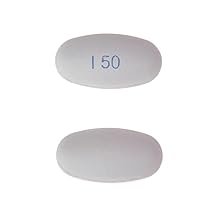

Psychiatric Medication Augmentation: Depakote can be added to other psychiatric medications to enhance their effectiveness
Depakote, known generically as valproate, is a versatile medication frequently used in the realm of mental health. While it is primarily recognized for its role in treating bipolar disorder and preventing manic episodes, its applications extend beyond this. One significant use of Depakote is as an augmentation strategy for other psychiatric medications. This approach involves adding Depakote to an existing medication regimen to enhance overall effectiveness, particularly when the primary treatment has not yielded satisfactory results on its own.
In the context of psychiatric medication augmentation, Depakote can be a valuable addition to antidepressants, antipsychotics, and mood stabilizers. For instance, when used in conjunction with selective serotonin reuptake inhibitors (SSRIs) for major depressive disorder, Depakote may help improve mood stability and reduce the risk of manic episodes, especially in patients with a history of bipolar disorder or those experiencing treatment-resistant depression.
The mechanism behind Depakote's augmentation effect lies in its ability to modulate neurotransmitter activity in the brain. By inhibiting the reuptake of certain neurotransmitters and enhancing the release of others, Depakote can help restore a more balanced neurochemical environment, thereby augmenting the effects of other psychiatric medications. This synergistic action can lead to improved symptom management and better overall outcomes for patients.
When considering Depakote for augmentation therapy, it is crucial to carefully evaluate the patient's medical history, current medication regimen, and potential risk factors. Depakote has a range of side effects, including liver toxicity, weight gain, and cognitive impairment, which must be weighed against its potential benefits. Additionally, close monitoring of blood levels is necessary to ensure therapeutic efficacy while minimizing the risk of adverse effects.
In conclusion, Depakote's role in psychiatric medication augmentation represents a valuable tool in the treatment of mental health disorders. By enhancing the effectiveness of other medications, Depakote can help clinicians achieve better outcomes for their patients, particularly those with complex or treatment-resistant conditions. However, its use requires careful consideration of the patient's individual needs and a thorough understanding of its potential risks and benefits.
Exploring the Role of Clinical Mental Health Counselors: A Comprehensive Guide
You may want to see also
Impulse Control: It may help manage impulsive behaviors associated with certain mental health conditions
Depakote, a medication primarily used to treat epilepsy and bipolar disorder, has been found to be effective in managing impulsive behaviors associated with certain mental health conditions. Impulsivity is a common symptom in various psychiatric disorders, including attention deficit hyperactivity disorder (ADHD), borderline personality disorder, and antisocial personality disorder. It is characterized by the inability to resist the urge to act on impulses, which can lead to harmful consequences such as substance abuse, risky sexual behavior, and aggressive outbursts.
Research has shown that Depakote can help reduce impulsivity by modulating neurotransmitter activity in the brain, particularly by increasing the levels of gamma-aminobutyric acid (GABA), an inhibitory neurotransmitter. This can lead to a calming effect on the brain, which in turn can help individuals better control their impulses. In a study published in the Journal of Clinical Psychopharmacology, Depakote was found to significantly reduce impulsive behaviors in patients with ADHD compared to a placebo.
The medication is typically taken orally, with dosages ranging from 250 mg to 1000 mg per day, depending on the individual's condition and response to treatment. It is important to note that Depakote can have serious side effects, including liver damage, pancreatitis, and birth defects, so it should only be used under the close supervision of a healthcare provider. Additionally, it may take several weeks for the medication to reach its full therapeutic effect, so patience and consistent use are essential.
In conclusion, Depakote can be a valuable tool in managing impulsive behaviors associated with certain mental health conditions. By modulating neurotransmitter activity in the brain, it can help individuals better control their impulses and reduce the risk of harmful consequences. However, it is important to carefully consider the potential side effects and to use the medication only under the guidance of a healthcare provider.
Exploring the Earning Potential of Mental Health Nurse Practitioners
You may want to see also
Neuroprotection: Some studies suggest Depakote could have neuroprotective properties, potentially benefiting cognitive function
Depakote, a medication primarily known for its anticonvulsant properties, has been the subject of interest in the realm of mental health due to its potential neuroprotective effects. Neuroprotection refers to the preservation of neuronal structure and function, which is crucial in maintaining cognitive abilities. Research suggests that Depakote may play a role in safeguarding neurons against damage, which could have significant implications for cognitive health.
Studies have indicated that Depakote might benefit cognitive function by reducing neuronal excitotoxicity, a process where neurons are damaged or killed by excessive excitation. This medication appears to modulate the activity of certain neurotransmitters, such as glutamate, which is involved in excitotoxicity. By potentially mitigating this harmful process, Depakote could help in preserving cognitive abilities, particularly in conditions where neuronal damage is a concern.
The neuroprotective properties of Depakote could be particularly beneficial in the context of aging and neurodegenerative diseases. As individuals age, there is a natural decline in cognitive function, which can be exacerbated by conditions such as Alzheimer's disease. Depakote's ability to protect neurons might help in slowing down this decline, offering a potential therapeutic approach for maintaining cognitive health in older adults.
Furthermore, Depakote's neuroprotective effects might also be relevant in the treatment of mental health disorders characterized by cognitive impairment, such as bipolar disorder. By protecting neurons and supporting cognitive function, Depakote could potentially enhance the overall treatment outcomes for individuals with such disorders.
It is important to note that while the potential neuroprotective properties of Depakote are promising, more research is needed to fully understand its effects on cognitive function. Clinical trials and further studies will be crucial in determining the efficacy and safety of Depakote in this context. As with any medication, it is essential to consult with a healthcare professional to discuss the potential benefits and risks associated with its use.
Exploring the Most Widely Used Classification Systems in Mental Health
You may want to see also
Frequently asked questions
Depakote, also known as valproate, is primarily used as a mood stabilizer in mental health treatment. It is often prescribed to help manage symptoms of bipolar disorder, including manic and depressive episodes.
Yes, Depakote can also be used to treat other mental health conditions such as major depressive disorder and anxiety disorders. It may be prescribed off-label for these conditions when other treatments have not been effective.
Common side effects of Depakote include drowsiness, dizziness, nausea, vomiting, and weight gain. It can also cause more serious side effects such as liver damage, pancreatitis, and blood clotting disorders. It is important for patients to discuss the potential risks and benefits of Depakote with their healthcare provider.