Harper Lewis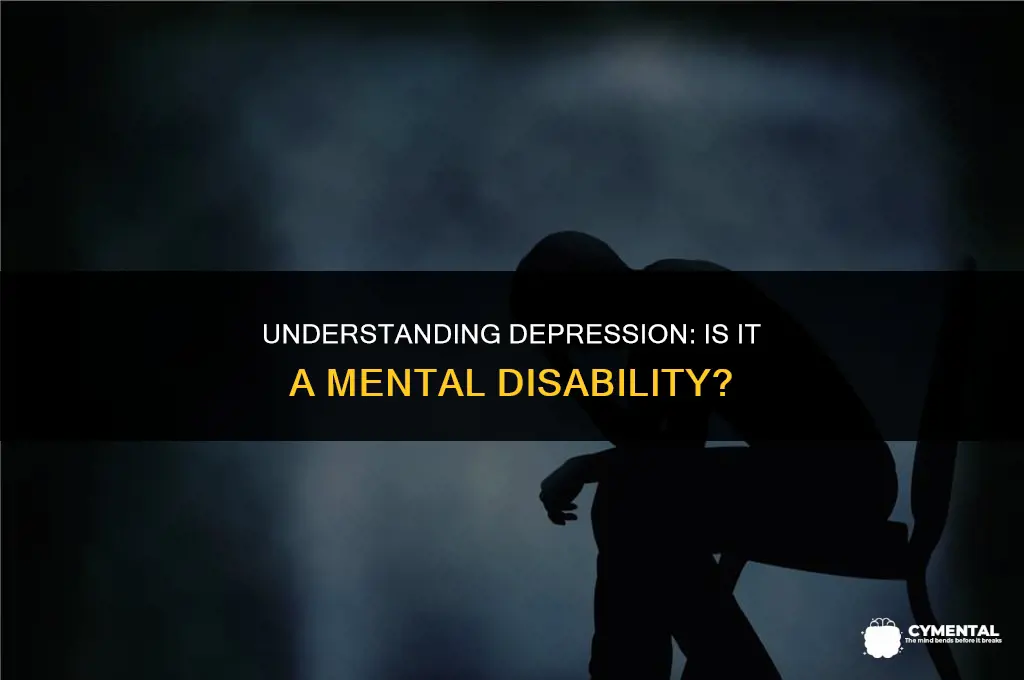
Depression is a complex mental health condition that affects millions of people worldwide. While it is often discussed in terms of its emotional impact, there is ongoing debate about whether depression should be classified as a mental disability. This discussion involves understanding the nature of depression, its effects on daily functioning, and the legal and social implications of labeling it as a disability. By exploring these aspects, we can gain a deeper insight into the challenges faced by individuals with depression and the support they may require.
| Characteristics | Values |
|---|---|
| Definition | Depression is a common mental disorder characterized by persistent feelings of sadness, hopelessness, and a lack of interest or pleasure in activities. |
| Symptoms | Symptoms include low mood, loss of interest in activities, changes in appetite, sleep disturbances, fatigue, feelings of worthlessness, and recurrent thoughts of death or suicide. |
| Causes | It can be caused by a combination of genetic, environmental, and psychological factors. Stressful life events, brain chemistry imbalances, and certain medications can also contribute. |
| Diagnosis | Diagnosed by a healthcare professional through a combination of physical exams, interviews, and questionnaires to assess symptoms and rule out other conditions. |
| Treatment | Treatment options include antidepressant medications, psychotherapy (such as cognitive-behavioral therapy), lifestyle changes, and in some cases, electroconvulsive therapy. |
| Prognosis | With appropriate treatment, most people with depression can achieve remission of symptoms. However, it may recur, and ongoing treatment may be necessary to prevent relapses. |
| Impact on Daily Life | Depression can significantly impact daily functioning, relationships, work, and overall quality of life. It can lead to social isolation, decreased productivity, and an increased risk of suicide. |
| Legal Protections | In many countries, depression is recognized as a disability under mental health laws, providing individuals with legal protections against discrimination in employment, education, and other areas. |
| Social Stigma | Despite being a common condition, depression is often stigmatized, leading to feelings of shame and reluctance to seek help among those affected. |
| Research and Awareness | Ongoing research aims to improve understanding, diagnosis, and treatment of depression. Awareness campaigns work to reduce stigma and encourage individuals to seek support. |
| Support Resources | Various resources are available, including mental health hotlines, support groups, online forums, and educational materials to help individuals manage their condition and find support. |
| Comorbid Conditions | Depression often co-occurs with other mental health conditions such as anxiety disorders, substance abuse, and eating disorders, which can complicate diagnosis and treatment. |
| Prevention | While not always preventable, maintaining a healthy lifestyle, managing stress, and seeking early intervention for symptoms can help reduce the risk of developing depression. |
| Cultural Perspectives | Cultural factors can influence the expression and perception of depression. Different cultures may have varying attitudes towards mental health and treatment approaches. |
| Economic Impact | Depression has significant economic costs due to lost productivity, increased healthcare utilization, and the burden on caregivers and families. |
Explore related products


$13.93 $14.95

$6.79 $14.99


What You'll Learn
- Definition and Diagnosis: Understanding depression as a mental health condition and its clinical diagnosis
- Symptoms and Impact: Exploring the symptoms of depression and how it affects daily life and functioning
- Treatment Options: Discussing various treatment approaches, including therapy, medication, and lifestyle changes
- Legal Protections: Examining the legal rights and protections afforded to individuals with depression under disability laws
- Social Stigma and Awareness: Addressing the societal perceptions of depression and efforts to raise awareness and reduce stigma

Definition and Diagnosis: Understanding depression as a mental health condition and its clinical diagnosis
Depression is a complex mental health condition characterized by persistent feelings of sadness, loss of interest, and a lack of motivation. It is not merely a fleeting emotional state but a chronic disorder that can significantly impact an individual's daily functioning and overall well-being. Clinically, depression is diagnosed based on a set of criteria outlined in the Diagnostic and Statistical Manual of Mental Disorders (DSM-5). These criteria include the presence of at least five symptoms, such as depressed mood, diminished interest in activities, significant weight loss or gain, insomnia or hypersomnia, psychomotor agitation or retardation, fatigue, feelings of worthlessness, diminished ability to think or concentrate, and recurrent thoughts of death or suicide.
The diagnosis of depression involves a comprehensive evaluation by a mental health professional, who will consider the individual's symptoms, medical history, and any potential underlying causes. This evaluation may include a physical examination, laboratory tests, and a psychological assessment. It is essential to rule out other medical conditions that could be contributing to the symptoms, such as thyroid disorders, vitamin deficiencies, or chronic pain. Once a diagnosis of depression is made, the mental health professional will determine the severity of the condition and develop an appropriate treatment plan, which may include medication, psychotherapy, or a combination of both.
Understanding depression as a mental health condition is crucial for reducing stigma and promoting early intervention. Depression can affect anyone, regardless of age, gender, or socioeconomic status. It is not a sign of weakness or a character flaw but a treatable medical condition. With proper diagnosis and treatment, individuals with depression can lead fulfilling and productive lives. However, untreated depression can lead to serious complications, including substance abuse, social isolation, and even suicide. Therefore, it is essential to seek professional help if you or someone you know is experiencing symptoms of depression.
In conclusion, depression is a significant mental health condition that requires a thorough understanding and accurate diagnosis. By recognizing the symptoms and seeking professional help, individuals can receive the necessary treatment to manage their condition and improve their quality of life. It is crucial to approach depression with empathy and compassion, rather than judgment or stigma, to ensure that those affected can access the support and resources they need to recover.
Unraveling the Mental Toughness: Which Sport Takes the Crown?
You may want to see also
Explore related products


$10.99 $18.99



Symptoms and Impact: Exploring the symptoms of depression and how it affects daily life and functioning
Depression manifests through a myriad of symptoms that can significantly disrupt daily life and functioning. One of the primary symptoms is a persistent feeling of sadness or emptiness, which can lead to a loss of interest in activities once enjoyed. This emotional numbness can make even simple tasks feel overwhelming, resulting in decreased productivity and efficiency at work or school. Social interactions may also become strained as individuals with depression often withdraw from friends and family, preferring isolation over companionship.
Another critical symptom of depression is the presence of suicidal thoughts or behaviors. These ideations can range from fleeting thoughts to detailed plans, and they represent a severe risk to the individual's well-being. The impact of such thoughts can be paralyzing, causing constant fear and anxiety about the future. In addition to suicidal ideation, depression can also lead to self-harming behaviors as a coping mechanism for the intense emotional pain experienced.
Physical symptoms are also common in depression, including chronic fatigue, changes in appetite, and sleep disturbances. These physical manifestations can further exacerbate the mental health challenges, creating a vicious cycle of worsening symptoms. For instance, lack of sleep can impair cognitive function, making it difficult to concentrate and make decisions, which in turn can lead to increased stress and anxiety.
Depression can also affect cognitive functioning, leading to difficulties with memory, attention, and decision-making. These cognitive impairments can make it challenging to perform complex tasks, such as managing finances or navigating social situations. Over time, these challenges can lead to a decline in overall life satisfaction and a sense of hopelessness about the future.
In conclusion, the symptoms of depression are multifaceted and can have a profound impact on various aspects of daily life and functioning. From emotional distress to physical ailments and cognitive impairments, depression can significantly hinder an individual's ability to lead a fulfilling and productive life. Recognizing these symptoms and seeking appropriate treatment is crucial in managing the condition and improving overall well-being.
Unraveling the Myths: Understanding Mental Breakdowns in Modern Life
You may want to see also
Explore related products


Treatment Options: Discussing various treatment approaches, including therapy, medication, and lifestyle changes
Depression, a pervasive mental health condition, can significantly impact an individual's quality of life. While it is not classified as a mental disability in the traditional sense, it can lead to substantial functional impairments. Treatment options for depression are multifaceted, encompassing various approaches tailored to the individual's needs.
One primary treatment modality is psychotherapy, commonly referred to as talk therapy. Cognitive-behavioral therapy (CBT) is a widely used form of psychotherapy that helps individuals identify and change negative thought patterns and behaviors contributing to their depression. CBT typically involves weekly sessions with a trained therapist, focusing on practical skills and strategies to manage symptoms.
Medication is another cornerstone of depression treatment. Antidepressants, such as selective serotonin reuptake inhibitors (SSRIs), work by balancing neurotransmitters in the brain that regulate mood. It is crucial to consult a healthcare professional to determine the appropriate medication and dosage, as well as to monitor potential side effects. Medication management often involves a period of trial and adjustment to find the most effective treatment.
Lifestyle changes can also play a significant role in managing depression. Regular physical activity, a balanced diet, and adequate sleep are essential components of a healthy lifestyle that can positively impact mood. Mindfulness practices, such as meditation and yoga, have shown promise in reducing symptoms of depression by promoting relaxation and stress reduction.
In addition to these conventional treatments, alternative therapies like acupuncture, herbal supplements, and light therapy may offer benefits for some individuals. However, it is important to approach these options with caution and consult a healthcare professional before incorporating them into a treatment plan.
Ultimately, the most effective treatment for depression often involves a combination of these approaches, tailored to the individual's unique needs and circumstances. Seeking professional help is the first step towards developing a comprehensive treatment plan that can lead to symptom management and improved quality of life.
Reboot Your Mind: Strategies for Mental Renewal and Balance
You may want to see also
Explore related products


Legal Protections: Examining the legal rights and protections afforded to individuals with depression under disability laws
Individuals with depression are afforded certain legal rights and protections under disability laws, which vary by country and jurisdiction. In the United States, for example, the Americans with Disabilities Act (ADA) prohibits discrimination against individuals with disabilities, including mental health conditions like depression, in various aspects of life such as employment, education, and public accommodations.
To qualify for these protections, an individual's depression must be considered a disability, which typically means it must substantially limit one or more major life activities. This determination is made on a case-by-case basis and may require medical documentation and expert testimony.
Once an individual is determined to have a disability, they are entitled to reasonable accommodations to help them perform their job or access services. These accommodations might include modified work schedules, access to mental health services, or changes to the physical environment. Employers and service providers are required to provide these accommodations unless they can demonstrate that doing so would cause undue hardship.
In addition to the ADA, there are other laws and regulations that provide protections for individuals with depression. For example, the Family and Medical Leave Act (FMLA) allows eligible employees to take unpaid leave for medical reasons, including mental health conditions. The Affordable Care Act (ACA) also requires health insurance plans to cover mental health services, including treatment for depression.
It's important to note that while these legal protections are in place, there is still a significant stigma surrounding mental health conditions like depression. This stigma can lead to discrimination and barriers to accessing services, even for individuals who are legally protected. As a result, it's crucial for individuals with depression to be aware of their rights and to advocate for themselves in order to receive the accommodations and support they need.
Exploring In-Service Education: Enhancing Skills Within the Workplace
You may want to see also
Explore related products


Social Stigma and Awareness: Addressing the societal perceptions of depression and efforts to raise awareness and reduce stigma
Depression, despite being a prevalent mental health condition, is often shrouded in stigma and misunderstanding. This societal perception can significantly hinder individuals from seeking help and receiving the support they need. Addressing and dismantling this stigma is crucial in promoting mental health awareness and encouraging those affected to come forward.
One of the primary challenges in combating the stigma associated with depression is the lack of education and awareness among the general public. Many people still view mental health issues as a sign of weakness or a personal failing, rather than recognizing them as legitimate medical conditions. To counter this, various organizations and campaigns have been launched to educate the public about the realities of depression, its symptoms, and its treatments. These initiatives aim to humanize the condition and show that it can affect anyone, regardless of their background or circumstances.
Another important aspect of reducing stigma is the role of language. The way we talk about depression can have a significant impact on how it is perceived. Using person-first language, such as "person with depression" instead of "depressed person," can help to avoid labeling and promote a more compassionate understanding. Additionally, avoiding sensationalist or stigmatizing language in media and everyday conversations can contribute to a more supportive environment for those struggling with depression.
Efforts to raise awareness and reduce stigma also involve engaging with communities and promoting open dialogue about mental health. This can include organizing events, workshops, and support groups where individuals can share their experiences and learn from one another. By creating safe spaces for these conversations, we can help to break down the barriers that prevent people from seeking help and foster a sense of community and understanding.
In conclusion, addressing the societal perceptions of depression and working to reduce stigma is an ongoing process that requires education, awareness, and open dialogue. By challenging misconceptions and promoting a more compassionate understanding of mental health, we can create a society that supports and uplifts those affected by depression.
Preparing Your Mind: A Guide to Mental Readiness for Incarceration
You may want to see also
Frequently asked questions
Yes, depression is considered a mental disability. It is a serious mental health condition that can significantly impact a person's daily life, ability to work, and overall well-being.
Depression can affect a person's ability to work in several ways. It can cause difficulty concentrating, remembering things, and making decisions. It can also lead to physical symptoms like fatigue and pain, which can make it hard to perform job tasks. Additionally, depression can impact a person's motivation and interest in work, leading to decreased productivity and performance.
Common treatments for depression include antidepressant medications, psychotherapy (talk therapy), and lifestyle changes. Antidepressants can help balance chemicals in the brain that affect mood, while psychotherapy can help individuals identify and change negative thought patterns and behaviors. Lifestyle changes, such as regular exercise, a healthy diet, and stress management techniques, can also be beneficial in managing depression symptoms.