Harper Lewis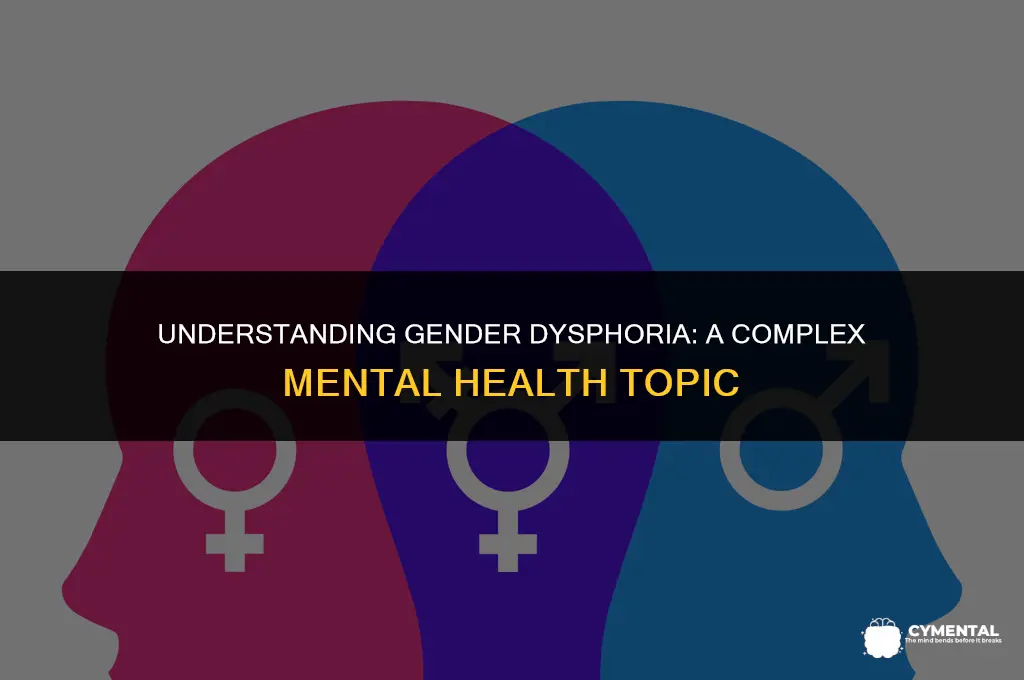
Gender dysphoria is a condition characterized by a persistent feeling of distress or discomfort with one's assigned gender. It is recognized by major medical organizations, including the American Psychiatric Association, as a diagnosable condition. However, whether it should be classified as a mental illness is a topic of ongoing debate. Some argue that it is a natural variation of gender identity and should not be pathologized, while others maintain that it meets the criteria for a mental disorder due to the significant distress it can cause. Understanding gender dysphoria requires a nuanced approach that considers both the psychological and sociocultural factors influencing gender identity.
Explore related products


What You'll Learn
- Definition and Diagnosis: Understanding gender dysphoria, its symptoms, and the criteria for diagnosis
- Causes and Risk Factors: Exploring potential biological, social, and psychological factors contributing to gender dysphoria
- Treatment Options: Discussing various therapeutic approaches, including hormone therapy, counseling, and support groups
- Societal Perspectives: Examining cultural and societal views on gender dysphoria, including stigma and acceptance
- Legal and Policy Issues: Analyzing laws and policies affecting individuals with gender dysphoria, such as healthcare access and discrimination protections

Definition and Diagnosis: Understanding gender dysphoria, its symptoms, and the criteria for diagnosis
Gender dysphoria is a condition characterized by a persistent sense of discomfort or distress that occurs when an individual's gender identity differs from the sex they were assigned at birth. This condition can manifest in various ways and is often accompanied by a strong desire to change one's physical appearance or social role to align with their gender identity. Understanding the symptoms and diagnostic criteria of gender dysphoria is crucial for providing appropriate support and treatment to those who experience it.
The symptoms of gender dysphoria can vary widely among individuals but often include feelings of anxiety, depression, and social isolation. Some people may experience a deep sense of incongruence between their body and their gender identity, which can lead to avoidance of certain activities or social situations. In children, symptoms may include a preference for playing with toys or engaging in activities typically associated with the opposite gender, as well as a desire to wear clothing or hairstyles that do not conform to traditional gender norms.
Diagnosing gender dysphoria typically involves a thorough evaluation by a mental health professional, who will assess the individual's symptoms, medical history, and personal experiences. The Diagnostic and Statistical Manual of Mental Disorders (DSM-5) provides specific criteria for diagnosing gender dysphoria, which include a persistent sense of distress or discomfort related to one's gender identity, a strong desire to change one's gender expression or physical appearance, and significant impairment in social, occupational, or other areas of functioning.
It is important to note that gender dysphoria is not the same as gender nonconformity, which refers to behaviors or expressions that do not align with traditional gender norms but do not necessarily cause distress or impairment. Gender dysphoria is also distinct from other mental health conditions, such as depression or anxiety, although these conditions may co-occur with gender dysphoria.
Treatment for gender dysphoria often involves a multidisciplinary approach, which may include psychotherapy, hormone therapy, and in some cases, gender-affirming surgeries. The goal of treatment is to help individuals alleviate their distress and improve their overall quality of life by aligning their physical appearance and social role with their gender identity.
In conclusion, understanding the definition, symptoms, and diagnostic criteria of gender dysphoria is essential for providing effective support and treatment to those who experience it. By recognizing the unique challenges faced by individuals with gender dysphoria and offering appropriate care, we can help promote their well-being and improve their ability to live authentic, fulfilling lives.
Harmonizing Mind and Body: A Holistic Approach to Well-being
You may want to see also
Explore related products


Causes and Risk Factors: Exploring potential biological, social, and psychological factors contributing to gender dysphoria
Gender dysphoria, a condition characterized by a persistent sense of discomfort with one's assigned gender, is influenced by a complex interplay of biological, social, and psychological factors. Research suggests that biological factors, such as hormonal imbalances during fetal development, may contribute to the development of gender dysphoria. For instance, studies have shown that exposure to atypical levels of sex hormones in utero can affect the development of gender identity.
Social factors also play a significant role in the development of gender dysphoria. Societal expectations and norms regarding gender roles and expressions can create a sense of incongruence for individuals whose gender identity does not align with these expectations. Discrimination, stigma, and lack of acceptance from family and peers can exacerbate feelings of dysphoria and negatively impact mental health.
Psychological factors, such as anxiety, depression, and trauma, can also contribute to the development of gender dysphoria. Individuals with gender dysphoria may experience higher rates of mental health issues, which can be both a cause and a consequence of their dysphoria. Furthermore, the stress associated with hiding one's gender identity or facing discrimination can lead to the development of psychological distress.
It is important to note that gender dysphoria is not caused by any single factor, but rather by a combination of biological, social, and psychological influences. Understanding these factors can help inform treatment approaches and support strategies for individuals experiencing gender dysphoria.
In conclusion, exploring the causes and risk factors of gender dysphoria requires a comprehensive approach that considers the interplay of biological, social, and psychological factors. By understanding these factors, we can better support individuals with gender dysphoria and work towards creating a more inclusive and accepting society.
Unlocking Your Inner Child: Discover Your Mental Age Today!
You may want to see also
Treatment Options: Discussing various therapeutic approaches, including hormone therapy, counseling, and support groups
Individuals experiencing gender dysphoria have several therapeutic options available to them. One of the most common approaches is hormone therapy, which involves the administration of hormones to align the body's characteristics with the individual's gender identity. This can include testosterone for those transitioning from female to male, and estrogen for those transitioning from male to female. Hormone therapy can be highly effective in reducing dysphoria, but it is important to note that it is a long-term commitment and may have side effects.
Counseling is another crucial component of treatment for gender dysphoria. A qualified therapist can help individuals explore their gender identity, understand their feelings, and develop coping strategies for dealing with dysphoria. Counseling can also be beneficial for family members and friends who may be struggling to understand and support their loved one. In addition to individual therapy, group therapy can provide a sense of community and support for those navigating gender dysphoria.
Support groups are another valuable resource for individuals with gender dysphoria. These groups provide a safe and supportive environment where individuals can share their experiences, connect with others who understand their struggles, and learn from one another. Support groups can be found both in-person and online, and can be a vital source of emotional support and practical advice.
It is important to note that each individual's treatment plan will be unique to their specific needs and circumstances. A combination of hormone therapy, counseling, and support groups may be the most effective approach for some, while others may find that one or two of these options are sufficient. It is also important to consider the potential risks and side effects of each treatment option, and to work closely with a healthcare provider to develop a safe and effective treatment plan.
In conclusion, while gender dysphoria can be a challenging condition to navigate, there are a variety of therapeutic options available to help individuals manage their symptoms and improve their quality of life. By working closely with healthcare providers and support networks, individuals with gender dysphoria can find the treatment plan that is right for them.
Exploring the Nuances: Emotional vs. Mental Health
You may want to see also
Societal Perspectives: Examining cultural and societal views on gender dysphoria, including stigma and acceptance
Cultural and societal views on gender dysphoria vary widely across different regions and communities. In some cultures, gender dysphoria is met with acceptance and understanding, while in others, it is stigmatized and misunderstood. This stigma can lead to discrimination, marginalization, and even violence against transgender individuals.
One of the key factors influencing societal perspectives on gender dysphoria is education and awareness. In societies where there is a greater understanding of gender identity and the experiences of transgender individuals, there tends to be more acceptance and support. Conversely, in societies where there is a lack of education and awareness, there is often more stigma and discrimination.
Another important factor is the role of religion and traditional values in shaping societal views on gender dysphoria. In some religious and cultural contexts, gender identity is seen as fixed and unchangeable, leading to the stigmatization of transgender individuals who are perceived as challenging these norms. However, in other religious and cultural contexts, there is a greater acceptance of gender diversity and the experiences of transgender individuals.
The media also plays a significant role in shaping societal perspectives on gender dysphoria. Positive and accurate representations of transgender individuals in the media can help to increase understanding and acceptance, while negative and sensationalized portrayals can perpetuate stigma and discrimination.
Ultimately, changing societal perspectives on gender dysphoria requires a multifaceted approach that includes education, awareness-raising, and the promotion of positive representations in the media. By working together to challenge stigma and promote acceptance, we can create a more inclusive and supportive society for all individuals, regardless of their gender identity.
Exploring the Depths of Mental States: A Comprehensive Guide
You may want to see also
Legal and Policy Issues: Analyzing laws and policies affecting individuals with gender dysphoria, such as healthcare access and discrimination protections
Individuals with gender dysphoria often face significant legal and policy barriers that impact their daily lives and well-being. One critical area is healthcare access, where laws and policies can either facilitate or hinder the ability of these individuals to receive necessary medical care, including hormone therapy and gender-affirming surgeries. In many jurisdictions, insurance coverage for such treatments is limited or non-existent, forcing individuals to bear the financial burden themselves or forgo essential care.
Discrimination protections are another key aspect of the legal landscape for individuals with gender dysphoria. While some countries and states have enacted laws to protect against discrimination based on gender identity, many still lack such protections, leaving individuals vulnerable to bias and prejudice in areas such as employment, housing, and education. This lack of legal recourse can exacerbate the mental health challenges faced by those with gender dysphoria, as they may feel unsupported and marginalized by society.
Moreover, the legal recognition of gender identity can be a contentious issue, with some jurisdictions requiring individuals to undergo medical interventions or provide extensive documentation to change their legal gender. This can create significant hurdles for those who may not have access to or wish to undergo such procedures, further complicating their ability to live authentically and access essential services.
In recent years, there has been a growing movement to reform laws and policies to better support individuals with gender dysphoria. Advocacy groups and policymakers have been working to expand healthcare coverage, strengthen discrimination protections, and streamline the process for legal gender recognition. These efforts are crucial in promoting the rights and well-being of individuals with gender dysphoria and ensuring that they are treated with dignity and respect.
Ultimately, the legal and policy issues surrounding gender dysphoria are complex and multifaceted, requiring a nuanced understanding of the challenges faced by these individuals. By addressing these issues through informed and compassionate policymaking, we can work towards creating a more inclusive and supportive society for all.
Unlock Your Potential: Guide to Becoming a Certified Mental Performance Consultant
You may want to see also
Frequently asked questions
Yes, gender dysphoria is classified as a mental health condition. It is listed in the Diagnostic and Statistical Manual of Mental Disorders (DSM-5) under "Gender Dysphoria." This classification helps individuals access necessary medical and psychological support.
Symptoms of gender dysphoria include a strong, persistent feeling of distress or discomfort with one's assigned gender, a desire to be of the opposite gender, and a significant impact on daily life and functioning. Individuals may also experience anxiety, depression, and social withdrawal.
Treatment for gender dysphoria typically involves a combination of psychotherapy, hormone therapy, and sometimes surgery. The goal of treatment is to help individuals achieve a sense of comfort and well-being with their gender identity. Support from family, friends, and community is also crucial in the treatment process.