Madison Cole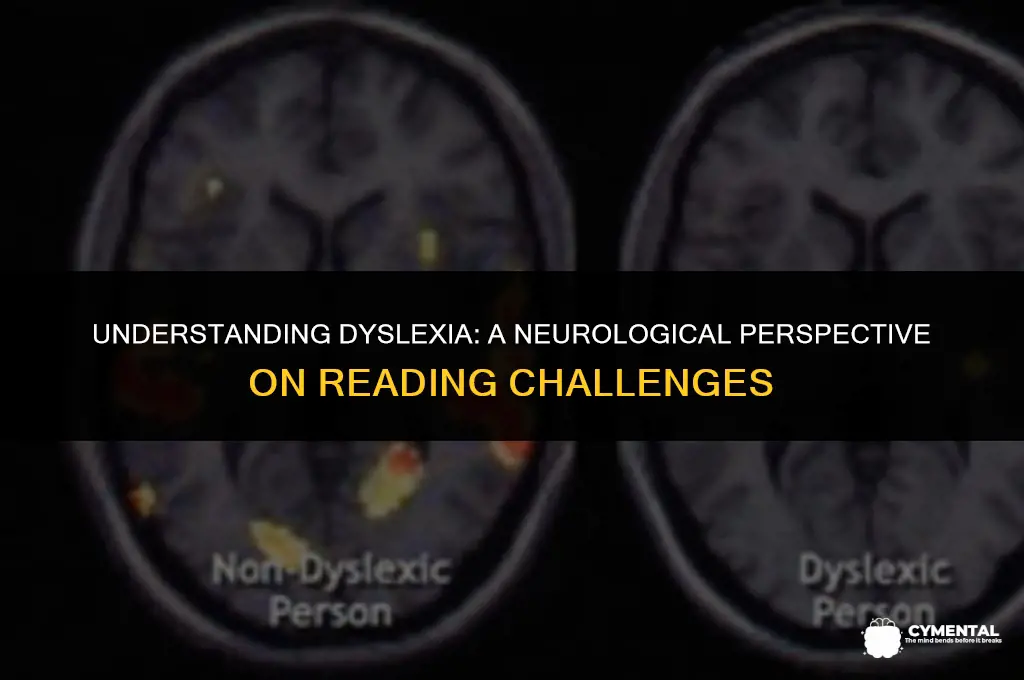
Dyslexia is a learning disorder that affects an individual's ability to read, write, and spell. It is not a mental disorder in the traditional sense, but rather a neurological condition that impacts the brain's ability to process written language. Dyslexia is often characterized by difficulties with phonemic awareness, decoding, and fluency, which can lead to challenges in reading comprehension and writing. While it can have a significant impact on a person's academic and professional life, dyslexia is not associated with intelligence or cognitive abilities. In fact, many individuals with dyslexia are highly intelligent and creative, and with the right support and accommodations, they can achieve great success in various fields.
| Characteristics | Values |
|---|---|
| Definition | Dyslexia is a learning disorder characterized by difficulty in reading and writing, despite normal intelligence and adequate educational opportunities. |
| Classification | It is classified as a specific learning disorder (SLD) under the Diagnostic and Statistical Manual of Mental Disorders (DSM-5). |
| Symptoms | Common symptoms include difficulty in recognizing words, poor spelling, slow reading, and difficulty in understanding written text. |
| Causes | It is believed to be caused by a combination of genetic and environmental factors, affecting brain development and function. |
| Diagnosis | Diagnosis is typically made through a comprehensive evaluation by a psychologist or educational specialist, including reading and writing assessments. |
| Treatment | Treatment often involves specialized educational programs, tutoring, and accommodations such as extra time for reading and writing tasks. |
| Prognosis | With appropriate intervention, individuals with dyslexia can learn to read and write effectively, although they may continue to face challenges in certain areas. |
| Associated Conditions | Dyslexia is often associated with other learning disorders, such as ADHD and dysgraphia, as well as difficulties in math and executive functioning. |
| Impact on Daily Life | Dyslexia can affect self-esteem, academic performance, and career opportunities if not properly addressed. |
| Support Resources | Various organizations and resources are available to provide support and advocacy for individuals with dyslexia, such as the International Dyslexia Association. |
Explore related products


$12.39 $21


What You'll Learn

Definition and Classification
Dyslexia is a learning disorder characterized by difficulty in reading and writing, despite normal intelligence and adequate educational opportunities. It is not a mental disorder in the traditional sense, but rather a neurodevelopmental disorder that affects the brain's ability to process written language. Dyslexia is often inherited and can be identified in early childhood through screening tests and evaluations.
The classification of dyslexia has evolved over time, with various diagnostic criteria and subtypes being proposed. Currently, dyslexia is classified as a specific learning disorder (SLD) in the Diagnostic and Statistical Manual of Mental Disorders (DSM-5). SLDs are a group of disorders that affect the acquisition and use of academic skills, including reading, writing, and mathematics. Dyslexia is specifically categorized as an SLD with impairment in reading.
There are several subtypes of dyslexia, including phonological dyslexia, surface dyslexia, and double deficit dyslexia. Phonological dyslexia is the most common subtype and is characterized by difficulty in recognizing and manipulating phonemes, the basic units of sound in language. Surface dyslexia is a less common subtype that is characterized by difficulty in recognizing and reading words that do not follow standard spelling rules. Double deficit dyslexia is a rare subtype that is characterized by difficulty in both phonological and surface reading skills.
Dyslexia is not a mental disorder in the sense that it does not affect a person's overall mental health or well-being. However, it can have a significant impact on a person's academic performance and self-esteem. Individuals with dyslexia may experience frustration, anxiety, and depression as a result of their struggles with reading and writing. It is important to note that dyslexia is not a reflection of a person's intelligence or abilities, and with appropriate support and accommodations, individuals with dyslexia can be successful in their academic and professional pursuits.
In conclusion, dyslexia is a neurodevelopmental disorder that affects the brain's ability to process written language. It is classified as a specific learning disorder in the DSM-5 and has several subtypes, including phonological dyslexia, surface dyslexia, and double deficit dyslexia. While dyslexia is not a mental disorder in the traditional sense, it can have a significant impact on a person's academic performance and self-esteem. With appropriate support and accommodations, individuals with dyslexia can be successful in their academic and professional pursuits.
Unraveling the Enigma: Marilyn Monroe's Mental Health Struggles
You may want to see also
Explore related products


Symptoms and Diagnosis
Dyslexia is characterized by a range of symptoms that can vary in severity and presentation. These symptoms typically include difficulties with reading, writing, and spelling, as well as challenges with phonological awareness and decoding. Individuals with dyslexia may also experience problems with memory, attention, and organization. Diagnosis of dyslexia often involves a comprehensive evaluation that includes a review of the individual's medical and educational history, as well as a series of standardized tests and assessments.
One of the key symptoms of dyslexia is difficulty with reading. This can manifest as slow reading speed, poor comprehension, and frequent errors. Individuals with dyslexia may also struggle with writing, often producing text that is difficult to read due to poor spelling and grammar. Phonological awareness, which is the ability to recognize and manipulate the sounds in words, is another area where individuals with dyslexia may experience difficulties. This can lead to challenges with decoding, which is the process of sounding out words when reading.
In addition to these core symptoms, individuals with dyslexia may also experience a range of other difficulties. These can include problems with memory, such as difficulty remembering facts and figures, as well as challenges with attention and organization. Individuals with dyslexia may also experience feelings of frustration, anxiety, and low self-esteem as a result of their struggles with reading and writing.
Diagnosis of dyslexia typically involves a multidisciplinary approach, with input from educators, psychologists, and other healthcare professionals. The evaluation process often begins with a review of the individual's medical and educational history, as well as a series of standardized tests and assessments. These tests may include measures of reading fluency, comprehension, spelling, and phonological awareness. In some cases, additional assessments may be conducted to rule out other potential causes of the individual's difficulties, such as vision or hearing problems.
Early diagnosis and intervention are critical for individuals with dyslexia, as they can help to mitigate the impact of the disorder on academic and social functioning. A range of interventions are available, including specialized educational programs, speech and language therapy, and assistive technologies. These interventions can help individuals with dyslexia to develop the skills they need to succeed in school and beyond.
Unraveling the Mind of a Monster: Dahmer's Mental Health Diagnosis
You may want to see also
Explore related products


Causes and Risk Factors
Dyslexia is a neurodevelopmental disorder characterized by difficulties with reading, writing, and spelling. While it is not classified as a mental disorder in the traditional sense, it can have significant psychological impacts on individuals. The causes of dyslexia are complex and multifaceted, involving a combination of genetic, environmental, and neurological factors.
Research suggests that dyslexia may be inherited, with studies showing that if one parent has dyslexia, there is a 40-60% chance that their child will also develop the condition. Certain genes have been identified that may contribute to the development of dyslexia, including those involved in brain development and function.
Environmental factors can also play a role in the development of dyslexia. For example, exposure to toxins such as lead or mercury during pregnancy or early childhood may increase the risk of developing dyslexia. Additionally, inadequate nutrition, infections, or trauma during pregnancy may also contribute to the development of the condition.
Neurological factors are also believed to play a role in dyslexia. Differences in brain structure and function, particularly in areas responsible for language processing, have been observed in individuals with dyslexia. These differences may affect the way the brain processes information, leading to difficulties with reading and writing.
Risk factors for dyslexia include a family history of the condition, premature birth or low birth weight, and certain medical conditions such as epilepsy or cerebral palsy. Additionally, socioeconomic factors such as poverty, lack of access to education, and inadequate parental involvement may also increase the risk of developing dyslexia.
In conclusion, while dyslexia is not a mental disorder, it is a complex condition with multiple causes and risk factors. Understanding these factors can help in the early identification and intervention of dyslexia, leading to better outcomes for affected individuals.
Exploring the Psychology Behind Fabricating False Scenarios
You may want to see also
Explore related products


Treatment and Interventions
While dyslexia is not classified as a mental disorder, it does require specific interventions to help individuals overcome their reading and writing challenges. One of the most effective approaches is through specialized educational programs that focus on phonics, decoding, and comprehension skills. These programs are typically tailored to the individual's needs and may include one-on-one tutoring or small group instruction.
In addition to educational interventions, there are also a number of assistive technologies that can help individuals with dyslexia. These may include text-to-speech software, speech-to-text software, and other tools that can help with reading and writing tasks. Some individuals may also benefit from accommodations such as extra time on tests or the use of a calculator.
It's important to note that there is no single "cure" for dyslexia, and interventions will need to be ongoing throughout an individual's life. However, with the right support and resources, individuals with dyslexia can learn to read and write effectively and go on to achieve their full potential.
One of the key takeaways when it comes to treating dyslexia is that early intervention is crucial. The earlier that dyslexia is identified and addressed, the better the outcomes will be for the individual. This is because the brain is still developing during childhood, and early intervention can help to rewire the brain and improve reading and writing skills.
Another important aspect of treating dyslexia is to address any associated emotional or psychological issues. Individuals with dyslexia may experience feelings of frustration, anxiety, or low self-esteem, and it's important to provide support and counseling to help them cope with these challenges. By addressing both the educational and emotional aspects of dyslexia, individuals can learn to thrive and reach their full potential.
Unraveling the Mind of a Monster: Jeff Dahmer's Psychological Profile
You may want to see also
Explore related products


Impact on Daily Life
Dyslexia, a learning disorder characterized by difficulty in reading and writing, significantly impacts an individual's daily life. One of the primary challenges faced by those with dyslexia is the struggle to process written information efficiently. This can lead to difficulties in completing everyday tasks such as reading emails, filling out forms, or following written instructions. As a result, individuals with dyslexia may experience frustration and a sense of inadequacy in their daily interactions.
Moreover, dyslexia can affect an individual's ability to communicate effectively. Writing coherent messages or emails can be a daunting task, leading to misunderstandings or miscommunications. This can impact personal relationships, as well as professional interactions, potentially hindering career advancement or social integration.
In addition to communication challenges, dyslexia can also influence an individual's organizational skills. Difficulty in reading and writing can make it hard to keep track of appointments, manage finances, or plan daily activities. This can lead to a sense of disorganization and stress, further exacerbating the challenges faced by those with dyslexia.
Despite these challenges, it is important to note that dyslexia does not define an individual's intelligence or capabilities. With the right support and accommodations, individuals with dyslexia can learn to manage their symptoms and lead fulfilling lives. This may include using assistive technologies, such as text-to-speech software or spell checkers, as well as seeking help from tutors or therapists.
In conclusion, dyslexia can have a significant impact on an individual's daily life, affecting their ability to process written information, communicate effectively, and stay organized. However, with the right support and accommodations, individuals with dyslexia can overcome these challenges and thrive in their personal and professional lives.
Unveiling the Enigma: The Rarest Mental Disorder Explored
You may want to see also
Frequently asked questions
Dyslexia is not considered a mental disorder. It is a learning disorder that affects reading and writing abilities.
The main characteristics of dyslexia include difficulty with reading, writing, and spelling, as well as problems with word recognition and decoding.
Dyslexia is typically diagnosed through a combination of assessments, including reading and writing tests, as well as evaluations of cognitive abilities and language skills.
Some common misconceptions about dyslexia include the belief that it is a mental disorder, that it is caused by poor teaching, or that it is a sign of low intelligence.
Some strategies for helping individuals with dyslexia include providing extra support and resources in school, using assistive technologies, and offering specialized tutoring and therapy.