Lucas Bennett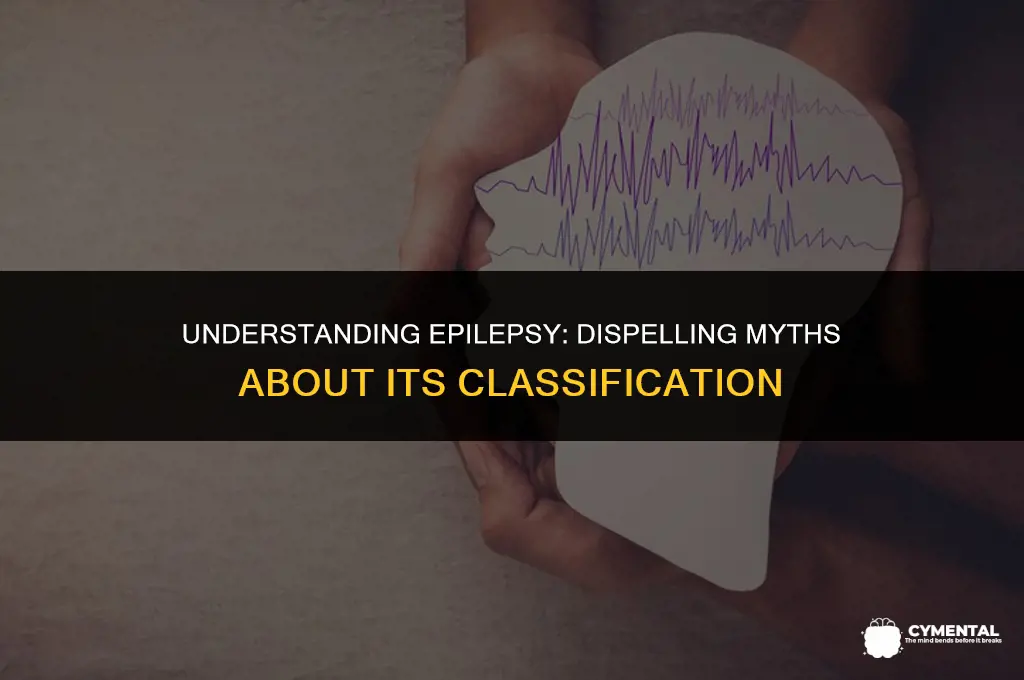
Epilepsy is a neurological condition characterized by recurrent seizures, which are sudden, uncontrolled electrical discharges in the brain. It is not a mental disorder, but rather a physical condition that affects the brain's electrical activity. Epilepsy can have various causes, including genetic predisposition, brain injury, infections, or metabolic disorders. While it can sometimes be associated with psychiatric conditions such as anxiety or depression, epilepsy itself is not classified as a mental illness. Understanding the distinction between neurological and psychiatric conditions is crucial for proper diagnosis, treatment, and support for individuals affected by epilepsy.
| Characteristics | Values |
|---|---|
| Classification | Neurological disorder |
| Symptoms | Seizures, convulsions, loss of consciousness |
| Causes | Genetic, structural/metabolic, unknown |
| Diagnosis | Medical history, physical exam, EEG, imaging tests |
| Treatment | Medications, surgery, lifestyle changes |
| Prognosis | Varies, often manageable with treatment |
| Complications | Increased risk of injury, drowning, car accidents |
| Impact on daily life | Can affect work, school, social interactions |
| Misconceptions | Not a mental illness, not contagious |
| Support | Support groups, counseling, educational resources |
Explore related products




What You'll Learn
- Definition and Classification: Understanding epilepsy as a neurological condition, not a mental disorder
- Causes and Risk Factors: Exploring genetic, environmental, and lifestyle factors that contribute to epilepsy
- Symptoms and Diagnosis: Identifying common symptoms and the diagnostic process for epilepsy
- Treatment and Management: Discussing medication, surgery, and lifestyle changes to manage epilepsy
- Social and Psychological Impact: Addressing how epilepsy affects mental health, relationships, and daily life

Definition and Classification: Understanding epilepsy as a neurological condition, not a mental disorder
Epilepsy is a neurological condition characterized by recurrent seizures, which are sudden, uncontrolled electrical discharges in the brain. It is essential to understand that epilepsy is not a mental disorder but rather a physical condition that affects the brain's functioning. The classification of epilepsy as a neurological disorder is based on its underlying causes, which include genetic predispositions, brain injuries, infections, and metabolic imbalances.
One of the key aspects of understanding epilepsy is recognizing the different types of seizures that individuals may experience. Seizures can be classified into two main categories: focal seizures, which originate in a specific part of the brain, and generalized seizures, which involve the entire brain. Focal seizures can further be divided into simple partial seizures, which do not impair consciousness, and complex partial seizures, which do impair consciousness. Generalized seizures include tonic-clonic seizures, which are characterized by convulsions, and absence seizures, which are marked by a sudden loss of consciousness.
Diagnosing epilepsy typically involves a combination of medical history, physical examination, and diagnostic tests such as electroencephalography (EEG), magnetic resonance imaging (MRI), and computed tomography (CT) scans. It is crucial for healthcare professionals to accurately diagnose epilepsy to develop an appropriate treatment plan, which may include medications, surgery, or dietary modifications.
Living with epilepsy can have a significant impact on an individual's daily life, affecting their ability to work, drive, and participate in social activities. However, with proper management and support, many people with epilepsy are able to lead fulfilling lives. It is important to address the stigma associated with epilepsy and promote awareness and understanding of the condition to ensure that individuals receive the care and support they need.
In conclusion, epilepsy is a complex neurological condition that requires a comprehensive understanding of its causes, classification, diagnosis, and management. By recognizing epilepsy as a physical disorder rather than a mental one, we can better support individuals affected by the condition and work towards improving their quality of life.
Navigating the Labyrinth: Understanding the Challenges of Complex Mental Disorders
You may want to see also
Explore related products






Causes and Risk Factors: Exploring genetic, environmental, and lifestyle factors that contribute to epilepsy
Epilepsy, a neurological disorder characterized by recurrent seizures, is influenced by a complex interplay of genetic, environmental, and lifestyle factors. While the exact cause is often unknown, certain genetic mutations have been identified that increase the risk of developing epilepsy. These mutations can affect ion channels, neurotransmitter receptors, and other proteins involved in neuronal function. Family history also plays a role, with a higher incidence of epilepsy observed in individuals with a first-degree relative who has the condition.
Environmental factors, such as prenatal exposure to certain toxins or infections, can also contribute to the development of epilepsy. For example, maternal alcohol consumption during pregnancy has been linked to an increased risk of fetal alcohol syndrome, which can include epilepsy. Additionally, head trauma, stroke, and brain infections like encephalitis or meningitis can lead to acquired epilepsy, particularly in older individuals.
Lifestyle factors, while less directly causal, can influence the risk and management of epilepsy. For instance, sleep deprivation, stress, and substance abuse can lower the seizure threshold, making seizures more likely to occur. Conversely, maintaining a healthy lifestyle, including regular exercise, a balanced diet, and adequate sleep, can help manage epilepsy symptoms and improve overall well-being.
Understanding these causes and risk factors is crucial for both prevention and treatment. By identifying individuals at higher risk, healthcare providers can implement early intervention strategies and provide targeted support to manage the condition effectively. Moreover, ongoing research into the genetic and environmental underpinnings of epilepsy holds promise for the development of new therapies and potential cures.
Understanding the Most Debilitating Mental Health Conditions
You may want to see also
Explore related products


Symptoms and Diagnosis: Identifying common symptoms and the diagnostic process for epilepsy
Epilepsy is characterized by recurrent seizures, which are sudden, uncontrolled electrical discharges in the brain. Common symptoms include convulsions, loss of consciousness, and sensory disturbances such as flashing lights or unusual smells. The diagnostic process typically involves a thorough medical history, physical examination, and diagnostic tests such as electroencephalography (EEG) and brain imaging. It is crucial to differentiate epilepsy from other conditions that may cause similar symptoms, such as migraines or transient ischemic attacks.
The first step in diagnosing epilepsy is often a detailed patient history, where the doctor will ask about the frequency, duration, and nature of the seizures. This information can help identify potential triggers and patterns. A physical examination may follow to check for any neurological deficits or abnormalities. EEG is a key diagnostic tool, as it can detect the abnormal brain waves associated with seizures. In some cases, brain imaging such as MRI or CT scans may be necessary to rule out structural causes of the seizures, such as tumors or stroke.
It is important to note that epilepsy is not a mental disorder, but rather a neurological condition. While it can have psychological impacts, such as anxiety or depression, these are often secondary to the condition itself. Understanding the symptoms and diagnostic process is crucial for proper management and treatment of epilepsy, which can significantly improve the quality of life for those affected.
Exploring Feline Psychology: Do Cats Experience Mental Disorders?
You may want to see also
Explore related products


Treatment and Management: Discussing medication, surgery, and lifestyle changes to manage epilepsy
Medication is often the first line of treatment for epilepsy, with the goal of reducing or eliminating seizures. Antiepileptic drugs (AEDs) work by stabilizing electrical activity in the brain. Common AEDs include carbamazepine, lamotrigine, and valproate. The choice of medication depends on the type of seizures, the patient's age, and other health conditions. It's crucial for patients to follow their medication regimen strictly and report any side effects to their healthcare provider.
Surgery may be considered for patients whose seizures are not well-controlled by medication. The most common surgical procedure is the resection of the epileptogenic zone, which is the area of the brain responsible for the seizures. This procedure can be highly effective, but it's not suitable for all patients. Candidates for surgery typically undergo extensive evaluations, including brain imaging and neuropsychological testing, to determine if they are eligible.
Lifestyle changes can also play a significant role in managing epilepsy. Patients are often advised to maintain a regular sleep schedule, as sleep deprivation can trigger seizures. A balanced diet, rich in fruits and vegetables, can help support overall brain health. Additionally, stress management techniques, such as meditation and yoga, may help reduce the frequency of seizures. It's important for patients to work closely with their healthcare team to develop a comprehensive treatment plan that addresses their individual needs.
In conclusion, the treatment and management of epilepsy involve a multifaceted approach, combining medication, surgery, and lifestyle changes. Each patient's treatment plan will be unique, based on their specific condition and needs. By working closely with healthcare providers and adhering to their treatment regimen, patients can effectively manage their epilepsy and improve their quality of life.
Exploring the Complex Psyche: Norman Bates' Mental Health
You may want to see also
Explore related products




Social and Psychological Impact: Addressing how epilepsy affects mental health, relationships, and daily life
Epilepsy, a neurological condition characterized by recurrent seizures, has profound social and psychological implications for those who live with it. While it is not classified as a mental disorder, the condition often intersects with mental health, influencing an individual's emotional well-being, social interactions, and daily functioning. Understanding these impacts is crucial for providing comprehensive care and support to people with epilepsy.
One significant psychological impact of epilepsy is the increased risk of mental health disorders such as depression and anxiety. The chronic nature of the condition, coupled with the unpredictability of seizures, can lead to feelings of helplessness and hopelessness. Individuals may experience anxiety related to the fear of having a seizure in public or the potential side effects of their medication. Moreover, the stigma associated with epilepsy can contribute to social isolation, further exacerbating mental health challenges.
Epilepsy also affects relationships, both personal and professional. The condition can strain relationships with family and friends due to the emotional toll of witnessing seizures or the changes in behavior that may result from the condition or its treatment. In the workplace, epilepsy can impact job performance and career advancement, leading to financial stress and reduced self-esteem. Employers and coworkers may lack understanding, contributing to a hostile work environment or discrimination.
Daily life for individuals with epilepsy is often marked by a need for routine and predictability. Managing the condition requires careful monitoring of seizure triggers, medication schedules, and lifestyle modifications. This can limit spontaneity and flexibility, affecting social activities and leisure pursuits. Additionally, the physical effects of seizures and medication side effects can impair cognitive function, memory, and energy levels, further complicating daily tasks and responsibilities.
Addressing the social and psychological impacts of epilepsy requires a multifaceted approach. Mental health support, including therapy and medication, can help individuals cope with depression and anxiety. Education and awareness campaigns can reduce stigma and promote understanding among the general public, improving social acceptance and support. In the workplace, accommodations such as flexible schedules, seizure-safe environments, and anti-discrimination policies can help individuals with epilepsy thrive professionally.
Ultimately, recognizing and addressing the social and psychological dimensions of epilepsy is essential for enhancing the overall quality of life for those affected by the condition. By fostering a supportive and inclusive environment, we can help individuals with epilepsy navigate the challenges they face and lead fulfilling lives.
Exploring Mental Health Through the Lens of Scripture
You may want to see also
Frequently asked questions
No, epilepsy is not a mental disorder. It is a neurological condition characterized by recurrent seizures. These seizures are caused by abnormal electrical discharges in the brain. While epilepsy can sometimes be associated with mental health issues, it is fundamentally a physical condition affecting the brain's function.
Yes, epilepsy can affect a person's mental health. Individuals with epilepsy may experience anxiety, depression, and other mental health issues. These can arise from the stress of living with a chronic condition, the side effects of medications, or the impact of seizures on brain function. It's important for people with epilepsy to receive comprehensive care that addresses both their neurological and mental health needs.
Epilepsy is typically diagnosed through a combination of medical history review, neurological examination, and diagnostic tests such as electroencephalography (EEG) and brain imaging (like MRI or CT scans). Treatment usually involves medications to control seizures, but in some cases, surgery, dietary changes, or other therapies may be recommended. It's crucial for individuals with epilepsy to work closely with their healthcare providers to find the most effective treatment plan for their specific condition.