Lucas Bennett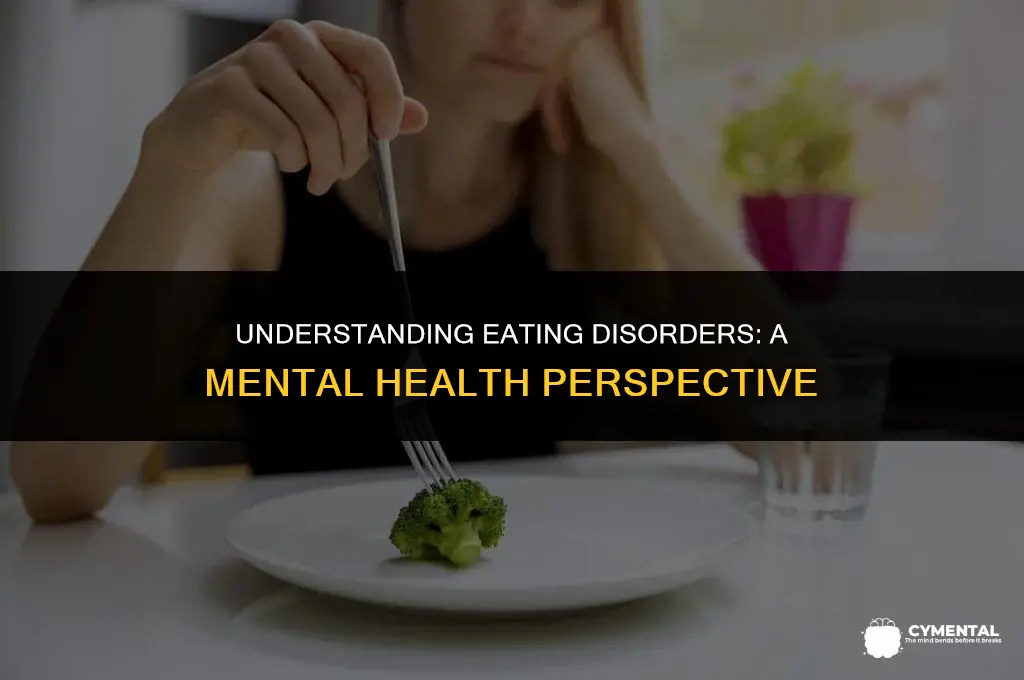
Eating disorders are complex conditions that affect both physical and mental health. They are characterized by abnormal eating habits that can lead to serious health problems. While they often manifest through physical symptoms, such as significant weight loss or gain, they are fundamentally mental illnesses. This is because they are typically driven by underlying psychological factors, including distorted body image, low self-esteem, and emotional distress. Recognizing eating disorders as mental illnesses is crucial for providing appropriate treatment and support, which often involves a combination of psychotherapy, nutritional counseling, and sometimes medication. By understanding the mental health aspects of eating disorders, we can better address the root causes and help individuals achieve lasting recovery.
| Characteristics | Values |
|---|---|
| Definition | An eating disorder is a mental illness characterized by abnormal eating habits that negatively impact a person's physical and mental health. |
| Types | Anorexia Nervosa, Bulimia Nervosa, Binge Eating Disorder, Avoidant/Restrictive Food Intake Disorder (ARFID), Pica, Rumination Disorder. |
| Symptoms | - Anorexia: Significant weight loss, difficulty maintaining body weight, distorted body image. - Bulimia: Recurrent episodes of binge eating followed by purging, weight fluctuations, dental problems. - Binge Eating Disorder: Frequent overeating, feeling out of control, weight gain, depression. - ARFID: Avoidance of certain foods, restrictive eating, fear of choking or vomiting, weight loss. - Pica: Consumption of non-food items, such as paint or hair, developmental delays. - Rumination Disorder: Repeated regurgitation and re-chewing of food, weight loss, dental problems. |
| Causes | Biological, psychological, and environmental factors. Genetic predisposition, hormonal imbalances, stress, trauma, societal pressures, and family dynamics can contribute. |
| Diagnosis | Clinical evaluation, psychological assessment, and sometimes medical tests to rule out other conditions. |
| Treatment | Multidisciplinary approach including psychotherapy (CBT, DBT), medication (antidepressants, mood stabilizers), nutritional counseling, and sometimes hospitalization. |
| Prognosis | Varies by individual and type of disorder. With proper treatment, many individuals can recover and lead healthy lives, but some may experience relapses or ongoing challenges. |
| Complications | Malnutrition, osteoporosis, heart problems, gastrointestinal issues, dental problems, social isolation, and increased risk of suicide. |
| Prevention | Education and awareness programs, promoting healthy eating habits, early intervention, and support systems for at-risk individuals. |
| Statistics | Eating disorders affect approximately 9% of the global population, with the highest prevalence among adolescents and young adults. Anorexia Nervosa has the highest mortality rate among mental illnesses. |
| Research | Ongoing studies focus on understanding the genetic and neurobiological basis of eating disorders, developing new treatment approaches, and improving prevention strategies. |
| Support | National Eating Disorders Association (NEDA), Eating Disorder Hope, and other organizations provide resources, support groups, and helplines for individuals and families affected by eating disorders. |
Explore related products


![Surviving an Eating Disorder [Fourth Revised Edition]: Strategies for Family and Friends – The Classic Psychological Resource for Parents Supporting Loved Ones Through Recovery](https://m.media-amazon.com/images/I/71XAt-GTyaS._AC_UY218_.jpg)


What You'll Learn
- Definition and Classification: Understanding eating disorders as mental illnesses according to DSM-5 and ICD-11
- Types of Eating Disorders: Anorexia Nervosa, Bulimia Nervosa, Binge Eating Disorder, and other specified disorders
- Causes and Risk Factors: Genetic, environmental, and psychological factors contributing to the development of eating disorders
- Symptoms and Diagnosis: Recognizing physical and psychological symptoms, and the process of diagnosing eating disorders
- Treatment and Management: Overview of therapeutic approaches, including cognitive-behavioral therapy, medication, and nutritional counseling

Definition and Classification: Understanding eating disorders as mental illnesses according to DSM-5 and ICD-11
Eating disorders are officially recognized as mental illnesses in major diagnostic manuals, including the DSM-5 and ICD-11. These classifications provide a framework for understanding and diagnosing eating disorders, emphasizing their psychological and behavioral components. According to the DSM-5, eating disorders are characterized by a persistent disturbance in eating behaviors and related thoughts and emotions, leading to significant distress or impairment in social, occupational, or other areas of functioning.
The DSM-5 categorizes eating disorders into several specific types, including anorexia nervosa, bulimia nervosa, binge eating disorder, and other specified feeding or eating disorders. Each type has distinct diagnostic criteria, such as weight loss, binge eating episodes, or purging behaviors, which help clinicians identify and treat the specific disorder. The ICD-11, on the other hand, classifies eating disorders under the broader category of "mental, behavioral, and neurodevelopmental disorders," with subcategories for anorexia nervosa, bulimia nervosa, and binge eating disorder.
Both diagnostic manuals highlight the importance of a multidisciplinary approach to treating eating disorders, involving medical, psychological, and nutritional interventions. They also emphasize the need for early detection and intervention, as eating disorders can have serious physical and psychological consequences if left untreated. By understanding eating disorders as mental illnesses, healthcare professionals can provide more effective and compassionate care to individuals struggling with these conditions.
In conclusion, the classification of eating disorders as mental illnesses in the DSM-5 and ICD-11 provides a foundation for understanding and treating these complex conditions. It underscores the importance of recognizing the psychological and behavioral aspects of eating disorders and highlights the need for a comprehensive and multidisciplinary approach to care.
Unraveling Jinx's Psyche: A Deep Dive into Her Mental Health Struggles
You may want to see also
Explore related products


Types of Eating Disorders: Anorexia Nervosa, Bulimia Nervosa, Binge Eating Disorder, and other specified disorders
Eating disorders are a group of mental illnesses characterized by abnormal eating habits that negatively impact an individual's physical and emotional well-being. Among the most common types are anorexia nervosa, bulimia nervosa, and binge eating disorder, each with distinct symptoms and treatment approaches.
Anorexia nervosa is an eating disorder where individuals restrict their food intake, leading to significant weight loss and a distorted body image. Those affected often have an intense fear of gaining weight and may engage in excessive exercise or other compensatory behaviors. Treatment typically involves a combination of nutritional counseling, psychotherapy, and sometimes medication to address underlying psychological issues.
Bulimia nervosa involves cycles of binge eating followed by purging behaviors such as vomiting, laxative use, or excessive exercise. Individuals with bulimia nervosa may feel a lack of control over their eating and experience guilt or shame after binging and purging. Treatment often includes cognitive-behavioral therapy, which helps individuals identify and change negative thought patterns and behaviors, as well as nutritional counseling to promote healthy eating habits.
Binge eating disorder is characterized by recurrent episodes of consuming large quantities of food in a short period, often accompanied by feelings of loss of control and distress. Unlike bulimia nervosa, individuals with binge eating disorder do not typically engage in purging behaviors. Treatment may involve behavioral therapy, which focuses on modifying eating behaviors and addressing emotional triggers, as well as medication to help manage symptoms.
Other specified eating disorders include avoidant/restrictive food intake disorder, which involves a lack of interest in food or avoidance of certain foods due to sensory issues or concerns about choking, and rumination disorder, where individuals regurgitate and re-chew their food. These disorders require tailored treatment approaches that address the specific symptoms and underlying causes.
In conclusion, eating disorders are serious mental illnesses that can have severe physical and emotional consequences. Understanding the different types of eating disorders and their treatment options is crucial for providing effective support and care to those affected.
Understanding Dementia: Is It a Mental Health Disorder?
You may want to see also
Explore related products




Causes and Risk Factors: Genetic, environmental, and psychological factors contributing to the development of eating disorders
Eating disorders are complex mental illnesses influenced by a multitude of factors. Genetic predisposition plays a significant role, with studies indicating that certain genetic variations can increase the risk of developing conditions like anorexia nervosa and bulimia nervosa. For instance, research has identified specific genes involved in appetite regulation and metabolism that may contribute to the development of these disorders.
Environmental factors also play a crucial role in the development of eating disorders. Sociocultural pressures, such as the emphasis on thinness and beauty in media and society, can contribute to body dissatisfaction and disordered eating behaviors. Additionally, traumatic events, such as sexual abuse or bullying, can increase the risk of developing an eating disorder as a coping mechanism.
Psychological factors, including personality traits and mental health conditions, can further contribute to the development of eating disorders. Perfectionism, low self-esteem, and anxiety are common traits among individuals with eating disorders. Furthermore, conditions like depression, anxiety disorders, and obsessive-compulsive disorder often co-occur with eating disorders, suggesting a complex interplay between psychological states and disordered eating behaviors.
It is essential to recognize that eating disorders are not solely the result of personal choice or lifestyle factors. Instead, they are serious mental illnesses influenced by a combination of genetic, environmental, and psychological factors. Understanding these underlying causes can help reduce stigma and improve treatment approaches for individuals struggling with eating disorders.
In conclusion, the development of eating disorders is a multifaceted issue involving genetic predisposition, environmental influences, and psychological factors. Addressing these underlying causes is crucial for effective prevention and treatment strategies. By recognizing the complexity of eating disorders, we can work towards providing better support and resources for those affected.
Exploring Feline Psychology: Do Cats Experience Mental Disorders?
You may want to see also
Explore related products


Symptoms and Diagnosis: Recognizing physical and psychological symptoms, and the process of diagnosing eating disorders
Eating disorders manifest through a complex interplay of physical and psychological symptoms. Physically, individuals may experience significant weight loss or gain, fatigue, dizziness, and gastrointestinal issues such as constipation or diarrhea. Psychological symptoms often include a distorted body image, intense fear of gaining weight, and a preoccupation with food and eating. These symptoms can be subtle and may not always be immediately apparent, making early detection challenging.
Diagnosing eating disorders involves a comprehensive evaluation by a healthcare professional. This process typically includes a thorough medical history, physical examination, and psychological assessment. The healthcare provider may use standardized diagnostic criteria, such as those outlined in the Diagnostic and Statistical Manual of Mental Disorders (DSM-5), to determine the specific type of eating disorder. Additional tests, such as blood work and imaging studies, may be conducted to rule out other potential causes of the symptoms.
One of the key challenges in diagnosing eating disorders is the stigma and shame often associated with these conditions. Many individuals may hide their symptoms or deny that they have a problem, making it difficult for healthcare providers to identify and treat the disorder. Furthermore, eating disorders can co-occur with other mental health conditions, such as depression and anxiety, which can complicate the diagnostic process.
Early recognition and diagnosis of eating disorders are crucial for effective treatment and recovery. Healthcare providers, educators, and family members can play a vital role in identifying the warning signs and encouraging individuals to seek help. By increasing awareness and reducing stigma, we can improve the chances of early detection and provide the necessary support for those struggling with these complex and potentially life-threatening conditions.
Unraveling the Enigma: Van Gogh's Mental Health Journey
You may want to see also
Explore related products

$14.79 $18.99


$19.55 $8.99


Treatment and Management: Overview of therapeutic approaches, including cognitive-behavioral therapy, medication, and nutritional counseling
Eating disorders are complex mental illnesses that require a multifaceted approach to treatment and management. Cognitive-behavioral therapy (CBT) is a cornerstone of treatment, particularly for conditions like bulimia nervosa and binge eating disorder. CBT helps individuals identify and challenge distorted thought patterns related to food, weight, and body image, and teaches them healthier coping mechanisms. For anorexia nervosa, CBT may be less effective on its own and is often combined with other therapeutic modalities.
Medication can also play a role in the treatment of eating disorders, although it is typically used as an adjunct to psychotherapy rather than as a standalone treatment. Antidepressants, particularly selective serotonin reuptake inhibitors (SSRIs), are commonly prescribed to help manage symptoms of depression and anxiety that often co-occur with eating disorders. In some cases, medications like olanzapine or aripiprazole may be used to help with weight gain and reduce the risk of relapse in anorexia nervosa. It is important to note that medication should always be used under the guidance of a healthcare professional, as there can be significant side effects and interactions with other medications.
Nutritional counseling is another critical component of treatment for eating disorders. Registered dietitians work with individuals to develop personalized meal plans that meet their nutritional needs and help them achieve a healthy weight. This process involves education about proper nutrition, meal planning, and strategies for overcoming challenges related to eating. Nutritional counseling can also help individuals develop a healthier relationship with food and reduce the risk of relapse.
In addition to these traditional therapeutic approaches, there are also newer, innovative treatments being explored for eating disorders. For example, some studies have shown that mindfulness-based interventions can be helpful in reducing symptoms of binge eating disorder. Other research is investigating the use of virtual reality therapy to help individuals with eating disorders confront and overcome their fears related to food and weight.
It is important to remember that treatment for eating disorders should be tailored to the individual's specific needs and circumstances. A comprehensive treatment plan may involve a combination of psychotherapy, medication, nutritional counseling, and other supportive interventions. With the right treatment and support, individuals with eating disorders can recover and lead healthy, fulfilling lives.
Exploring the Complex Psyche: Norman Bates' Mental Health
You may want to see also
Frequently asked questions
Yes, eating disorders are classified as mental illnesses. They are complex conditions that involve disturbances in eating behaviors, thoughts, and emotions.
Some common types of eating disorders include Anorexia Nervosa, Bulimia Nervosa, Binge Eating Disorder, and Avoidant/Restrictive Food Intake Disorder (ARFID).
Eating disorders can lead to various physical health risks such as malnutrition, dehydration, electrolyte imbalances, heart problems, gastrointestinal issues, and osteoporosis.
Eating disorders can be treated through a combination of approaches including psychotherapy, medication, nutritional counseling, and sometimes hospitalization. Early intervention and comprehensive treatment are crucial for recovery.


![Eat Yourself Healthy: Food to Change Your Life [American Measurements]](https://m.media-amazon.com/images/I/81yxT+Dy8eL._AC_UY218_.jpg)