Noah Parker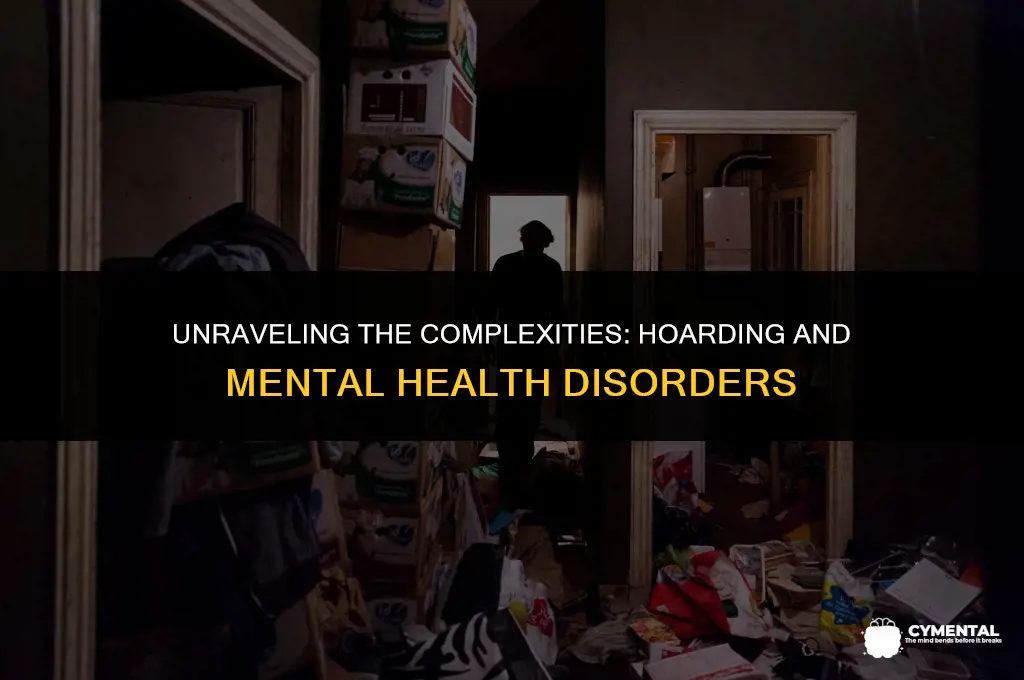
Hoarding disorder is a complex mental health condition characterized by the persistent difficulty in parting with possessions, regardless of their actual value. This behavior often results in the accumulation of a large number of items that congest and clutter living spaces, causing significant distress and impairment in daily functioning. Individuals with hoarding disorder may experience intense emotional attachment to their belongings, perceiving them as essential to their identity or safety. This condition can be associated with various other mental health issues, such as anxiety, depression, and obsessive-compulsive disorder (OCD). Understanding hoarding disorder involves recognizing its underlying psychological mechanisms, its impact on individuals and their families, and the available treatment options to help those affected regain control over their lives.
| Characteristics | Values |
|---|---|
| Classification | Hoarding Disorder is classified as a mental health condition characterized by the persistent difficulty in parting with possessions, regardless of their actual value. |
| Symptoms | Symptoms include excessive accumulation of items, difficulty discarding possessions, strong emotional attachment to objects, and significant distress or impairment in daily functioning. |
| Prevalence | Hoarding Disorder affects approximately 2-5% of the general population, with higher rates among older adults. |
| Causes | The exact cause is unknown, but it is believed to be related to genetic, environmental, and psychological factors. Brain imaging studies have shown differences in brain activity and structure in individuals with Hoarding Disorder. |
| Diagnosis | Diagnosis is typically made through a combination of clinical interviews, psychological assessments, and observation of the individual's living environment. |
| Treatment | Treatment options include cognitive-behavioral therapy (CBT), exposure and response prevention (ERP), and medication management. CBT and ERP are considered the most effective treatments for Hoarding Disorder. |
| Prognosis | With proper treatment, individuals with Hoarding Disorder can experience significant improvement in their symptoms and quality of life. However, without treatment, the condition can worsen over time. |
| Comorbidities | Hoarding Disorder often co-occurs with other mental health conditions, such as obsessive-compulsive disorder (OCD), depression, and anxiety disorders. |
| Impact on Daily Life | Hoarding Disorder can significantly impact an individual's daily life, leading to social isolation, difficulty maintaining relationships, and challenges in maintaining a clean and safe living environment. |
| Research | Ongoing research is focused on better understanding the underlying causes of Hoarding Disorder, developing more effective treatments, and improving the quality of life for individuals affected by the condition. |
Explore related products


What You'll Learn
- Definition and Diagnosis: Understanding hoarding as a mental health condition and its diagnostic criteria
- Causes and Risk Factors: Exploring the potential genetic, environmental, and psychological factors contributing to hoarding behavior
- Symptoms and Behaviors: Identifying common symptoms and behaviors associated with hoarding disorder
- Treatment Options: Discussing various therapeutic approaches and interventions used to treat hoarding disorder
- Impact on Daily Life: Examining how hoarding disorder affects individuals' daily functioning, relationships, and overall well-being

Definition and Diagnosis: Understanding hoarding as a mental health condition and its diagnostic criteria
Hoarding disorder is a mental health condition characterized by the persistent difficulty in parting with possessions, regardless of their actual value. This condition leads to the accumulation of a large number of items that congest and clutter living spaces, causing significant distress and impairment in daily functioning. The disorder is distinct from other conditions such as obsessive-compulsive disorder (OCD), though it shares some similarities.
Diagnosing hoarding disorder involves identifying specific criteria outlined in the Diagnostic and Statistical Manual of Mental Disorders (DSM-5). These criteria include the presence of persistent urges to save items, difficulty discarding possessions, and excessive accumulation of items that interfere with the use of living spaces. Additionally, the hoarding behavior must cause clinically significant distress or impairment in social, occupational, or other important areas of functioning.
Clinicians often use structured interviews and rating scales to assess the severity of hoarding symptoms and to differentiate hoarding disorder from other mental health conditions. The Hoarding Rating Scale (HRS) is a commonly used tool that evaluates the degree of hoarding behavior, the distress associated with it, and the level of impairment in daily life.
Understanding hoarding as a mental health condition is crucial for developing effective treatment strategies. Cognitive-behavioral therapy (CBT) is a primary treatment approach, focusing on helping individuals recognize and challenge the distorted beliefs and thought patterns that contribute to their hoarding behavior. Medications, particularly selective serotonin reuptake inhibitors (SSRIs), may also be used in conjunction with therapy to manage symptoms.
In addition to psychological interventions, addressing hoarding disorder often requires a multidisciplinary approach involving social workers, professional organizers, and sometimes law enforcement or animal control services. This collaborative effort can help individuals with hoarding disorder to declutter their living spaces, improve their quality of life, and reduce the risk of associated health hazards such as fire, injury, and poor sanitation.
Overall, recognizing hoarding as a mental health condition and understanding its diagnostic criteria are essential steps in providing appropriate support and treatment for individuals affected by this disorder. By addressing the underlying psychological factors and implementing comprehensive interventions, it is possible to help those with hoarding disorder to regain control over their lives and living spaces.
Understanding Dyslexia: A Neurological Perspective on Reading Challenges
You may want to see also
Explore related products


Causes and Risk Factors: Exploring the potential genetic, environmental, and psychological factors contributing to hoarding behavior
Recent studies have identified several genetic markers that may predispose individuals to hoarding behavior. For instance, variations in genes related to serotonin regulation and impulse control have been linked to compulsive hoarding. Additionally, there is evidence suggesting that hoarding may run in families, indicating a potential hereditary component. However, it is essential to note that genetics alone do not determine the development of hoarding disorder; environmental and psychological factors also play significant roles.
Environmental factors, such as childhood trauma, neglect, or living in a cluttered environment, can contribute to the development of hoarding behavior. Individuals who have experienced loss or deprivation may be more likely to hoard items as a way of regaining a sense of control or security. Furthermore, cultural and societal influences, such as consumerism and materialism, can exacerbate hoarding tendencies by promoting the accumulation of possessions.
Psychological factors, including anxiety, depression, and obsessive-compulsive disorder (OCD), are also closely associated with hoarding behavior. Individuals with hoarding disorder often experience intense distress or anxiety when attempting to discard items, which can be rooted in underlying psychological conditions. Moreover, hoarding may serve as a coping mechanism for dealing with emotional pain or stress, providing a temporary sense of relief or comfort.
It is crucial to consider the interplay between these genetic, environmental, and psychological factors when understanding the causes and risk factors of hoarding behavior. By addressing these underlying contributors, mental health professionals can develop more effective treatment strategies for individuals struggling with hoarding disorder.
Unraveling the Complexity: Alcoholism and Its Mental Health Implications
You may want to see also
Explore related products



Symptoms and Behaviors: Identifying common symptoms and behaviors associated with hoarding disorder
Individuals with hoarding disorder often exhibit a range of symptoms and behaviors that can be identified by friends, family, and mental health professionals. One common symptom is the persistent difficulty in discarding or parting with possessions, regardless of their actual value. This can lead to cluttered living spaces and an inability to use rooms or areas for their intended purposes. Another key behavior is the excessive acquisition of items that are not needed or for which there is no available space. This can manifest as compulsive buying, collecting, or scavenging for items.
In addition to these primary symptoms, individuals with hoarding disorder may also experience significant distress or impairment in their daily functioning. This can include feelings of shame or embarrassment about their living conditions, social isolation due to the inability to invite others into their homes, and difficulties with concentration and decision-making. Furthermore, hoarding can lead to health risks, such as tripping hazards, fire hazards, and unsanitary living conditions that can contribute to medical problems.
It is important to note that hoarding disorder is distinct from other conditions that may involve clutter or collecting, such as obsessive-compulsive disorder (OCD) or attention deficit hyperactivity disorder (ADHD). While individuals with OCD may also experience compulsions to collect or hoard items, the primary focus of their disorder is on intrusive thoughts and repetitive behaviors. Similarly, individuals with ADHD may struggle with organization and clutter, but this is typically due to difficulties with executive functioning rather than an emotional attachment to possessions.
When identifying symptoms and behaviors associated with hoarding disorder, it is crucial to approach the individual with empathy and understanding. Hoarding is often a complex issue that can be deeply rooted in emotional and psychological factors. Mental health professionals can provide a comprehensive assessment and develop a treatment plan that addresses the underlying causes of hoarding, as well as the practical challenges of decluttering and organizing living spaces. With appropriate support and intervention, individuals with hoarding disorder can learn to manage their symptoms and improve their overall quality of life.
Exploring the Controversial Link Between Liberalism and Mental Health
You may want to see also
Explore related products


Treatment Options: Discussing various therapeutic approaches and interventions used to treat hoarding disorder
Cognitive-behavioral therapy (CBT) is a cornerstone in the treatment of hoarding disorder. This therapeutic approach focuses on identifying and challenging the distorted thoughts and beliefs that contribute to hoarding behaviors. Through CBT, individuals learn to recognize the triggers for their hoarding and develop strategies to resist the urge to acquire and save items unnecessarily. Therapist-guided exposure and response prevention exercises are integral to CBT, helping individuals confront their fears and anxieties related to discarding possessions.
Another effective treatment modality for hoarding disorder is exposure and response prevention (ERP) therapy. ERP involves gradually exposing individuals to situations that trigger their hoarding behaviors, such as visiting a landfill or donating items to charity, while preventing them from engaging in their typical hoarding responses. This helps individuals learn that their feared outcomes, such as feeling empty or losing important items, do not occur when they resist the urge to hoard. ERP is often used in conjunction with CBT to enhance treatment outcomes.
Medication can also play a role in the treatment of hoarding disorder, particularly for individuals who experience co-occurring conditions such as depression, anxiety, or obsessive-compulsive disorder (OCD). Selective serotonin reuptake inhibitors (SSRIs) are commonly prescribed to help manage symptoms of hoarding disorder. These medications can help reduce the compulsive urges associated with hoarding and improve overall mood and functioning. However, medication alone is typically not sufficient to treat hoarding disorder and is most effective when combined with psychotherapy.
In addition to traditional therapeutic approaches, newer interventions such as mindfulness-based therapies and acceptance and commitment therapy (ACT) are being explored for their potential benefits in treating hoarding disorder. Mindfulness-based therapies focus on cultivating awareness and acceptance of one's thoughts and feelings, which can help individuals develop a more balanced relationship with their possessions. ACT emphasizes the importance of living in accordance with one's values and committing to actions that promote well-being, which can help individuals prioritize decluttering and organizing their living spaces.
Family-based interventions can also be beneficial for individuals with hoarding disorder, particularly for those who live with family members who are affected by their hoarding behaviors. Family therapy can help improve communication and understanding between family members, address conflicts related to hoarding, and develop strategies for supporting the individual in their treatment journey. Psychoeducation about hoarding disorder can also be provided to family members to help them better understand the condition and how to offer effective support.
In conclusion, treating hoarding disorder often involves a combination of therapeutic approaches tailored to the individual's specific needs and circumstances. CBT and ERP are well-established treatments that have shown significant efficacy in reducing hoarding behaviors and improving quality of life. Medication can be a useful adjunct to psychotherapy, particularly for individuals with co-occurring conditions. Newer interventions such as mindfulness-based therapies and ACT show promise in addressing the underlying psychological mechanisms that contribute to hoarding disorder. Family-based interventions can also play a crucial role in supporting individuals with hoarding disorder and their loved ones. With the right treatment approach, individuals with hoarding disorder can learn to manage their symptoms and improve their overall well-being.
Understanding Hyperactivity: Is It a Mental Disorder?
You may want to see also
Explore related products


Impact on Daily Life: Examining how hoarding disorder affects individuals' daily functioning, relationships, and overall well-being
Hoarding disorder significantly impacts an individual's daily life, often leading to a myriad of challenges that affect their functioning, relationships, and overall well-being. One of the primary ways hoarding disorder manifests in daily life is through the accumulation of excessive items, which can clutter living spaces to the point of rendering them unusable. This clutter can make it difficult for individuals to find necessary items, leading to frustration and inefficiency in their daily routines.
In addition to the physical clutter, hoarding disorder can also lead to social isolation. Individuals with hoarding disorder may avoid inviting people into their homes due to shame or embarrassment about the state of their living spaces. This can result in strained relationships with family and friends, as well as a lack of social support. Furthermore, the disorder can impact an individual's ability to maintain employment or participate in community activities, as the clutter and disorganization can make it difficult to manage time and responsibilities effectively.
The psychological toll of hoarding disorder should not be underestimated. Individuals with this condition often experience high levels of anxiety and stress, particularly when faced with the prospect of parting with their possessions. This anxiety can be debilitating, making it difficult for them to make decisions and engage in activities that are necessary for daily living. Additionally, hoarding disorder can be associated with other mental health conditions, such as depression and obsessive-compulsive disorder, which can further exacerbate its impact on an individual's well-being.
Treatment for hoarding disorder typically involves a combination of cognitive-behavioral therapy and medication. Cognitive-behavioral therapy can help individuals identify and challenge the distorted thoughts and beliefs that contribute to their hoarding behavior. Medications, such as selective serotonin reuptake inhibitors, can also be effective in reducing the symptoms of hoarding disorder. However, treatment can be challenging, as individuals with hoarding disorder may be resistant to change and may struggle to engage with therapeutic interventions.
In conclusion, hoarding disorder has a profound impact on an individual's daily life, affecting their physical environment, social relationships, and psychological well-being. Effective treatment is available, but it requires a comprehensive approach that addresses the complex interplay of factors contributing to the disorder. By understanding the impact of hoarding disorder and the available treatment options, individuals can take steps to improve their quality of life and regain control over their living spaces and relationships.
Navigating Mental Health: A Compassionate Guide to Treatment and Recovery
You may want to see also
Frequently asked questions
Yes, hoarding is recognized as a mental disorder. It is classified as a type of obsessive-compulsive disorder (OCD) in the Diagnostic and Statistical Manual of Mental Disorders (DSM-5).
The main characteristics of hoarding disorder include the persistent difficulty in discarding or parting with possessions, regardless of their actual value. Individuals with hoarding disorder often experience a strong emotional attachment to their items and may feel distress or anxiety when attempting to declutter.
Hoarding disorder differs from normal collecting behavior in that it involves excessive accumulation of items to the point where it causes significant distress or impairment in daily life. While collectors may have a large number of items, they typically do not experience the same level of emotional distress or functional impairment as individuals with hoarding disorder.
Effective treatments for hoarding disorder often involve a combination of cognitive-behavioral therapy (CBT) and medication. CBT helps individuals with hoarding disorder to identify and challenge their distorted thoughts and beliefs about possessions, while medication can help to reduce symptoms of anxiety and depression that may accompany the disorder.