Lucas Bennett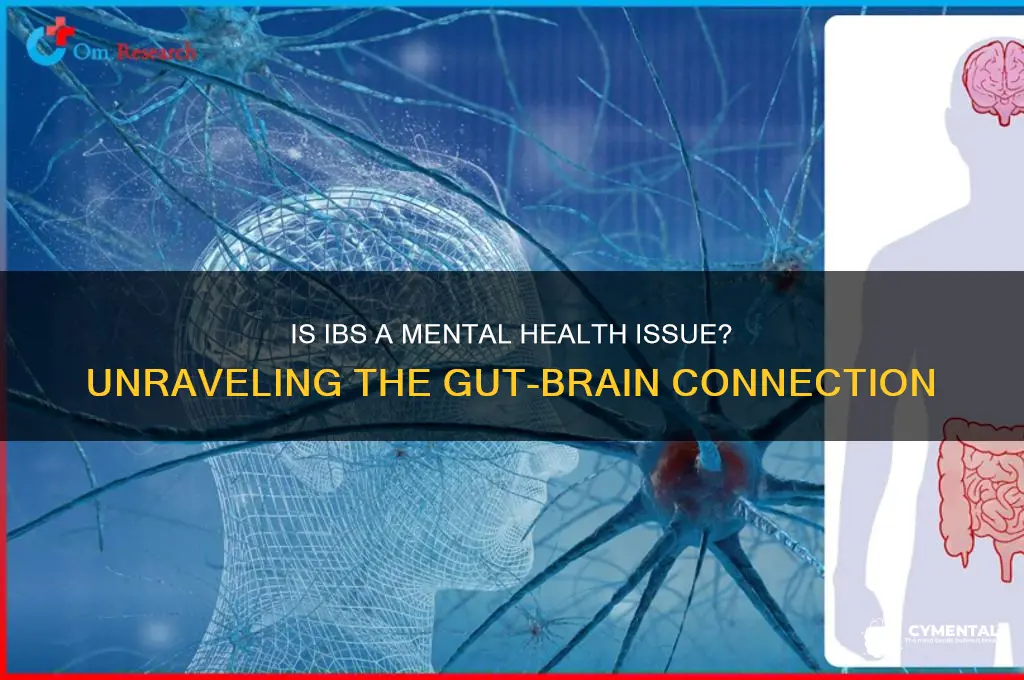
Irritable Bowel Syndrome (IBS) is often perceived primarily as a gastrointestinal disorder characterized by symptoms like abdominal pain, bloating, and altered bowel habits. However, growing evidence suggests a strong link between IBS and mental health, raising the question: Is IBS a mental health issue? While IBS is rooted in physical dysfunction, such as altered gut-brain communication, visceral hypersensitivity, and gut microbiota imbalances, psychological factors like stress, anxiety, and depression play a significant role in its onset and exacerbation. This interplay highlights the need to view IBS through a biopsychosocial lens, acknowledging that mental health is not the sole cause but a critical component in understanding and managing the condition.
| Characteristics | Values |
|---|---|
| Classification | Irritable Bowel Syndrome (IBS) is primarily a gastrointestinal disorder. |
| Mental Health Connection | Strongly linked to mental health issues such as anxiety and depression. |
| Prevalence of Comorbidity | Up to 60% of IBS patients also experience anxiety or depression. |
| Brain-Gut Axis | IBS involves dysfunction in the brain-gut axis, affecting gut sensitivity. |
| Psychological Factors | Stress, trauma, and emotional distress can trigger or worsen IBS symptoms. |
| Treatment Approaches | Often includes psychological therapies like CBT alongside dietary changes. |
| Biological Overlap | Shared biological pathways (e.g., serotonin dysregulation) in IBS and mental health disorders. |
| Impact on Quality of Life | IBS significantly impacts mental well-being and daily functioning. |
| Diagnostic Criteria | Rome IV criteria focus on GI symptoms, but mental health is considered in management. |
| Research Findings | Studies show bidirectional relationship between IBS and mental health. |
| Public Perception | Often misunderstood as purely psychological, though it is a physical condition with mental health ties. |
Explore related products


What You'll Learn
- IBS and Anxiety Link: Exploring the connection between irritable bowel syndrome and anxiety disorders
- Stress Impact on IBS: How chronic stress influences IBS symptoms and severity
- Depression in IBS Patients: Prevalence and effects of depression among individuals with IBS
- Psychological Treatments for IBS: Role of therapy and mindfulness in managing IBS
- Gut-Brain Axis Role: Understanding the neurological link between mental health and IBS

IBS and Anxiety Link: Exploring the connection between irritable bowel syndrome and anxiety disorders
Irritable bowel syndrome (IBS) and anxiety disorders often coexist, with studies showing that up to 60% of IBS patients also experience anxiety. This overlap isn’t coincidental; the gut-brain axis—a bidirectional communication network between the gastrointestinal tract and the central nervous system—plays a pivotal role. Stress and anxiety can trigger gut symptoms, while gastrointestinal distress can heighten anxiety, creating a cyclical pattern. Understanding this link is crucial for effective management, as treating one condition without addressing the other may yield incomplete results.
Consider the practical steps to break this cycle. Mindfulness-based stress reduction (MBSR) techniques, such as deep breathing exercises or guided meditation, can help regulate the nervous system and reduce gut hypersensitivity. For instance, practicing diaphragmatic breathing for 10 minutes daily has been shown to lower cortisol levels, a stress hormone that exacerbates IBS symptoms. Additionally, cognitive-behavioral therapy (CBT) tailored for IBS patients focuses on reframing negative thought patterns about gut symptoms, reducing anxiety-induced flare-ups. Pairing these strategies with dietary adjustments, like avoiding FODMAPs (fermentable oligosaccharides, disaccharides, monosaccharides, and polyols), can provide dual relief for both mental and physical symptoms.
A comparative analysis of treatment approaches reveals that pharmacological interventions alone are often insufficient. While antidepressants like SSRIs (selective serotonin reuptake inhibitors) can modulate gut motility and alleviate anxiety, they don’t address the behavioral or environmental factors contributing to the IBS-anxiety link. In contrast, integrative therapies—combining medication, psychotherapy, and lifestyle changes—offer a more holistic solution. For example, a study published in *Gut* found that patients who combined low-dose amitriptyline (10–25 mg/day) with CBT experienced a 50% reduction in IBS symptoms and anxiety levels compared to those on medication alone.
Finally, recognizing the age-specific nuances of this connection is essential. Younger adults (ages 18–35) with IBS are more likely to report anxiety as a primary trigger for gut symptoms, possibly due to heightened stress from academic or career pressures. In contrast, older adults (ages 50+) may experience anxiety secondary to chronic IBS, stemming from the unpredictability of symptoms. Tailoring interventions to these age groups—such as mindfulness apps for younger individuals and support groups for older adults—can enhance efficacy. By addressing both the gut and the mind, patients can achieve a more balanced and sustainable approach to managing IBS and anxiety.
Navigating Mental Health Challenges: Strategies for Healing and Resilience
You may want to see also
Explore related products


Stress Impact on IBS: How chronic stress influences IBS symptoms and severity
Chronic stress acts as a silent agitator for Irritable Bowel Syndrome (IBS), amplifying symptoms through a complex interplay of neurological and physiological pathways. The gut-brain axis, a bidirectional communication network between the gastrointestinal tract and the central nervous system, becomes particularly sensitive under prolonged stress. Cortisol, the body’s primary stress hormone, disrupts gut motility, leading to alternating episodes of diarrhea and constipation. Simultaneously, stress triggers the release of inflammatory cytokines, which irritate the intestinal lining and heighten visceral sensitivity. For instance, a study published in *Gastroenterology* found that individuals with high-stress levels experienced a 40% increase in IBS symptom severity compared to those with lower stress. This physiological cascade underscores why stress management is not just a mental health concern but a critical component of IBS treatment.
To mitigate stress-induced IBS flare-ups, targeted interventions must address both the mind and the gut. Cognitive Behavioral Therapy (CBT) has emerged as a frontline strategy, reducing stress by reshaping negative thought patterns and improving coping mechanisms. A randomized controlled trial in the *Journal of Clinical Gastroenterology* demonstrated that 70% of IBS patients undergoing 12 weeks of CBT reported significant symptom relief. Complementary practices such as mindfulness meditation and progressive muscle relaxation can further dampen the stress response. For gut-specific support, incorporating soluble fiber (e.g., 10–15 grams daily of psyllium husk) and probiotics (strains like *Bifidobacterium infantis*) can stabilize gut microbiota and reduce inflammation. However, abrupt dietary changes or over-supplementation can exacerbate symptoms, so gradual adjustments under professional guidance are essential.
The persuasive case for stress reduction in IBS management lies in its dual benefits: alleviating immediate symptoms and preventing long-term complications. Chronic stress not only worsens IBS but also increases the risk of comorbid conditions like anxiety and depression, creating a vicious cycle. For example, a longitudinal study in *Gut* revealed that untreated stress in IBS patients doubled the likelihood of developing generalized anxiety disorder within five years. Breaking this cycle requires a proactive approach, such as integrating stress-reduction techniques into daily routines. Simple practices like deep breathing exercises (4-7-8 breathing: inhale for 4 seconds, hold for 7, exhale for 8) or allocating 20 minutes daily for physical activity can yield measurable improvements. Employers and healthcare providers should also advocate for stress-aware environments, as workplace stress is a significant trigger for IBS exacerbations.
Comparatively, while medications like antispasmodics or low-dose antidepressants offer symptomatic relief, they do not address the root cause of stress-driven IBS. This highlights the need for holistic strategies that tackle both the psychological and gastrointestinal dimensions of the condition. For instance, combining pharmacotherapy with lifestyle modifications—such as maintaining a consistent sleep schedule (7-9 hours per night) and avoiding caffeine after 2 PM—can optimize outcomes. Age-specific considerations are also crucial; younger patients (under 30) may benefit more from digital stress-management apps, while older adults (over 50) might prefer structured group therapy sessions. Ultimately, recognizing stress as a modifiable risk factor empowers individuals to take control of their IBS, transforming it from a debilitating condition to a manageable one.
Understanding Gender Dysphoria: Mental Health or Identity Affirmation?
You may want to see also
Explore related products



Depression in IBS Patients: Prevalence and effects of depression among individuals with IBS
Depression is significantly more prevalent among individuals with Irritable Bowel Syndrome (IBS) compared to the general population, with studies indicating that up to 40% of IBS patients experience clinically significant depressive symptoms. This alarming statistic underscores the bidirectional relationship between gut health and mental well-being, where IBS symptoms can exacerbate depression, and depressive states can, in turn, worsen gastrointestinal distress. For instance, chronic abdominal pain, bloating, and unpredictable bowel movements often lead to social withdrawal, reduced quality of life, and heightened anxiety, creating a cycle of mental and physical decline.
Analyzing the effects of depression in IBS patients reveals a compounding impact on treatment outcomes. Depressed individuals with IBS are less likely to respond to conventional therapies, such as dietary modifications or antispasmodic medications, due to the interplay of psychological and physiological factors. For example, elevated stress levels in depressed patients can increase gut permeability and inflammation, further aggravating IBS symptoms. Clinicians often recommend integrated treatment plans that address both conditions simultaneously, such as cognitive-behavioral therapy (CBT) combined with low-FODMAP diets, to break this cycle.
From a practical standpoint, managing depression in IBS patients requires a tailored approach. Mindfulness-based stress reduction (MBSR) techniques, such as deep breathing exercises or guided meditation, have shown promise in reducing both depressive symptoms and IBS flare-ups. Additionally, selective serotonin reuptake inhibitors (SSRIs), commonly prescribed for depression, may also alleviate IBS symptoms due to serotonin’s role in gut motility. However, patients should be monitored for potential side effects, such as nausea or weight changes, which could complicate IBS management.
Comparatively, the prevalence of depression in IBS patients highlights the need for interdisciplinary care. Unlike standalone mental health conditions, depression in IBS requires collaboration between gastroenterologists, psychologists, and dietitians to address the multifaceted nature of the disorder. For instance, a 30-year-old patient with severe IBS and comorbid depression might benefit from a regimen that includes 20 mg of escitalopram daily, weekly CBT sessions, and a personalized dietary plan to manage symptoms holistically.
In conclusion, recognizing and treating depression in IBS patients is crucial for improving overall health outcomes. By acknowledging the intricate link between mental and gut health, healthcare providers can develop more effective, patient-centered strategies. Practical steps, such as incorporating mental health screenings into IBS assessments and educating patients on the mind-gut connection, can empower individuals to take control of their well-being. This integrated approach not only alleviates symptoms but also enhances the long-term quality of life for those living with IBS.
Navigating Young Adulthood: Strategies for Managing Mental Health Challenges
You may want to see also
Explore related products


Psychological Treatments for IBS: Role of therapy and mindfulness in managing IBS
Irritable bowel syndrome (IBS) is not solely a gastrointestinal disorder; its intricate link with mental health underscores the need for psychological interventions. Research indicates that stress, anxiety, and depression often exacerbate IBS symptoms, creating a cyclical pattern of physical discomfort and emotional distress. This bidirectional relationship highlights why addressing psychological factors is crucial in managing IBS effectively.
Analytical Perspective:
Therapy, particularly cognitive-behavioral therapy (CBT), has emerged as a cornerstone in psychological treatments for IBS. CBT helps patients identify and reframe negative thought patterns that contribute to stress, thereby reducing symptom severity. A 2019 study published in *Gut* found that 70% of IBS patients who underwent 8–12 sessions of CBT reported significant symptom improvement. Similarly, mindfulness-based stress reduction (MBSR) programs, which combine meditation and body awareness techniques, have shown promise. A randomized controlled trial in *The American Journal of Gastroenterology* demonstrated that 8 weeks of MBSR reduced IBS symptoms by 35% in participants compared to controls.
Instructive Approach:
Incorporating mindfulness into daily routines can be a practical strategy for IBS management. Start with 10 minutes of mindful breathing each morning, focusing on the sensation of air entering and leaving the body. Progressive muscle relaxation, practiced for 15 minutes before bed, can also alleviate tension and improve sleep quality, which is often disrupted in IBS patients. For those new to mindfulness, guided apps like Headspace or Calm offer structured programs tailored to stress reduction. Pairing these practices with a consistent sleep schedule (7–9 hours per night) and regular physical activity (30 minutes daily) amplifies their effectiveness.
Comparative Insight:
While medication like antispasmodics or antidepressants targets physical symptoms, psychological treatments address the root causes of IBS flare-ups. For instance, hypnotherapy, particularly gut-directed hypnotherapy, has shown efficacy comparable to medication but with fewer side effects. A meta-analysis in *The Lancet Gastroenterology & Hepatology* revealed that 75% of patients who underwent 6–12 sessions of hypnotherapy experienced long-term symptom relief, compared to 55% on medication alone. This underscores the value of psychological interventions as both standalone and complementary treatments.
Persuasive Argument:
Investing time in psychological treatments for IBS is not just beneficial—it’s essential. The gut-brain axis, a complex communication network between the gastrointestinal tract and the nervous system, plays a pivotal role in IBS. By addressing psychological stressors through therapy and mindfulness, patients can disrupt the cycle of symptom exacerbation. For example, a 30-year-old patient with severe IBS found that combining weekly CBT sessions with daily mindfulness exercises reduced her flare-ups from weekly to monthly within three months. Such outcomes illustrate the transformative potential of psychological interventions.
Descriptive Takeaway:
Imagine a toolkit for IBS management where therapy and mindfulness are the Swiss Army knives—versatile, effective, and indispensable. CBT provides the cognitive tools to dismantle stress-induced triggers, while mindfulness offers the emotional resilience to navigate symptom flare-ups. Together, they empower patients to reclaim control over their health. For optimal results, integrate these practices into a holistic regimen that includes dietary modifications (e.g., low-FODMAP diets) and consistent medical follow-ups. With patience and persistence, psychological treatments can turn the tide in the battle against IBS.
Supporting Loved Ones: Strategies for Navigating Mental Health Challenges
You may want to see also
Explore related products


Gut-Brain Axis Role: Understanding the neurological link between mental health and IBS
The gut-brain axis is a bidirectional communication network linking the central nervous system with the enteric nervous system, often referred to as the "second brain." This connection explains why stress, anxiety, and depression can trigger irritable bowel syndrome (IBS) symptoms—and vice versa. For instance, 60% of IBS patients report experiencing psychological distress, while gut inflammation can elevate cortisol levels, exacerbating mental health issues. Understanding this neurological link is crucial for holistic treatment.
To address IBS through the gut-brain axis, consider these actionable steps: incorporate probiotics (e.g., *Lactobacillus* and *Bifidobacterium* strains at 10–20 billion CFU daily) to modulate gut microbiota, practice mindfulness or cognitive-behavioral therapy (CBT) to reduce stress, and adopt a low-FODMAP diet to minimize gut irritation. For children and adolescents, parental involvement in stress management and dietary adjustments is key, as their developing gut-brain axis is particularly sensitive to environmental factors.
A comparative analysis reveals that while traditional IBS treatments focus on symptom management (e.g., antispasmodics or laxatives), gut-brain axis-targeted interventions address root causes. For example, a study in *Gastroenterology* found that 75% of IBS patients experienced symptom relief with CBT, compared to 40% with standard pharmacotherapy. This highlights the importance of integrating neurological and gastrointestinal care for optimal outcomes.
Descriptively, the gut-brain axis operates via the vagus nerve, neurotransmitters like serotonin (90% of which is produced in the gut), and immune signaling molecules called cytokines. When gut dysbiosis occurs, these pathways can become disrupted, leading to a cascade of mental and physical symptoms. Visualize it as a highway: when traffic (signals) flows smoothly, both the gut and brain function harmoniously; when blocked, chaos ensues.
Persuasively, dismissing IBS as solely a digestive issue overlooks its profound neurological dimension. Clinicians and patients alike must adopt a dual-pronged approach: treating the gut while nurturing mental well-being. For instance, combining prebiotic fiber (e.g., 5–10 grams daily) with regular aerobic exercise (30 minutes, 3–4 times weekly) can improve both gut health and mood regulation. This integrated strategy not only alleviates IBS but also fosters resilience against mental health challenges.
Supporting Loved Ones: Practical Ways to Aid Family Mental Health Struggles
You may want to see also
Frequently asked questions
IBS is primarily classified as a gastrointestinal disorder, but it has strong connections to mental health. Stress, anxiety, and depression can trigger or worsen IBS symptoms, and the condition often coexists with these mental health issues.
While mental health conditions like anxiety and stress do not directly cause IBS, they can significantly influence its onset and severity. The gut-brain axis plays a key role, as emotional stress can affect gut function and exacerbate symptoms.
Treatment for IBS often involves a multidisciplinary approach. While a gastroenterologist addresses physical symptoms, a mental health professional may help manage stress, anxiety, or depression that contribute to or result from IBS. Cognitive-behavioral therapy (CBT) and mindfulness techniques are commonly recommended.