Harper Lewis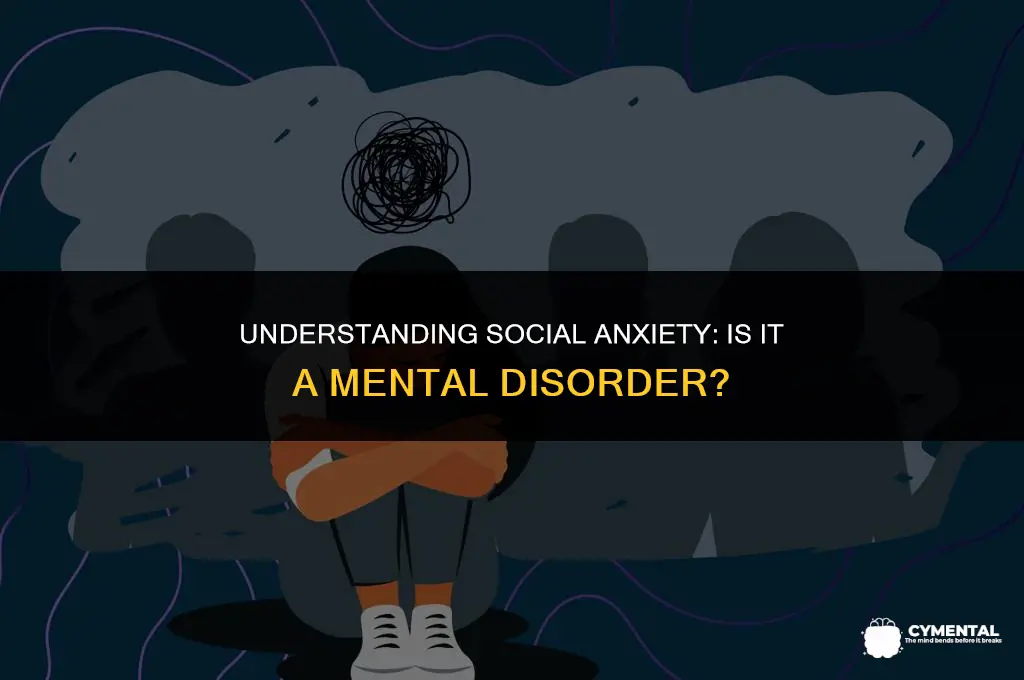
Social anxiety, characterized by an intense and persistent fear of social situations, is indeed classified as a mental disorder. Known clinically as social anxiety disorder (SAD), it affects millions of people worldwide, often leading to significant distress and impairment in daily functioning. Individuals with SAD may avoid social interactions or experience severe anxiety in them, which can interfere with their ability to form relationships, perform at work or school, and engage in everyday activities. Understanding SAD involves recognizing its symptoms, causes, and the various treatment options available to help those affected manage their condition and improve their quality of life.
| Characteristics | Values |
|---|---|
| Definition | Social anxiety disorder (SAD), also known as social phobia, is a common anxiety disorder where a person has an excessive and unreasonable fear of social situations. |
| Symptoms | Avoidance of social situations, intense anxiety in social settings, physical symptoms like blushing, sweating, trembling, nausea, and difficulty speaking. |
| Causes | Genetic predisposition, environmental factors, brain structure abnormalities, and negative experiences in social situations. |
| Prevalence | It is one of the most common anxiety disorders, affecting approximately 12% of adults in the United States at some point in their lives. |
| Diagnosis | Diagnosed by a mental health professional through a combination of clinical interviews, questionnaires, and observation of social interactions. |
| Treatment | Cognitive-behavioral therapy (CBT), exposure therapy, relaxation techniques, and in some cases, medication such as selective serotonin reuptake inhibitors (SSRIs). |
| Prognosis | With effective treatment, many individuals with SAD can experience significant improvement in their symptoms and quality of life. |
| Complications | Untreated SAD can lead to complications such as depression, substance abuse, and social isolation. |
| Lifestyle Impact | Can significantly impact daily life, affecting work, school, relationships, and overall well-being. |
| Support | Support groups, online resources, and mental health professionals can provide valuable assistance and guidance for those affected by SAD. |
Explore related products

$18.87 $29.95


What You'll Learn

Definition and Diagnosis
Social anxiety disorder, also known as social phobia, is characterized by an excessive and unreasonable fear of social situations. This fear can cause significant distress and impair the ability to function in daily life. According to the Diagnostic and Statistical Manual of Mental Disorders (DSM-5), social anxiety disorder is diagnosed when a person experiences persistent fear or anxiety about being watched or judged by others in social situations. This fear must be out of proportion to the actual risk involved and must interfere with the person's ability to function in social, academic, or occupational settings.
Diagnosis of social anxiety disorder typically involves a combination of clinical interviews, self-report measures, and behavioral observations. Clinicians may use structured interviews, such as the Structured Clinical Interview for DSM-5 (SCID-5), to assess the presence and severity of symptoms. Self-report measures, like the Liebowitz Social Anxiety Scale (LSAS), can provide additional information about the person's subjective experience of anxiety in social situations. Behavioral observations may also be used to assess the person's reactions in simulated social scenarios.
It is important to differentiate social anxiety disorder from other mental health conditions that may present with similar symptoms, such as generalized anxiety disorder or avoidant personality disorder. Social anxiety disorder is specifically characterized by the fear of social situations, whereas generalized anxiety disorder involves excessive worry about a variety of topics, and avoidant personality disorder is marked by a pervasive pattern of social inhibition and feelings of inadequacy.
Early diagnosis and treatment of social anxiety disorder are crucial for improving outcomes and reducing the risk of complications, such as depression, substance abuse, and social isolation. Cognitive-behavioral therapy (CBT) and medication, such as selective serotonin reuptake inhibitors (SSRIs), are commonly used treatments for social anxiety disorder. CBT helps individuals identify and challenge negative thought patterns and develop coping strategies for managing anxiety in social situations. Medication can help reduce symptoms of anxiety and improve overall functioning.
In conclusion, social anxiety disorder is a treatable mental health condition characterized by an excessive fear of social situations. Diagnosis involves a combination of clinical interviews, self-report measures, and behavioral observations. Early intervention and treatment are essential for improving outcomes and reducing the risk of complications.
Understanding Eating Disorders: A Mental Health Perspective
You may want to see also
Explore related products



Symptoms and Manifestations
Social anxiety disorder, also known as social phobia, is characterized by a persistent fear of being watched or judged by others. Individuals with this disorder often avoid social situations or experience severe anxiety in them. Symptoms can manifest in various ways, including physical, emotional, and behavioral signs.
Physically, social anxiety can lead to symptoms such as blushing, sweating, trembling, nausea, and difficulty breathing. These physiological responses are the body's reaction to the perceived threat of social scrutiny. Emotionally, individuals may experience intense feelings of fear, embarrassment, and self-consciousness. They may also have a persistent sense of dread about upcoming social events or situations.
Behaviorally, social anxiety can result in avoidance behaviors, where individuals may skip social gatherings, parties, or other events where they might be the center of attention. They may also exhibit safety behaviors, such as bringing a friend along to social situations or avoiding eye contact with others. These behaviors can reinforce the anxiety, making it more difficult to overcome.
Social anxiety disorder can also impact daily life and relationships. Individuals may struggle to make friends, maintain relationships, or advance in their careers due to their fear of social situations. They may also experience feelings of loneliness and isolation as a result of their avoidance behaviors.
It's important to note that social anxiety disorder is a treatable condition. With the right support and treatment, individuals can learn to manage their symptoms and improve their quality of life. Cognitive-behavioral therapy (CBT) is a common and effective treatment for social anxiety, as it helps individuals identify and challenge negative thought patterns and behaviors. Medications, such as selective serotonin reuptake inhibitors (SSRIs), can also be used to help manage symptoms.
In conclusion, social anxiety disorder is a complex condition that can manifest in various ways. By understanding the physical, emotional, and behavioral symptoms, individuals can seek the appropriate support and treatment to manage their anxiety and improve their overall well-being.
Unveiling the Psychological Struggles of Disney Princesses
You may want to see also
Explore related products


Causes and Risk Factors
Social anxiety disorder, also known as social phobia, is a common mental health condition characterized by an excessive and unreasonable fear of social situations. While the exact cause of social anxiety disorder is not fully understood, research suggests that it is likely due to a combination of genetic, environmental, and psychological factors.
Genetic factors may play a role in the development of social anxiety disorder, as studies have shown that the condition tends to run in families. Certain genetic variations may affect the regulation of neurotransmitters such as serotonin and dopamine, which are involved in mood and emotional responses.
Environmental factors, such as traumatic or stressful life events, can also contribute to the development of social anxiety disorder. For example, a person who experiences bullying, abuse, or rejection may develop a fear of social situations as a result. Additionally, cultural and social norms can influence the development of social anxiety, as individuals from certain backgrounds may be more likely to experience pressure to conform to social expectations.
Psychological factors, such as cognitive distortions and negative thought patterns, can also contribute to social anxiety disorder. Individuals with social anxiety may have a tendency to overestimate the likelihood of negative outcomes in social situations, or to underestimate their own ability to cope with these situations. These negative thought patterns can lead to feelings of anxiety and avoidance of social situations.
Other potential risk factors for social anxiety disorder include:
- Age: Social anxiety disorder typically begins in adolescence, although it can also develop in adulthood.
- Personality traits: Individuals with certain personality traits, such as introversion or neuroticism, may be more likely to develop social anxiety disorder.
- Medical conditions: Certain medical conditions, such as thyroid disorders or heart conditions, can contribute to the development of social anxiety disorder.
- Substance abuse: The use of certain substances, such as caffeine or alcohol, can exacerbate symptoms of social anxiety disorder.
Understanding the causes and risk factors for social anxiety disorder can help individuals and healthcare professionals develop effective strategies for prevention and treatment. By addressing these underlying factors, it may be possible to reduce the severity of symptoms and improve overall quality of life for those affected by social anxiety disorder.
Navigating the Process: Securing Disability Benefits for Mental Health Conditions
You may want to see also
Explore related products


Treatment Options
Cognitive-behavioral therapy (CBT) is a frontline treatment for social anxiety disorder, focusing on identifying and challenging negative thought patterns and behaviors. Through CBT, individuals learn to reframe their thoughts, develop coping strategies, and gradually expose themselves to anxiety-provoking situations in a controlled manner. This exposure helps to reduce the fear response over time. Typically, CBT involves weekly sessions with a therapist over several months, with homework assignments to practice new skills between sessions.
Medication can also play a role in managing social anxiety. Selective serotonin reuptake inhibitors (SSRIs) are commonly prescribed, as they help to regulate serotonin levels in the brain, which can reduce anxiety symptoms. Benzodiazepines may be used for short-term relief of severe symptoms, but they carry a risk of dependence and are generally not recommended for long-term use. It's crucial for individuals to consult with a healthcare professional to determine the most appropriate medication and dosage, as well as to monitor for any side effects.
In addition to traditional therapies, mindfulness-based interventions have shown promise in treating social anxiety. Mindfulness practices, such as meditation and deep breathing exercises, can help individuals become more aware of their thoughts and feelings, allowing them to respond to anxiety-provoking situations with greater calm and clarity. Yoga and tai chi, which combine physical movement with mindfulness, may also be beneficial in reducing symptoms of social anxiety.
For some individuals, social skills training can be an effective component of treatment. This type of training helps people develop and practice social skills, such as making eye contact, initiating conversations, and asserting themselves in social situations. Group therapy can provide a supportive environment for practicing these skills and receiving feedback from others.
Lifestyle changes can also contribute to managing social anxiety. Regular exercise, a balanced diet, and adequate sleep are important for overall mental health and can help to reduce anxiety symptoms. Limiting caffeine and alcohol intake can also be beneficial, as these substances can exacerbate anxiety. Additionally, engaging in activities that bring joy and a sense of accomplishment can help to build self-esteem and reduce the impact of social anxiety.
It's important to note that treatment for social anxiety should be tailored to the individual's specific needs and circumstances. A combination of therapies and strategies may be most effective, and ongoing support and monitoring are crucial for maintaining progress. With the right treatment approach, individuals with social anxiety can learn to manage their symptoms and improve their quality of life.
Unveiling the Experts: Who Diagnoses Mental Disorders?
You may want to see also
Explore related products


Impact on Daily Life
Social anxiety disorder significantly impacts daily life, often leading to avoidance behaviors that can limit personal and professional growth. Individuals may find themselves avoiding social situations, such as parties or meetings, due to the fear of being judged or embarrassed. This avoidance can result in missed opportunities for social interaction, networking, and career advancement.
The disorder can also affect routine activities, such as grocery shopping or using public transportation, where individuals may feel self-conscious or overwhelmed by the presence of others. This can lead to a reduced quality of life, as individuals may struggle to complete everyday tasks or feel isolated from their community.
Furthermore, social anxiety disorder can impact relationships, as individuals may have difficulty forming and maintaining connections with others. This can lead to feelings of loneliness and depression, which can further exacerbate the symptoms of social anxiety.
In terms of physical health, social anxiety disorder can manifest in a variety of ways, such as increased heart rate, sweating, and muscle tension. These physical symptoms can be distressing and may lead to additional health concerns if left untreated.
Overall, the impact of social anxiety disorder on daily life can be significant, affecting various aspects of an individual's well-being. It is important for those struggling with social anxiety to seek treatment and support in order to manage their symptoms and improve their quality of life.
Understanding Autism: Illness, Disorder, or Neurodiversity?
You may want to see also
Frequently asked questions
Yes, social anxiety disorder (SAD), also known as social phobia, is a common mental disorder characterized by a persistent fear of being watched or judged by others in social situations.
Common symptoms of SAD include intense anxiety in social situations, avoidance of social interactions, physical symptoms like blushing or sweating, and negative self-talk. Individuals may also experience panic attacks in severe cases.
SAD is often treated with a combination of psychotherapy, such as cognitive-behavioral therapy (CBT), and medication, including selective serotonin reuptake inhibitors (SSRIs) and benzodiazepines. Lifestyle changes and relaxation techniques may also be recommended.
While there is no definitive cure for SAD, treatment can significantly reduce symptoms and improve quality of life. With proper management, many individuals with SAD can lead fulfilling and productive lives.