Lucas Bennett
Considering taking a mental health day? It's a proactive step towards managing stress and maintaining overall well-being. In today's fast-paced world, it's easy to overlook the importance of mental health. However, recognizing when you need a break and taking time to recharge can significantly improve your productivity and outlook. A mental health day allows you to step back from daily pressures, reflect on your emotions, and engage in activities that bring you joy and relaxation. Whether you're feeling overwhelmed, anxious, or just need a moment to yourself, taking a mental health day can be a crucial part of self-care. Remember, prioritizing your mental health is not a sign of weakness but a sign of strength and self-awareness.
Explore related products




What You'll Learn
- Signs You Need a Break: Recognize symptoms of burnout, stress, or anxiety that indicate you should take time off
- Benefits of Mental Health Days: Understand how taking a day off can improve your overall well-being and productivity
- How to Plan a Mental Health Day: Tips on scheduling and preparing for a day focused on self-care and relaxation?
- Activities for Mental Health Days: Ideas for activities that can help you unwind and recharge, such as exercise or hobbies
- Talking to Your Employer: Guidance on how to discuss the need for a mental health day with your boss or HR

Signs You Need a Break: Recognize symptoms of burnout, stress, or anxiety that indicate you should take time off
Recognizing the signs that you need a break is crucial for maintaining your mental health and overall well-being. One of the key indicators that you should take time off is persistent fatigue. This isn't just feeling tired after a long day, but rather an ongoing sense of exhaustion that doesn't improve with rest. If you find yourself constantly feeling drained, both physically and emotionally, it's a strong signal that your body and mind need a break.
Another sign to watch for is a noticeable decrease in productivity. If you're struggling to complete tasks that you normally handle with ease, or if you're making mistakes that you wouldn't typically make, it could be a sign that you're experiencing burnout. This decrease in performance can be due to a lack of focus, which is often a result of prolonged stress or anxiety. Taking a mental health day can help you recharge and regain your focus, leading to improved productivity when you return.
Physical symptoms can also be indicative of the need for a break. Frequent headaches, stomachaches, or other unexplained physical discomforts can be manifestations of stress and anxiety. If you're experiencing these symptoms regularly, it's important to take time off to address them. Ignoring these physical signs can lead to more serious health issues down the line.
Additionally, if you find yourself becoming irritable or short-tempered, it may be a sign that you need a break. When you're under a lot of stress or experiencing burnout, it's common to become more sensitive and reactive to situations that wouldn't normally bother you. Taking time off can help you regain your emotional balance and reduce the likelihood of conflicts or misunderstandings with others.
Lastly, a lack of motivation or interest in activities you once enjoyed is a significant red flag. If you find yourself no longer looking forward to hobbies, social interactions, or other activities that used to bring you joy, it's a clear indication that you need to take a step back and prioritize your mental health. Taking a break can help you reconnect with these interests and find pleasure in them again.
In conclusion, recognizing the signs that you need a break is essential for preventing burnout and maintaining your mental health. Persistent fatigue, decreased productivity, physical symptoms, irritability, and a lack of motivation are all indicators that you should take time off. By paying attention to these signs and taking proactive steps to address them, you can ensure that you're able to perform at your best and enjoy a fulfilling life.
Cultivating Joy: The Mental Health Benefits of Engaging Hobbies
You may want to see also
Explore related products





Benefits of Mental Health Days: Understand how taking a day off can improve your overall well-being and productivity
Taking a mental health day can have profound benefits on your overall well-being and productivity. It's a proactive step towards managing stress and preventing burnout. When you take a day off to focus on your mental health, you're not just taking a break from work; you're investing in your long-term productivity and job satisfaction.
One of the key benefits of a mental health day is the opportunity to recharge and reset. This can involve engaging in activities that you find relaxing and rejuvenating, such as exercise, meditation, or spending time in nature. By stepping away from the demands of your job, you can gain a fresh perspective and return to work with renewed energy and focus.
Another significant advantage is the chance to address any underlying mental health issues. A day off can provide the space needed to reflect on your feelings and thoughts, and to seek professional help if necessary. This can lead to improved mental health outcomes and a better understanding of how to manage your well-being on an ongoing basis.
Furthermore, taking a mental health day can help to reduce stigma around mental health in the workplace. By openly discussing the importance of mental health and taking action to prioritize it, you can contribute to a more supportive and understanding work environment. This can have a positive impact not only on your own well-being, but also on the well-being of your colleagues.
In terms of productivity, a mental health day can lead to increased efficiency and effectiveness. When you're feeling overwhelmed and stressed, it's difficult to focus and complete tasks to the best of your ability. By taking a day off to recharge, you can return to work with a clearer mind and a greater capacity to tackle challenges. This can result in higher quality work and a more positive attitude towards your job.
In conclusion, taking a mental health day is not a sign of weakness; it's a sign of strength and self-awareness. By prioritizing your mental health, you can improve your overall well-being and productivity, leading to a more fulfilling and successful career.
Exploring Mental Health Courts: A Compassionate Approach to Justice
You may want to see also
Explore related products


How to Plan a Mental Health Day: Tips on scheduling and preparing for a day focused on self-care and relaxation
Taking a mental health day is a proactive step towards maintaining your well-being. Planning one requires thoughtful consideration to ensure it's both effective and rejuvenating. Here's a detailed guide on how to schedule and prepare for a day focused on self-care and relaxation.
First, identify a day that works best for you. Consider your schedule and choose a day when you have minimal commitments. If possible, plan ahead and mark this day on your calendar as a non-negotiable appointment with yourself. Treat it with the same importance as any other significant event.
Next, set clear intentions for your mental health day. What do you hope to achieve? Do you want to reduce stress, improve your mood, or simply take a break from daily demands? Having specific goals in mind will help you tailor your activities to meet your needs.
Plan activities that promote relaxation and self-care. This could include yoga, meditation, reading, taking a long bath, or enjoying nature. Schedule these activities in a way that feels balanced and manageable. Avoid overloading your day with too many plans, as this could lead to feeling overwhelmed.
Prepare your environment to support your mental health day. This might involve cleaning your space, organizing your belongings, or setting up a comfortable area for relaxation. Consider what sensory elements contribute to your calm, such as soft lighting, soothing music, or pleasant scents, and incorporate these into your surroundings.
Finally, communicate your plans to others. Let friends, family, and colleagues know that you'll be taking a day for yourself and that you'll be unavailable during this time. This helps set boundaries and ensures that you're not interrupted or burdened with responsibilities on your day off.
Remember, taking a mental health day is not a luxury but a necessity. By planning and preparing thoughtfully, you can make the most of this time and return to your daily life feeling refreshed and more capable of handling challenges.
Mindful May: Embracing Mental Health Awareness Month 2025
You may want to see also
Explore related products
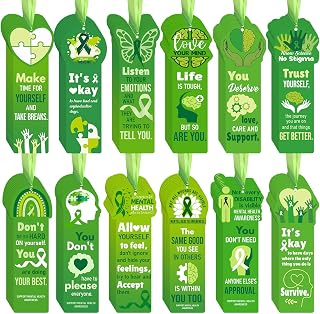


Activities for Mental Health Days: Ideas for activities that can help you unwind and recharge, such as exercise or hobbies
Engaging in physical activities is a well-known method to alleviate stress and improve mental health. Exercise releases endorphins, which are natural mood lifters, and can help reduce feelings of anxiety and depression. Whether it's a brisk walk, a yoga session, or a high-intensity workout, finding a form of exercise that you enjoy can be a powerful tool in your mental health toolkit.
Creative hobbies, such as painting, writing, or playing music, offer another avenue for relaxation and self-expression. These activities allow you to focus on the present moment, fostering mindfulness and providing a break from the constant stream of thoughts and worries. Engaging in a hobby you're passionate about can also boost your self-esteem and sense of accomplishment, which are crucial for maintaining good mental health.
Spending time in nature has been shown to have a calming effect on the mind. Taking a hike, gardening, or simply sitting in a park can help you feel more grounded and connected to the world around you. The tranquility of natural settings can reduce stress levels and promote a sense of peace and well-being.
Social connections are vital for mental health, so consider spending your mental health day with friends or family. Engaging in social activities, such as having a meal together, watching a movie, or playing games, can provide emotional support and help you feel less isolated. Sharing your experiences and feelings with others can also be therapeutic and help you gain new perspectives.
Lastly, don't underestimate the power of relaxation techniques, such as meditation, deep breathing exercises, or progressive muscle relaxation. These practices can help you manage stress, reduce physical tension, and cultivate a sense of inner calm. Incorporating these techniques into your mental health day routine can provide long-lasting benefits for your overall well-being.
Unveiling the Meaning Behind the Mental Health Ribbon's Color
You may want to see also
Explore related products


Talking to Your Employer: Guidance on how to discuss the need for a mental health day with your boss or HR
Approaching your employer about the need for a mental health day can be a daunting task, but it's a crucial step in prioritizing your well-being. Begin by scheduling a private meeting with your boss or HR representative, ensuring you have their undivided attention. During the meeting, clearly articulate your request, emphasizing the importance of mental health in maintaining productivity and overall job satisfaction.
Provide specific examples of how taking a mental health day will benefit both you and the company. Highlight any recent instances where stress or burnout may have impacted your performance, and explain how a day off will help you recharge and return to work more focused and efficient. Be prepared to discuss any accommodations or adjustments that may be necessary during your absence, such as delegating tasks or setting up automatic responses for emails.
Anticipate potential concerns or objections from your employer and have thoughtful responses prepared. Address any worries about workload distribution, project deadlines, or the impact on team dynamics. Offer solutions, such as proposing a temporary redistribution of tasks or suggesting a colleague who can cover for you during your absence.
Remember to approach the conversation with a collaborative mindset, seeking a mutually beneficial solution. Express your commitment to your role and the company, while also emphasizing the importance of maintaining a healthy work-life balance. Be open to feedback and suggestions from your employer, and work together to find a solution that supports your mental health without compromising your professional responsibilities.
After the meeting, follow up with an email summarizing the discussion and any agreements reached. This will help ensure that both you and your employer are on the same page regarding your mental health day and any associated logistics. By taking this proactive approach, you can set a positive precedent for prioritizing mental health in your workplace and encourage a culture of openness and support.
Understanding Short-Term Disability Coverage for Mental Health Conditions
You may want to see also
Frequently asked questions
A mental health day is a day taken off from work or other responsibilities to focus on one's mental well-being. It's a proactive step to manage stress, anxiety, or other mental health concerns.
Yes, if you're feeling overwhelmed, taking a mental health day can be a beneficial way to recharge and address your mental health needs. It's important to prioritize your well-being.
You might need a mental health day if you're experiencing symptoms of burnout, such as chronic fatigue, irritability, or a decreased ability to focus. Other signs include persistent stress, anxiety, or feelings of being overwhelmed.
On a mental health day, you can engage in activities that help you relax and recharge. This might include exercise, meditation, spending time in nature, reading, or pursuing hobbies you enjoy. It's also important to avoid stressors and focus on self-care.
It's important to communicate with your employer or those you're responsible to when taking a mental health day. In many cases, employers are understanding and supportive of employees taking time off for mental health reasons. If you're concerned about the impact, you can discuss your options with your employer or a mental health professional.