Ava Ramirez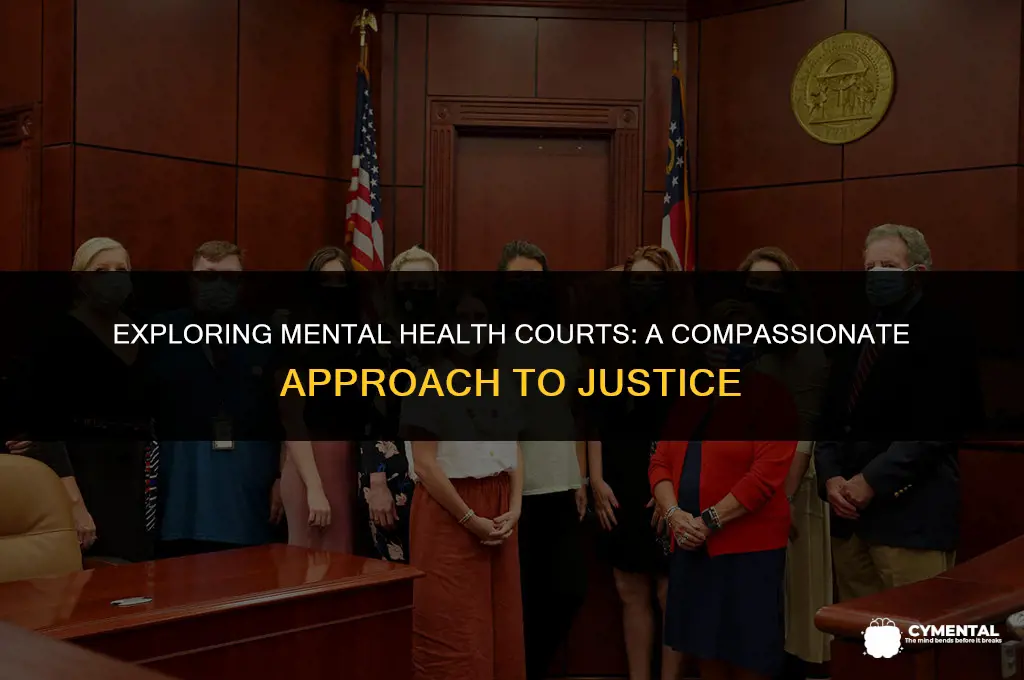
A mental health court is a specialized judicial system designed to address the needs of individuals with mental illnesses who are involved in the criminal justice system. These courts aim to provide a more compassionate and effective approach to dealing with mentally ill offenders by offering treatment and support services rather than solely relying on punitive measures. By integrating mental health professionals and resources into the legal process, mental health courts seek to improve outcomes for both the individuals and the community, reducing recidivism and promoting public safety.
| Characteristics | Values |
|---|---|
| Definition | A specialized court designed to handle cases involving individuals with mental health issues |
| Purpose | To provide a more compassionate and effective approach to dealing with mental health-related offenses |
| Jurisdiction | Typically found in criminal justice systems, dealing with misdemeanor and felony cases |
| Participants | Defendants with diagnosed mental health conditions, legal representatives, mental health professionals, and court officials |
| Procedures | Assessments, treatment plans, regular court appearances, and progress monitoring |
| Goals | To address the underlying mental health issues, reduce recidivism, and ensure public safety |
| Legal Framework | Based on specific state or federal laws governing mental health courts |
| Eligibility | Defendants must meet certain criteria, such as having a diagnosable mental health condition and being deemed a risk to themselves or others |
| Services Provided | Mental health treatment, counseling, medication management, and social support services |
| Outcomes | Successful completion can lead to reduced sentences, probation, or dismissal of charges |
| Challenges | Limited resources, lack of specialized training for court personnel, and potential for reoffending |
| Benefits | Improved mental health outcomes, reduced jail populations, and cost savings for the criminal justice system |
| History | First established in the 1980s, with growing popularity in the 1990s and 2000s |
| Prevalence | Found in many countries, with varying levels of implementation and success |
| Criticisms | Concerns about stigmatization, lack of due process, and potential for coercive treatment |
| Future Directions | Expansion of services, increased funding, and ongoing research to improve effectiveness |
Explore related products


$32.5 $32.5


What You'll Learn
- Definition: A specialized court system designed to handle cases involving individuals with mental health issues
- Purpose: To provide a more compassionate and effective approach to dealing with mentally ill offenders
- Process: Defendants are evaluated by mental health professionals and may be offered treatment instead of incarceration
- Benefits: Reduces recidivism, lowers costs, and improves outcomes for individuals with mental health conditions
- Criticisms: Concerns about fairness, effectiveness, and the potential for over-reliance on the mental health system

Definition: A specialized court system designed to handle cases involving individuals with mental health issues
A mental health court is a specialized judicial system designed to address the unique needs of individuals with mental health issues who are involved in legal proceedings. Unlike traditional courts, mental health courts focus on providing treatment and support rather than solely on punishment. This approach aims to reduce recidivism and improve outcomes for defendants with mental health conditions.
The primary goal of a mental health court is to divert individuals with mental health issues from the criminal justice system into appropriate treatment programs. This is achieved through a collaborative effort between judges, prosecutors, defense attorneys, mental health professionals, and social workers. Together, they develop individualized treatment plans that address the specific needs of each defendant.
Mental health courts typically have a multidisciplinary team that assesses defendants to determine their eligibility for the program. This assessment includes a review of the defendant's mental health history, current symptoms, and any previous treatment. If deemed eligible, the defendant is then placed into a treatment program that may include therapy, medication, and other support services.
Throughout the treatment process, the mental health court maintains jurisdiction over the case, monitoring the defendant's progress and ensuring compliance with the treatment plan. If the defendant successfully completes the program, the charges may be dismissed or reduced. However, if the defendant fails to comply with the treatment plan or reoffends, they may be returned to the traditional criminal justice system.
Mental health courts have been shown to be effective in reducing recidivism rates among individuals with mental health issues. By providing treatment and support, these courts help defendants address the underlying causes of their behavior, leading to better outcomes for both the individuals and the community. Additionally, mental health courts can help alleviate the burden on the criminal justice system by diverting cases that would otherwise require lengthy and costly trials.
In conclusion, mental health courts represent a compassionate and effective approach to addressing the needs of individuals with mental health issues who are involved in legal proceedings. By focusing on treatment and support, these courts help improve outcomes for defendants while also reducing the strain on the criminal justice system.
Understanding Mental Health Clinicians: Their Role in Your Well-being
You may want to see also
Explore related products


Purpose: To provide a more compassionate and effective approach to dealing with mentally ill offenders
The mental health court system was established with the primary purpose of providing a more compassionate and effective approach to dealing with mentally ill offenders. This specialized court system recognizes that individuals with mental health issues often require treatment and support rather than punitive measures. By diverting these individuals from the traditional criminal justice system, mental health courts aim to address the underlying causes of their behavior, reduce recidivism, and improve public safety.
One of the key features of mental health courts is their focus on individualized treatment plans. Unlike the one-size-fits-all approach often seen in the criminal justice system, mental health courts work closely with mental health professionals to develop personalized plans that address the specific needs of each offender. These plans may include therapy, medication, substance abuse treatment, and other support services. By providing targeted interventions, mental health courts can help individuals with mental health issues to stabilize their lives and reduce the likelihood of future criminal behavior.
Another important aspect of mental health courts is their emphasis on collaboration and community involvement. Mental health courts often bring together representatives from various agencies, including law enforcement, mental health services, and social services, to work together in addressing the needs of mentally ill offenders. This collaborative approach helps to ensure that individuals receive comprehensive care and support, and that they are not simply shuffled through the system without receiving the help they need. Additionally, mental health courts often involve community members in the process, providing education and training to help reduce stigma and promote understanding of mental health issues.
Mental health courts also play a critical role in reducing the burden on the criminal justice system. By diverting mentally ill offenders to specialized courts, the traditional criminal justice system can focus on individuals who pose a greater risk to public safety. This not only helps to improve the efficiency of the criminal justice system but also reduces the likelihood of mentally ill individuals being incarcerated in facilities that are not equipped to meet their needs. Furthermore, mental health courts can help to reduce the financial burden on the criminal justice system by providing cost-effective alternatives to incarceration.
In conclusion, mental health courts serve a vital purpose in providing a more compassionate and effective approach to dealing with mentally ill offenders. By focusing on individualized treatment plans, collaboration, and community involvement, mental health courts can help to address the underlying causes of criminal behavior, reduce recidivism, and improve public safety. As the mental health court system continues to evolve, it is essential that we recognize the importance of these specialized courts in promoting justice and supporting individuals with mental health issues.
Exploring Women's Mental Health: Awareness, Advocacy, and Action
You may want to see also
Explore related products


Process: Defendants are evaluated by mental health professionals and may be offered treatment instead of incarceration
Defendants in mental health court are evaluated by mental health professionals to determine their suitability for treatment programs instead of traditional incarceration. This process typically involves a thorough assessment of the individual's mental health history, current symptoms, and potential risk factors. Mental health professionals may use a variety of tools and techniques to conduct these evaluations, including interviews, psychological testing, and review of medical records.
Based on the results of the evaluation, defendants may be offered treatment programs that are tailored to their specific needs. These programs can include a range of interventions, such as medication management, individual therapy, group therapy, and vocational training. The goal of these programs is to address the underlying mental health issues that may have contributed to the defendant's criminal behavior, and to provide them with the skills and support they need to reintegrate into society.
Treatment programs in mental health court are often designed to be more intensive and comprehensive than those available in traditional criminal justice settings. This is because mental health court recognizes that individuals with mental health issues may require more specialized care and support in order to successfully reintegrate into society. By providing defendants with access to these programs, mental health court aims to reduce recidivism rates and improve public safety.
In addition to treatment, defendants in mental health court may also be subject to certain conditions and requirements, such as regular check-ins with mental health professionals, drug testing, and community service. These conditions are designed to ensure that defendants are actively engaged in their treatment programs and are making progress towards their recovery goals.
Overall, the process of evaluating defendants and offering them treatment instead of incarceration is a key component of mental health court. By providing individuals with access to specialized care and support, mental health court aims to address the root causes of criminal behavior and promote more positive outcomes for both defendants and society as a whole.
Exploring Mental Health Awareness: A Month-Long Journey
You may want to see also
Explore related products


Benefits: Reduces recidivism, lowers costs, and improves outcomes for individuals with mental health conditions
Mental health courts offer a specialized approach to addressing the needs of individuals with mental health conditions who are involved in the criminal justice system. By providing a supportive and therapeutic environment, these courts aim to reduce recidivism rates, lower costs associated with incarceration, and improve outcomes for participants.
One of the key benefits of mental health courts is their ability to connect individuals with the treatment and support they need to address their mental health conditions. This can include access to therapy, medication, and other evidence-based interventions that are tailored to the individual's specific needs. By addressing the underlying mental health issues that may contribute to criminal behavior, mental health courts can help to reduce the likelihood of reoffending.
In addition to reducing recidivism, mental health courts can also help to lower the costs associated with incarceration. By providing treatment and support in a community-based setting, these courts can help to reduce the need for expensive prison placements. This can lead to significant cost savings for the criminal justice system, as well as for the individuals and families involved.
Furthermore, mental health courts can improve outcomes for individuals with mental health conditions by providing a more humane and compassionate approach to justice. By recognizing the complex needs of these individuals and offering them the support they require, mental health courts can help to promote recovery and improve overall well-being. This can lead to better outcomes not only for the individuals involved, but also for their families and communities.
Overall, mental health courts offer a promising approach to addressing the needs of individuals with mental health conditions who are involved in the criminal justice system. By providing specialized treatment and support, these courts can help to reduce recidivism rates, lower costs, and improve outcomes for participants. As such, they represent an important step forward in the effort to create a more just and compassionate criminal justice system.
Unveiling the Truth: Men's Mental Health Matters Every Day
You may want to see also
Explore related products


Criticisms: Concerns about fairness, effectiveness, and the potential for over-reliance on the mental health system
One of the primary criticisms of mental health courts is the concern about fairness in their proceedings. Critics argue that these courts may disproportionately affect marginalized communities, perpetuating existing biases within the criminal justice system. For instance, individuals from lower socioeconomic backgrounds may have limited access to adequate legal representation and mental health services, placing them at a disadvantage in court. Furthermore, the subjective nature of mental health assessments can lead to inconsistent and potentially discriminatory outcomes.
Effectiveness is another area of contention. While proponents of mental health courts argue that they provide a more compassionate approach to dealing with mentally ill offenders, detractors point out that there is limited empirical evidence to support their efficacy. Some studies have suggested that mental health courts may not significantly reduce recidivism rates or improve outcomes for defendants compared to traditional criminal courts. This raises questions about whether the resources invested in these specialized courts are yielding the desired results.
A related concern is the potential for over-reliance on the mental health system. Mental health courts may inadvertently create a pipeline that funnels individuals into psychiatric treatment without fully considering alternative approaches or the broader social determinants of mental health. This can lead to the medicalization of social issues and the stigmatization of individuals who may not necessarily require psychiatric intervention. Additionally, the emphasis on mental health treatment may overshadow other critical factors, such as housing, employment, and social support, which are essential for long-term recovery and reintegration into society.
In conclusion, while mental health courts were established with the intention of providing a more humane and effective response to mentally ill offenders, they have faced criticism regarding fairness, effectiveness, and the potential for over-reliance on the mental health system. Addressing these concerns will require a nuanced and multifaceted approach, involving stakeholders from the legal, mental health, and social services sectors. By critically examining the practices and outcomes of mental health courts, we can work towards developing more equitable and effective solutions for individuals at the intersection of mental health and the criminal justice system.
Exploring the Metrics: How Mental Health is Measured
You may want to see also
Frequently asked questions
A mental health court is a specialized court designed to handle cases involving individuals with mental health issues. These courts aim to provide a more compassionate and therapeutic approach to dealing with defendants who have mental health challenges, often diverting them from traditional criminal justice pathways and into treatment programs.
Unlike regular courts, mental health courts focus on the rehabilitation and treatment of defendants rather than solely on punishment. They often involve a multidisciplinary team, including mental health professionals, social workers, and legal experts, who work together to create individualized treatment plans for each defendant. Additionally, mental health courts may have more flexible procedures and may prioritize confidentiality and support for the individuals involved.
The primary goals of a mental health court include reducing recidivism by addressing the underlying mental health issues that contribute to criminal behavior, improving public safety by ensuring that individuals receive appropriate treatment and supervision, and enhancing the overall well-being of defendants by providing them with access to mental health services and support. These courts also aim to reduce the burden on the criminal justice system by diverting cases that can be more effectively handled through mental health interventions.