Madison Cole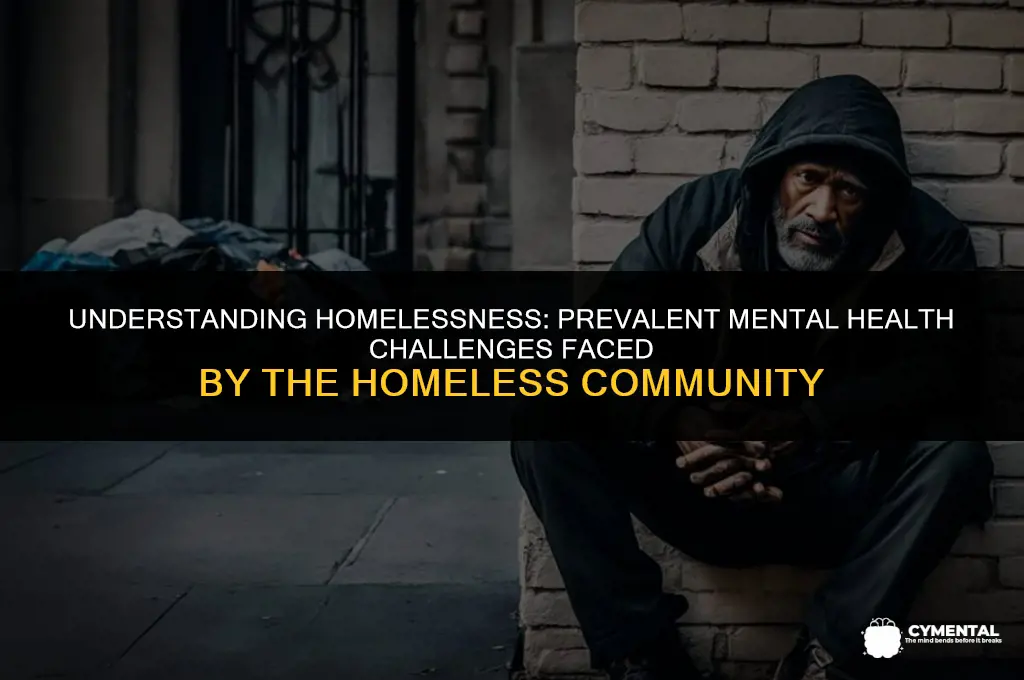
Homelessness is a complex issue that often intersects with mental health challenges. Among the homeless population, certain mental health issues are more prevalent due to the stress, instability, and lack of access to healthcare that accompanies life on the streets. This paragraph will delve into the most common mental health issues faced by homeless individuals, shedding light on the struggles they endure and the importance of addressing these challenges to improve their overall well-being.
Explore related products


What You'll Learn
- Depression: Homeless individuals often experience severe depression due to their living conditions and lack of support
- Anxiety Disorders: The uncertainty and dangers of living on the streets can lead to heightened anxiety and panic attacks
- Substance Abuse: Many homeless people turn to drugs or alcohol as a coping mechanism, leading to addiction and further health issues
- Trauma: Homelessness can result from traumatic events, and the instability can exacerbate existing trauma or create new traumatic experiences
- Psychotic Disorders: The stress and isolation of homelessness can sometimes trigger psychotic episodes or worsen pre-existing psychotic conditions

Depression: Homeless individuals often experience severe depression due to their living conditions and lack of support
Homeless individuals often experience severe depression due to their living conditions and lack of support. This is a critical issue within the broader context of mental health challenges faced by the homeless population. The instability and uncertainty of life on the streets can lead to a profound sense of hopelessness and despair, which are key symptoms of depression. Without access to basic necessities such as food, shelter, and healthcare, homeless individuals are at a higher risk of developing mental health disorders, with depression being one of the most prevalent.
Research has shown that the prevalence of depression among homeless individuals is significantly higher than in the general population. Factors contributing to this include the stress of living in poverty, the lack of social support networks, and the constant exposure to dangerous and unpredictable environments. Furthermore, the stigma associated with homelessness can exacerbate feelings of isolation and worthlessness, deepening the impact of depression on this vulnerable group.
Addressing depression in the homeless population requires a multifaceted approach. Providing access to mental health services is crucial, but it is equally important to address the underlying social and economic factors that contribute to homelessness. This includes implementing policies to increase affordable housing, improve access to healthcare, and provide job training and employment opportunities. By addressing these root causes, we can help to alleviate the stress and uncertainty that contribute to depression among homeless individuals.
In addition to these systemic changes, there are also practical steps that can be taken to support homeless individuals struggling with depression. Outreach programs that provide mental health screenings and referrals to treatment can be effective in connecting people with the help they need. Peer support groups, where homeless individuals can share their experiences and offer mutual encouragement, can also be beneficial. Moreover, providing access to basic necessities such as food, clothing, and hygiene facilities can help to improve overall well-being and reduce the severity of depressive symptoms.
Ultimately, addressing depression among homeless individuals is a complex challenge that requires a comprehensive and compassionate approach. By working to address both the individual symptoms of depression and the broader social and economic factors that contribute to homelessness, we can help to improve the mental health and overall quality of life for this vulnerable population.
Unveiling the Mental Challenges of School Sports: A Comprehensive Guide
You may want to see also
Explore related products

$14.13 $25.99


Anxiety Disorders: The uncertainty and dangers of living on the streets can lead to heightened anxiety and panic attacks
Living on the streets presents a myriad of challenges that can significantly impact an individual's mental health. Among the most prevalent issues faced by the homeless population are anxiety disorders. The constant uncertainty and dangers inherent in street life can lead to heightened states of anxiety and frequent panic attacks. This is not merely a matter of transient worry; for many homeless individuals, anxiety becomes a chronic condition that severely affects their daily functioning and overall well-being.
The unpredictability of life on the streets is a primary contributor to anxiety disorders among the homeless. Without a stable living environment, individuals are constantly exposed to threats such as violence, theft, and health risks. This persistent sense of insecurity can trigger anxiety responses, making it difficult for individuals to relax or feel safe. Furthermore, the lack of access to basic necessities like food, water, and shelter adds to the stress, creating a cycle of worry and fear that is hard to break.
Panic attacks are another common manifestation of anxiety disorders in the homeless population. These sudden, intense episodes of fear can be debilitating, causing physical symptoms such as rapid heartbeat, shortness of breath, and trembling. For someone living on the streets, a panic attack can be particularly terrifying, as there is often no safe place to retreat to or seek help. The fear of having another panic attack can itself become a source of anxiety, leading to a vicious cycle of fear and avoidance behaviors.
In addition to the environmental stressors, homeless individuals may also face social isolation, which can exacerbate anxiety disorders. The stigma associated with homelessness can lead to rejection by family and friends, leaving individuals feeling alone and unsupported. This isolation can intensify feelings of anxiety and despair, making it even more challenging to cope with the daily stresses of street life.
Addressing anxiety disorders in the homeless population requires a multifaceted approach. Providing access to safe, stable housing is a critical first step, as it allows individuals to feel a sense of security and control over their environment. Additionally, mental health services tailored to the specific needs of the homeless are essential. These services should include counseling, therapy, and, in some cases, medication to help manage anxiety symptoms. Community support programs that offer social connections and practical assistance can also play a vital role in reducing anxiety and improving overall mental health outcomes for the homeless.
In conclusion, anxiety disorders are a significant mental health issue among the homeless population, driven by the uncertainty, dangers, and social isolation inherent in street life. Addressing these disorders requires a comprehensive approach that includes safe housing, specialized mental health services, and community support. By providing these resources, we can help alleviate the burden of anxiety for homeless individuals and improve their chances of achieving stability and well-being.
Understanding Anxiety: Is It a Mental Health Issue?
You may want to see also
Explore related products


Substance Abuse: Many homeless people turn to drugs or alcohol as a coping mechanism, leading to addiction and further health issues
Substance abuse is a pervasive issue among homeless populations, often serving as a coping mechanism for the stress and trauma associated with homelessness. This reliance on drugs or alcohol can quickly lead to addiction, exacerbating the already challenging circumstances faced by individuals without stable housing. The cycle of addiction and homelessness is complex, with each factor feeding into the other, creating a difficult situation to overcome without comprehensive support.
One of the primary reasons substance abuse is so prevalent among the homeless is the lack of access to mental health services. Without proper treatment for underlying mental health conditions, individuals may turn to substances as a form of self-medication. This can lead to a dangerous spiral, as the temporary relief provided by drugs or alcohol is often outweighed by the long-term negative consequences, including physical health problems, legal issues, and further social isolation.
The physical health issues resulting from substance abuse can be severe, particularly for those living on the streets. Addictions to drugs like opioids or methamphetamine can lead to overdose, while chronic alcohol use can result in liver disease, cardiovascular problems, and neurological damage. These health problems not only worsen the quality of life for homeless individuals but also increase their risk of premature death.
Breaking the cycle of substance abuse and homelessness requires a multifaceted approach. Providing access to mental health services, including counseling and medication-assisted treatment, is crucial. Additionally, offering stable housing and support services can help individuals address the root causes of their addiction and rebuild their lives. Community-based programs that focus on harm reduction, such as needle exchange and safe consumption sites, can also play a vital role in mitigating the negative impacts of substance abuse.
In conclusion, substance abuse is a significant mental health issue among the homeless, often stemming from a lack of access to adequate care and support. Addressing this problem requires a comprehensive strategy that includes mental health treatment, housing assistance, and harm reduction initiatives. By tackling these issues holistically, we can help break the cycle of addiction and homelessness, improving the lives of those affected by these challenges.
Supporting Mental Health: Practical Ways to Help Others Heal and Thrive
You may want to see also
Explore related products





Trauma: Homelessness can result from traumatic events, and the instability can exacerbate existing trauma or create new traumatic experiences
Trauma is a pervasive issue among the homeless population, often serving as both a cause and a consequence of homelessness. Many individuals experiencing homelessness have endured traumatic events such as physical or sexual abuse, domestic violence, or combat, which can lead to severe mental health issues. The instability and uncertainty of homelessness further compound these problems, creating a cycle of trauma that is difficult to break.
One of the most significant challenges in addressing trauma among the homeless is the lack of stable housing. Without a safe and secure place to live, individuals are constantly exposed to new stressors and potential dangers, which can exacerbate existing trauma or create new traumatic experiences. This instability can also make it difficult for individuals to access mental health services or maintain a consistent treatment plan, further hindering their recovery.
Moreover, the social isolation often experienced by the homeless can intensify feelings of trauma. Being disconnected from friends, family, and community can lead to a sense of abandonment and hopelessness, which can worsen mental health symptoms. This isolation can also make it more challenging for individuals to seek help or find support, perpetuating the cycle of trauma and homelessness.
To effectively address trauma among the homeless, it is crucial to provide stable housing and access to mental health services. This can involve implementing housing-first initiatives that prioritize securing safe and affordable housing for individuals, followed by connecting them with mental health professionals who can help them process their trauma and develop coping strategies. Additionally, community-based programs that focus on building social connections and providing peer support can be instrumental in helping individuals overcome the isolating effects of trauma.
In conclusion, trauma is a complex and multifaceted issue that deeply impacts the homeless population. By understanding the interplay between trauma and homelessness and providing targeted interventions, we can help individuals break free from this cycle and improve their overall well-being.
Navigating Ethical Dilemmas in Mental Health Nursing: A Compassionate Approach
You may want to see also
Explore related products


$16.97 $19.99



Psychotic Disorders: The stress and isolation of homelessness can sometimes trigger psychotic episodes or worsen pre-existing psychotic conditions
The stress and isolation inherent in homelessness can significantly impact mental health, particularly by triggering or exacerbating psychotic disorders. Psychosis, characterized by a disconnection from reality, can manifest as hallucinations, delusions, or disorganized thinking and behavior. For individuals experiencing homelessness, the lack of stable living conditions, social support, and access to consistent mental health care can create an environment where psychotic episodes are more likely to occur or worsen.
Research indicates that the prevalence of psychotic disorders among homeless populations is higher compared to the general population. This increased risk is attributed to various factors, including the chronic stress of living without a permanent residence, the trauma associated with homelessness, and the limited access to mental health services. Furthermore, substance abuse, which is often more prevalent among homeless individuals, can also contribute to the development or worsening of psychotic symptoms.
Addressing psychotic disorders in the context of homelessness requires a multifaceted approach. Providing stable housing and social support can help reduce the stress and isolation that contribute to psychotic episodes. Additionally, ensuring access to mental health care, including medication and therapy, is crucial for managing symptoms and improving overall mental health outcomes. Community-based programs that offer outreach services and support groups can also play a vital role in connecting homeless individuals with the resources they need to address their mental health challenges.
In conclusion, the intersection of homelessness and psychotic disorders highlights the need for comprehensive mental health services and social support systems. By addressing the unique challenges faced by homeless individuals, we can work towards reducing the prevalence and impact of psychotic disorders within this vulnerable population.
Empowering Workplaces: Strategies to Support Staff Mental Health Effectively
You may want to see also
Frequently asked questions
The most common mental health issues among the homeless population include depression, anxiety disorders, post-traumatic stress disorder (PTSD), and substance use disorders. These conditions are often exacerbated by the stress of living without stable housing and access to basic needs.
Homelessness can significantly impact mental health by increasing stress levels, reducing access to mental health care, and exposing individuals to traumatic events. The lack of stable housing and basic necessities can lead to feelings of insecurity and hopelessness, which can worsen existing mental health conditions or contribute to the development of new ones.
Homeless individuals face several challenges in accessing mental health care, including a lack of health insurance, limited transportation options, and difficulty finding providers who are willing to treat them. Additionally, the stigma associated with homelessness can lead to discrimination and mistreatment by healthcare providers.
Potential solutions to address the mental health needs of the homeless population include increasing access to affordable housing, providing comprehensive mental health services through community-based organizations, and implementing policies to reduce stigma and discrimination against homeless individuals. Additionally, integrating mental health care with other services, such as substance abuse treatment and job training, can help to address the complex needs of this population.