Noah Parker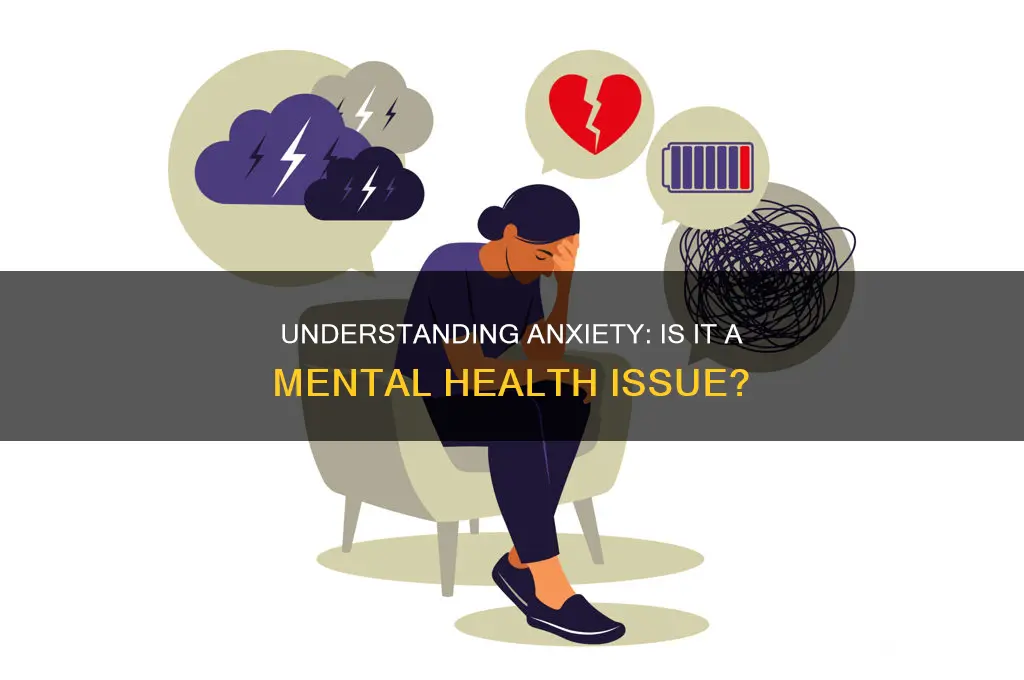
Anxiety is a pervasive and often misunderstood condition that significantly impacts individuals' daily lives, raising the question: is it merely a fleeting emotion or a serious mental health issue? Characterized by persistent worry, fear, and physical symptoms like rapid heartbeat and insomnia, anxiety disorders go beyond occasional stress, affecting millions worldwide. While it’s normal to experience anxiety in response to challenging situations, when it becomes chronic and interferes with functioning, it qualifies as a mental health disorder. Recognizing anxiety as a legitimate health concern is crucial, as it underscores the need for proper diagnosis, treatment, and support to improve quality of life and prevent long-term complications.
| Characteristics | Values |
|---|---|
| Definition | Anxiety is recognized as a mental health disorder characterized by excessive fear, worry, or anxiety that interferes with daily activities. |
| Classification | Anxiety disorders are classified under mental health conditions in diagnostic manuals like the DSM-5 (Diagnostic and Statistical Manual of Mental Disorders, 5th edition) and ICD-11 (International Classification of Diseases, 11th edition). |
| Types | Generalized Anxiety Disorder (GAD), Panic Disorder, Social Anxiety Disorder, Specific Phobias, Separation Anxiety Disorder, Agoraphobia, and Selective Mutism. |
| Prevalence | Anxiety disorders are among the most common mental health issues globally, affecting approximately 284 million people (4% of the population) as of 2023 (WHO data). |
| Symptoms | Excessive worry, restlessness, fatigue, difficulty concentrating, irritability, muscle tension, sleep disturbances, and panic attacks. |
| Causes | Genetic predisposition, brain chemistry, environmental stressors, trauma, and learned behaviors. |
| Treatment | Therapy (e.g., Cognitive Behavioral Therapy - CBT), medications (e.g., SSRIs, benzodiazepines), lifestyle changes, and mindfulness practices. |
| Impact | Can lead to physical health issues, impaired social functioning, reduced quality of life, and increased risk of other mental health disorders like depression. |
| Stigma | Despite being a recognized mental health issue, stigma and lack of awareness often prevent individuals from seeking help. |
| Prevention | Early intervention, stress management, healthy lifestyle habits, and access to mental health resources can reduce the risk of developing anxiety disorders. |
Explore related products


$6.79 $14.99


What You'll Learn
- Anxiety Disorders Overview: Types, symptoms, and diagnostic criteria for generalized anxiety and related disorders
- Causes of Anxiety: Genetic, environmental, and psychological factors contributing to anxiety development
- Impact on Daily Life: Effects on work, relationships, and overall quality of life
- Treatment Options: Therapy, medication, and lifestyle changes to manage anxiety effectively
- Stigma and Awareness: Societal misconceptions and efforts to promote mental health understanding

Anxiety Disorders Overview: Types, symptoms, and diagnostic criteria for generalized anxiety and related disorders
Anxiety disorders are among the most prevalent mental health conditions globally, affecting millions of individuals across all age groups. According to the World Health Organization (WHO), one in 13 people worldwide suffers from anxiety, making it a critical area of focus in mental health care. These disorders are not merely fleeting worries or stress but are characterized by persistent, excessive fear or worry that interferes with daily functioning. Understanding the types, symptoms, and diagnostic criteria of anxiety disorders is essential for early identification and effective treatment.
Generalized Anxiety Disorder (GAD) is one of the most common anxiety disorders, marked by chronic and exaggerated worry about everyday life events. Individuals with GAD often experience symptoms such as restlessness, fatigue, difficulty concentrating, irritability, muscle tension, and sleep disturbances. The Diagnostic and Statistical Manual of Mental Disorders (DSM-5) outlines that these symptoms must be present more days than not for at least six months and be difficult to control. Importantly, the anxiety must cause significant distress or impairment in social, occupational, or other important areas of functioning. For example, a 35-year-old professional might find themselves unable to focus on work tasks due to persistent worries about family health or financial stability, despite no immediate threats.
Beyond GAD, anxiety disorders encompass a spectrum of conditions, each with distinct features. Panic Disorder involves recurrent, unexpected panic attacks—sudden periods of intense fear accompanied by physical symptoms like heart palpitations, sweating, and shortness of breath. Social Anxiety Disorder (SAD) is characterized by an intense fear of social or performance situations where embarrassment or judgment is possible. Specific Phobias involve excessive fear of specific objects or situations, such as heights or flying. Obsessive-Compulsive Disorder (OCD) and Post-Traumatic Stress Disorder (PTSD) are also classified under anxiety-related disorders, though they have unique diagnostic criteria. For instance, OCD involves intrusive thoughts and repetitive behaviors, while PTSD arises after exposure to traumatic events and includes symptoms like flashbacks and hypervigilance.
Diagnosing anxiety disorders requires a comprehensive approach, often involving self-reports, clinical interviews, and standardized assessments. Tools like the Generalized Anxiety Disorder 7-item (GAD-7) scale are commonly used to measure symptom severity. Clinicians must rule out other medical conditions or substance use that could mimic anxiety symptoms. Treatment typically includes psychotherapy, such as Cognitive Behavioral Therapy (CBT), and medications like selective serotonin reuptake inhibitors (SSRIs). For example, a typical starting dose of sertraline for GAD might be 25–50 mg daily, gradually increased based on response and tolerance. Practical tips for managing anxiety include maintaining a consistent sleep schedule, practicing mindfulness, and limiting caffeine intake, as it can exacerbate symptoms.
In conclusion, anxiety disorders are diverse and complex, requiring tailored approaches for diagnosis and treatment. Recognizing the specific symptoms and criteria for each type is crucial for providing effective care. Whether through therapy, medication, or lifestyle changes, addressing anxiety disorders can significantly improve quality of life. Early intervention is key—if you or someone you know exhibits persistent anxiety symptoms, seeking professional help is a vital first step.
Reporting Mental Health Concerns and Gun Ownership: A Critical Guide
You may want to see also
Explore related products



Causes of Anxiety: Genetic, environmental, and psychological factors contributing to anxiety development
Anxiety disorders affect approximately 284 million people globally, making them the most prevalent mental health conditions. While anxiety is a natural response to stress, its persistence and intensity can significantly impair daily functioning, classifying it as a mental health issue. Understanding its causes is crucial for prevention and treatment. Genetic, environmental, and psychological factors intertwine to create a complex web that contributes to anxiety development.
Genetic Predisposition: The Blueprint of Vulnerability
Research indicates that anxiety disorders have a heritability rate of 30–67%, suggesting a strong genetic component. Specific genes, such as those regulating serotonin and dopamine, play a role in modulating fear responses and emotional regulation. For instance, variations in the *SLC6A4* gene, which affects serotonin transport, have been linked to heightened anxiety sensitivity. However, genetics alone do not determine fate. A family history of anxiety increases risk but requires environmental triggers to manifest. Practical tip: If anxiety runs in your family, early intervention through therapy or mindfulness practices can mitigate potential onset.
Environmental Triggers: The External Catalysts
Environmental factors act as accelerants for genetic predispositions. Chronic stress, trauma, and adverse childhood experiences (ACEs) are significant contributors. For example, individuals exposed to prolonged stress at work or in relationships are 2–3 times more likely to develop generalized anxiety disorder. Similarly, childhood trauma, such as abuse or neglect, rewires the brain’s stress response system, increasing vulnerability. Even seemingly minor factors, like caffeine intake (over 400 mg daily) or sleep deprivation, can exacerbate anxiety symptoms. Caution: Avoid self-medicating with substances like alcohol, as they provide temporary relief but worsen long-term outcomes.
Psychological Mechanisms: The Mind’s Role in Amplification
Psychological factors, such as cognitive distortions and maladaptive coping strategies, perpetuate anxiety. Catastrophic thinking—imagining the worst-case scenario—amplifies fear responses. Perfectionism, often praised culturally, is a double-edged sword; it drives achievement but increases susceptibility to anxiety when expectations are unmet. Behavioral inhibition, a temperament trait characterized by excessive caution in new situations, is another risk factor. Practical takeaway: Cognitive-behavioral therapy (CBT) effectively challenges these patterns, offering tools to reframe thoughts and build resilience.
The Interplay of Factors: A Holistic Perspective
Anxiety is not caused by a single factor but by the dynamic interaction of genetics, environment, and psychology. For instance, a genetically predisposed individual exposed to chronic stress and prone to catastrophic thinking is at higher risk. This interplay underscores the need for multifaceted treatment approaches. Medication may address genetic imbalances, therapy targets psychological patterns, and lifestyle changes mitigate environmental triggers. Comparative insight: Just as a plant requires soil, water, and sunlight to thrive, anxiety requires multiple conditions to develop—addressing one without the others may yield incomplete results.
Practical Steps for Prevention and Management
To reduce anxiety risk, adopt a three-pronged strategy:
- Genetic Awareness: If family history is a concern, consult a mental health professional for early screening.
- Environmental Control: Limit stressors by setting boundaries, reducing caffeine, and prioritizing sleep (7–9 hours nightly).
- Psychological Resilience: Practice mindfulness or CBT techniques to challenge negative thought patterns.
Stigma Behind Bars: Society's Perception of Mental Health in Prisons
You may want to see also
Explore related products



$35.39 $54.99


Impact on Daily Life: Effects on work, relationships, and overall quality of life
Anxiety disorders affect approximately 40 million adults in the United States alone, making them the most common mental health issue in the country. This staggering statistic underscores the profound impact anxiety can have on daily life, particularly in areas such as work, relationships, and overall quality of life. For instance, individuals with generalized anxiety disorder (GAD) often report difficulty concentrating, which can lead to decreased productivity at work. A study published in the *Journal of Clinical Psychiatry* found that employees with anxiety disorders lose an average of 5.6 hours per week due to reduced efficiency, equivalent to losing nearly a full workday.
Consider the ripple effects of anxiety in relationships. Chronic worry and fear can make it challenging to maintain emotional connections, as individuals may become overly dependent, avoidant, or irritable. For example, a person with social anxiety disorder might avoid social gatherings, straining friendships or romantic partnerships. Over time, this can lead to feelings of isolation and loneliness, further exacerbating anxiety symptoms. A practical tip for managing this is to set small, achievable social goals, such as attending one social event per week, and gradually increasing exposure to reduce avoidance behaviors.
At work, anxiety can manifest as perfectionism, procrastination, or difficulty making decisions. These behaviors often stem from a fear of failure or judgment, which can hinder career advancement. For instance, someone with anxiety might spend hours revising a report to ensure it’s flawless, only to miss deadlines or burn out. Employers can support employees by fostering a culture of openness about mental health and offering resources like flexible schedules or access to counseling services. Employees, meanwhile, can benefit from time management techniques, such as the Pomodoro Technique, to break tasks into manageable chunks and reduce overwhelm.
The cumulative impact of anxiety on daily life can significantly diminish overall quality of life. Physical symptoms like fatigue, headaches, and sleep disturbances are common, further complicating the ability to function optimally. A comparative analysis reveals that individuals with untreated anxiety disorders are more likely to develop chronic health conditions, such as cardiovascular disease or gastrointestinal issues, due to prolonged stress. To mitigate these effects, incorporating stress-reduction practices like mindfulness meditation, regular exercise, or journaling can be highly effective. Research shows that just 10 minutes of daily mindfulness practice can reduce anxiety symptoms by up to 14% over eight weeks.
In conclusion, anxiety’s effects on work, relationships, and quality of life are far-reaching but manageable with targeted strategies. By addressing specific challenges in these areas—whether through setting social goals, adopting time management techniques, or integrating stress-reduction practices—individuals can regain control and improve their daily functioning. Recognizing the interconnectedness of these aspects of life is crucial, as progress in one area often positively influences the others.
Understanding Yourself: A Guide to Self-Diagnosing Mental Health Concerns
You may want to see also
Explore related products


Treatment Options: Therapy, medication, and lifestyle changes to manage anxiety effectively
Anxiety disorders affect over 40 million adults in the United States alone, making it one of the most prevalent mental health issues. While it’s a natural response to stress, excessive or persistent anxiety can disrupt daily life. Treatment isn’t one-size-fits-all; instead, it often involves a combination of therapy, medication, and lifestyle changes tailored to individual needs. Each approach targets different aspects of anxiety, from rewiring thought patterns to balancing brain chemistry and fostering resilience.
Therapy: Cognitive Behavioral Therapy (CBT) and Beyond
CBT is the gold standard for anxiety treatment, with studies showing it reduces symptoms in 50–75% of patients. This short-term, goal-oriented therapy focuses on identifying and challenging irrational thoughts and behaviors. For example, a person with social anxiety might gradually expose themselves to feared situations, like public speaking, while learning coping strategies. Other therapeutic modalities, such as mindfulness-based stress reduction (MBSR) or acceptance and commitment therapy (ACT), emphasize present-moment awareness and values-based living. Group therapy can also provide support and normalize experiences, though it may not suit those with severe anxiety. Consistency is key—most therapies require 12–20 sessions for noticeable improvement.
Medication: SSRIs, Benzodiazepines, and Alternatives
For moderate to severe anxiety, medication can provide relief, often in conjunction with therapy. Selective serotonin reuptake inhibitors (SSRIs), like sertraline (Zoloft) or escitalopram (Lexapro), are first-line treatments, typically starting at 25–50 mg daily and adjusted over 4–6 weeks. Benzodiazepines (e.g., alprazolam/Xanax) offer rapid relief but carry risks of dependence and are generally prescribed for short-term use. For those hesitant about traditional medication, beta-blockers (e.g., propranolol) can manage physical symptoms like rapid heartbeat, while buspirone targets chronic anxiety without sedation. Always consult a psychiatrist to weigh benefits against side effects, such as SSRIs’ initial increased anxiety or benzodiazepines’ withdrawal risks.
Lifestyle Changes: Sleep, Exercise, and Dietary Adjustments
Lifestyle modifications complement formal treatments by addressing anxiety’s root causes and triggers. Regular aerobic exercise, such as 30 minutes of brisk walking 5 days a week, reduces anxiety symptoms by boosting endorphins and regulating stress hormones. Prioritizing 7–9 hours of sleep is critical, as sleep deprivation exacerbates anxiety; establishing a bedtime routine and limiting screen time before bed can help. Dietary changes, like reducing caffeine and sugar intake, stabilize energy levels, while incorporating magnesium-rich foods (spinach, almonds) or omega-3 fatty acids (salmon, flaxseeds) supports brain health. Mindfulness practices, such as 10 minutes of daily meditation, can also break the cycle of anxious rumination.
Integrating Approaches for Long-Term Management
The most effective anxiety management combines these strategies, addressing biological, psychological, and social factors. For instance, a 35-year-old with generalized anxiety might attend weekly CBT sessions, take 50 mg of sertraline daily, and adopt a morning yoga routine. Tracking progress through journaling or apps like Calm or Headspace can motivate adherence. However, patience is essential—therapy takes time, medication adjustments are gradual, and lifestyle changes require consistency. Consulting a healthcare provider ensures a personalized plan, while avoiding self-medication with alcohol or unprescribed drugs prevents complications. With the right tools, anxiety becomes manageable, not defining.
Understanding the Severity of Mental Health Issues: A Comprehensive Overview
You may want to see also
Explore related products

$14.66 $21.95


Stigma and Awareness: Societal misconceptions and efforts to promote mental health understanding
Anxiety disorders affect over 40 million adults in the United States alone, yet societal stigma often trivializes these conditions as mere "stress" or "overthinking." This misconception undermines the severity of anxiety as a legitimate mental health issue, deterring individuals from seeking help. For instance, phrases like "just calm down" or "it’s all in your head" dismiss the physiological and psychological toll anxiety takes, such as elevated cortisol levels, disrupted sleep, and impaired cognitive function. Such attitudes perpetuate the myth that anxiety is a choice or a sign of weakness, rather than a diagnosable condition with evidence-based treatments like cognitive-behavioral therapy (CBT) and selective serotonin reuptake inhibitors (SSRIs).
Efforts to combat stigma have gained momentum through awareness campaigns, yet challenges persist in translating knowledge into empathy. Organizations like the National Alliance on Mental Illness (NAMI) and the Anxiety and Depression Association of America (ADAA) use storytelling and data to humanize anxiety, emphasizing its prevalence across age groups, from adolescents to seniors. For example, NAMI’s "Mental Health Month" in May encourages individuals to share their experiences, normalizing conversations about anxiety. However, awareness alone is insufficient; actionable steps, such as workplace policies accommodating mental health days or schools integrating mental health education into curricula, are critical to fostering understanding. Without structural changes, awareness risks becoming performative, failing to address systemic barriers to care.
One of the most insidious misconceptions is the belief that anxiety is universally experienced and manageable without professional intervention. This overlooks the diversity of anxiety disorders, from generalized anxiety disorder (GAD) to panic disorder, each requiring tailored approaches. For instance, while mindfulness techniques like deep breathing or progressive muscle relaxation can alleviate mild symptoms, they are not substitutes for medication or therapy in severe cases. Public discourse often conflates these distinctions, leading to self-diagnosis and inadequate self-treatment. Educating the public on the spectrum of anxiety disorders and their treatments is essential to dismantling this oversimplification.
To promote genuine understanding, initiatives must move beyond awareness to advocacy. This includes challenging media portrayals that sensationalize anxiety for dramatic effect, such as depicting panic attacks as fleeting moments of hysteria rather than debilitating episodes. Instead, media should highlight success stories of individuals managing anxiety through therapy, medication, or lifestyle changes, offering hope and practical strategies. Additionally, peer support programs, like those facilitated by ADAA, empower individuals to share coping mechanisms and reduce feelings of isolation. By combining personal narratives with clinical insights, these efforts bridge the gap between awareness and actionable empathy.
Ultimately, combating stigma requires a dual approach: correcting misconceptions while fostering environments that prioritize mental health. This involves not only educating the public but also holding institutions accountable for creating inclusive spaces. For example, employers can offer mental health training to managers, ensuring they recognize signs of anxiety and respond with compassion rather than judgment. Similarly, schools can implement screening programs to identify students at risk and connect them with resources early. By addressing stigma at both individual and systemic levels, society can move toward a more nuanced understanding of anxiety as a valid, treatable mental health issue.
Recognizing Mental Health Struggles: Signs and Signals to Watch For
You may want to see also
Frequently asked questions
Yes, anxiety is recognized as a mental health issue. It involves excessive worry, fear, or nervousness that can interfere with daily functioning.
Yes, anxiety disorders are classified as mental illnesses in diagnostic manuals like the DSM-5 (Diagnostic and Statistical Manual of Mental Disorders).
No, occasional anxiety is a normal human response to stress. It becomes a mental health issue when it is persistent, severe, and disrupts daily life.
Yes, there are several types, including generalized anxiety disorder (GAD), panic disorder, social anxiety disorder, and specific phobias, all of which are considered mental health conditions.