Ava Ramirez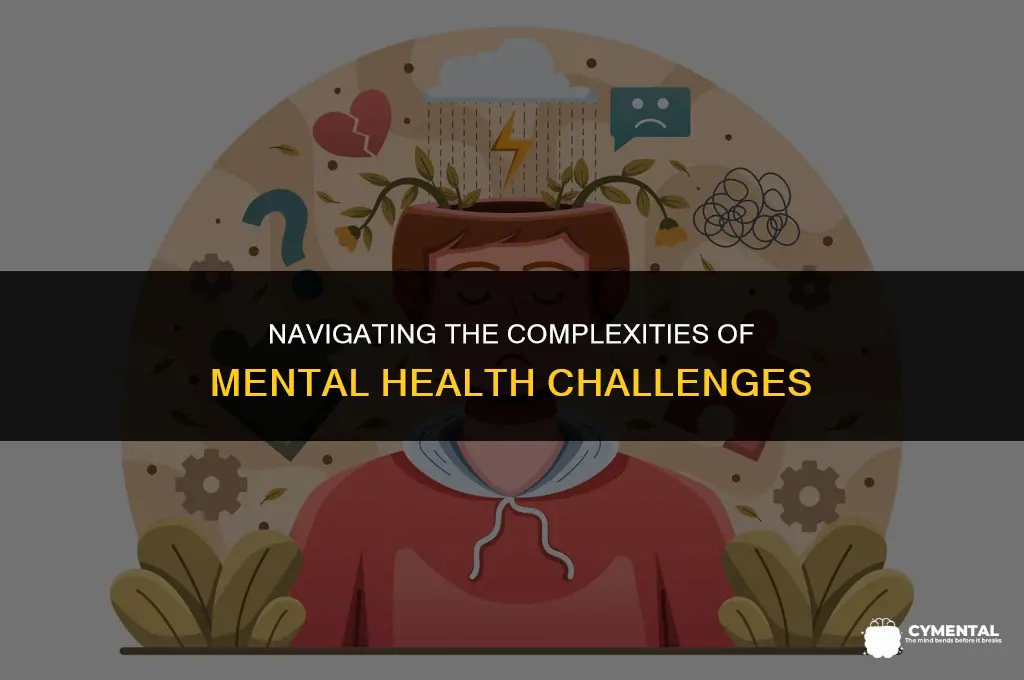
Dealing with a mental issue encompasses a wide range of experiences and challenges. It involves confronting and managing conditions such as anxiety, depression, bipolar disorder, and many others that affect one's emotional and psychological well-being. This process often requires a combination of self-awareness, professional help, and support from loved ones. Recognizing the signs of a mental health issue is the first step, followed by seeking appropriate treatment which may include therapy, medication, or lifestyle changes. It's a deeply personal journey that can be fraught with stigma and misunderstanding, but with the right resources and support, individuals can learn to cope and lead fulfilling lives.
Explore related products

$32.99 $32.99


What You'll Learn
- Understanding Symptoms: Recognizing signs of mental health issues, such as changes in mood, behavior, or cognitive function
- Seeking Help: Finding appropriate resources, such as therapists, support groups, or medication, to address mental health concerns
- Coping Strategies: Developing healthy ways to manage symptoms, including mindfulness, exercise, or creative outlets
- Building Support Networks: Cultivating relationships with friends, family, or peers who can offer emotional support and encouragement
- Self-Care Practices: Engaging in activities that promote overall well-being, such as proper sleep, nutrition, and relaxation techniques

Understanding Symptoms: Recognizing signs of mental health issues, such as changes in mood, behavior, or cognitive function
Recognizing the signs of mental health issues is crucial for early intervention and support. Changes in mood, behavior, or cognitive function can be indicators of underlying mental health conditions. For instance, persistent feelings of sadness or irritability, significant changes in appetite or sleep patterns, and withdrawal from social activities may suggest depression. On the other hand, sudden mood swings, racing thoughts, and increased energy could be symptoms of bipolar disorder.
It's important to note that these symptoms can manifest differently in various individuals and cultures. For example, in some cultures, mental health issues might be expressed more through physical symptoms like headaches or stomachaches rather than emotional ones. Additionally, certain mental health conditions, such as post-traumatic stress disorder (PTSD), can have specific triggers that lead to intense emotional or physical reactions.
Understanding these symptoms requires a nuanced approach that considers the individual's personal history, cultural background, and current life circumstances. It's not just about identifying a set of symptoms but also about understanding how these symptoms impact the person's daily life and relationships. This involves active listening, empathy, and a willingness to support the individual in seeking professional help.
Moreover, recognizing symptoms early can lead to more effective treatment outcomes. Many mental health conditions are treatable, and early intervention can significantly improve the chances of recovery. This underscores the importance of mental health literacy and the need for community-based support systems that can identify and respond to mental health issues promptly.
In conclusion, dealing with mental health issues involves a comprehensive understanding of the symptoms, their cultural and individual variations, and the importance of early intervention. By fostering a supportive environment and promoting mental health awareness, we can help individuals recognize the signs of mental health issues and seek the help they need.
Contacting Your Precinct for Mental Health Support: A Step-by-Step Guide
You may want to see also
Explore related products


Seeking Help: Finding appropriate resources, such as therapists, support groups, or medication, to address mental health concerns
Recognizing the need for help is a crucial step in addressing mental health concerns. However, finding the right resources can be a daunting task. It's essential to understand that seeking help is a sign of strength, not weakness. When looking for appropriate resources, consider the following steps:
First, identify the specific mental health concern you're dealing with. This will help narrow down the type of professional or support group that can provide the most effective assistance. For example, if you're struggling with anxiety, a therapist specializing in cognitive-behavioral therapy (CBT) may be a good option. If you're dealing with depression, a psychiatrist who can prescribe medication may be necessary.
Next, research potential resources in your area. You can start by asking your primary care physician for recommendations or checking with your insurance provider to see which mental health professionals are covered under your plan. Online directories, such as the National Alliance on Mental Illness (NAMI) or the American Psychological Association (APA), can also be helpful in finding qualified professionals and support groups.
When choosing a therapist or support group, it's important to consider factors such as location, availability, and cost. You may also want to ask about their approach to treatment and what you can expect from sessions. Don't be afraid to ask questions or seek a second opinion if you're not comfortable with the initial recommendation.
Medication can also be an effective tool in managing mental health concerns. If you're considering medication, it's important to consult with a psychiatrist or other qualified healthcare professional. They can help determine the appropriate medication and dosage for your specific needs. Be sure to discuss any potential side effects or interactions with other medications you may be taking.
Finally, remember that seeking help is an ongoing process. It may take time to find the right resources and treatment plan that works for you. Be patient and persistent, and don't hesitate to reach out for support when you need it.
Social Media's Dark Side: Uncovering Its Impact on Mental Health
You may want to see also
Explore related products


Coping Strategies: Developing healthy ways to manage symptoms, including mindfulness, exercise, or creative outlets
Mindfulness practices, such as meditation and deep breathing exercises, have been shown to reduce symptoms of anxiety and depression by promoting relaxation and improving emotional regulation. To incorporate mindfulness into your daily routine, start by setting aside 10-15 minutes each day for a guided meditation session, using apps like Headspace or Calm. Gradually increase the duration as you become more comfortable with the practice. Additionally, try incorporating mindful moments throughout your day, such as taking a few deep breaths before responding to a stressful email or focusing on the sensations in your body during a walk.
Regular exercise is another effective coping strategy for managing mental health symptoms. Physical activity releases endorphins, which can improve mood and reduce stress levels. Aim for at least 30 minutes of moderate-intensity exercise, such as brisk walking, cycling, or swimming, most days of the week. If you're new to exercise, start small and gradually increase the duration and intensity of your workouts. Consider joining a fitness class or finding a workout buddy to stay motivated and accountable.
Creative outlets, such as art, music, or writing, can provide a healthy way to express and process emotions. Engaging in creative activities can help reduce stress, improve mood, and increase self-esteem. To get started, choose an activity that you enjoy and set aside time each day or week to practice. Don't worry about creating a masterpiece – the focus is on the process, not the product. Consider taking a class or workshop to learn new skills and techniques, or join a local arts group to connect with like-minded individuals.
In addition to these strategies, it's important to prioritize self-care and seek support from others. Make sure to get enough sleep, eat a balanced diet, and limit alcohol and caffeine intake. Reach out to friends and family for support, or consider joining a support group for individuals dealing with similar mental health issues. Remember, coping strategies are not one-size-fits-all – experiment with different techniques to find what works best for you.
Exploring the Complex Outcomes of Mental Health Issues
You may want to see also
Explore related products


Building Support Networks: Cultivating relationships with friends, family, or peers who can offer emotional support and encouragement
Cultivating a robust support network is a cornerstone of effectively managing mental health issues. This involves nurturing relationships with friends, family, or peers who can provide emotional support and encouragement during challenging times. Building such a network requires intentional effort and can significantly impact one's mental well-being.
One practical approach to building a support network is to identify individuals who have demonstrated empathy and understanding in the past. These could be close friends, family members, or even colleagues who have shown a willingness to listen and offer support. It's essential to reach out to these individuals and express a desire to strengthen the relationship, perhaps by scheduling regular check-ins or engaging in shared activities that foster deeper connections.
Another strategy is to join support groups or online communities where individuals with similar experiences or mental health challenges can connect. These platforms offer a safe space to share personal struggles, receive advice, and form meaningful connections with others who understand the complexities of dealing with mental health issues. Participating in such groups can help reduce feelings of isolation and provide a sense of belonging.
In addition to seeking support from others, it's crucial to be proactive in offering support to friends and family members who may be struggling with their own mental health challenges. This can create a reciprocal relationship where both parties feel comfortable sharing their experiences and providing mutual encouragement.
Ultimately, building a support network is about creating a web of relationships that can provide emotional sustenance and practical assistance during difficult times. By investing time and effort into nurturing these connections, individuals can enhance their resilience and better navigate the complexities of managing mental health issues.
Navigating Ethical Dilemmas in Mental Health Nursing: A Compassionate Approach
You may want to see also
Explore related products


Self-Care Practices: Engaging in activities that promote overall well-being, such as proper sleep, nutrition, and relaxation techniques
Engaging in self-care practices is crucial when dealing with mental health issues. These practices encompass a range of activities that promote overall well-being, including proper sleep, nutrition, and relaxation techniques. By prioritizing these aspects of self-care, individuals can better manage their mental health and improve their quality of life.
One key aspect of self-care is ensuring adequate sleep. Research has shown that sleep plays a vital role in mental health, with chronic sleep deprivation linked to an increased risk of developing mental health disorders such as depression and anxiety. To promote better sleep, individuals can establish a consistent sleep schedule, create a relaxing bedtime routine, and make their sleep environment comfortable and conducive to rest.
Nutrition is another important component of self-care. A balanced diet rich in fruits, vegetables, whole grains, and lean proteins can provide the necessary nutrients for optimal brain function and overall health. Conversely, a diet high in processed foods, sugar, and unhealthy fats can exacerbate mental health issues. By making mindful food choices and staying hydrated, individuals can support their mental well-being through nutrition.
Relaxation techniques, such as meditation, deep breathing exercises, and yoga, can also be beneficial for managing mental health issues. These practices help to reduce stress, calm the mind, and promote a sense of inner peace. Regularly incorporating relaxation techniques into one's routine can lead to improved mood, decreased anxiety, and enhanced overall well-being.
In addition to these core self-care practices, individuals can also benefit from engaging in physical activity, spending time in nature, and cultivating social connections. By taking a holistic approach to self-care, individuals can better cope with mental health challenges and lead more fulfilling lives.
Remember, self-care is not a one-size-fits-all approach. It's essential to experiment with different practices and find what works best for you. Be patient, kind, and compassionate with yourself as you navigate your mental health journey, and don't hesitate to seek professional help when needed.
Navigating Young Adulthood: Strategies for Managing Mental Health Challenges
You may want to see also
Frequently asked questions
Dealing with a mental issue means acknowledging and addressing a problem related to one's mental health, such as anxiety, depression, or stress. It involves seeking help, developing coping strategies, and working towards recovery or management of the condition.
Recognizing a mental issue often involves noticing changes in one's mood, behavior, or thoughts. Common signs include persistent feelings of sadness, anxiety, or irritability, changes in sleep or appetite, difficulty concentrating, and withdrawing from social activities. If these symptoms interfere with daily life, it may be an indication of a mental health issue.
Effective ways to deal with mental issues include seeking professional help from a therapist or counselor, practicing self-care activities like exercise and meditation, building a support network of friends and family, and learning healthy coping mechanisms. Medication may also be prescribed in some cases to help manage symptoms.
Addressing mental issues promptly is important because untreated mental health conditions can worsen over time and lead to more serious consequences. Early intervention can improve outcomes, reduce the risk of complications, and enhance overall quality of life. Seeking help as soon as possible can also prevent the development of co-occurring disorders and improve relationships with others.