Harper Lewis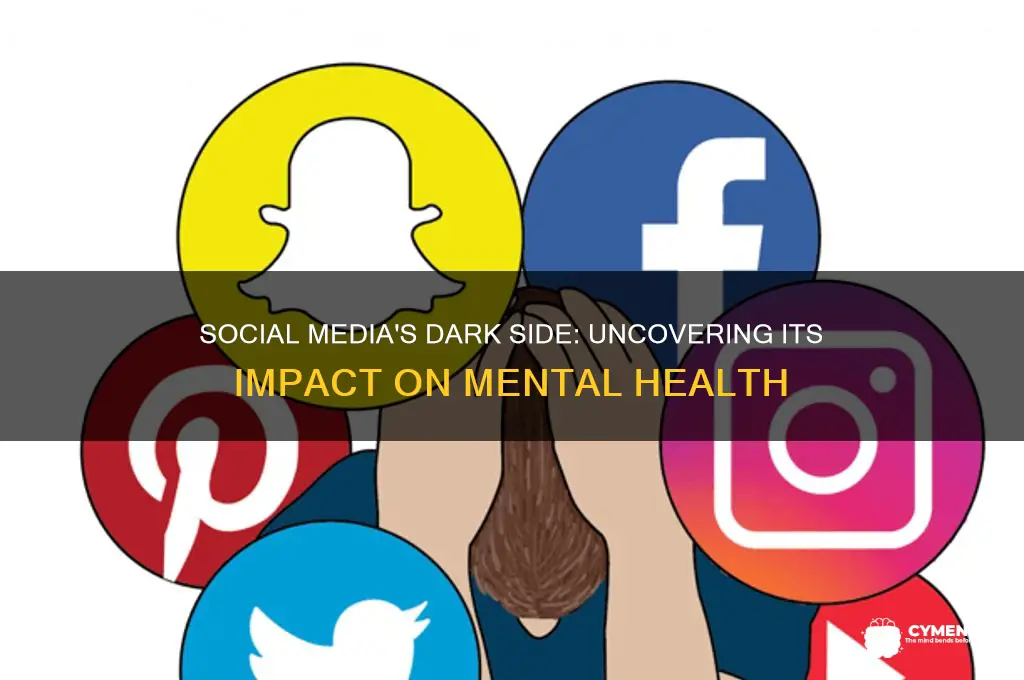
Social media, while a powerful tool for connection and communication, has increasingly been linked to a rise in mental health issues. The constant exposure to curated, idealized versions of others' lives can foster feelings of inadequacy, low self-esteem, and anxiety, particularly among younger users. The addictive nature of platforms, driven by algorithms designed to maximize engagement, often leads to excessive screen time, disrupting sleep patterns and reducing real-world interactions. Additionally, cyberbullying, online harassment, and the pressure to maintain a perfect online persona contribute to stress, depression, and even suicidal ideation. As social media becomes more integrated into daily life, its impact on mental well-being has become a pressing concern, prompting calls for greater awareness, regulation, and support systems to mitigate its negative effects.
| Characteristics | Values |
|---|---|
| Comparison & Low Self-Esteem | 70% of teens report feeling pressure to look a certain way on social media (Common Sense Media, 2023). Studies show a strong link between heavy social media use and body image concerns, particularly in young women (Journal of Adolescent Health, 2022). |
| Cyberbullying | 37% of young people have experienced cyberbullying (Pew Research Center, 2023). Victims are at increased risk for depression, anxiety, and suicidal ideation (JAMA Pediatrics, 2021). |
| Sleep Disturbance | Blue light from screens disrupts sleep patterns, and the constant stream of information can make it hard to "switch off." Studies show a correlation between excessive social media use and poorer sleep quality (Sleep Medicine Reviews, 2022). |
| Fear of Missing Out (FOMO) | Constant exposure to curated highlights of others' lives can lead to feelings of inadequacy and anxiety. Research suggests FOMO is associated with increased social media use and decreased well-being (Computers in Human Behavior, 2020). |
| Addiction & Reward Seeking | Social media platforms are designed to be addictive, using likes, shares, and notifications to trigger dopamine release. Studies show similarities between social media addiction and substance abuse disorders (Addiction, 2021). |
| Information Overload & Anxiety | The constant influx of news, often negative, can contribute to feelings of overwhelm and anxiety. Research suggests excessive news consumption on social media is linked to increased stress levels (Journal of Broadcasting & Electronic Media, 2020). |
| Social Isolation & Loneliness | Paradoxically, excessive social media use can lead to feelings of loneliness and isolation, as online interactions may not fulfill the need for deep, meaningful connections (American Journal of Preventive Medicine, 2017). |
Explore related products


What You'll Learn
- Cyberbullying and Online Harassment: Constant exposure to negativity and bullying can lead to anxiety and depression
- Social Comparison and Envy: Idealized content fosters unrealistic expectations, causing low self-esteem and dissatisfaction
- Addiction and Screen Time: Excessive use disrupts sleep, reduces productivity, and increases stress levels
- Fear of Missing Out (FOMO): Pressure to stay connected leads to anxiety and constant distraction
- Privacy Concerns and Stress: Over-sharing and data breaches contribute to paranoia and emotional distress

Cyberbullying and Online Harassment: Constant exposure to negativity and bullying can lead to anxiety and depression
The anonymity of the internet has birthed a monster: cyberbullying. Unlike traditional bullying, which often occurs within a confined physical space, online harassment follows its victims everywhere, infiltrating their homes and personal devices. A single hurtful comment or manipulated image can be shared with thousands in seconds, amplifying the humiliation and emotional distress. This constant exposure to negativity, often fueled by the perceived safety of anonymity, can have devastating consequences for mental health.
Imagine a teenager, already navigating the complexities of adolescence, constantly bombarded with hateful messages on their Instagram feed. The relentless criticism, the spread of rumors, the feeling of being constantly judged and ridiculed – it's a recipe for anxiety and depression. Studies show that victims of cyberbullying are significantly more likely to experience symptoms of anxiety, depression, and even suicidal ideation.
The impact is particularly severe for younger users. Adolescents, whose brains are still developing and who are more susceptible to peer influence, are especially vulnerable. A 2018 study found that adolescents who experienced cyberbullying were twice as likely to report symptoms of depression compared to their non-bullied peers. The constant fear of the next attack, the feeling of helplessness, and the erosion of self-esteem can create a cycle of negativity that's incredibly difficult to break.
Unlike physical bullying, cyberbullying often leaves no visible scars, making it harder to identify and address. Victims may feel ashamed or embarrassed to report the abuse, fearing further ridicule or blame. This silence only exacerbates the problem, allowing the harassment to continue unchecked.
Combating cyberbullying requires a multi-pronged approach. Parents and educators need to be vigilant, fostering open communication and teaching digital literacy skills. Social media platforms must take responsibility by implementing stricter reporting mechanisms and swiftly removing abusive content. Most importantly, we need to cultivate a culture of empathy and respect online, where kindness prevails over cruelty. Remember, behind every screen is a real person, vulnerable to the words and actions of others.
COVID-19's Impact: Rising Mental Health Challenges Post-Pandemic
You may want to see also
Explore related products



Social Comparison and Envy: Idealized content fosters unrealistic expectations, causing low self-esteem and dissatisfaction
Social media platforms are awash with meticulously curated images and narratives that often present a distorted view of reality. Users frequently encounter posts showcasing flawless physiques, luxurious lifestyles, and seemingly perfect relationships. This constant exposure to idealized content can trigger a pervasive habit of social comparison, where individuals measure their own lives against the highlight reels of others. Such comparisons rarely end favorably, as the curated nature of these posts fails to reflect the struggles, insecurities, and mundane aspects of everyday life. The result? A breeding ground for envy and dissatisfaction that erodes self-esteem over time.
Consider the algorithmic design of platforms like Instagram or TikTok, which prioritizes content that garners high engagement—often the most visually striking or aspirational posts. For instance, a study published in the *Journal of Social and Clinical Psychology* found that young adults who spent more than three hours daily on social media were significantly more likely to report feelings of inadequacy and envy. These platforms inadvertently amplify the visibility of idealized content, making it nearly impossible for users to escape the cycle of comparison. Even when users are aware of the curated nature of these posts, the emotional impact of repeated exposure can still lead to negative self-perceptions.
To mitigate the effects of social comparison, it’s essential to adopt a mindful approach to social media consumption. Start by auditing your feed: unfollow accounts that trigger feelings of inadequacy and replace them with content that promotes authenticity and diversity. For example, follow body-positive influencers, mental health advocates, or creators who share unfiltered glimpses of their lives. Setting time limits for social media use—such as 30 minutes per day—can also reduce the cumulative impact of idealized content. Additionally, practice self-compassion by acknowledging that everyone, including those you admire online, faces challenges behind the scenes.
A comparative analysis of social media’s role in fostering envy reveals a stark contrast between its intended purpose and its psychological consequences. While platforms aim to connect people, they often achieve the opposite by creating a culture of competition and comparison. For instance, the rise of “influencer culture” has turned personal achievements into commodities, further intensifying the pressure to measure up. Unlike traditional media, social media feels more relatable because it involves people we know or aspire to be like, making the comparisons more personal and damaging. This dynamic underscores the need for a critical lens when engaging with these platforms.
In conclusion, the idealized content prevalent on social media serves as a double-edged sword, offering inspiration while simultaneously fostering unrealistic expectations. By understanding the mechanisms behind social comparison and envy, users can take proactive steps to protect their mental health. Whether through curating a more authentic feed, limiting screen time, or cultivating self-compassion, breaking free from the comparison trap is possible. The key lies in recognizing that social media is a highlight reel, not a reflection of reality, and adjusting our expectations accordingly.
Breaking the Silence: Overcoming Isolation in Mental Health Struggles
You may want to see also
Explore related products

$18.49 $29.99


Addiction and Screen Time: Excessive use disrupts sleep, reduces productivity, and increases stress levels
Excessive screen time, particularly on social media, has become a modern-day addiction, rivaling traditional dependencies like smoking or gambling. Studies show that the average person spends over 2.5 hours daily on social media platforms, with teenagers often exceeding 5 hours. This compulsive use triggers the brain’s reward system, releasing dopamine with every notification, like, or comment. Over time, users develop a tolerance, needing more screen time to achieve the same satisfaction. This cycle mirrors substance addiction, with withdrawal symptoms like irritability and restlessness when devices are unavailable. The psychological grip of this habit is undeniable, but its physical and mental consequences are equally alarming.
One of the most immediate effects of excessive screen time is disrupted sleep, a cornerstone of mental health. The blue light emitted by screens suppresses melatonin, the hormone regulating sleep. A study by the Journal of Clinical Sleep Medicine found that individuals who use screens before bed experience a 23% decrease in melatonin levels compared to those who avoid screens. This leads to shorter sleep duration and poorer sleep quality. For adolescents, whose brains are still developing, this disruption can impair cognitive function and emotional regulation. Practical advice? Implement a "digital sunset" by turning off devices at least one hour before bed and using blue light filters to mitigate harm.
Reduced productivity is another casualty of screen addiction. Constant notifications and the urge to check updates fragment attention, leading to a phenomenon known as "attention residue." Research from the University of California, Irvine, reveals that it takes an average of 23 minutes to regain focus after a distraction. For someone checking their phone every 12 minutes, as many do, this translates to hours of lost productivity daily. Employers and students alike suffer, as tasks take longer and quality diminishes. To combat this, adopt time-blocking techniques, dedicating specific intervals to work or study without interruptions. Apps like Forest or Freedom can help by temporarily blocking distracting sites.
Perhaps most insidiously, excessive screen time amplifies stress levels. Social media platforms often present curated, idealized versions of reality, fostering unrealistic comparisons. A study in the American Journal of Preventive Medicine found that heavy social media users are 2.7 times more likely to experience increased stress and anxiety. The fear of missing out (FOMO) and the pressure to maintain an online persona contribute to chronic stress. For younger users, cyberbullying adds another layer of psychological strain. To mitigate this, set boundaries by designating "screen-free" periods and engaging in offline activities that promote mindfulness, such as reading or exercising.
Breaking the cycle of screen addiction requires awareness and intentional action. Start by tracking daily screen time using built-in tools like Apple’s Screen Time or Android’s Digital Wellbeing. Aim to reduce usage by 15% weekly, replacing it with activities that foster real-world connections or personal growth. For families, establish tech-free zones, such as the dinner table or bedrooms, to encourage face-to-face interaction. Schools and workplaces can also play a role by promoting digital literacy and modeling healthy tech habits. While technology is here to stay, reclaiming control over its use is essential for preserving mental health and overall well-being.
Stigma Behind Bars: Society's Perception of Mental Health in Prisons
You may want to see also
Explore related products


Fear of Missing Out (FOMO): Pressure to stay connected leads to anxiety and constant distraction
The relentless scroll, the ping of notifications, the curated highlights of others' lives – these are the hallmarks of social media that fuel the Fear of Missing Out (FOMO). This pervasive anxiety, born from the pressure to stay constantly connected, has become a significant contributor to mental health issues, particularly among younger demographics. Studies show that individuals aged 18-34 are most susceptible, with 60% reporting FOMO-related stress. The fear isn’t just about missing events; it’s about feeling excluded from a perceived better, more fulfilling life.
Consider this scenario: You’re at home, and your Instagram feed floods with photos of friends at a party you weren’t invited to. The immediate reaction? A surge of anxiety, a compulsive need to check for updates, and a lingering sense of inadequacy. This cycle of comparison and distraction disrupts focus, reduces productivity, and fosters a chronic state of unease. Research from the University of Pennsylvania found that limiting social media use to 30 minutes per day significantly reduces feelings of loneliness and depression, highlighting the direct link between excessive usage and mental strain.
To combat FOMO, start by setting boundaries. Allocate specific times for social media – for instance, 10 minutes in the morning and 10 minutes at night. Use apps like Screen Time or Digital Wellbeing to monitor and limit usage. Practically, turn off non-essential notifications and keep your phone out of sight during work or leisure activities. For those aged 13-25, who are most at risk, parents and educators can encourage "tech-free" zones, such as meal times or study hours, to foster real-world engagement.
The takeaway is clear: FOMO thrives on the illusion of constant connection, but this very connection often leads to disconnection from the present moment. By reclaiming control over your digital habits, you can reduce anxiety, improve focus, and cultivate a healthier relationship with both social media and yourself. Remember, the fear of missing out should never outweigh the joy of being present.
Police Response to Mental Health Crises: Frequency and Challenges
You may want to see also
Explore related products


Privacy Concerns and Stress: Over-sharing and data breaches contribute to paranoia and emotional distress
The relentless sharing culture on social media platforms has created a paradox: while users crave connection and validation, they often sacrifice privacy, leaving themselves vulnerable to stress and anxiety. Over-sharing personal details, from daily routines to intimate thoughts, has become the norm, blurring the lines between public and private life. This digital exhibitionism can have unintended consequences, as every post, tweet, or story contributes to a vast data pool that may not always remain secure.
The Data Breach Dilemma: Imagine a scenario where a popular social media platform experiences a data breach, exposing users' personal information. Names, email addresses, and even private messages could fall into the wrong hands. For individuals who have shared extensively online, this breach can lead to a heightened sense of paranoia. They might constantly worry about identity theft, stalking, or their personal lives being exploited. The stress of potential consequences can be overwhelming, especially for younger users who may not fully comprehend the long-term implications of their digital footprint.
A study by the Pew Research Center found that 64% of Americans have personally experienced a major data breach, and this number is likely higher among active social media users. When such breaches occur, the emotional fallout can be significant. Users may feel violated, anxious, and helpless, especially if their attempts to control privacy settings have been futile. This sense of powerlessness contributes to a growing distrust of online platforms and can lead to increased stress levels, particularly for those already struggling with mental health issues.
Managing Privacy, Reducing Stress: To mitigate these risks, users should adopt a proactive approach to online privacy. Here are some practical steps:
- Audit Your Digital Presence: Regularly review your social media accounts and adjust privacy settings. Limit the personal information visible to the public and be cautious about sharing real-time locations or sensitive details.
- Practice Data Minimalism: Share mindfully and avoid oversharing. Consider the potential long-term impact of each post. For instance, sharing fewer personal details can reduce the risk of identity theft and protect against future embarrassment or misuse.
- Stay Informed: Keep up with platform updates and privacy policies. Understand how your data is being used and shared. Being aware of potential risks allows for better decision-making.
- Educate and Advocate: Teach younger users about digital privacy and the importance of a healthy online-offline balance. Encourage critical thinking about the information they share and its potential reach.
By taking control of their digital privacy, individuals can reduce the stress and paranoia associated with over-sharing and data breaches. It is essential to recognize that while social media offers a platform for self-expression, it also requires users to be vigilant guardians of their personal information. This shift in mindset can empower users to enjoy the benefits of social connectivity without falling victim to its potential pitfalls.
The Hidden Financial Impact of Mental Health Issues on Businesses
You may want to see also
Frequently asked questions
Excessive social media use can lead to anxiety and depression through constant exposure to curated, idealized versions of others' lives, fostering feelings of inadequacy and low self-esteem. Additionally, the fear of missing out (FOMO), cyberbullying, and the addictive nature of platforms can increase stress and negatively impact mental well-being.
Yes, social media usage, especially before bedtime, can disrupt sleep patterns due to the blue light from screens and the stimulating nature of content. Poor sleep is linked to increased risks of mental health issues like depression, anxiety, and irritability, as it impairs emotional regulation and cognitive function.
Social comparison on social media often leads to negative self-perception, as users compare their behind-the-scenes lives to others' highlight reels. This can lower self-esteem, trigger feelings of envy, and contribute to mental health issues such as depression and body dissatisfaction, especially among younger users.