Caleb Wright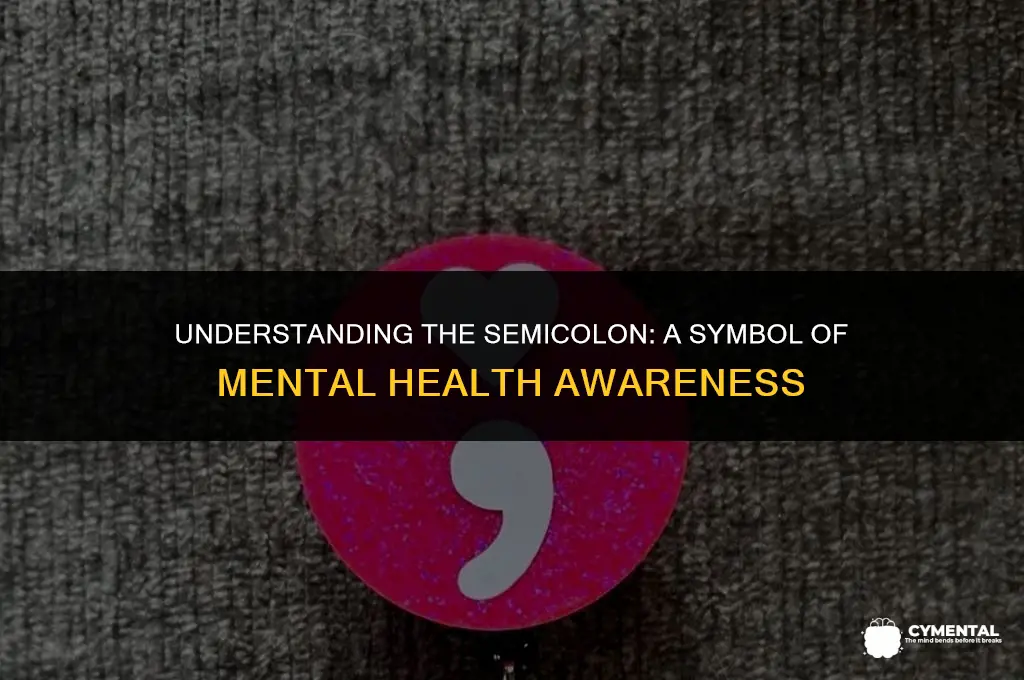
The semicolon has become a powerful symbol in mental health awareness. It represents a pause in a sentence, not an end; similarly, it signifies that the person's journey with mental health challenges is ongoing but not final. This symbol has been widely adopted to convey a message of hope and resilience, emphasizing that mental health struggles do not define a person's entire story. The semicolon serves as a reminder that there is more to come, more to experience, and more to share beyond the difficulties faced.
Explore related products


What You'll Learn
- Definition: A semicolon in mental health symbolizes a pause, not an end, in one's journey
- Origin: The semicolon project, initiated by Amy Bleuel, aimed to raise awareness about mental illness
- Symbolism: It represents resilience, hope, and the continuation of life despite challenges faced
- Usage: People often use the semicolon tattoo or symbol to show support for mental health causes
- Misconceptions: Clarifying that the semicolon is not a symbol for suicide, but for perseverance

Definition: A semicolon in mental health symbolizes a pause, not an end, in one's journey
The semicolon in mental health is a powerful symbol that represents a pause in one's journey, rather than an end. This punctuation mark has been adopted by various mental health awareness campaigns to signify that struggles with mental health are not terminal, but rather a part of an ongoing process. It serves as a reminder that even in the darkest moments, there is always the possibility of continuation and growth.
This symbol is particularly significant in the context of suicide prevention. It suggests that while someone may be experiencing intense emotional pain, it is not a permanent state. The semicolon encourages individuals to seek help and support, emphasizing that their story is not yet complete. It is a beacon of hope, urging people to persevere through their challenges and to remember that they are not alone in their struggles.
Moreover, the semicolon in mental health can also represent the importance of self-care and taking breaks when needed. Just as a semicolon indicates a pause in a sentence, it can also signify the need for individuals to take time for themselves to rest and recharge. This is crucial in maintaining mental well-being and preventing burnout. By acknowledging the need for pauses, the semicolon promotes a healthier approach to managing mental health.
In addition, the semicolon can be seen as a symbol of resilience. It stands for the strength and courage it takes to continue one's journey despite facing obstacles and setbacks. This resilience is a key component in the recovery process from mental health issues. The semicolon, therefore, not only represents a pause but also the determination to keep moving forward.
In conclusion, the semicolon in mental health is a multifaceted symbol that encapsulates the idea of a pause, not an end, in one's journey. It serves as a reminder of the possibility of continuation and growth, promotes self-care and resilience, and is a beacon of hope for those struggling with mental health issues. By adopting this symbol, mental health awareness campaigns have created a powerful tool for encouraging individuals to seek help, persevere through challenges, and remember that their story is not yet complete.
Unraveling the Complexities of Britney Spears' Mental Health Struggles
You may want to see also
Explore related products




Origin: The semicolon project, initiated by Amy Bleuel, aimed to raise awareness about mental illness
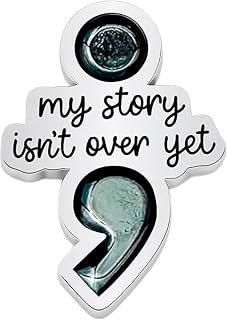
The semicolon project, initiated by Amy Bleuel, aimed to raise awareness about mental illness by using a simple yet powerful symbol. The semicolon, often used in literature to indicate a pause or a continuation, was adopted as a metaphor for mental health struggles. It represents the idea that one's story is not over, even in the face of adversity.
The project began as a grassroots movement on social media, where individuals were encouraged to share their stories of mental illness and recovery. The semicolon became a unifying symbol, allowing people to express their experiences and connect with others who understood their struggles. As the movement gained momentum, it evolved into a larger organization dedicated to promoting mental health awareness and support.
One of the key aspects of the semicolon project is its emphasis on the importance of seeking help and support. The semicolon serves as a reminder that it is okay to ask for help and that there is always hope for recovery. The project encourages individuals to reach out to friends, family, or mental health professionals when they are struggling.
The semicolon project has had a significant impact on mental health awareness and support. It has helped to reduce the stigma surrounding mental illness and has provided a platform for individuals to share their stories and connect with others. The project's message of hope and resilience has resonated with people around the world, making it a powerful tool in the fight against mental illness.
In conclusion, the semicolon project, initiated by Amy Bleuel, has used a simple symbol to raise awareness about mental illness and promote support and recovery. The project's impact has been significant, helping to reduce stigma and provide a platform for individuals to share their stories and connect with others. The semicolon serves as a powerful reminder that one's story is not over, even in the face of adversity, and that seeking help and support is a sign of strength, not weakness.
Understanding LMHC: A Guide to Licensed Mental Health Counselors
You may want to see also
Explore related products


Symbolism: It represents resilience, hope, and the continuation of life despite challenges faced
The semicolon has become a powerful symbol in the mental health community, representing resilience, hope, and the continuation of life despite the challenges faced. This punctuation mark, often used to connect two closely related independent clauses, has taken on a new meaning in the context of mental health awareness. It serves as a visual reminder that even when one's thoughts or feelings may seem fragmented or disjointed, there is always a way to connect them and move forward.
In recent years, the semicolon has been adopted as a symbol of support for those struggling with mental health issues, particularly depression and anxiety. It is often used in social media posts, tattoos, and other forms of self-expression to convey a message of solidarity and encouragement. The semicolon represents the idea that one's mental health journey is not a period, but rather a pause, a moment of reflection, and an opportunity to continue writing one's story.
The use of the semicolon as a mental health symbol has also sparked important conversations about the nature of mental illness and recovery. It challenges the stigma surrounding mental health issues by acknowledging that struggles are a natural part of life and that seeking help is a sign of strength, not weakness. The semicolon serves as a reminder that mental health is just as important as physical health and that it is okay to not be okay.
Furthermore, the semicolon symbol has inspired various mental health initiatives and organizations to use it as a tool for raising awareness and promoting support. For example, the Semicolon Project, a nonprofit organization, uses the semicolon as a symbol of hope and resilience in their efforts to provide resources and support for those affected by mental illness. The symbol has also been incorporated into mental health awareness campaigns, such as World Mental Health Day, to encourage people to talk openly about their mental health and seek help when needed.
In conclusion, the semicolon has become a powerful symbol in the mental health community, representing resilience, hope, and the continuation of life despite challenges faced. Its adoption as a mental health symbol has sparked important conversations, challenged stigma, and inspired initiatives aimed at promoting support and awareness. As a visual reminder of the importance of mental health and the strength it takes to persevere, the semicolon continues to serve as a beacon of hope for those struggling with mental illness.
Prioritizing Your Well-being: The Art of Requesting a Mental Health Day
You may want to see also
Explore related products


Usage: People often use the semicolon tattoo or symbol to show support for mental health causes
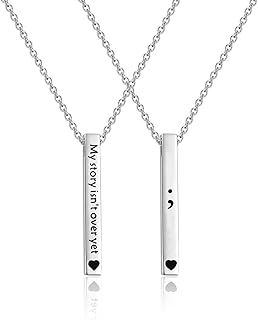
The semicolon tattoo has become a powerful symbol in the mental health community, representing a commitment to continue the conversation about mental illness and suicide prevention. People often choose to get this tattoo as a way to show support for loved ones who have struggled with mental health issues or to commemorate those who have lost their lives to suicide. The semicolon serves as a reminder that even in the darkest moments, there is always a reason to keep going.
One of the reasons the semicolon tattoo has gained popularity is its versatility. It can be placed almost anywhere on the body, making it a discreet yet meaningful way to express solidarity with the mental health cause. Some people choose to get the tattoo in a visible location, such as their wrist or forearm, as a way to spark conversations and raise awareness. Others may opt for a more private placement, such as behind the ear or on the ankle, as a personal reminder of their commitment to mental health advocacy.
The semicolon tattoo is not just a symbol of support; it also serves as a conversation starter. When people see the tattoo, they may be more likely to ask questions and engage in discussions about mental health, which can help to break down stigmas and encourage others to seek help. In this way, the tattoo becomes a tool for education and outreach, allowing individuals to share their stories and experiences with others.
However, it's important to note that getting a semicolon tattoo is a personal decision and should not be taken lightly. While the symbol has a powerful meaning, it's essential to consider the potential risks and implications of getting a tattoo, such as the possibility of infection or allergic reactions. Additionally, some people may choose to get the tattoo without fully understanding its significance, which can lead to misunderstandings or misinterpretations.
In conclusion, the semicolon tattoo is a meaningful way for individuals to show support for mental health causes and spark important conversations about mental illness and suicide prevention. By choosing to get this tattoo, people can contribute to a larger movement aimed at raising awareness and promoting understanding of mental health issues.
Drew Carey's Candid Conversations: Shedding Light on Mental Health Matters
You may want to see also
Explore related products


Misconceptions: Clarifying that the semicolon is not a symbol for suicide, but for perseverance
The semicolon has become a powerful symbol in the mental health community, often misunderstood as representing suicide. However, its true meaning is far more uplifting and empowering. Originally, the semicolon was used in literature to indicate a pause in a sentence, not a full stop. This concept has been adopted by mental health advocates to signify that one's journey with mental illness is not over, but merely paused. It represents the idea that the author could have ended the sentence, but chose to continue, symbolizing perseverance and hope.
One of the most common misconceptions about the semicolon is that it glamorizes or promotes suicide. This is a dangerous misunderstanding that can lead to harmful conversations and stigmatization of mental illness. In reality, the semicolon is a beacon of hope for those struggling with mental health issues. It serves as a reminder that their story is not finished and that they have the strength to keep going.
To clarify this misconception, it's important to educate people on the origins and true meaning of the semicolon as a symbol of mental health awareness. This can be done through open conversations, social media campaigns, and educational resources. By spreading awareness, we can help to destigmatize mental illness and promote a message of hope and resilience.
In addition to clarifying the misconception, it's crucial to provide support and resources for those who may be struggling with mental health issues. This can include information on therapy, support groups, and crisis hotlines. By offering help and guidance, we can ensure that individuals know they are not alone and that there is hope for recovery.
Ultimately, the semicolon is a powerful symbol of perseverance and hope in the face of mental illness. By understanding and promoting its true meaning, we can help to create a more supportive and compassionate environment for those affected by mental health issues.
Exploring Men's Mental Health: June Awareness Month Insights
You may want to see also
Frequently asked questions
The semicolon has become a powerful symbol in mental health awareness, representing the idea that one's life story is not yet complete. It signifies that despite struggles, challenges, or periods of darkness, there is always more to come; it's a reminder to keep going and to seek help when needed.
In mental health advocacy, the semicolon is often used in tattoos, social media posts, and other forms of expression to show solidarity with those who have experienced mental health issues. It serves as a visual cue that the conversation about mental health is ongoing and that support is available for those who need it.
In the context of suicide prevention, the semicolon is a poignant reminder that suicide is not the end of one's story. It encourages individuals to seek help, to talk about their feelings, and to remember that there is always hope. The semicolon has been adopted by various organizations and campaigns focused on reducing suicide rates and promoting mental health support.